
Some men genuinely want a relationship. They enjoy closeness, companionship, and having a partner in their life. But wanting the relationship is not the same as being ready to carry the responsibilities that come with it. Responsibility is not only money or commitment labels; it includes consistency, emotional effort, and making space for someone else’s needs. This is where mixed signals often come from. The man may be affectionate and sincere, but also evasive when the relationship requires structure. That creates confusion because the desire feels real, but the follow-through feels unstable. These signs show when a man wants the relationship, but fears what it demands from him.
He Loves the Connection but Avoids Defining the Relationship

He spends time, stays close, and acts like a partner in private. But when labels or clarity come up, he becomes vague or uncomfortable. He may say he does not like pressure, timing, or “titles.” The problem is not the label itself; it is what the label represents, expectations. He may fear being held accountable once things are defined. This can keep the relationship in limbo even when emotions are real. Wanting connection without clarity often signals fear of responsibility.
He Wants the Benefits of Commitment Without the Structure

Some men want the emotional comfort of a relationship, but resist routines and agreements. They may want affection, support, and exclusivity, but dislike planning and coordination. This creates imbalance because the relationship depends on structure to stay stable. Without structure, one person ends up carrying the planning. He may call structure “boring” or “too serious.” But structure is what protects long-term love. Avoiding structure often signals fear of being accountable.
He Shows Up When It Feels Easy, Disappears When It Feels Hard

Consistency is often the first responsibility men fear. He may be highly engaged when things are fun, light, and romantic. But when conflict, stress, or deeper conversations arise, he becomes distant. This creates a relationship that feels good only on good days. The partner may feel emotionally abandoned when support is needed most. He may return when things calm down, acting as if nothing happened. This pattern signals that closeness is desired, but pressure is avoided. Responsibility requires staying present through discomfort.
He Avoids Conversations About the Future

Future talk often reveals readiness. He may enjoy the present but shut down when the conversation moves toward plans and direction. This can include holidays, living arrangements, finances, or long-term goals. He may respond with jokes, vague answers, or “let’s see.” The partner may feel like the relationship has no path forward. Future avoidance is often fear of commitment, not lack of feelings. A man can want love and still fear what future planning requires. Avoiding the future keeps responsibility optional.
He Gets Defensive When Needs Are Expressed

Needs create expectations, and expectations create responsibility. If he reacts defensively to reasonable requests, it often signals fear of being seen as failing. He may interpret needs as criticism or pressure. Instead of collaborating, he argues or shuts down. This leaves the partner feeling unheard. A man who fears responsibility often tries to reduce needs rather than meet them. Defensiveness is not always cruelty; it can be insecurity. But it still blocks growth.
He Expects Understanding but Offers Limited Effort

Some men want a partner who is patient, supportive, and flexible. But they do not match that energy with consistent effort. They may ask for grace but resist making changes. The relationship becomes one-sided: one person adapts, the other stays comfortable. He may say he cares deeply but show little follow-through. Words become the main currency instead of action. This can feel confusing because the emotions sound sincere. But responsibility is proven through behavior, not reassurance.
He Avoids Being Counted On

A man who fears responsibility often avoids situations where he might be depended on. He may resist commitments, even small ones. Plans stay loose, and promises stay vague. He may dislike being the person someone relies on because it creates pressure. This can show up as last-minute changes or noncommittal language. The partner may feel like stability is always out of reach. Being counted on is a basic relationship responsibility. Avoiding it keeps him emotionally safe but the relationship unstable.
He Keeps His Independence Overly Protected

Independence is healthy, but excessive independence can be a shield. He may keep his schedule, habits, and decision-making separate even while dating seriously. He may resist compromise, coordination, or shared routines. This can make the partner feel like an outsider in his life. He may frame it as needing space or freedom. But partnership requires some integration. Over-protecting independence can signal fear of shared responsibility. It is not about losing freedom; it is about sharing life.
He Delays Introducing You to Key Parts of His Life

Some men keep the relationship in a private bubble. They may avoid bringing you around close friends, family, or important events. This can happen even when they spend a lot of time together. The delay may not always mean hidden motives; it can be fear of making it “real.” Introducing a partner to key parts of life increases accountability. It also signals seriousness to others. If he avoids that step, he may be avoiding responsibility. Private closeness without public integration can be a warning sign.
He Treats Relationship Work Like “Drama”

Some men label normal relationship conversations as drama. They may dismiss emotional talks as unnecessary or exhausting. This is often a way to avoid the responsibility of emotional engagement. Emotional work includes listening, repairing, and adjusting behavior. Calling it drama reduces the need to participate. The partner may then feel guilty for asking for basic connection. A healthy relationship still needs maintenance. Avoiding maintenance often creates the very drama he fears.
He Makes Promises in the Moment but Struggles to Follow Through

He may say the right things when emotions are high. He may promise change after conflict or promise to be more consistent. But the behavior returns to the old pattern once the tension fades. This creates hope followed by disappointment. It also keeps the partner emotionally hooked on potential rather than reality. Responsibility requires sustained change, not emotional reassurance. Moment-based promises often indicate discomfort with long-term effort. Sincerity without follow-through still causes damage.
He Uses Stress as a Reason to Avoid Responsibility
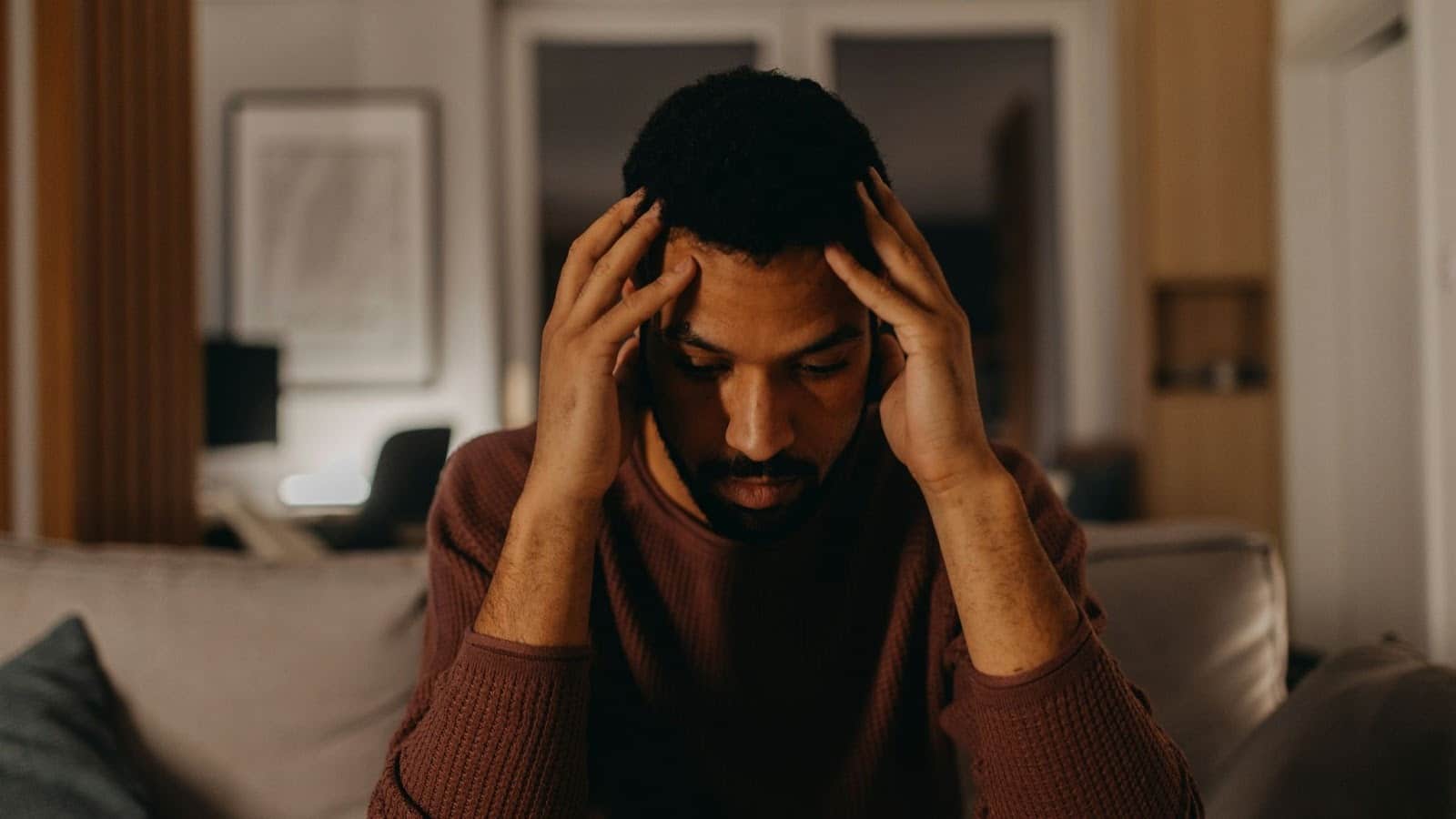
Stress is real, but it can become a permanent excuse. He may blame work, finances, or personal issues for inconsistency. He may say he wants the relationship, but he is “not in a place” to show up fully. Meanwhile, he still wants closeness, comfort, and access. This creates a relationship where the partner carries uncertainty. Stress management is part of adult responsibility. Avoiding commitment because life is stressful can become endless. The issue is not stress; it is avoidance.
He Keeps Emotional Vulnerability Limited

He may share some feelings but keep deeper emotional honesty locked away. Vulnerability creates closeness, but it also creates responsibility. It makes the relationship more real and harder to walk away from. Some men keep vulnerability controlled so they feel safer. The partner may feel like something is missing. Emotional distance can exist even in affectionate relationships. Responsibility includes emotional openness, not only time spent together. Limited vulnerability often signals fear of deeper commitment.
He Avoids Shared Problem-Solving

When issues come up, he may wait for them to disappear. He may dislike planning, negotiation, or creating agreements. This leaves the partner doing the emotional and practical work of the relationship. He may call himself easygoing, but the partner experiences instability. Shared problem-solving is a responsibility because it creates structure and progress. Avoiding it keeps him comfortable but the relationship is stuck. A relationship cannot thrive if only one person solves problems.
He Wants Loyalty but Avoids Accountability

He may want exclusivity and trust from you. But when it comes to his own behavior, he avoids being accountable. He may dislike check-ins, transparency, or discussions about boundaries. This creates a relationship where expectations exist for you, but not for him. That imbalance is a form of responsibility avoidance. Loyalty is not only a request; it is a standard both people protect. If he wants loyalty but resists accountability, fear is often underneath. Responsibility means being willing to be held to a standard.
He Becomes Hot-and-Cold When Closeness Deepens

As emotional intimacy grows, he may pull back. He may become distant after a great weekend or after a vulnerable conversation. This push-pull pattern often signals fear of being “locked in.” He wants closeness, then panics when it feels too real. The partner feels confused because the good moments feel genuine. But fear can sabotage consistency. Responsibility requires tolerating closeness without fleeing. Hot-and-cold behavior often shows a man struggling with commitment weight.
He Tries to Keep the Relationship in the “Dating Phase” Forever

Some men enjoy romance and fun but resist the shift into real partnership. They may avoid routines, future planning, and shared responsibilities. They want the benefits of a committed bond without the adult structure. The relationship stays in a loop of chemistry without progression. Over time, this becomes exhausting for the partner. Long-term relationships require evolution. Fear of responsibility often shows up as refusal to evolve. Staying in the dating phase becomes a way to avoid adulthood inside love.
Love Is Not the Same as Readiness

A man can want a relationship and still fear what it demands. These signs often show a gap between desire and capacity. The key pattern is inconsistency around structure, accountability, and emotional effort. Real partnership requires follow-through, planning, and willingness to be counted on. Mixed signals often come from fear, not always from bad intentions. But fear still creates instability and confusion. The healthiest move is noticing patterns early and asking for clear standards. When responsibility is embraced, love becomes secure instead of uncertain.








Ask Me Anything