
Many relationship expectations are formed early, shaped by youth, momentum, and limited responsibility. They often work well enough for years, which makes them hard to question. Midlife introduces new pressures: time scarcity, emotional history, and accumulated wear. Expectations that once felt reasonable can begin creating friction without obvious cause. The issue is rarely intent or effort. It is usually a misalignment between old assumptions and current reality.
Expecting Emotional Connection to Stay Effortless

Early relationships often rely on novelty to sustain connection. Over time, emotional closeness requires deliberate attention. Expecting it to remain automatic leads to gradual distance. Midlife routines reduce spontaneous connection. Without adjustment, effort feels one-sided. The expectation outlives its usefulness.
Expecting Stress to Stay Separate From the Relationship

Many men expect external stress to remain compartmentalized. In midlife, work, family, and health pressures spill over naturally. Treating stress as unrelated creates emotional blind spots. Partners experience withdrawal without explanation. The expectation of separation no longer fits lived reality. Integration becomes necessary.
Expecting Emotional Recovery to Happen Quickly

Earlier in life, conflict often resolves fast. Midlife adds emotional memory and context. Expecting quick emotional resets ignores accumulated impact. Lingering feelings are not resistance; they are processing. Pushing for speed increases frustration. Patience becomes more effective than urgency.
Expecting Stability to Mean Low Maintenance

Stability is often mistaken for self-sufficiency. In midlife, stability requires active maintenance. Assuming things are fine without attention invites drift. Quiet periods still need engagement. Maintenance prevents erosion. The expectation of effortlessness stops delivering security.
Expecting Effort to Be Noticed Automatically

Many men assume effort is self-evident. In midlife, competing demands obscure visibility. Unseen effort feels absent to others. Expecting recognition without clarity creates resentment. Visibility now requires communication or consistency. Assumptions replace connection.
Expecting Past Success to Guarantee Future Results

What worked before feels reliable. Midlife introduces new variables that change outcomes. Relying on old strategies limits adaptation. Familiar approaches lose effectiveness quietly. Growth requires updating tactics. History alone no longer sustains stability.
Expecting One Conversation to Fix Ongoing Issues

Early conflicts sometimes resolve through a single discussion. Midlife issues tend to be pattern-based. Expecting one conversation to settle recurring problems leads to disappointment. Resolution now requires follow-through. Talk initiates change, not completes it. The expectation oversimplifies complexity.
Expecting Silence to Signal Resolution

Silence once felt like peace. In midlife, it often signals disengagement. Assuming quiet equals resolution overlooks emotional withdrawal. Unspoken issues accumulate beneath calm surfaces. Addressing silence becomes necessary. The expectation misreads emotional signals.
Expecting Logic to Carry Equal Weight as Impact

Logical explanations once felt sufficient. In midlife, emotional impact carries greater significance. Explaining intent does not neutralize the effect. Expecting logic to settle emotional concerns creates disconnect. Understanding replaces persuasion. The expectation loses effectiveness.
Expecting Roles to Stay Static Over Time

Roles shift as life evolves. Expecting them to remain fixed creates imbalance. Midlife demands flexibility and renegotiation. Holding onto outdated roles breeds frustration. Adaptation supports partnership. Static expectations no longer hold.
Expecting Independence to Replace Emotional Availability

Independence is often valued as strength. In midlife, emotional availability matters more. Expecting independence to meet relational needs creates distance. Availability builds security. Balance replaces separation. The expectation needs recalibration.
Expecting Support to Be Mutual Without Clarification

Mutual support is often assumed rather than discussed. In midlife, needs diverge with circumstance. Expecting symmetry without clarity creates disappointment. Support must be articulated. Assumptions weaken alignment. Communication replaces expectation.
Expecting Avoidance to Preserve Peace

Avoidance once minimized conflict effectively. In midlife, it delays resolution. Issues gain weight when unaddressed. Expecting avoidance to protect peace backfires. Engagement prevents accumulation. The expectation becomes counterproductive.
Expecting Accountability to End Discomfort

Taking responsibility feels like closure. In midlife, accountability is a starting point. Expecting discomfort to end immediately ignores emotional processing. Repair unfolds gradually. Patience matters more than admission. The expectation shortens the timeline unrealistically.
Expecting Change to Feel Rewarding Immediately

Change often feels uncomfortable at first. Expecting immediate positive feedback discourages persistence. In midlife, growth is quieter and slower. Results show over time, not instantly. Endurance replaces excitement. The expectation misjudges the process.
Expecting Alignment Without Reassessment

Alignment drifts without attention. Expecting it to remain intact indefinitely creates surprise. Midlife priorities evolve. Reassessment maintains alignment. Without it, divergence grows quietly. The expectation assumes permanence where change is natural.
Why Updating Expectations Is Part of Maturity
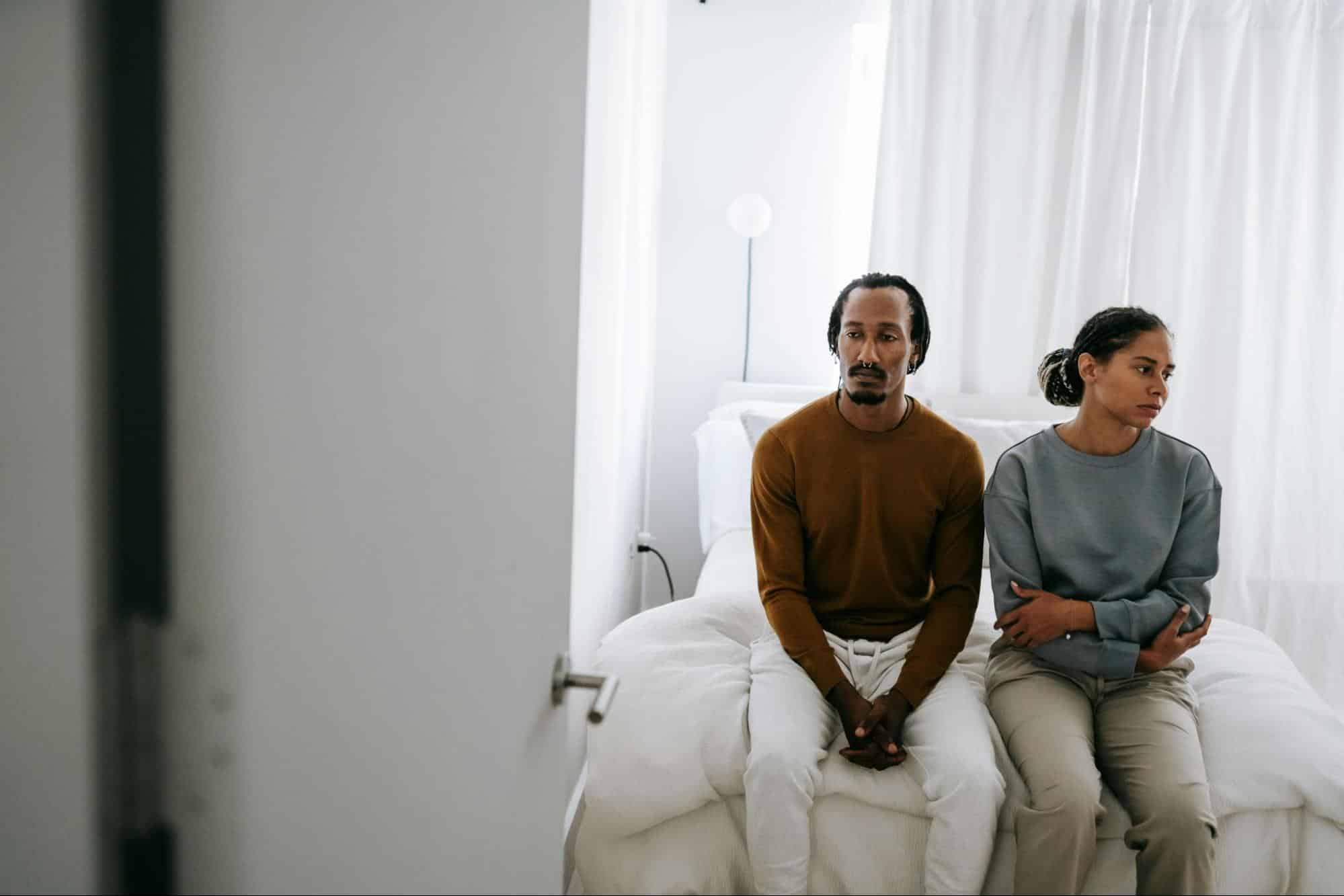
Expectations are not failures when they stop working. They are indicators that context has changed. Midlife requires adjustment, not self-criticism. Updating expectations restores alignment and reduces friction. Relationships improve when assumptions evolve. What once worked does not always belong in the present.








Ask Me Anything