
Most women do not wake up one day and randomly decide to leave. Detachment usually begins quietly, through small disappointments that never get repaired. At first, she tries harder, communicates more, and hopes things will shift. When effort keeps getting ignored, she starts protecting herself by feeling less. This is not always dramatic, but it is often consistent. Emotional distance becomes a survival strategy before it becomes a decision. These reasons explain why many women leave emotionally long before they leave physically.
Her Concerns Get Minimised Until She Stops Talking

When she shares a problem and it gets brushed off, she learns that speaking up does not help. If her feelings are treated like overreactions, she will eventually go quiet. Silence is not peace, it is withdrawal. She stops explaining because she feels unheard. The relationship becomes emotionally one-sided. Detachment often begins the moment her voice stops mattering.
Repair Never Happens, So Hope Slowly Dies
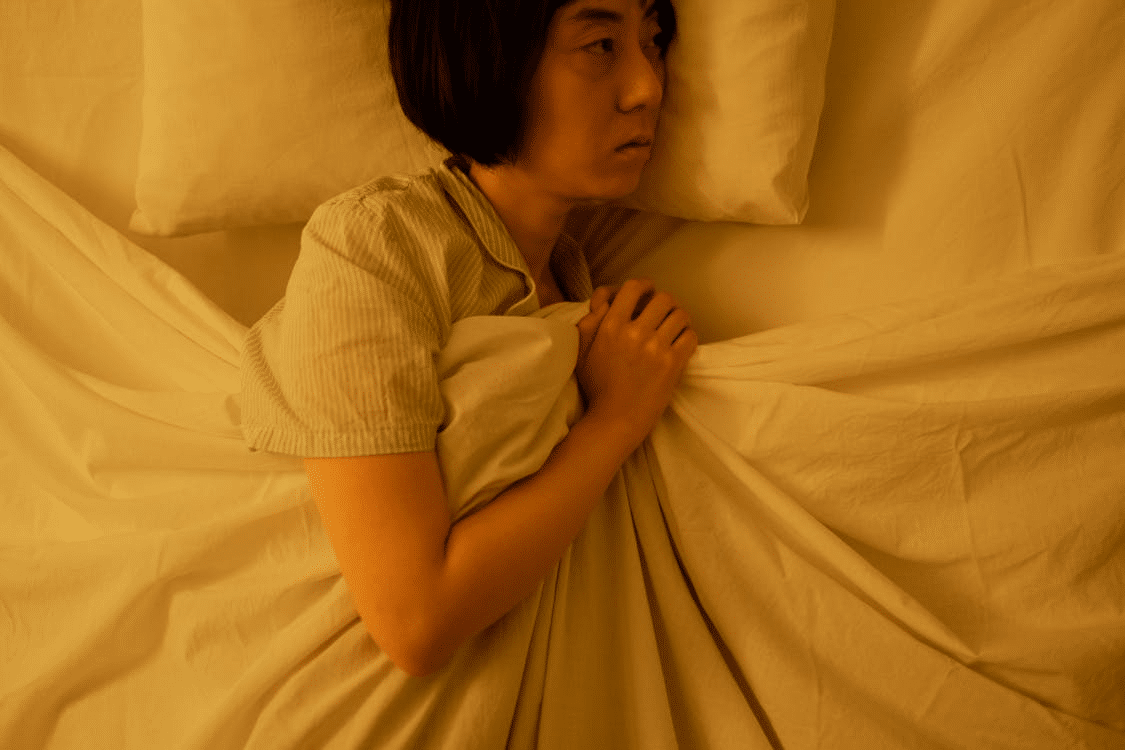
Conflict is not the issue, unrepaired conflict is. When apologies do not lead to changed behaviour, she stops believing in improvement. The same issue repeating is a message: nothing is being taken seriously. Over time, she stops expecting better. A woman can love someone and still lose hope in them. Detachment grows when hope becomes unrealistic.
She Feels Like a Convenience, Not a Priority

When effort only appears when it is easy, she feels like an option. If she is always the one adjusting, waiting, and compromising, it starts to feel unfair. Convenience love is not the same as intentional love. She notices who gets his best energy and who gets leftovers. That pattern creates quiet resentment. Detachment begins when she feels taken for granted.
Emotional Neglect Makes Her Feel Alone in the Relationship

A woman can be in a relationship and still feel emotionally lonely. If he is present physically but absent mentally, she starts feeling like a roommate. Small check-ins, warmth, and curiosity disappear, and she feels unseen. Emotional neglect is subtle because it is about what is missing. Over time, she stops trying to connect. Detachment becomes her way of reducing disappointment.
She Carries the “Relationship Management” Load Too Long

When she becomes the planner, reminder, and emotional organiser, attraction and patience both drop. Being the manager turns love into work. It also makes her feel like she is parenting, not partnering. She may keep doing it because she wants stability, but it burns her out. Eventually, she stops managing and starts stepping back. Detachment grows when she feels unsupported.
She Stops Feeling Emotionally Safe to Be Honest

If honesty leads to shutdown, sarcasm, anger, or punishment, she will stop sharing. She learns to protect herself by keeping things inside. Even if he does not intend harm, the impact is the same: she feels unsafe. Emotional safety is what makes intimacy possible. Without it, she becomes guarded. Detachment begins when honesty feels risky.
Small Disrespect Becomes Normal

Disrespect does not always look like shouting. It can look like eye-rolls, dismissive tone, constant teasing, or ignoring her boundaries. When those behaviours go unaddressed, they become the relationship culture. A woman cannot stay soft in a culture of disrespect. She starts hardening to protect her dignity. Detachment becomes self-respect. Love struggles when respect is missing.
“I’ll Do Better” Becomes a Loop Instead of a Change

Many women can forgive mistakes when they see effort. What breaks them is the cycle of promises without follow-through. Each repeated promise lowers her trust in his words. Eventually, “I’ll change” sounds like noise. She stops arguing because she expects the same outcome. That is when she starts detaching quietly. Consistency matters more than speeches.
She Stops Feeling Chosen in Daily Life

Being chosen is a daily feeling, not just a relationship status. When affection becomes rare and appreciation disappears, she feels like background. She notices when he does not pursue connection anymore. That absence creates emotional hunger. Over time, she stops craving him because it hurts to want what she cannot get. Detachment becomes emotional self-control. She starts choosing herself because she no longer feels chosen.
He Gets Defensive Instead of Curious

When she brings up issues and he treats it like an attack, she learns that conversations are battles. Defensiveness blocks repair and turns her into the enemy. She begins to feel like she cannot win. Over time, she stops explaining and starts observing. Observation is a step toward emotional exit. Detachment grows when curiosity is absent.
Physical Intimacy Becomes One-Sided or Emotionally Empty

Physical intimacy needs emotional connection to feel safe and wanted. If she feels pressured, ignored, or treated like a routine, desire drops. She may still participate out of obligation at first, then start avoiding it. Avoidance is often a symptom, not the root cause. When closeness feels like performance, she disconnects. Detachment grows when intimacy stops feeling mutual.
She Feels Like He Only Notices When She’s Upset

If he only responds when she is at a breaking point, she learns that calm communication does not work. She becomes tired of needing to “explode” to be taken seriously. That pattern is emotionally humiliating. Eventually, she stops escalating and starts withdrawing. Withdrawal is quieter than fighting, but more final. Detachment grows when she feels ignored unless she is in pain.
He Stops Dating Her, But Still Expects Her to Stay Warm

When romance disappears, she starts feeling emotionally starved. Small efforts like planning time together, thoughtful gestures, and flirting fade away. Yet he may still expect her to be affectionate and optimistic. That imbalance creates resentment. A woman cannot keep giving warmth into a cold environment. She eventually stops offering what is not valued. Detachment grows when effort is not reciprocated.
She Loses Respect, and Respect Is Hard to Rebuild

Respect drops when she sees repeated avoidance, irresponsibility, or weak follow-through. She starts feeling like she cannot rely on him. Even if she still cares, respect shifts how she feels attraction. Without respect, love becomes heavier. Many women stay longer than they should because they remember who he used to be. But the current pattern matters more than the past. Detachment grows when respect erodes.
She Starts Imagining Life Without Him and Feels Relief

This is one of the biggest signals. If imagining separation feels peaceful instead of scary, emotional detachment is already underway. Relief does not mean she never cared. It means the relationship became a stress source. When the idea of being alone feels lighter than staying, her nervous system has chosen safety. That shift is hard to reverse without real change. Detachment grows when relief replaces fear.
She Stops Seeking Comfort From Him

A woman who is attached turns to her partner when she is stressed. A woman who is detaching stops doing that. She shares less, handles more alone, and relies on friends or herself instead. This is not independence, it is emotional relocation. When she no longer reaches for him, connection fades fast. He may not notice because there is less conflict. But the bond is thinning. Detachment grows when he is no longer her safe place.
She Realises She Has Been Negotiating for Basics

When she feels like she has to beg for attention, kindness, or consistency, something breaks. Basics should not feel like a power struggle. The moment she sees the dynamic clearly, her desire to keep negotiating dies. She stops bargaining and starts accepting reality. Acceptance can look calm, but it is often the end. Detachment grows when she stops asking for what should have been normal.
The Quiet Signs He Often Misreads as “Things Are Better”

When she stops complaining, many men assume the problem is solved. Often, she stopped because she gave up. Less conflict can mean less hope, not more peace. She may become polite, distant, and easier to live with. That is not always forgiveness, it can be emotional closure. Another sign is when she improves herself without including him, new routines, new goals, new emotional boundaries. Detachment can look like calm, but it is often preparation.
Detachment Is Usually a Response to Repeated Disappointment

Women often detach long before leaving because detachment is how they survive unresolved pain. It starts with being unheard, unseen, and unsupported over time. The shift is gradual: from hope, to frustration, to silence, to emotional distance. The earlier the patterns are addressed with real change, the more recoverable the relationship is. Words matter, but behaviour is what restores safety. When she detaches, it is rarely sudden, it is the result of many small moments that finally added up.








Ask Me Anything