
You’re sitting across from her while she’s visibly struggling. Maybe it’s grief, work stress, a family crisis, or something she won’t even name. And instead of stepping in, you pull back. You freeze. You go quiet. It means something else is happening under the surface. You’re trying to survive it in your own way.
Fear of Overwhelm

You see the pain, you feel responsible, and suddenly you’re drowning in pressure. Many men are wired to “fix” rather than “feel,” so when the fix fails or seems impossible, shutting down becomes the easier option. Emotional overwhelm is one of the first triggers for withdrawal. You’re trying to protect yourself from losing control.
Fear of Losing Control

You built your identity on being reliable, strong, and in control. Now here’s someone you love visibly unravelling, and you feel powerless. Research shows many men respond to this by pulling away, because surrendering to vulnerability feels like handing over control. In relationships, that can feel like abandonment.
Emotional Illiteracy

When emotions get messy, you don’t know the language. One study pointed out that many men simply have fewer emotional words in their toolbox. When she’s in crisis and you don’t have the words, you go quiet because silence seems better than fumbling. This is lack of practice. But she doesn’t see that. She sees distance.
Fear of Vulnerability

You’ve been the safe rock for years. Suddenly showing fragility feels like losing your job. A man who shows his cracks risks being seen as weak, and you’re not here for that. Psychologists call this the vulnerability hangover where you open up once, things spiral, next thing you know, you’re shut down again.
Stress Spill-Over

Work, money, children, aging bodies, and anything manageable on its own becomes crushing when combined with her struggle. Job loss or extreme job pressure leads to emotional withdrawal. Your brain switches to survival mode: compartmentalize, detach, retreat. Her issue becomes “one more thing” rather than “our thing.”
Avoidant Attachment Style

Maybe you weren’t born into this dynamic, maybe you’ve grown into it. If your default reaction to distress is to create distance, you might be stamped with avoidant attachment. When she seeks closeness in crisis, you instinctively push away. You’re just responding to patterns you didn’t choose. But she reads it as rejection, and the cycle spins.
Over-functioning vs. Feeling Stuck

You’re the fixer, not the feeler. When someone you love suffers, you want tools, solutions, and results. But with emotional pain, there often are none. That disconnect between what you think you should do and what you can do leads to collapse. That’s when you check out because nothing you do seems to register.
Fear of Being Blamed

When she’s hurting, blame might not be on your radar, but it’s there. “Why didn’t you notice sooner?” “Why aren’t you doing more?” You can feel it coming. So you shut down to avoid defensiveness, avoid guilt and battle. Defensiveness and silent treatment often go hand in hand. But your silence becomes the “why” she blames you for anyway.
Silent Resentment Builds

You feel unseen. You help. You support. Yet you’re still stuck in “provider mode” while she wants “partner mode.” When your efforts don’t get acknowledged, when you feel more like an employee than a lover, you pull back. The lack of appreciation is a top cause. You’re frustrated. But the result looks the same.
Fear of Emotional Ambushes

Suddenly, she wants to “talk,” and you weren’t ready. “We need to talk” drops like a bomb. Experts call it an emotional ambush. You don’t have time to prep, and your instinctive reaction is retreat. You go quiet because you’re trying to avoid the hurt that comes from not knowing what to say.
Feeling Powerless

You’ve been the leader and decision-maker. Now she’s in crisis, and you feel sidelined. You don’t know the script. You don’t feel useful. So you check out. Men shut down when they feel powerless or controlled. The irony is that the more you withdraw, the less useful you become.
Protecting from Pain

You remember times when emotional closeness backfired. A past fight, rejection, or failure. So now, when you see the setup for pain, you preempt it by shutting off. “Better safe than hurt again” becomes your motto. But, she interprets your defense as abandonment.
Fear of Being “Too Much”

When she’s struggling, you want to step in. But you also fear stepping in too much. You worry about burdening her, being the “solution guy,” taking over. So you step back instead. She needs you, but not as a fixer.
Lack of Emotional Scaffolding

You haven’t had a mentor in emotional life, and no manual came with the job. So when the structure collapses, you don’t know how to rebuild. You learn to cope by withdrawal. Men often shut down because they never learned how to express or process their feelings. This isn’t your fault, but it is your responsibility if you want change.
Fear of Intimacy

She’s hurting and wants closeness, but closeness means vulnerability. For you, vulnerability still rings loud alarms. The closer you go, the more you risk looking weak. So you stop. The pattern happens fast: she reaches out, you pull in. It’s survival. But it doesn’t feel that way to her.
Emotional Exhaustion
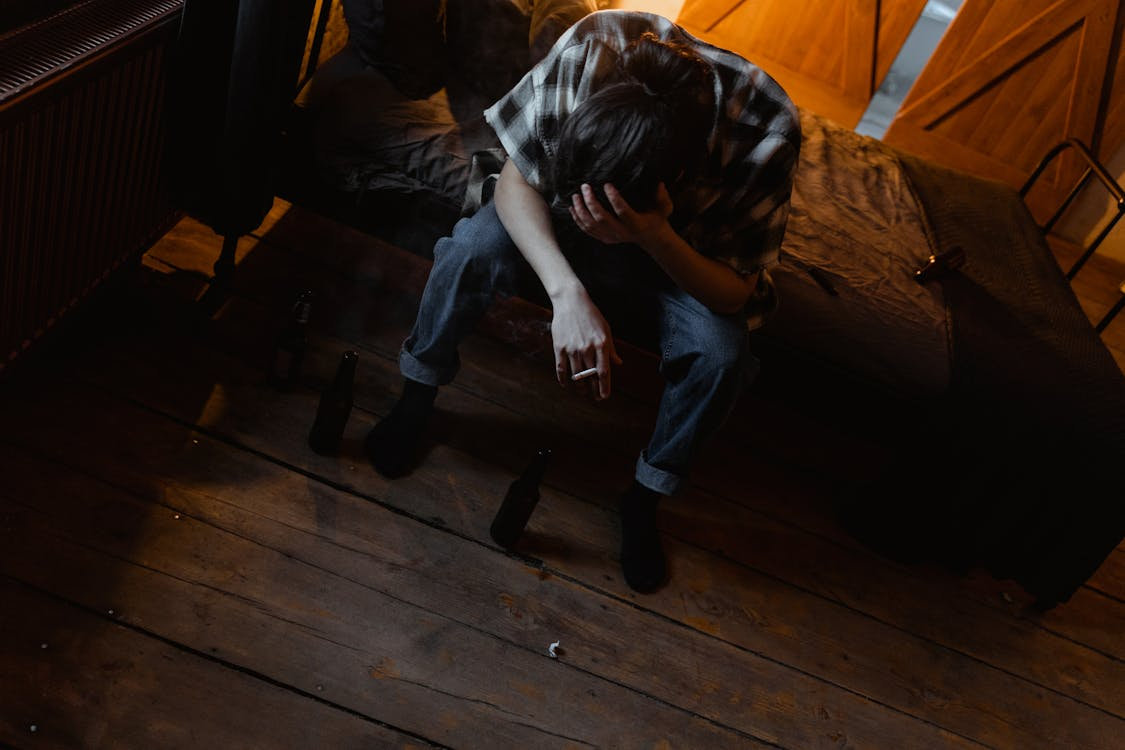
At this stage of life, you’ve done the work: job, kids, maybe divorce, maybe rebuild. The well is low. When she struggles, you might simply be too drained to stay emotionally present. Emotional withdrawal often follows chronic stress or burnout. So, you shut down because you’re already running on empty.
Unspoken Shame

Maybe you’re ashamed you didn’t see her struggle sooner. Maybe you’re ashamed you can’t fix it. Maybe you’re ashamed that you don’t know what to say. Shame piles up. It locks up your throat. You go quiet to avoid making yourself feel smaller. Ironically, the more you shut down, the more shame you add. It becomes a vicious loop.








Ask Me Anything