
Most people think their relationship problems are about communication, timing, or “choosing the wrong person.” But often, the real driver is something far quieter and far older: your attachment style. Formed early in life and reinforced through experience, it influences how you handle conflict, closeness, independence, and even texting habits.
The good news? Attachment styles aren’t life sentences. Once you understand the patterns, you can stop reacting on autopilot and start responding with intention. Here are 17 truths that might completely change how you see your love life.
Your Attachment Style Explains Why You React So Strongly To Small Things

If you’ve ever felt disproportionately upset because someone didn’t text back quickly or seemed distant for a day, that’s not you being “dramatic.” It’s your attachment system getting activated. Anxious attachers tend to interpret small changes as signs of rejection, while avoidant attachers may feel suffocated by minor increases in closeness. The key is to pause and name what’s happening: “I’m feeling triggered, not abandoned.” That moment of awareness interrupts the spiral. Instead of firing off a reactive message, try grounding yourself first—go for a walk, delay your response, or ask directly for reassurance rather than hinting at it.
Secure Attachment Isn’t About Being Perfect

People with secure attachment don’t avoid conflict or negative emotions. They just don’t see them as catastrophic. They assume problems can be worked through, not that they signal the end. If you didn’t grow up secure, this might feel foreign—but you can learn it. Start by practicing small acts of relational courage: express a need calmly, tolerate a delayed reply without assuming the worst, or apologize without overexplaining. Security is built through repeated experiences of surviving discomfort without losing connection.
Anxious Attachment Is Rooted In Hypervigilance, Not Weakness

Anxious attachers are often deeply attuned to emotional shifts, which can actually be a strength. The problem is that hyper-awareness can turn into hyper-interpretation. You might read into tone changes, facial expressions, or texting patterns and create a story before confirming facts. Instead of suppressing your sensitivity, channel it productively: ask clarifying questions. Replace “You seem distant” with “Is everything okay between us?” The goal isn’t to stop feeling deeply—it’s to stop assuming silently.
Avoidant Attachment Often Hides A Fear Of Losing Independence

Avoidant individuals aren’t heartless; they’re protective. Intimacy can feel like a threat to autonomy, so they instinctively pull back when things get too close. If this is you, notice when you start mentally cataloging a partner’s flaws right after a vulnerable moment—that’s deactivation. Try staying present instead of withdrawing. Send the text. Have the conversation. Let discomfort exist without escaping it. Emotional closeness doesn’t erase independence; it redefines it.
The Anxious-Avoidant Dynamic Feels Intense For A Reason

This pairing creates a push-pull cycle that can feel electric and exhausting at the same time. One pursues, the other distances, and both feel misunderstood. The anxious partner seeks reassurance; the avoidant partner seeks space. The breakthrough happens when both name the pattern out loud. “When I pull away, I’m trying to regulate.” “When I reach for you, I’m trying to feel safe.” Once you frame it as a cycle instead of a character flaw, you can disrupt it together.
Attachment Styles Show Up In Texting Habits

Yes, even your messaging patterns are influenced by attachment. Anxious attachers may double-text or overanalyze response times. Avoidant attachers may delay replies to create emotional distance. Instead of judging these behaviors, get curious about them. Before hitting send, ask: “Am I texting to connect, or to calm my anxiety?” That one question can shift your communication from reactive to intentional.
Conflict Activates Your Attachment System The Fastest

Arguments are attachment landmines because they threaten connection. Anxious types may escalate to get reassurance, while avoidant types may shut down to regain control. If you know this about yourself, plan ahead. Agree on a “cool-off” phrase or a structured pause during conflict. The goal isn’t to avoid disagreements; it’s to make sure they don’t trigger abandonment panic or emotional shutdown.
Your Childhood Is The Blueprint, Not The Verdict

Early caregiving experiences often shape attachment patterns, but they don’t lock you into a permanent identity. Many people develop earned secure attachment later in life through healthy relationships, therapy, or deep self-work. Reflect on what messages you absorbed growing up about emotions and closeness. Then consciously choose which ones you want to keep. Awareness is the first rewrite.
You Can Have Different Attachment Behaviors In Different Relationships

Attachment isn’t always fixed across contexts. You might feel secure with friends but anxious in romantic relationships. Or avoidant with partners but clingy with emotionally unavailable people. Patterns depend on how safe you feel. Pay attention to who brings out which version of you. That information is data, not destiny—it tells you where growth or boundaries are needed.
Healing Attachment Wounds Requires Discomfort

Growth doesn’t feel calm at first. If you’re anxious, healing might mean tolerating uncertainty without seeking constant reassurance. If you’re avoidant, it might mean staying emotionally present when you want to disappear. Discomfort is often a sign you’re doing something new. Instead of retreating, stay with the feeling a little longer each time. That’s how your nervous system learns that closeness is survivable.
Emotional Regulation Is The Secret Skill No One Talks About

Attachment triggers are intense because they hit the nervous system. Learning to regulate yourself—through breathing exercises, journaling, or somatic techniques—reduces impulsive reactions. When you can calm your body, you make clearer relational decisions. Practice slowing down before responding during emotional spikes. Regulation first, communication second.
Secure Partners Feel “Boring” If You’re Used To Chaos

If you’ve been conditioned to equate intensity with passion, a stable partner might initially seem underwhelming. That’s because your nervous system is accustomed to drama. Give steadiness a chance. Notice how you feel after spending time with someone: calm or drained? Long-term compatibility often feels safe, not explosive. Stability is not the absence of chemistry; it’s the foundation for it.
Boundaries Strengthen Attachment, Not Weaken It

Many people fear that setting boundaries will push someone away. In reality, healthy limits create trust. When you communicate needs clearly—whether about time, space, or communication—you reduce guesswork. Secure attachment thrives on clarity. Instead of hinting or hoping someone reads your mind, practice direct statements like, “I need a little time to think, but I care about this.”
Self-Worth And Attachment Are Closely Linked

Anxious attachment often amplifies fears of not being enough, while avoidant attachment can mask vulnerability with self-sufficiency. Strengthening your self-esteem outside the relationship reduces pressure inside it. Invest in friendships, hobbies, and personal goals. The more complete you feel independently, the less you’ll rely on your partner to regulate your identity.
Triggers Are Opportunities In Disguise

Every time you feel activated, you’re being shown where healing is needed. Instead of labeling yourself as “too much” or “emotionally unavailable,” treat triggers as information. Ask, “What story am I telling myself right now?” Then challenge it gently. Awareness turns emotional reactions into growth points.
Communication Styles Reflect Attachment Patterns

Anxious types may over-explain to secure reassurance, while avoidant types may under-communicate to maintain distance. Strive for balanced transparency. Say what you feel without flooding the conversation. If you tend to withdraw, share one more sentence than feels comfortable. If you tend to overshare, practice brevity and trust that it’s enough.
You Can Move Toward Secure Attachment At Any Age
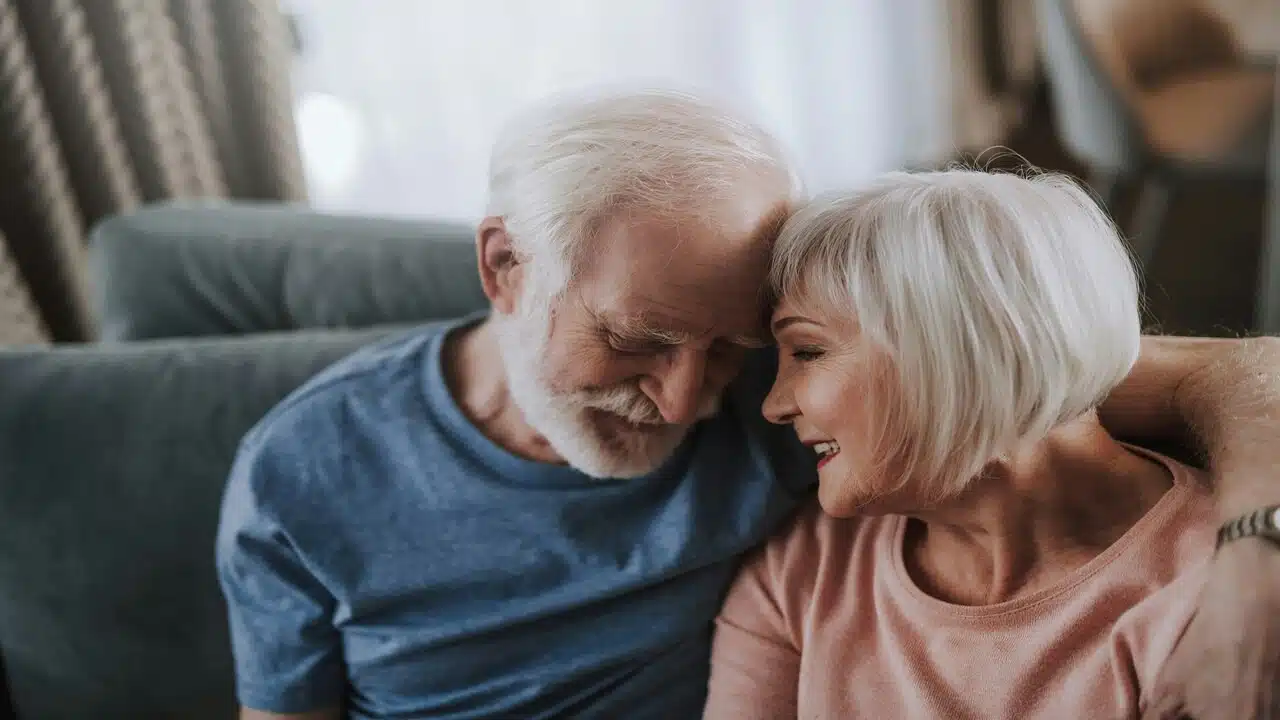
The most empowering truth is that attachment styles are adaptable. Through intentional relationships, therapy, self-reflection, and conscious behavioral shifts, you can develop more secure patterns over time. Start small: respond instead of react, ask instead of assume, stay instead of flee. Change doesn’t happen overnight, but consistent micro-shifts compound. And over time, they transform not just your relationships—but how you experience love itself.








Ask Me Anything