
Happy long marriages don’t happen by accident—and they’re not held together by grand gestures or constant romance. More often, they’re built on quiet emotional patterns that develop over years of shared life. Women who feel fulfilled in long-term marriages tend to think, respond, and regulate themselves in specific ways, especially during stress, conflict, and change.
These patterns aren’t about being “easygoing” or self-sacrificing; they’re about emotional maturity, self-respect, and realistic expectations. The good news? Most of these habits can be learned, practiced, and strengthened over time—no personality overhaul required.
They Regulate Their Emotions Before Responding

Happy women in long marriages don’t pretend they never feel angry, hurt, or disappointed—they just don’t let those emotions run the conversation. They pause before reacting, especially during conflict, giving themselves time to cool down and think clearly. This prevents small issues from turning into emotional explosions that damage trust. Practically, this looks like taking a walk, sleeping on a problem, or saying, “I need a minute before we talk about this.” Emotional regulation keeps disagreements productive instead of destructive. Over time, it builds a sense of safety in the relationship.
They Separate Their Partner’s Behavior From Their Self-Worth

One powerful emotional pattern is not internalizing everything their spouse does. If their partner is distracted, stressed, or short-tempered, they don’t immediately assume it means rejection or failure on their part. This emotional boundary prevents resentment and insecurity from piling up. Instead of thinking, “What’s wrong with me?” they ask, “What’s going on here?” Practically, this means resisting the urge to personalize moods and learning to ask clarifying questions. That emotional independence creates resilience in the marriage.
They Speak Needs Clearly Instead of Expecting Mind-Reading

Happy women in long marriages don’t rely on hints, silence, or emotional tests. They’ve learned that clarity is kinder than hoping their partner “just knows.” They say what they need—rest, help, affection, reassurance—without framing it as criticism. This reduces chronic disappointment and passive-aggressive cycles. A simple “I need more support this week” goes much further than resentment. Clear communication becomes a form of emotional self-respect.
They Accept That Love Looks Different Over Time

Rather than chasing the emotional highs of early romance, these women embrace how love evolves. They understand that long-term intimacy often looks like companionship, teamwork, and mutual care. This emotional flexibility prevents panic when passion ebbs temporarily. Instead of assuming something is wrong, they adjust expectations to the season of life they’re in. Practically, they find meaning in shared routines and small rituals. This mindset keeps the marriage grounded and stable.
They Don’t Keep Score During Conflict

One common emotional trap in unhappy marriages is mental scorekeeping—who did more, who hurt who last, who owes whom. Happy women let go of this habit because it poisons goodwill. They address issues as they arise instead of stockpiling grievances. When conflict happens, they focus on resolution, not winning. This doesn’t mean tolerating bad behavior; it means choosing repair over revenge. Letting go of the scoreboard keeps resentment from becoming permanent.
They Allow Their Partner to Be Imperfect

Women who thrive in long marriages don’t expect their spouse to meet every emotional need perfectly. They recognize limitations without turning them into character flaws. This emotional realism reduces chronic frustration and disappointment. Instead of trying to “fix” their partner, they decide what they can accept and what truly needs addressing. Practically, this means choosing battles wisely. Acceptance, when done thoughtfully, creates emotional peace.
They Take Responsibility for Their Own Happiness

Rather than outsourcing their emotional fulfillment, these women cultivate interests, friendships, and personal goals. They don’t expect their marriage to be the sole source of joy or identity. This emotional self-sufficiency prevents pressure from suffocating the relationship. When they feel fulfilled individually, they show up as better partners. Practically, they protect time for hobbies and social connections. A full life strengthens, not weakens, the marriage.
They Repair Quickly After Emotional Ruptures

Conflict is inevitable, but lingering emotional distance is optional. Happy women prioritize repair—apologies, reassurance, and reconnection—after disagreements. They don’t let pride delay healing. A simple acknowledgment like “I didn’t handle that well” goes a long way. This habit rebuilds trust repeatedly over the years. Emotional repair becomes more important than being right.
They Stay Curious Instead of Defensive

When issues arise, these women lean into curiosity rather than immediately defending themselves. They ask questions to understand their partner’s perspective instead of preparing counterarguments. This emotional openness defuses tension and invites honesty. Practically, they listen without interrupting and reflect back what they hear. Curiosity keeps conversations from turning into emotional standoffs. It signals respect and maturity.
They Manage Stress Without Dumping It on the Marriage

Life stress doesn’t disappear in long marriages, but happy women are mindful about how they carry it home. They recognize when work, family, or health pressures are influencing their mood. Instead of lashing out, they communicate stress directly or use healthy outlets. This emotional awareness prevents misdirected conflict. Simple habits like decompression time or journaling help. Managing stress protects the relationship from unnecessary strain.
They Express Appreciation Even During Routine Seasons

Gratitude doesn’t disappear once life becomes predictable. These women continue to acknowledge effort, consistency, and reliability. They say thank you for things that could easily go unnoticed. This emotional pattern keeps goodwill alive, especially during busy or monotonous phases. Appreciation softens resentment before it forms. Over time, it reinforces emotional closeness.
They Don’t Use Withdrawal as Punishment
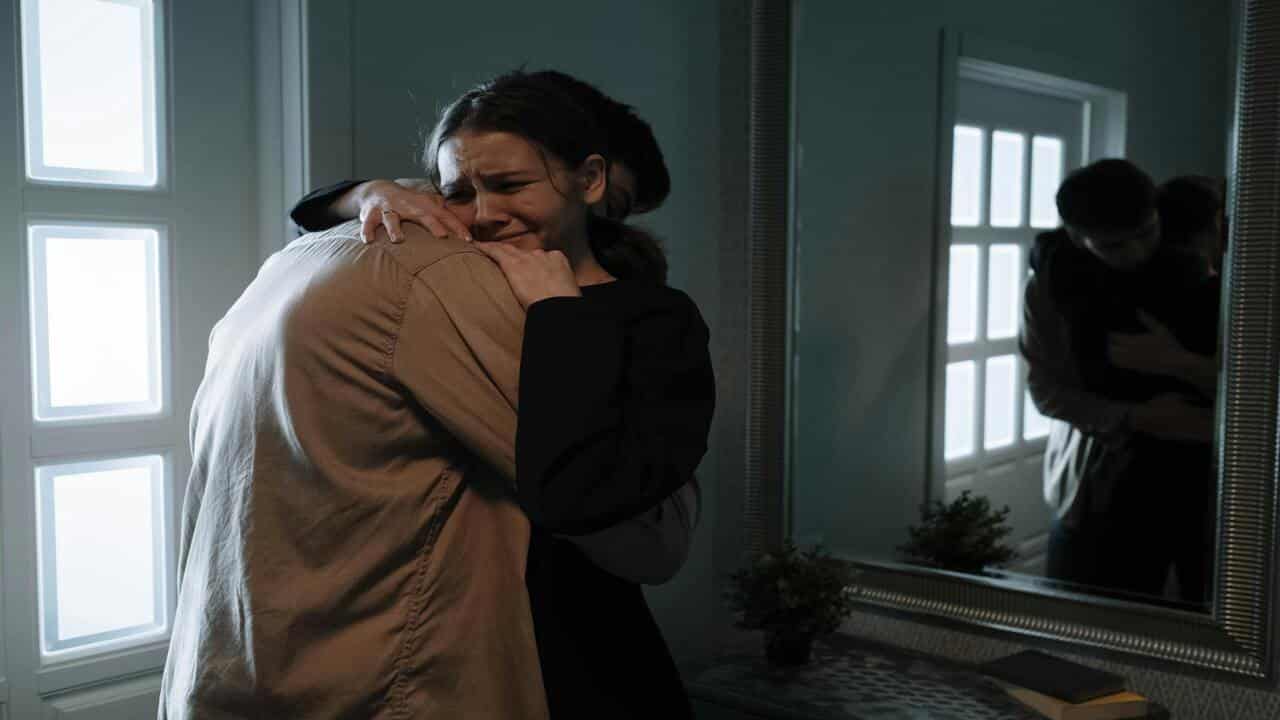
Silent treatment and emotional shutdown may feel protective, but happy women avoid using them as weapons. They understand that withdrawal creates fear and distance rather than resolution. When they need space, they communicate it clearly and return to the conversation later. This keeps emotional safety intact. Healthy pauses replace unhealthy avoidance. Connection remains the goal.
They Trust the Relationship Enough to Be Honest

Emotional honesty requires security, and these women build it intentionally. They share concerns early instead of bottling them up. This prevents small issues from turning into long-term resentment. They trust that their marriage can handle discomfort. Practically, they choose calm moments for serious conversations. Honesty becomes a form of care, not conflict.
They Maintain a Sense of Humor About Life Together

Happy long marriages aren’t serious all the time. These women laugh at themselves, their partner, and the absurdity of daily life. Humor helps them emotionally reframe challenges and minor annoyances. It keeps perspective intact when things feel heavy. Practically, they don’t turn every issue into a moral failing. Laughter becomes emotional glue.
They Respect Emotional Boundaries—Theirs and Their Partner’s

These women know where they end, and their partner begins. They don’t overmanage emotions that aren’t theirs to fix. Respecting boundaries prevents emotional burnout and resentment. They allow space for individuality without interpreting it as rejection. Practically, they avoid over-involvement in every mood shift. Boundaries keep the relationship balanced.
They Adapt Emotionally to Life’s Transitions

Long marriages move through seasons—parenthood, career changes, aging, loss. Happy women adjust emotionally instead of clinging to old dynamics. They reassess needs, roles, and expectations as life evolves. This flexibility prevents stagnation and resentment. Practically, they revisit conversations about support and priorities. Adaptation keeps the marriage relevant and supportive.
They Choose the Relationship Daily, Not Emotionally
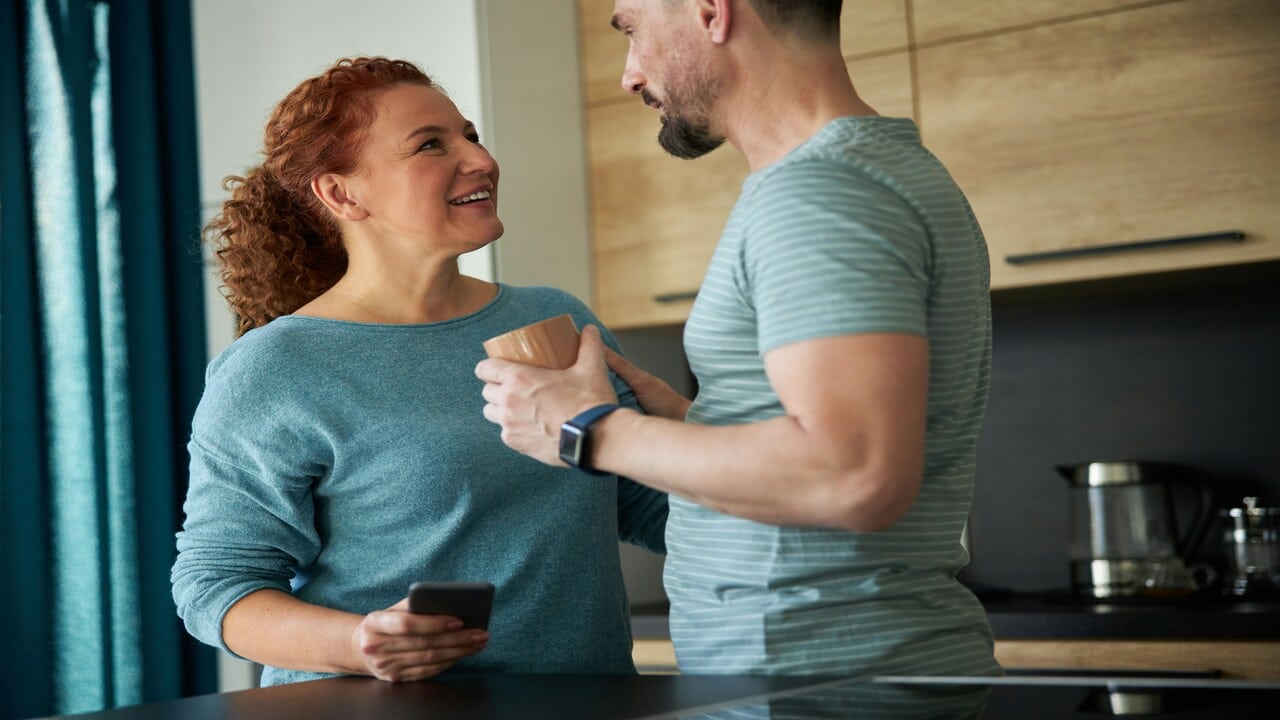
Finally, happy women understand that commitment isn’t a feeling—it’s a practice. On days when emotions dip, they lean on values, habits, and shared history. They don’t panic when love feels quieter. Instead, they continue showing up with consistency and care. This steady emotional choice builds long-term security. Over time, commitment itself becomes a source of happiness.








Ask Me Anything