
Most relationships don’t fall apart in one dramatic moment—they unravel slowly through patterns no one names. Emotional blind spots are the habits and assumptions you carry without realizing how much damage they’re doing. You think you’re being reasonable. You think you’re reacting normally.
But love doesn’t suffer because of what’s obvious; it suffers because of what goes unchecked. The couples who last aren’t flawless—they’re self-aware enough to examine their part in the dynamic. If you want something strong and lasting, you have to be willing to look in the mirror, not just across the table.
Assuming Your Intentions Matter More Than Their Impact

You may not have meant to hurt them, but impact always outweighs intention in relationships. When you rush to explain what you “really meant,” you accidentally dismiss their experience and make them feel small for reacting. Emotional maturity means caring more about how your behavior landed than about defending your character. Instead of saying, “That’s not what I meant,” try, “I didn’t realize that hurt you—help me understand.” That shift alone can transform conflict into connection.
Believing Love Should Feel Effortless All the Time

Romantic movies sold us the idea that if it’s right, it’s easy—but real love includes stress, routine, and unglamorous days. When you interpret normal friction as a red flag, you start sabotaging stability in search of constant sparks. Long-term connection requires effort, recalibration, and sometimes uncomfortable growth conversations. Instead of chasing intensity, evaluate consistency: Are you respected? Do you feel safe? Are you building something meaningful? Sustainable love is rarely loud, but it’s steady.
Confusing Emotional Intensity With Compatibility

Butterflies and dramatic chemistry can feel intoxicating, but intensity isn’t the same as alignment. Emotional rollercoasters often create strong bonds because unpredictability triggers attachment, not because you’re actually compatible. Real compatibility shows up in how you solve problems, handle stress, and align on values—not in how explosive your attraction feels. Before committing deeper, pay attention to how conflict unfolds between you. Do you resolve issues with clarity, or do you spiral and reconcile repeatedly? That answer matters more than sparks.
Avoiding Difficult Conversations to “Keep the Peace”

Silence might feel like maturity, but unresolved tension doesn’t disappear—it festers. When you avoid hard conversations, resentment builds quietly until it leaks out through sarcasm, emotional withdrawal, or sudden blowups. Keeping the peace often means sacrificing honesty, and that’s a dangerous trade. Healthy couples address issues early and calmly instead of letting them accumulate. If something bothers you, bring it up respectfully and specifically; short-term discomfort prevents long-term damage.
Expecting Your Partner to Read Your Mind

Unspoken expectations are one of the most common relationship traps. You feel unseen or unappreciated, but you haven’t clearly communicated what you actually need. Instead of asking directly, you hint, withdraw, or test them—and then feel hurt when they fail. Clear requests create clarity, not weakness. Saying, “I’d really appreciate more verbal affirmation,” is far more productive than hoping they magically decode your silence.
Measuring Love by How Similar You Are

It’s comforting to bond over similarities, but shared taste doesn’t guarantee shared values. When differences show up—communication styles, hobbies, emotional processing—you might interpret them as incompatibility rather than diversity. Mature love isn’t about cloning each other; it’s about respecting differences while staying aligned on what truly matters. Ask yourself whether the disagreement is about core values or just personality contrast. Respect makes room for individuality without threatening connection.
Keeping Score Instead of Building a Team

When relationships become transactional, intimacy erodes. If you’re mentally tracking who did more chores, who initiated last, or who sacrificed more, you’re operating like opponents instead of teammates. Love doesn’t work on daily 50/50 math—it fluctuates depending on capacity and circumstance. Some weeks you’ll carry more; other weeks they will. What matters is shared effort and goodwill, not perfect balance sheets.
Interpreting Feedback as Rejection

If every piece of feedback feels like criticism of your entire character, growth becomes impossible. Partners should be able to say, “This hurt me,” without triggering defensiveness or shutdown. Emotional security allows you to separate behavior from identity—you can have made a mistake without being a bad partner. Instead of reacting immediately, pause and ask what adjustment would improve things. Viewing feedback as collaboration rather than attack keeps intimacy alive.
Thinking Apologies Are Weakness

Some people equate apologizing with losing power, so they deflect, minimize, or wait for the other person to move on. But unresolved hurt quietly accumulates, and pride becomes more important than repair. A genuine apology doesn’t weaken you—it strengthens trust because it shows accountability. The most effective apologies acknowledge the harm, validate feelings, and include changed behavior. Without that, “sorry” is just a word.
Letting Stress Leak Onto Your Partner

Work frustration, financial anxiety, and family tension don’t disappear at the door—but unmanaged stress can turn your partner into an emotional punching bag. When you’re overwhelmed and reactive, even neutral comments feel like threats. Emotional regulation is your responsibility, not theirs. Take time to decompress before engaging, and communicate what you’re feeling instead of projecting it. Saying, “I’m stressed and might be short today,” creates understanding instead of confusion.
Mistaking Independence for Emotional Distance

Self-sufficiency is admirable, but emotional walls aren’t the same as strength. If you pride yourself on not needing anyone, you may also be avoiding vulnerability and deeper intimacy. Healthy relationships require interdependence—two capable individuals who still choose to lean on each other. Sharing fears, doubts, and insecurities builds closeness that logistics never will. Independence should enhance connection, not replace it.
Over-Functioning While They Under-Function

When one partner becomes the planner, fixer, and emotional manager, imbalance creeps in quietly. At first it feels responsible; eventually it feels exhausting and resentful. Over-functioning often enables the other person to disengage because everything is handled anyway. If you’re doing it all, step back and allow space for shared responsibility—even if things aren’t done your way. Equality sometimes requires tolerating imperfection.
Expecting Them to Heal Wounds They Didn’t Create

Past betrayals, abandonment, or family trauma can shape how you show up—but it’s unfair to make your current partner pay for someone else’s mistakes. If you constantly need reassurance or interpret neutral behavior as threat, the relationship becomes a proving ground. Personal healing requires self-reflection, support systems, or therapy—not endless testing. Your partner can support growth, but they can’t substitute for your inner work.
Taking Emotional Safety for Granted

When the relationship feels stable, effort often declines. Compliments become rare, appreciation goes unspoken, and connection becomes assumed. But emotional safety isn’t permanent—it’s maintained through consistent affirmation and kindness. Small gestures of gratitude reinforce security and belonging. Regularly expressing what you value about your partner prevents complacency from quietly eroding intimacy.
Confusing Control With Care

Jealousy framed as protection and monitoring disguised as concern are still forms of control. When anxiety drives you to restrict your partner’s autonomy, trust weakens instead of strengthening. Healthy love allows freedom while maintaining commitment. If insecurity fuels your behavior, address the root fear rather than tightening your grip. Love thrives on trust, not surveillance.
Avoiding Self-Reflection After Conflict
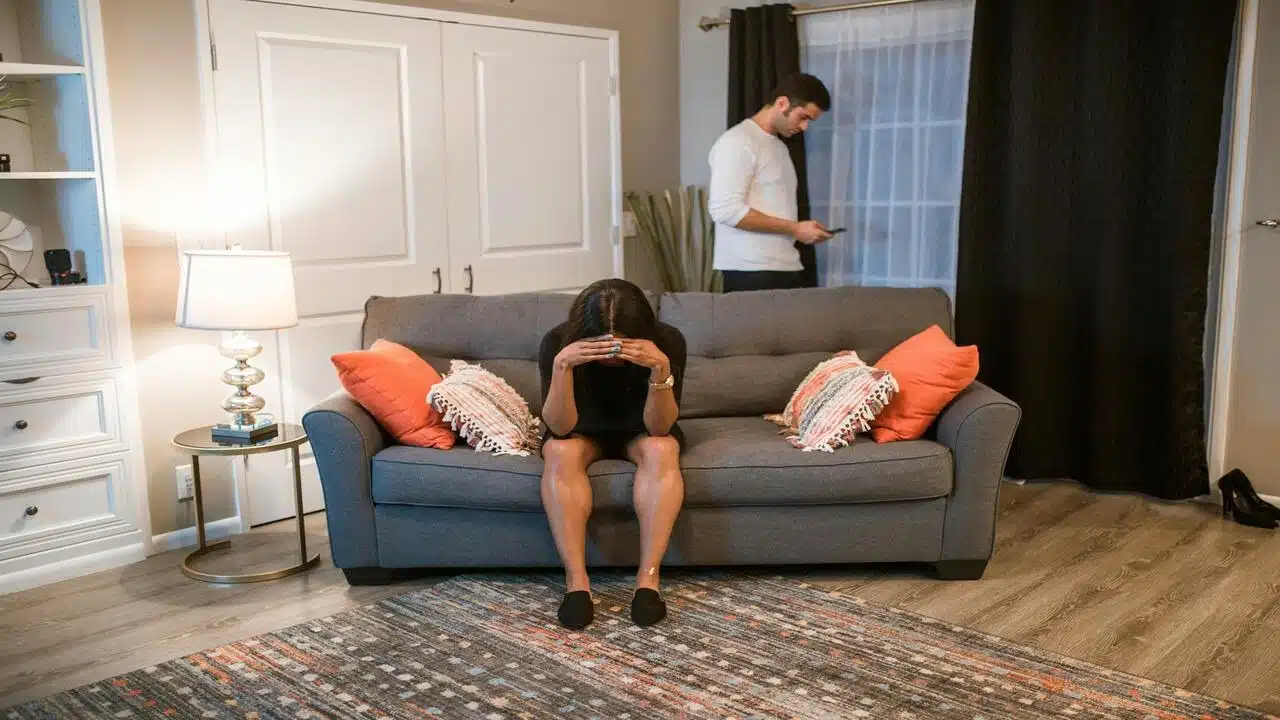
After arguments, it’s easy to catalog what they did wrong and ignore your contribution. But relationships improve when at least one person chooses self-examination. Reviewing your tone, timing, and triggers can reveal patterns you didn’t notice before. Even admitting, “I escalated that,” shifts the dynamic from blame to accountability. Growth begins where defensiveness ends.
Believing “This Is Just How I Am”

Using personality as a shield against growth keeps relationships stagnant. While temperament may be stable, communication skills, empathy, and emotional regulation are learned behaviors. If multiple partners have pointed out the same issue, it’s not coincidence—it’s feedback. The willingness to evolve is one of the most attractive qualities in a long-term partner. When both people stay open to growth, blind spots shrink and connection deepens.








Ask Me Anything