
Most men and women want the same big things: trust, safety, loyalty, and real connection. The difference is often how those needs are expressed and what makes someone feel loved day to day. Some people feel loved through words; others through reliability, touch, or practical care. Gender can influence tendencies because of social conditioning, but individuals still vary widely. That is why these differences should be used as clues, not rules. The goal is not to stereotype. The goal is to reduce misunderstanding. When partners understand each other’s “receiving language,” love lands better. These differences highlight common patterns that can improve communication and closeness.
Emotional Safety vs. Respect: Two Needs That Often Lead the Relationship

In many relationships, one partner prioritizes emotional safety while the other prioritizes respect. Both needs matter and both are forms of security. Emotional safety often means being heard, validated, and treated gently. Respect often means being trusted, valued, and not belittled. When these two needs clash, couples misread each other constantly. One partner thinks the other is cold; the other thinks the partner is critical. The fix is not choosing one need over the other. The fix is learning to give both. These differences show how that pattern often plays out.
Women Often Need Emotional Attunement to Feel Loved

Many women feel loved when emotions are noticed and taken seriously. They often want to listen before solutions. Validation can matter more than immediate fixing. When a partner names feelings accurately, it builds safety quickly. Ignoring emotional cues can feel like indifference, even when love exists. Emotional attunement also includes remembering small details and following up later. That follow-up signals care and attention. For many women, love feels strongest when emotional presence is consistent.
Men Often Need Respectful Tone to Stay Open

Many men feel loved when they feel respected in tone and delivery. Even correct feedback can feel unbearable if it comes with contempt, sarcasm, or humiliation. Respectful tone helps men stay emotionally present instead of shutting down. Men often respond better to direct requests than to criticism. They may also equate respect with being trusted and not constantly doubted. When a man feels respected, he usually becomes more generous and engaged. When he feels belittled, he often becomes defensive or withdrawn. Tone can decide whether connection grows or collapses.
Women Often Need Closeness to Want More Intimacy

For many women, emotional closeness is the doorway to physical desire. When connection feels low, intimacy can feel like pressure. Closeness often includes conversation, affection, and feeling valued. When a partner is emotionally distant, desire may drop even if attraction is present. This does not mean women do not want physical intimacy; it means many want emotional safety first. Small daily warmth can keep intimacy alive long-term. Without it, sex can become mechanical or avoided. Feeling emotionally chosen often makes physical closeness easier. Intimacy is often a response to connection, not a substitute for it.
Men Often Need Physical Affection to Feel Connected
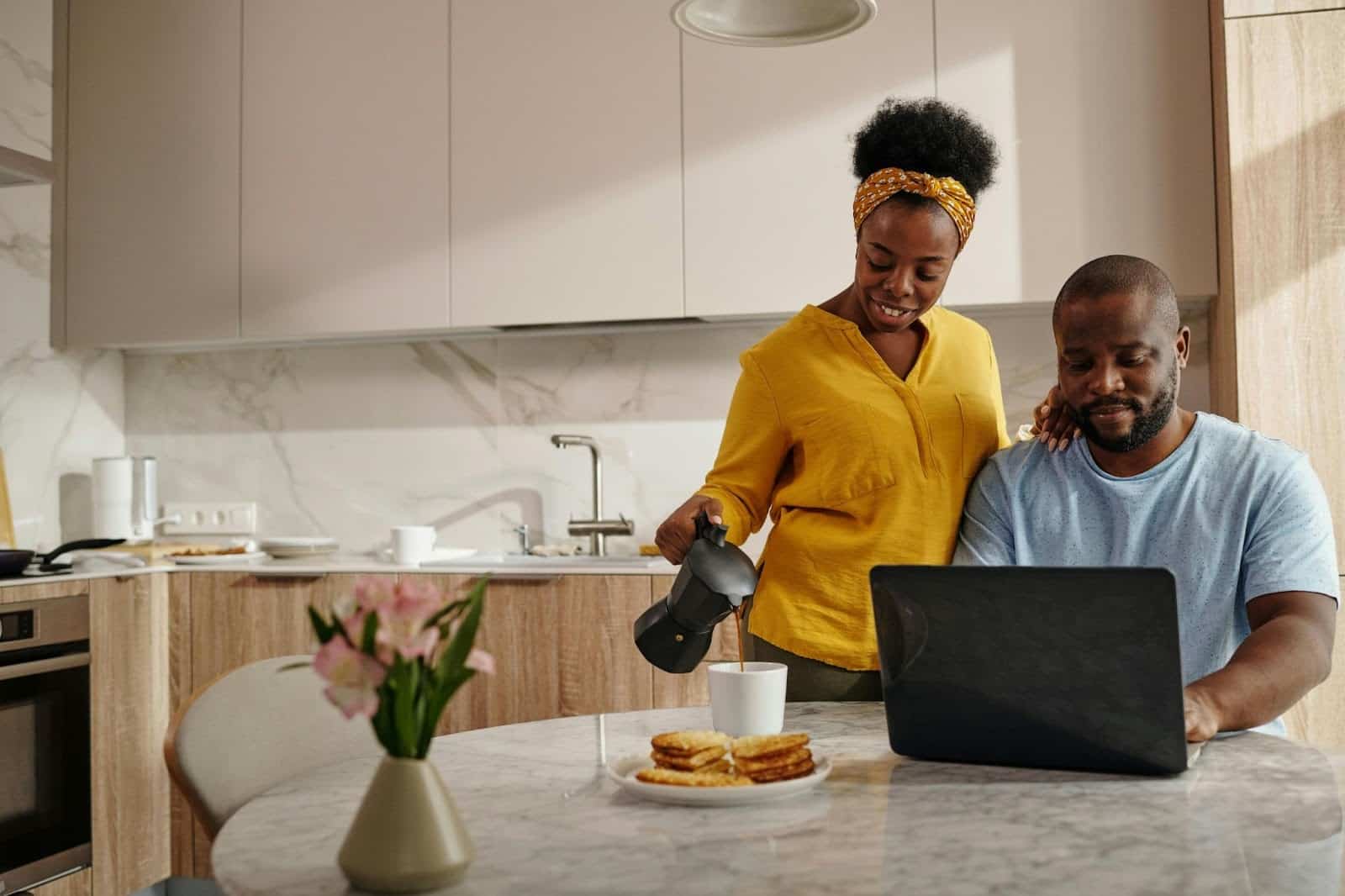
Many men feel bonded through physical affection more than through long conversation. Touch can feel like acceptance, reassurance, and closeness. When physical affection disappears, many men interpret it as rejection. That can lead to emotional withdrawal or resentment. Some men struggle to ask for affection directly, so distance grows quietly. Physical connection also helps some men relax and feel emotionally safe. This does not mean men only want sex; many want consistent touch, warmth, and attraction. When touch is frequent and safe, men often feel more loved. When it is rare, they often feel unwanted.
Security vs. Freedom: Different Ways of Feeling Safe

Some people feel safe through closeness and routine. Others feel safe through autonomy and space. Men and women can fall on either side, but patterns often show up. A partner who craves closeness may interpret space as rejection. A partner who craves space may interpret closeness as pressure. The result is a push-pull cycle that feels like “nothing is enough.” The key is clarifying what space means and what closeness means. Healthy space is not avoidable, and healthy closeness is not controlled. These differences show how couples can misread each other’s safety needs.
Women Often Need Consistent Communication to Feel Secure

Many women experience steady communication as emotional stability. Check-ins, follow-ups, and “thinking of you” messages can reduce anxiety. Sudden silence often triggers worry and overthinking. When a partner disappears emotionally, it can feel like abandonment. Consistency matters more than length. Even brief communication can signal care. Many women also want clarity when plans change. Uncertainty often feels like disrespect. Communication consistency often helps women relax into the relationship.
Men Often Need Trust and Space to Feel Respected

Many men feel secure when they are trusted without constant checking. They often respond well to freedom paired with clear boundaries. Too much monitoring can feel like being treated as guilty. That can trigger defensiveness and secrecy, even in loyal men. Trust also includes believing a man’s intentions when mistakes happen. Many men want to feel they are not constantly being evaluated. When trust is present, men often become more open and affectionate. When trust is missing, they often become guarded. Respect and trust often feel inseparable to many men.
The Appreciation Gap: What “Recognition” Looks Like

Many couples break down because appreciation disappears. But men and women often want appreciation in different forms. Some want verbal praise and emotional recognition. Others want practical gratitude and being noticed for effort. Appreciation also matters in timing: some want it daily, others want it tied to big moments. The key is that unrecognized effort becomes resentment. Resentment kills affection and desire. Appreciation is not flattery; it is acknowledgment. These differences show how recognition often lands differently.
Women Often Need Verbal Appreciation and Emotional Praise

Many women feel loved when their effort is noticed out loud. They often want appreciation for emotional labor, planning, and invisible support. When those efforts are ignored, they feel taken for granted. Compliments about character and impact often land deeply. They also value being seen beyond roles like mother, worker, or spouse. Verbal appreciation can prevent resentment from building. It signals that her presence matters, not just her output. Many women feel chosen when appreciation is specific and frequent. Silence can feel like indifference even when love exists.
Men Often Need Respect-Based Appreciation for What They Carry

Many men feel loved when their contributions are respected, not mocked. They often want appreciation for provision, protection, and responsibility. Even when a man is not the primary provider, he often wants his efforts acknowledged. If he feels he is only criticized, motivation drops. Respect-based appreciation includes trusting his competence. It also includes acknowledging stress he carries without calling it weakness. Many men respond strongly to praise that recognizes integrity and reliability. Feeling valued can increase engagement. Feeling useless often creates withdrawal.
Conflict Styles: What Calms vs. What Escalates

Men and women often have different conflict triggers. Some escalate with loud intensity; others escalate with silent withdrawal. Some want to talk immediately; others need time to regulate first. The mismatch creates frustration: one partner calls the other avoidant, the other calls the partner overwhelming. The fix is negotiating a repair process instead of fighting about fighting. Healthy conflict is not about winning; it is about restoring safety. These differences show common mismatches and how they affect love.
Women Often Need Emotional Resolution and Repair Talk

Many women feel calm after conflict when there is emotional closure. Closure includes a real conversation, an apology, and reassurance. Without closure, anxiety can linger. Some women interpret silence after conflict as rejection. Repair talk helps them feel safe again. This does not mean endless discussion; it means closing the emotional loop. Many women also want acknowledgment of impact, not only intention. When impact is validated, resentment drops faster. Repair restores closeness. Without it, emotional distance grows.
Men Often Need De-Escalation Before Deep Conversation

Many men struggle to talk well when they feel attacked or flooded emotionally. They often need a calmer tone and a pause before problem-solving. Space can help them regulate and return with more clarity. If a conversation stays heated, some men shut down to protect themselves. Shutdown can look like not caring, but it is often overwhelming. Men often respond better when the conversation is structured and specific. They also do better when appreciation and respect are present alongside feedback. A calm environment helps men stay open. De-escalation is often the doorway to resolution.
Commitment Signals: How Love Is Proven

People want proof of love, but they interpret proof differently. Some see proof in words, affection, and emotional availability. Others see proof in consistency, reliability, and practical responsibility. Both are valid. Misunderstanding happens when partners give proof in their own style, not the other person’s. One partner says “I love you” but is unreliable. Another partner is reliable but emotionally distant. Both feel unloved. Real love includes both emotional presence and consistent action. These differences highlight how proof is often received.
Women Often Feel Chosen Through Presence and Priority

Many women feel loved when they feel prioritized. Priority shows up in time, attention, and thoughtful planning. It also shows up in how a partner behaves in public and private. Being included in decisions matters too. When a partner consistently chooses others, work, or screens over the relationship, it feels like rejection. Presence includes listening without multitasking. It includes remembering what matters to her. Many women feel secure when their partner is intentionally present. Intentional presence turns routine into connection.
Men Often Feel Chosen Through Loyalty and Steady Support

Many men feel loved when they feel their partner is loyal, respectful, and supportive. Support includes believing in him during setbacks. It also includes not humiliating him during conflict. Many men want to feel their partner is “with them,” not against them. Loyalty shows up in boundaries with outsiders and in private respect. Steady support can matter more than constant romance. When a man feels supported, he often becomes more emotionally available. When he feels judged, he often withdraws. Feeling chosen often means feeling safe from ridicule.
The Best Love Meets Both People Where They Are

Men and women often need the same core things, trust, safety, and connection, but they may experience them differently. Many women feel loved through emotional attunement, consistent communication, and repaired closeness. Many men feel loved through respect, trust, physical affection, and steady support. These are tendencies, not rules, but they help explain common misunderstandings. The strongest couples do not argue about whose needs are “right.” They learn each other’s language and give love in that language. Love grows when both people feel understood. It also grows when effort is consistent, not occasional. The best relationships make both partners feel safe and chosen. That is the real difference-maker.








Ask Me Anything