
Mature dating isn’t just “dating, but older.” It comes with a different emotional landscape, deeper expectations, and far more history on both sides of the table. By the time people re-enter the dating world later in life, they’re not looking for fireworks alone—they want stability, compatibility, and peace. That’s a good thing, but it also introduces challenges younger daters rarely face.
Past relationships leave marks, routines are harder to change, and the stakes often feel higher. Understanding these challenges doesn’t make dating easier overnight, but it does make it smarter, calmer, and far less discouraging.
Emotional Baggage Is No Longer Hypothetical
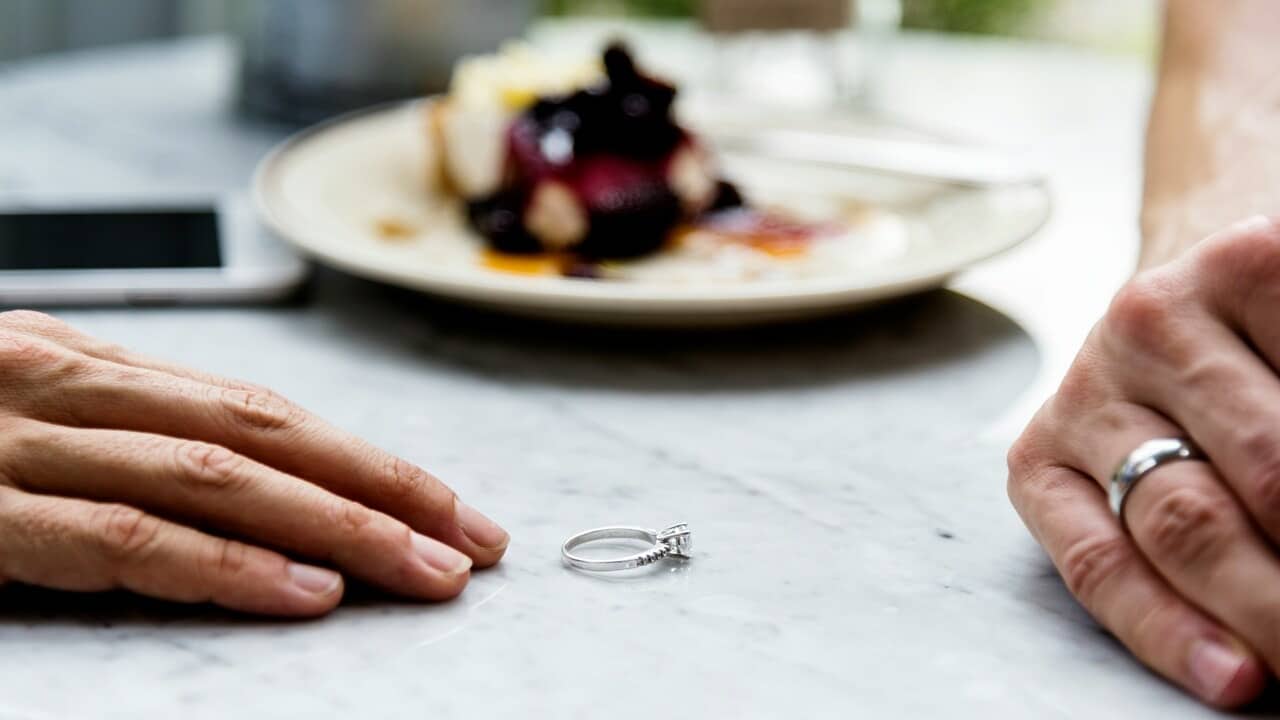
By the time you’re dating maturely, almost everyone has been hurt, disappointed, or blindsided at least once. That baggage doesn’t always show up as drama—it often appears as caution, emotional reserve, or slower trust. The challenge is learning how to acknowledge past pain without letting it control current decisions. A practical approach is to name your patterns honestly: Are you guarded because you’re wise, or because you’re afraid? Doing that self-check early prevents you from punishing new people for old wounds.
Independence Can Feel Like Incompatibility
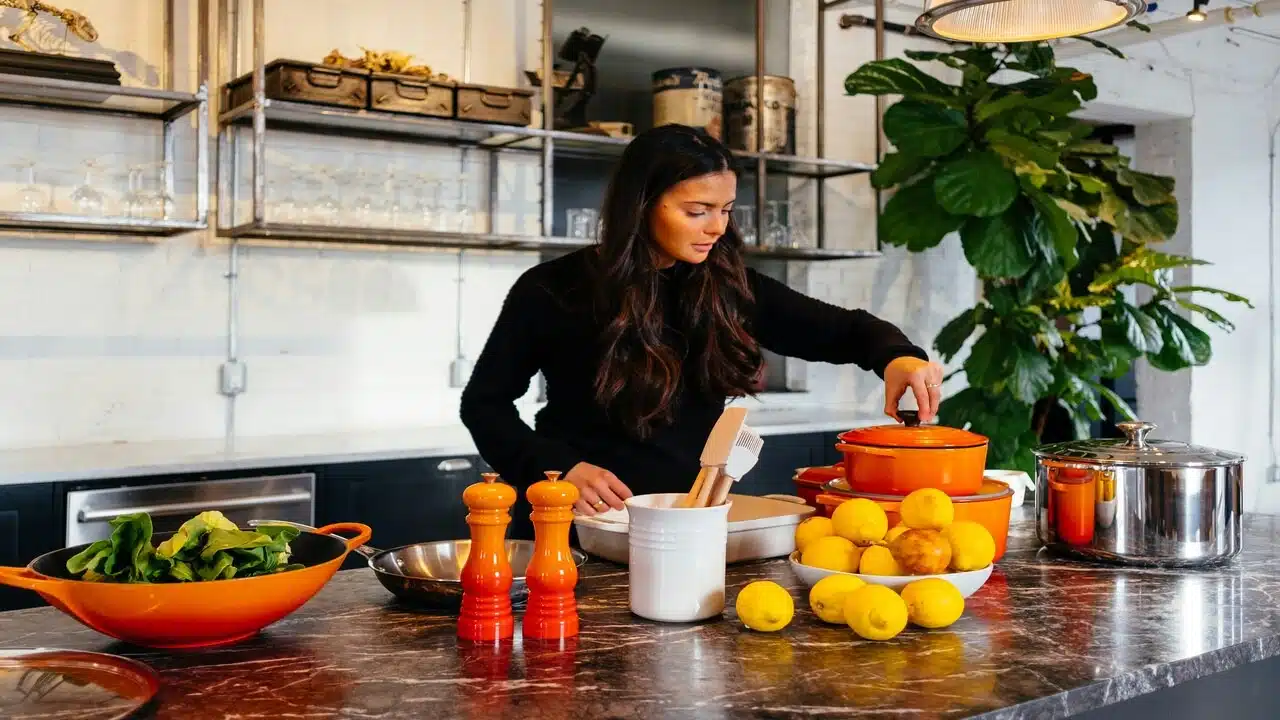
Many mature daters have built full, satisfying lives on their own. Careers, routines, friendships, and personal habits are firmly in place. The challenge arises when independence turns into inflexibility. Healthy dating at this stage requires making room for someone without feeling like you’re losing yourself. Practically speaking, this means practicing small compromises early—adjusting schedules, sharing space, or allowing someone else’s preferences to matter.
The Pressure to “Get It Right” Is Higher

Mature dating often comes with a sense that time matters more now. People don’t want to waste years in the wrong relationship, which can make every date feel like an audition for the future. That pressure can kill curiosity and connection if you’re not careful. A better approach is to stay present and focus on consistency over certainty. Ask: Do I feel calm with this person? Do our values align in real life, not just on paper?
Past Relationship Patterns Are Harder to Break

The longer you’ve lived, the more ingrained your relational habits become. Whether it’s avoiding conflict, over-functioning, or choosing emotionally unavailable partners, those patterns don’t magically disappear with age. The challenge is recognizing that maturity doesn’t automatically equal emotional growth. Practical progress comes from slowing down early dating and noticing how you react under stress, disagreement, or uncertainty—those moments reveal more than chemistry ever will.
Blended Families Add Real Complexity

Dating when children are involved introduces layers that younger daters rarely deal with. Schedules, emotional boundaries, and loyalty conflicts can complicate even promising connections. The mistake many people make is rushing integration too quickly. A smarter move is to keep early dating focused on the adult relationship first, while having clear, honest conversations about parenting priorities before things get serious.
Emotional Availability Isn’t Guaranteed
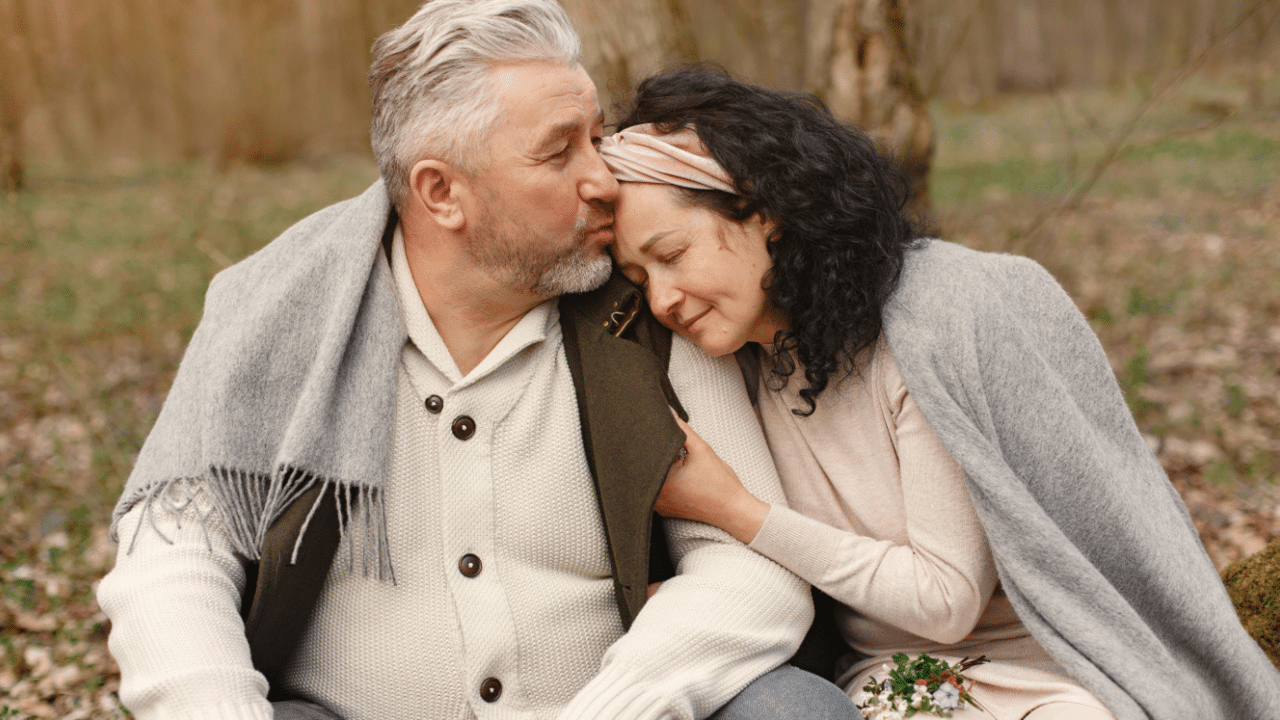
Age doesn’t automatically mean emotional readiness. Many mature daters are still closed off, burned out, or unsure how to connect deeply. The challenge is distinguishing between someone who is slow to open up and someone who simply can’t. A practical test is consistency: Do their actions match their words over time? Emotional availability shows up in follow-through, not just vulnerability during good conversations.
Dating Fatigue Is Very Real

After years of apps, false starts, and almost-relationships, many people feel tired before a date even begins. That fatigue can lead to low effort, cynicism, or settling. The solution isn’t forcing optimism—it’s pacing yourself. Take intentional breaks, date less frequently but more thoughtfully, and stop treating every interaction as a referendum on your worth.
Standards Can Turn Into Walls

Mature daters often have clearer standards, which is healthy—until those standards become rigid checklists. The challenge is knowing which preferences protect your well-being and which ones simply protect your comfort zone. A practical exercise is asking whether a dealbreaker affects values, character, or long-term compatibility—or whether it’s just familiar bias dressed up as wisdom.
Vulnerability Feels Riskier Now

With more life experience comes a deeper awareness of how much heartbreak can hurt. Opening up emotionally can feel like a bigger gamble than it once did. The key is learning how to be selectively vulnerable instead of emotionally armored. Share thoughts and feelings gradually, and watch how the other person responds—safe vulnerability builds trust without oversharing too soon.
Healing Isn’t Always Complete

Many people return to dating believing they’re “over” their past, only to realize old wounds resurface under intimacy. That can create confusion or emotional withdrawal. The challenge is recognizing that healing is often layered, not linear. When something triggers you, pause and reflect instead of reacting—self-awareness in these moments is a major maturity marker.
Chemistry Alone Isn’t Enough Anymore

Mature dating often involves the uncomfortable realization that attraction doesn’t equal compatibility. While chemistry still matters, it no longer compensates for misaligned values or emotional needs. The practical shift is learning to evaluate how someone fits into your life, not just how they make you feel in the moment. Stability, respect, and emotional safety become non-negotiable.
Communication Styles Are Deeply Set

By this stage, people have well-established ways of expressing needs, handling conflict, and avoiding discomfort. That can create friction when styles clash. The challenge is deciding whether differences are workable or fundamentally incompatible. A practical approach is addressing small misunderstandings early—how someone responds to gentle feedback often predicts how they’ll handle bigger issues later.
Fear of Settling Competes With Fear of Being Alone

Mature dating often means holding two fears at once: choosing the wrong person or ending up alone. This internal tug-of-war can lead to overthinking and second-guessing. The healthiest mindset shift is redefining “settling” as staying in something that costs you peace—not choosing someone imperfect. Peace is the metric that matters most.
Time Availability Is More Limited

Careers, aging parents, health priorities, and established routines can make scheduling harder. The challenge isn’t lack of interest—it’s logistical reality. Pay attention to effort over frequency. Someone who makes consistent, intentional time—even in small ways—is showing real interest within real constraints.
Trust Takes Longer to Build

After betrayal or disappointment, trust becomes something people guard carefully. While that’s understandable, excessive skepticism can sabotage connection. A practical balance is trusting slowly but openly—allowing trust to grow through repeated positive experiences instead of demanding certainty upfront or withholding emotionally indefinitely.
Letting Go of Who You Thought You’d Be With

Many mature daters carry grief for a future they once imagined—a marriage that ended, a timeline that shifted, or a life that looks different now. That grief can quietly shape expectations. The challenge is making space for a new story instead of comparing every partner to an old blueprint. Acceptance opens doors that nostalgia keeps closed.
Choosing Growth Over Comfort
The biggest challenge in mature dating is resisting the pull of what feels familiar but no longer serves you. Growth often requires discomfort—having harder conversations, choosing differently, and staying emotionally present when it would be easier to retreat. The reward is a relationship built on intention, clarity, and mutual respect rather than habit or fear.








Ask Me Anything