
Loyal spouses often do the “right” things: they stay faithful, show up, and keep the home running. From the outside, the relationship can look stable and respectable. But loyalty is not the same as happiness, intimacy, or emotional safety. Many marriages survive because both people are committed, not because both people feel seen. Unhappiness often builds quietly through unmet needs, unresolved resentment, and emotional disconnection. It can feel confusing because there is no obvious betrayal to blame. That confusion makes many spouses stay silent and simply endure. These reasons explain why loyal people can still feel lonely inside their own marriage.
The Invisible Loneliness: When Marriage Still Feels Emotionally Empty

A marriage can be full of activity and still feel emotionally vacant. Some couples run like efficient roommates and co-parents. The problem is not always a lack of love; it is a lack of emotional nourishment. Over time, the nervous system starts reading the relationship as “safe enough” but not “alive.” That gap creates dissatisfaction even when no one is cheating or fighting. Loyal spouses often keep going, hoping feelings will return on their own. But emotions usually respond to connection, not time. These signs show how loneliness can exist inside commitment.
They Feel Seen for Their Roles, Not for Who They Are

Some spouses feel valued mainly as a provider, parent, or household manager. Compliments focus on output, not on character or inner life. Over time, the person feels useful but not cherished. This creates emotional fatigue and quiet sadness. The relationship becomes functional instead of intimate. Loyalty keeps the person present, but presence without being seen feels hollow. Many spouses stop sharing dreams and fears because it does not feel welcomed. Being needed is not the same as being known.
The Relationship Has Comfort but No Curiosity
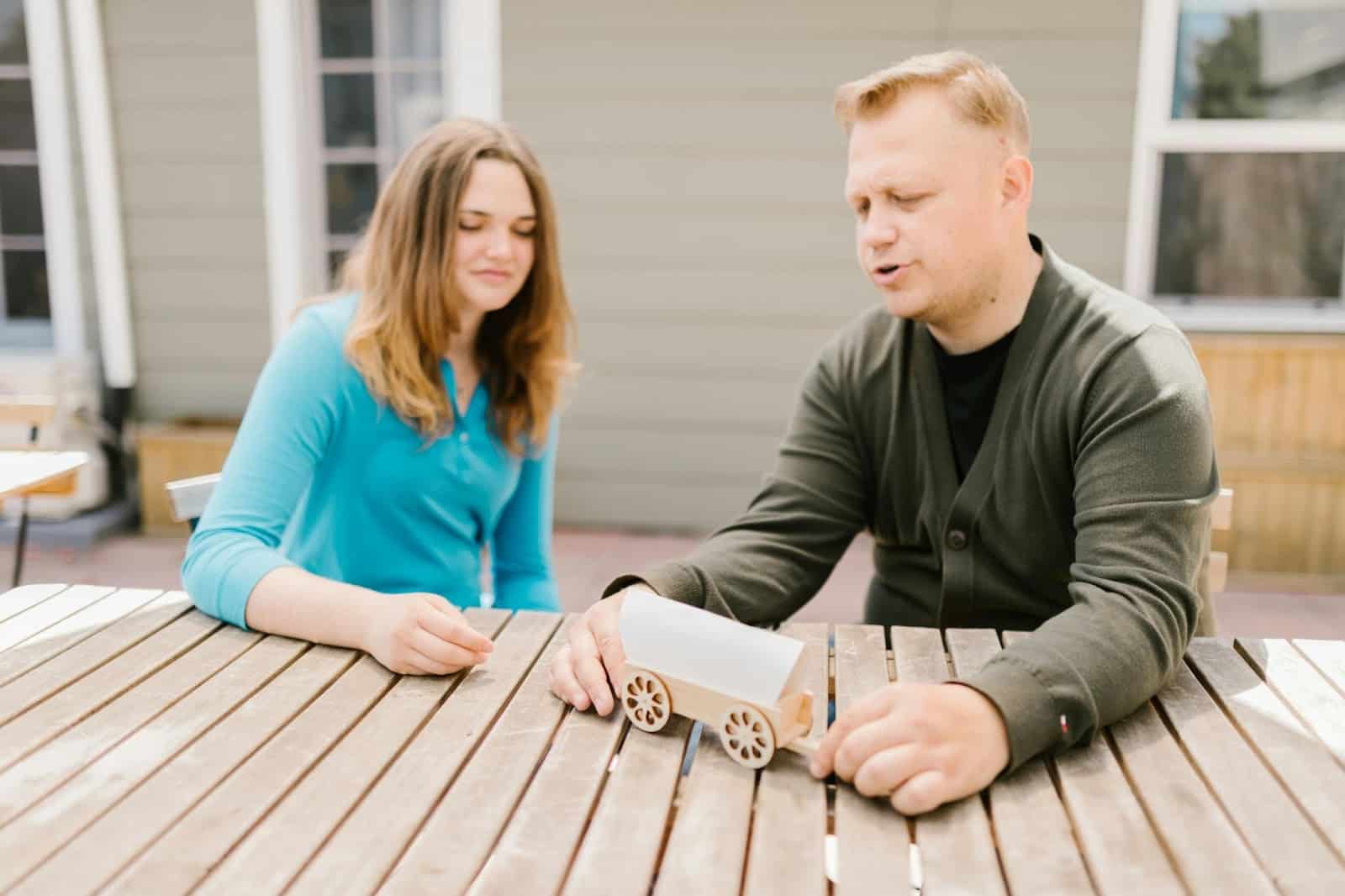
Curiosity keeps love fresh. Without it, partners stop asking deeper questions and stop noticing changes. Conversations become logistics: money, kids, work, schedules. Emotional topics feel awkward or “too much.” This can make the marriage feel predictable in a dull way rather than peaceful. Loyal spouses may stay, but feel like nothing is growing. Growth is often what creates meaning. When curiosity dies, connection often follows. A marriage can survive routine, but it often struggles without emotional interest.
Affection Becomes Infrequent and Unintentional

Affection often fades quietly, not dramatically. Touch, playful flirting, and small warmth can become rare. One or both spouses may assume love is understood and no longer needs expression. Over time, the relationship can feel colder even if commitment remains strong. Loyal spouses may feel guilty for wanting more because “nothing is wrong.” But emotional closeness requires active expression. Affection is not a luxury; it is relationship maintenance. When it disappears, loneliness grows. The marriage remains, but the bond feels thinner.
They Feel Like They Cannot Speak Honestly Without Consequences

Some marriages look calm because honesty feels unsafe. A spouse may avoid sharing needs because it triggers defensiveness, anger, or withdrawal. So they choose peace in the moment and pay with resentment later. The relationship becomes polite but emotionally shallow. Loyal spouses often endure because conflict feels exhausting. But avoiding the truth does not remove the problem; it buries it. Buried problems tend to leak out as irritability or numbness. Loyalty can keep a person quiet, but quiet is not the same as content.
The Slow Drift: When Resentment Replaces Repair
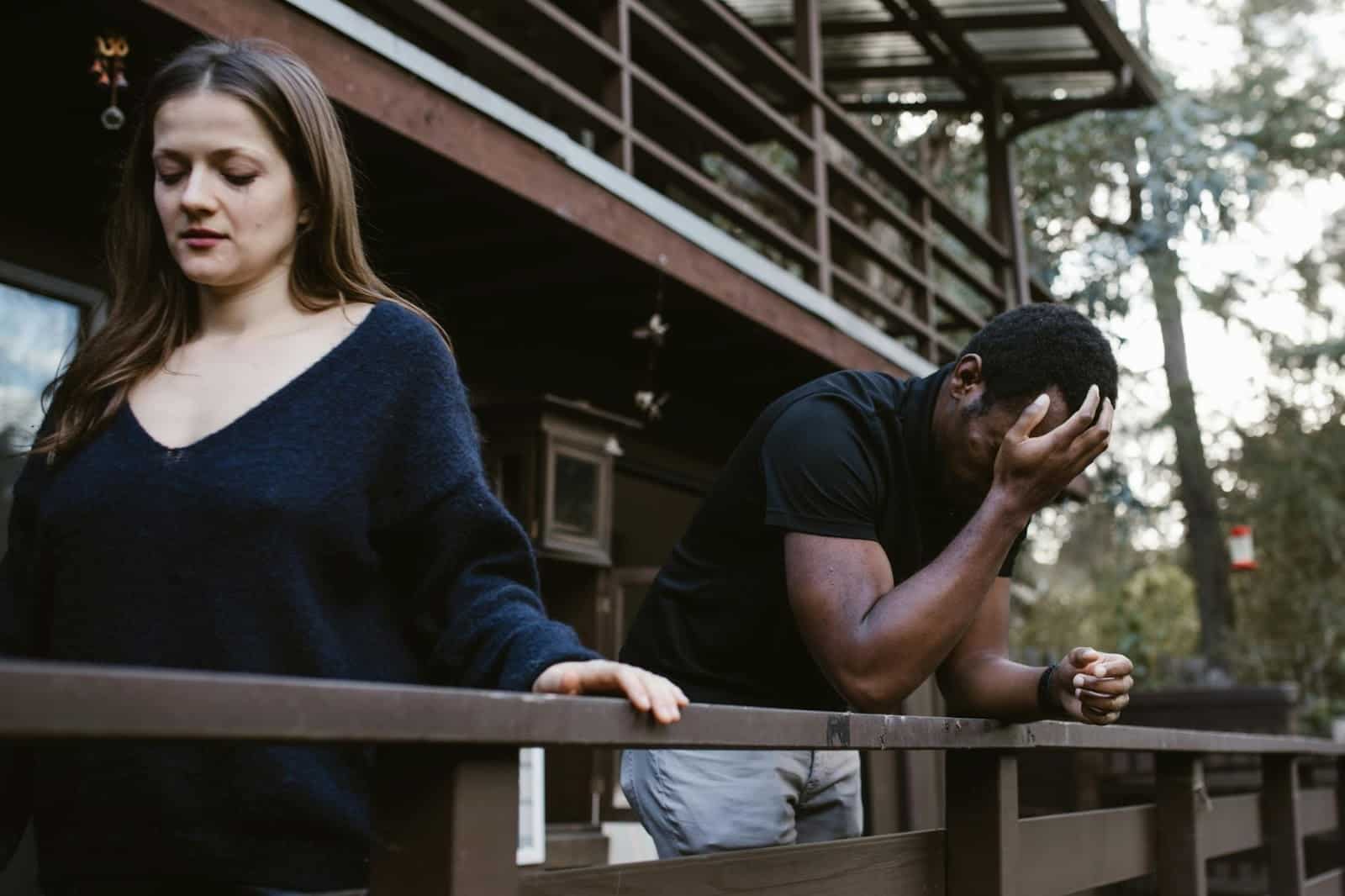
Resentment often starts as repeated disappointment. When repair stops happening, partners lose hope that change is possible. They may still be loyal, but emotionally they stop trying. This is when “we’re fine” becomes a survival phrase instead of a truth. Unhappiness grows when effort feels pointless. Many loyal spouses still care, but they stop expecting better. That shift can make the marriage feel heavy and limiting. Drift is dangerous because it looks normal from the outside. The marriage survives, but joy gets smaller.
Problems Repeat, So One Spouse Stops Bringing Them Up

When issues repeat without change, people stop talking. Not because they do not care, but because hope is gone. The same conflict keeps looping: money habits, emotional distance, in-law boundaries, workload imbalance. Over time, one spouse decides it is easier to tolerate than to fight. Tolerance can look like maturity, but it can also be surrender. The relationship becomes stable but not satisfying. The spouse feels lonely because their needs stay unaddressed. Loyalty holds the marriage, but unresolved patterns drain happiness.
Emotional Labor Becomes One-Sided

In many marriages, one spouse becomes the planner, the reminder, and the emotional manager. They remember birthdays, initiate talks, and notice disconnection first. When that labor is not shared, resentment grows. The over-functioning spouse feels like they are carrying the relationship alone. The other spouse may not notice until distance becomes obvious. This imbalance can exist even when both people are loyal. Loyalty does not automatically create fairness. Fairness is built through shared responsibility. When the load is unequal, the relationship becomes harder to enjoy.
They Stop Feeling Appreciated and Start Feeling Taken for Granted

Appreciation is not just saying “thanks.” It is noticing effort and valuing the person behind it. When appreciation fades, loyalty can start feeling like an obligation. A spouse may still do everything, but feel invisible while doing it. This can create bitterness because the relationship feels one-sided. Many loyal spouses do not want applause; they want acknowledgement. When acknowledgement disappears, affection often declines. The marriage stays, but warmth fades. Taken-for-granted love often becomes quiet resentment.
Conflict Turns Into a Power Struggle Instead of a Solution

Some couples fight, but the fights never solve anything. The goal becomes winning rather than understanding. Over time, conflict feels pointless and emotionally draining. Loyal spouses may stop arguing, not because things improved, but because they gave up. That creates emotional distance disguised as peace. A marriage cannot thrive on unresolved tension. The longer problems go unsolved, the less hope remains. Hope is a key ingredient in happiness. Without hope, loyalty becomes endurance.
The Trade-Off Trap: When Loyalty Becomes a Cage

Sometimes loyalty is tied to identity, values, family expectations, or fear of judgment. That can keep spouses committed even when the relationship is emotionally unsatisfying. The spouse may feel trapped by the story of “being the loyal one.” They may also fear regret, loneliness, or financial disruption. Loyalty then becomes less about love and more about fear of change. The marriage stays intact, but the person feels stuck. Feeling stuck often shows up as numbness or irritability. A loyal spouse can still feel unhappy if they feel they have no real choice.
They Stay for the Family Structure, Not the Relationship
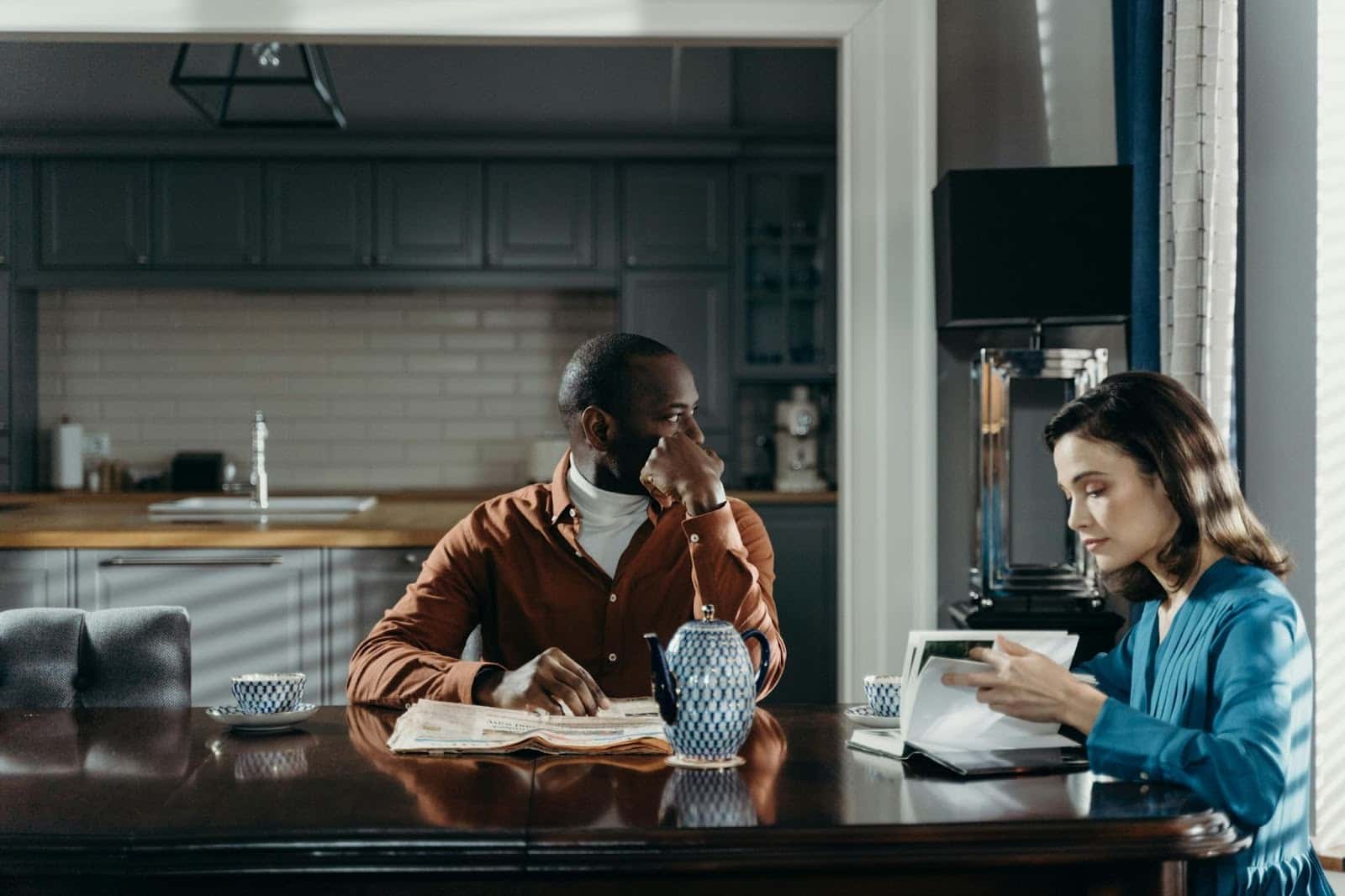
Many loyal spouses stay because they value stability for the kids or family system. That choice can be honorable and thoughtful. But it can also create emotional conflict if the relationship itself feels empty. The spouse may feel like they are living in a role, not a partnership. Over time, this can reduce romantic and emotional investment. The marriage becomes a structure rather than a bond. Structure can provide security, but it cannot replace connection. When connection is missing, unhappiness tends to grow.
They Fear Starting Over More Than They Desire Staying

Fear is a powerful anchor. Fear of dating again, financial risk, social judgment, or being alone can keep spouses loyal. That fear does not always feel obvious; it can hide behind “being realistic.” The spouse may convince themselves that this is as good as it gets. That belief can drain energy and hope. Staying becomes a default choice rather than a chosen one. Loyalty becomes routine, not devotion. When staying is driven by fear, happiness often declines. The relationship feels like a compromise that never ends.
The Intimacy Gap: When Sex and Desire Feel Like a Duty

Some couples maintain sex, but it feels mechanical. Others avoid it entirely and never address it honestly. Desire often fades when emotional closeness fades. Loyal spouses may feel guilty for wanting more passion. They may also feel rejected but pretend it does not matter. Over time, sexual disconnection often becomes emotional disconnection. The marriage remains loyal, but the bond feels less alive. Intimacy needs attention, not avoidance. A loyal marriage can still feel lonely without desire.
They Lose Individual Identity and Feel Quietly Unfulfilled

Marriage can swallow individuality if boundaries are weak. A spouse may stop pursuing hobbies, friendships, or personal growth. Life becomes work, parenting, and maintenance. The person then feels unfulfilled, but blames the marriage rather than the lost self. Loyalty keeps them committed, but they feel bored or trapped. Personal fulfillment matters in long-term happiness. A relationship cannot replace a person’s entire identity. When identity shrinks, unhappiness grows. Many spouses need a life outside the marriage to feel alive inside it.
Unspoken Expectations Keep Creating Disappointment

Many marriages run on assumptions instead of conversations. One spouse expects romance, the other expects peace. One expects teamwork, the other expects independence. When expectations are unspoken, disappointment is constant. Loyal spouses often keep quiet because they do not want to nag or start conflict. But silence does not stop the disappointment. It just turns it into resentment. Healthy couples negotiate expectations openly. Without negotiation, both people feel misunderstood.
They Don’t Feel Admired Anymore, Just Managed

Admiration is a powerful relationship fuel. Without it, partners start feeling like coworkers instead of lovers. A spouse may feel criticized, corrected, or “managed” rather than appreciated. That can make them withdraw emotionally. Loyal spouses stay, but they stop feeling chosen. Being chosen is not only about fidelity; it is about daily attitude. Admiration creates warmth and desire. Without it, the marriage can feel colder. A cold marriage can still be loyal, but it often feels unhappy.
Tips: How Loyal Spouses Can Identify the Real Problem

Look for patterns rather than single arguments or bad weeks. Notice whether emotional closeness is increasing or decreasing over time. Ask whether issues get repaired or simply recycled. Pay attention to appreciation and affection: are they intentional or rare? Notice whether honesty feels safe or costly. Identify whether resentment is growing quietly. Check whether both spouses share emotional labor or one person carries it. Clarity often reduces suffering because it replaces confusion with a real target for change.
Tips: What Actually Helps Before Unhappiness Becomes Permanent

Start small and consistent rather than dramatic and temporary. Build weekly time for connection that is not about logistics. Use direct communication about needs without blaming character. Make repair a habit after conflict, not an exception. Share emotional labor by dividing responsibility for planning and check-ins. Bring back appreciation with specific, daily acknowledgement. Address intimacy gently but honestly instead of avoiding it. If patterns feel stuck, couples counseling can help create structure for safer conversations. Change usually requires intention, not hope.
Tips: When Loyalty Should Include Self-Respect

Loyalty does not mean tolerating chronic disrespect, contempt, or emotional neglect. If boundaries are repeatedly violated, the issue is bigger than “normal unhappiness.” If one spouse refuses accountability or refuses any effort toward repair, loyalty becomes one-sided endurance. A marriage needs mutual willingness to improve. Loyalty should protect both people’s dignity, not erase it. Staying should feel like a choice, not a sentence. Self-respect is not selfish; it is necessary for healthy partnership. A loyal spouse can still require better treatment. Respect is the floor, not a bonus.
Loyalty Is a Strength, But It Cannot Replace Connection

Loyal spouses can still feel unhappy when emotional needs are chronically unmet. Commitment can keep the marriage intact while closeness quietly fades. The good news is that unhappiness is often a signal, not a verdict. It points to missing connection, missing repair, or missing individuality. Happiness tends to return when both people become intentional again. That means clearer communication, shared effort, consistent appreciation, and real intimacy. Loyalty becomes lighter when it is paired with emotional nourishment. A stable marriage is valuable, but a fulfilling one is better. The goal is not to abandon loyalty, it is to give it something worth protecting.








Ask Me Anything