
Not all abuse starts with bruises. More often, it begins with subtle shifts—words that sting a little longer than they should, rules that slowly tighten, apologies that never quite come. The most dangerous behaviors are often disguised as love, concern, or “just being honest.” That’s why so many people find themselves questioning their own instincts instead of the treatment they’re receiving.
If you’ve ever felt smaller, anxious, or constantly on edge in a relationship, it’s worth paying attention. Here are 17 behaviors that cross the line from unhealthy into outright abusive—and what you can do if you recognize them.
Constantly Belittling or Mocking You

Playful teasing is one thing. Repeated put-downs are another. When someone regularly mocks your intelligence, appearance, career, or interests—especially in front of others—it chips away at your self-worth over time. The line is crossed when the “jokes” leave you feeling embarrassed, ashamed, or hesitant to speak up. Healthy partners build each other up; they don’t use humiliation as entertainment. If you notice a pattern, calmly name it in the moment: “That comment didn’t feel good.” If they double down or dismiss your feelings, that’s data you shouldn’t ignore.
Isolating You From Friends and Family

Abuse thrives in isolation. A partner who subtly discourages you from seeing loved ones, questions everyone’s intentions, or creates drama whenever you make plans is slowly shrinking your world. It might start as “I just want you to myself,” but over time, you may find you’re asking permission to have a social life. Maintaining outside connections isn’t betrayal—it’s healthy. Protect your independence by scheduling regular check-ins with trusted people and noticing whether your partner respects those relationships or resents them.
Monitoring Your Phone, Messages, or Location

Trust does not require surveillance. If someone demands passwords, checks your messages without permission, or insists on constant location sharing, that’s not protection—it’s control. The justification is often jealousy framed as love, but real love doesn’t require proof every hour. You’re entitled to privacy. If you feel anxious about who might scroll through your phone, that’s a red flag. Establish boundaries clearly: “I’m not comfortable sharing my passwords.” Their reaction will tell you everything.
Explosive Anger Over Minor Issues

Everyone gets frustrated, but explosive reactions to small inconveniences create a climate of fear. When you start walking on eggshells to avoid setting someone off, the relationship has shifted into unsafe territory. Abuse isn’t just about physical violence; intimidation through yelling, slamming doors, or threatening gestures counts. Pay attention to your body—if your heart races when they’re upset, your nervous system is signaling danger. No one should feel afraid of their partner’s temper.
Gaslighting You Into Doubting Reality

Gaslighting is when someone denies things they clearly said or did, twisting facts until you question your own memory. Over time, this erodes confidence and creates dependency. You may find yourself apologizing for things that never happened or feeling “crazy” for noticing inconsistencies. Keep a private record of concerning incidents if you’re unsure. Clarity is power. A healthy partner may disagree, but they don’t rewrite history to avoid accountability.
Using Money as a Weapon

Financial control is one of the most overlooked forms of abuse. If your partner restricts access to shared funds, monitors every purchase, or prevents you from working, they’re limiting your ability to leave. Independence requires resources. Even in committed relationships, both partners deserve transparency and agency. Consider opening a separate savings account or seeking financial advice if you feel trapped. Economic freedom is not selfish—it’s protective.
Threatening to Leave or Hurt Themselves to Control You

Threats are manipulation, plain and simple. Whether it’s “I’ll leave if you don’t…” or “I’ll hurt myself if you break up with me,” these statements shift responsibility for their choices onto you. That’s not love—that’s coercion. You are not responsible for managing another adult’s extreme reactions. Encourage professional help if needed, but don’t sacrifice your autonomy out of fear. Healthy love never demands emotional blackmail.
Turning Every Conflict Into Your Fault

In abusive dynamics, accountability disappears. Somehow, every disagreement circles back to your supposed shortcomings. You may start over-apologizing just to restore peace. That imbalance isn’t accidental—it keeps power lopsided. Relationships require shared responsibility. If you notice you’re always the one saying sorry, pause and ask yourself why. Mutual growth requires mutual ownership of mistakes.
Controlling What You Wear or How You Look

Preferences are fine; demands are not. If someone dictates your clothing, hairstyle, or makeup under the guise of “respect,” they’re exerting ownership. Your body and presentation belong to you. A partner can express attraction without policing your choices. If you feel pressured to change how you look to avoid conflict, the dynamic is unhealthy. Reclaim autonomy by making one small choice that reflects your authentic style—and notice their response.
Dismissing Your Feelings as “Too Sensitive”

Invalidation is a quiet but powerful form of abuse. When your emotions are consistently minimized, you learn to silence yourself. Being told you’re dramatic or overreacting shifts the focus away from harmful behavior. Emotions are signals; they deserve respect. A loving partner seeks to understand, not dismiss. Practice stating your feelings clearly: “I felt hurt when…” If empathy never follows, that’s not a communication issue—it’s a character issue.
Using Intimacy as a Bargaining Tool

Withholding affection, sex, or kindness to punish you is manipulation. Intimacy should be mutual and freely given, not transactional. If closeness only appears when you comply, the relationship becomes conditional. That unpredictability can create anxiety and emotional dependency. Healthy intimacy is rooted in safety and consent, not control. Pay attention to whether affection feels secure or strategically withdrawn.
Publicly Shaming or Exposing You

Sharing private information, mocking you on social media, or criticizing you in public spaces crosses a serious line. Respect means protecting your partner’s dignity, not exploiting vulnerabilities for attention. Public humiliation often makes victims less likely to speak up because they fear further embarrassment. If this happens, draw a firm boundary: “My personal life is not for public commentary.” If it continues, consider limiting what you share with that person altogether.
Destroying Property or Punching Walls

Even if the aggression isn’t directed at you physically, violent displays are intimidation tactics. Breaking objects, punching walls, or throwing things sends a clear message: “This could be you.” It conditions fear without leaving visible marks. Violence against objects is often a precursor to violence against people. Trust your instincts if you feel unsafe. Prioritize creating a safety plan and confiding in someone you trust.
Keeping Score and Bringing Up Past Mistakes
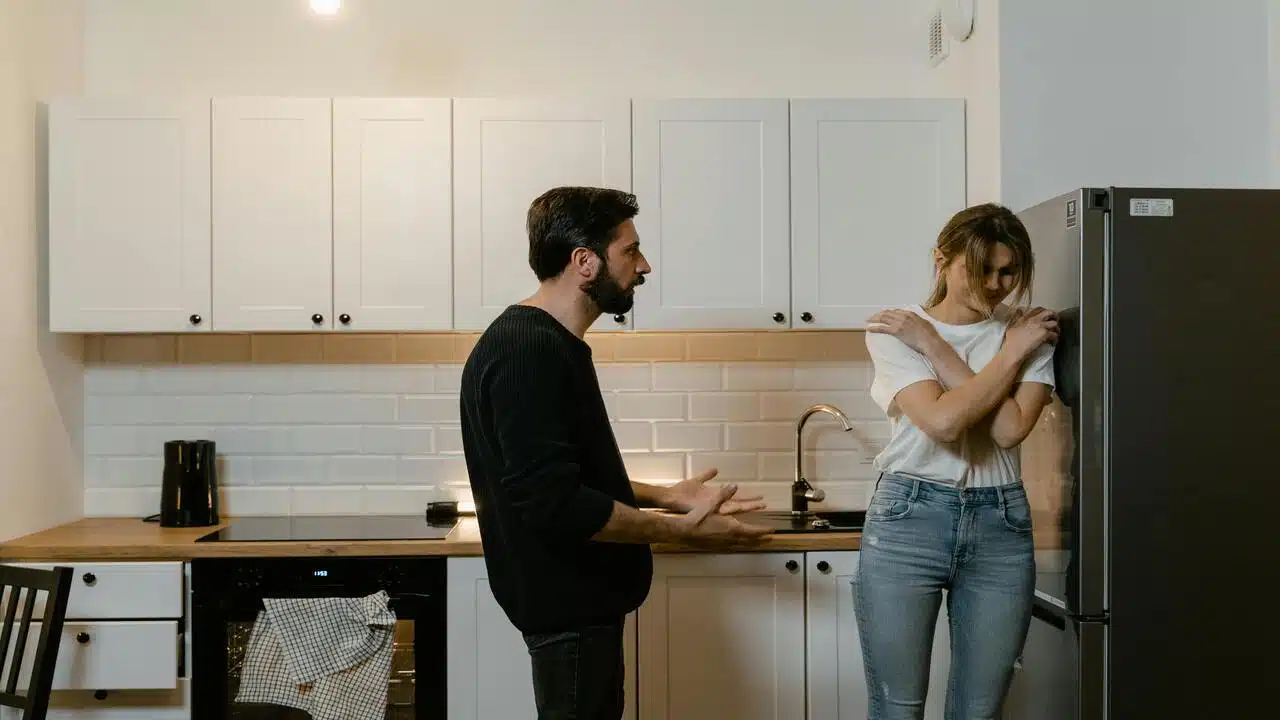
Healthy couples resolve issues and move forward. Abusive partners stockpile past errors as ammunition. If every argument includes a replay of your worst moments, it’s about control, not resolution. Growth requires forgiveness and change—not permanent punishment. If you’ve genuinely worked on a past mistake, you deserve space to evolve. Constant scorekeeping keeps you trapped in guilt.
Making You Feel Afraid to Speak Honestly

If you filter your words to avoid backlash, that’s a red flag. Open communication should feel safe, even during disagreement. Fear-based silence slowly erases your voice. Ask yourself: “Can I be fully myself here?” If the answer is no, something needs addressing. Start by sharing one honest thought in a calm moment. If it’s met with rage or ridicule, that confirms the imbalance.
Blaming Stress, Alcohol, or Their Past for Harmful Behavior

Context can explain behavior, but it doesn’t excuse abuse. Stressful jobs, difficult childhoods, or drinking problems are not free passes to mistreat someone. Accountability means seeking help, not offering endless reasons. Notice whether apologies are followed by real change—or repeated patterns. Growth is measurable. Without consistent effort, explanations become manipulation.
Making You Feel Trapped or Powerless
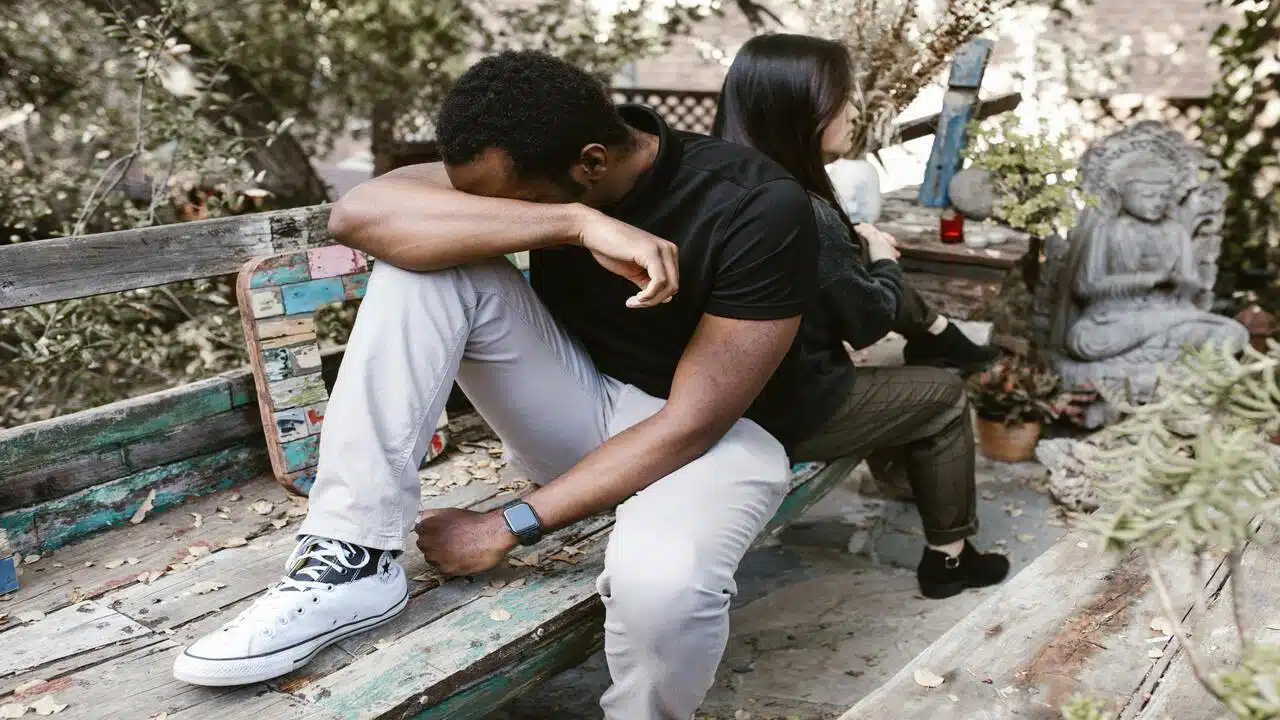
The clearest sign of abuse is the loss of your sense of agency. If you feel stuck, scared to leave, or convinced no one else would want you, that’s not love—it’s control. Abuse often reshapes identity until you doubt your own strength. Reconnect with your support system, even if it feels uncomfortable. You deserve a relationship where you feel safe, valued, and free. If you recognize these patterns, consider reaching out to a trusted friend, counselor, or local support service. Your well-being is worth protecting.








Ask Me Anything