
Divorce hits everyone hard, but the specific challenges men face often get overlooked or dismissed. Society expects them to bounce back fast and act like everything’s fine when really they’re falling apart inside. The pressure to appear strong makes the whole process more isolating than it needs to be.
While women typically have support systems they can lean on and feel comfortable expressing their pain, men usually end up processing everything alone. They face unique emotional, social, and practical obstacles that compound the already devastating experience of a marriage ending. The way men are conditioned to handle hardship often works against them during one of life’s most difficult transitions.
They Bottle Everything Up Instead of Working Through It

Men learn early on that showing emotion makes them appear weak or unstable. When a marriage falls apart, this ingrained response kicks in automatically. Instead of talking through the pain with friends or family, they bury it deep and pretend everything’s under control.
This approach might help them get through the workday or maintain appearances, but the unprocessed grief builds up over time. What starts as a coping mechanism turns into a pressure cooker situation. Eventually, all that suppressed emotion has to go somewhere, and it usually comes out in unhealthy ways like anger, substance abuse, or complete emotional shutdown.
Their Sense of Self Takes a Major Hit

Many men build their identity around being a husband and provider. When divorce happens, they lose the role that gave their life structure and meaning. The person they saw in the mirror no longer matches who they actually are.
Rebuilding from scratch feels impossible when you’ve spent years defining yourself through marriage. They question every decision they made and wonder if they were ever good at anything. The foundation they stood on crumbles, and they have to figure out who they are as a single person all over again.
It’s the Little Everyday Things They Miss Most

Everyone expects them to miss the big moments, but what really gets them are the mundane routines. Making coffee for two people instead of one. Having someone to complain to about a bad day at work. Grocery shopping without thinking about what she liked.
These small absences create a constant ache that never quite goes away. Every corner of their daily life holds a reminder of what used to be there. The couch feels too big, dinner tastes wrong, and weekends stretch out endlessly with no one to share them with.
They Keep Everything Locked Inside

Talking about feelings goes against everything most men were taught growing up. Even when friends ask how they’re doing, the automatic response is always “fine” or “getting through it.” They’ve perfected the art of deflection to avoid vulnerability.
The problem is that pain needs an outlet, and when you refuse to give it one, it festers. Men convince themselves they’re being strong by staying silent, but they’re actually making recovery take twice as long. The loneliness of carrying everything alone makes the hurt exponentially worse.
They Can’t Stop Replaying What Went Wrong

Late at night when distractions fade away, their mind becomes a highlight reel of every mistake they made. They analyze conversations from years ago and torture themselves with alternate scenarios. Sleep becomes impossible because their brain won’t stop running through what they could’ve said or done differently.
This mental loop prevents them from moving forward because they’re stuck in the past. They obsess over the exact moment things started falling apart and convince themselves they should’ve seen it coming. The constant replay makes them feel like they’re living the divorce over and over again instead of healing from it.
They Throw Themselves Into Work to Avoid Dealing With It

The office becomes a refuge where they can focus on tasks instead of emotions. They volunteer for extra projects, stay late every night, and check emails at 2 AM. Work provides a legitimate excuse to avoid sitting with uncomfortable feelings.
What starts as a distraction turns into an unhealthy obsession that delays actual healing. They might get a promotion or finish projects ahead of schedule, but they’re still broken inside. Eventually the exhaustion catches up with them, and the pain they’ve been running from is still waiting when they finally slow down.
Admitting They’re Hurting Feels Like Weakness
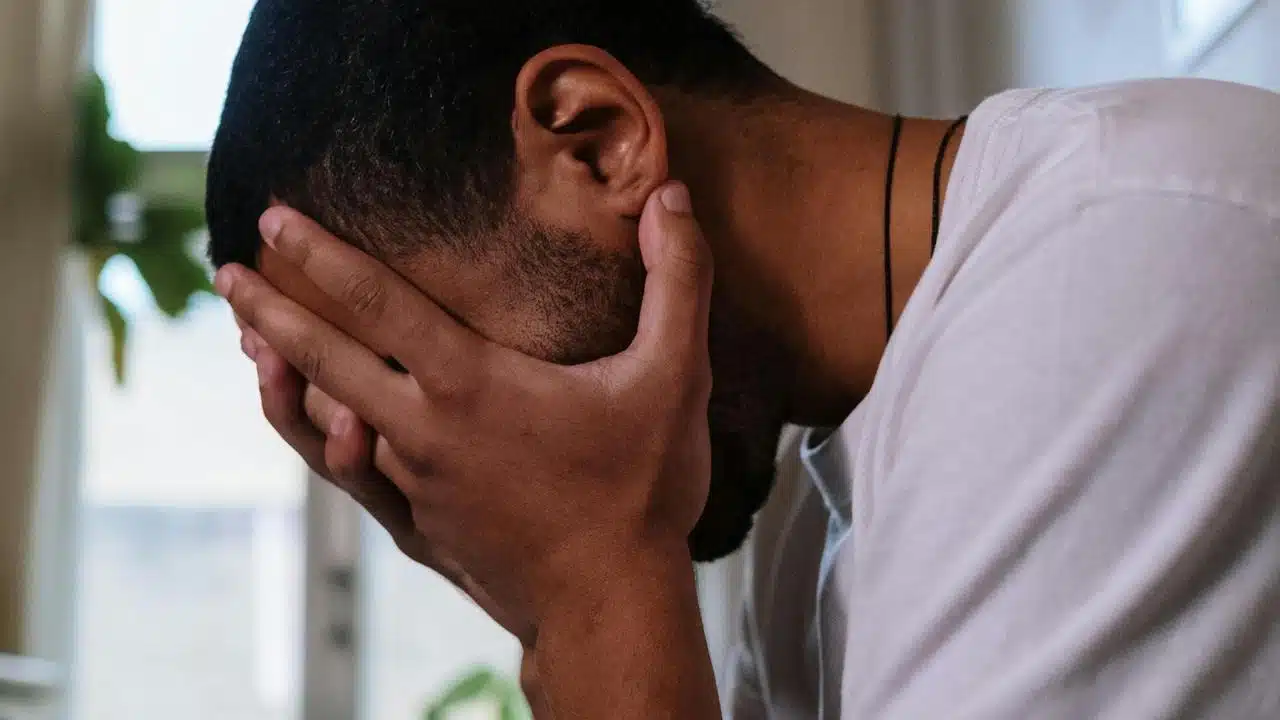
Men face immense pressure to appear unshaken by emotional trauma. Admitting that divorce devastated them goes against everything they believe about masculinity. They’d rather suffer in silence than risk looking fragile or needy.
This mindset keeps them trapped in a cycle of pretending they’re okay when they’re absolutely not. They reject help because accepting support feels like admitting defeat. The fear of judgment prevents them from accessing the resources and compassion that could actually help them heal.
They Only Remember the Good Times

Memory has a cruel way of filtering out the bad parts once someone’s gone. They forget all the fights, the incompatibilities, and the reasons why the marriage actually needed to end. Instead, they fixate on the best moments and convince themselves they threw away something perfect.
This selective memory makes it harder to accept reality and move on. They idealize what they lost and ignore the fact that things were broken long before the divorce papers were signed. The rose-colored glasses keep them stuck in a fantasy version of the past that never really existed.
They Struggle to Move Past What They Could’ve Done Differently

The weight of regret becomes unbearable as they catalog every failure and misstep. They blame themselves for not being a better partner, even when the relationship had fundamental problems. Second-guessing every choice becomes a full-time mental occupation.
This self-blame spiral makes them feel responsible for the entire collapse of the marriage. They carry guilt that eats away at their confidence and self-worth. Even when both people contributed to the breakdown, men tend to shoulder the entire burden alone.
Losing Their Partner Leaves Them Without Direction

For years, major life decisions were made as a team. Now they have to figure out what they want without the person who helped them navigate everything. The future that seemed clear and planned out has vanished completely.
Making choices alone feels foreign and overwhelming after years of partnership. They second-guess themselves constantly because they’ve lost their main sounding board. The path forward looks blurry when you’re used to having someone walk it with you.
They Think Moving On Means Jumping Into Something New

There’s this misconception that dating someone new will fix the pain from the old relationship. Men often rush into new situations before they’ve actually processed the divorce. They mistake distraction for healing and end up carrying unresolved baggage into fresh connections.
This pattern usually leads to failed rebounds that leave them feeling even worse. They’re trying to fill a void instead of addressing why it exists in the first place. Real recovery requires sitting with the discomfort, but that feels impossible when you’re desperate to feel normal again.
They Hide Behind Fake Laughs When Things Get Heavy

Cracking jokes becomes the default defense mechanism when conversations turn serious. They’ll make light of their pain to avoid acknowledging how much they’re actually suffering. Humor creates distance between them and their real emotions.
Friends might laugh along and assume everything’s fine, missing the fact that the jokes are a cry for help. This coping strategy provides temporary relief but prevents genuine connection and support. They’ve learned to entertain rather than be honest about what they’re going through.
They Can’t Let Go of the Hope They’ll Get Back Together

Even after papers are signed and lives are separated, part of them believes reconciliation is possible. They interpret any friendly text or civil interaction as a sign she might change her mind. This false hope keeps them emotionally attached and unable to truly let go.
Living in this limbo prevents them from accepting the finality of the situation. They put their life on hold waiting for something that’s never going to happen. The longer they hold onto this fantasy, the longer they delay their actual recovery.
They’re Constantly Comparing Their Healing to Their Ex’s

Social media makes it impossible not to see how she’s doing, and it always seems like she’s thriving while they’re barely surviving. They measure their progress against hers and feel like failures when she appears to be moving on faster. The comparison game makes them feel left behind and inadequate.
What they don’t realize is that everyone processes grief differently and at their own pace. Her outward appearance of being fine might be masking struggles she’s dealing with privately. Measuring healing against someone else’s timeline only adds unnecessary pressure and shame to an already difficult process.
The Full Reality Doesn’t Sink In Right Away

The first few weeks or months can feel like they’re operating on autopilot. They handle the practical aspects of separation without fully absorbing the emotional magnitude of what’s happening. The brain protects itself from processing too much trauma at once.
Then one day, weeks or months later, the truth hits them all at once and brings them to their knees. They thought they were handling things well until the delayed grief crashes over them. This delayed reaction catches them off guard and makes them feel like they’re starting the healing process all over again.
They Deal With the Pain Slowly and Silently
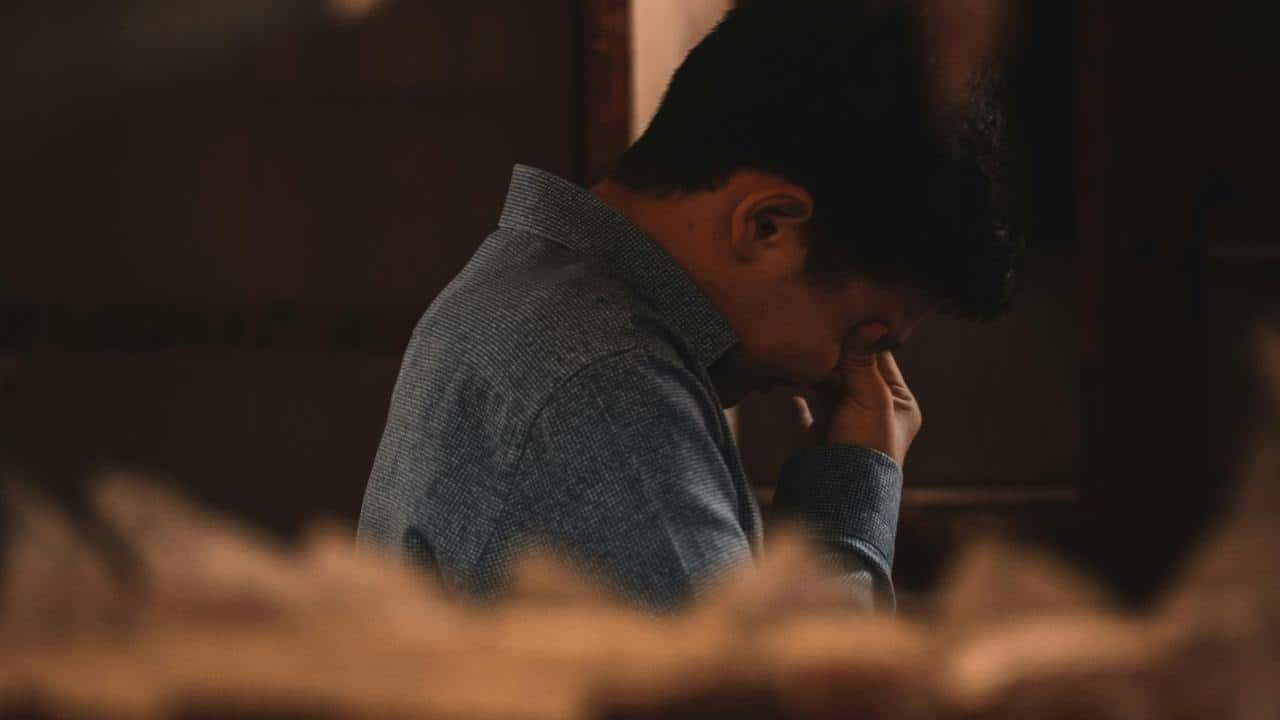
Men process emotional trauma at a glacial pace compared to women, who typically confront feelings head-on. They need more time to work through each stage of grief, but society expects them to be over it quickly. The mismatch between their actual healing timeline and what people expect creates additional stress.
They suffer through each day without fanfare or acknowledgment of how hard they’re working to rebuild. The world moves on while they’re still picking up the pieces in private. This slow, solitary journey makes divorce feel like something they have to endure alone without the support or understanding they desperately need.








Ask Me Anything