
Modern dating feels confusing for a lot of men, especially if you’ve been out of the game for a while. The rules aren’t written down, expectations shift, and online dating added a whole new layer of chaos. Most conversations about this topic swing between finger-pointing and denial, which helps no one.
This isn’t about blaming women or painting men as victims. It’s about acknowledging real advantages that exist in the dating landscape and understanding how they shape behavior on both sides. When you understand the terrain, you stop taking things personally and start navigating more intelligently. That alone can lower a lot of unnecessary frustration.
Women Receive More Initial Interest

On dating apps, women generally receive far more likes, matches, and messages than men. That’s not opinion—it’s a consistent pattern driven by user ratios and swipe behavior. When one side has more inbound interest, they automatically have more choice.
This creates a dynamic where women can be slower to respond or more selective without meaning any harm. For men, it can feel like shouting into the void. The mismatch isn’t about personal worth, just math and volume.
Selectivity Is Easier When Options Are Plentiful

Because women receive more attention, they can afford to filter aggressively. Height, job stability, communication style, and lifestyle all become early cutoffs. Men usually don’t have that luxury early on.
This doesn’t mean women are shallow. It means they’re optimizing when faced with overload. When you’re sorting through dozens of messages, speed matters more than nuance.
Women Rarely Have to Make the First Move

Cultural norms still expect men to initiate most romantic interactions. That includes sending the first message, asking for the date, and pushing things forward. Women can participate without risking rejection as often.
Avoiding rejection is a real advantage. Rejection may build resilience over time, but it still costs emotional energy. Women typically spend less of that currency upfront.
The Cost of Dates Usually Falls on Men

Despite shifting attitudes, men still spend more money on dating overall. First dates, drinks, tickets, and dinners usually land on the male side. Surveys consistently show many people still expect this.
That financial pressure affects behavior. Men often feel they need to justify the spend or push for outcomes sooner. Women don’t usually carry that same calculation in the background.
Planning Is Often Someone Else’s Job

Men are still expected to plan dates more often than women. Choosing the place, time, activity, and sometimes even conversation flow comes with the role. Women can show up and evaluate.
Planning isn’t hard, but repeated responsibility adds mental load. Over time, it contributes to burnout that rarely gets acknowledged.
Emotional Support Is More Accessible

Women generally have broader emotional support networks. Friends, family, and even coworkers are often more open to discussing dating struggles. Men tend to process issues internally or with fewer outlets.
This support acts like a pressure valve. When dating goes poorly, women usually decompress faster. Men often carry the weight longer, even when the issue is minor.
Women Are Approached More Often Offline

In social settings, women are far more likely to be approached. Bars, events, weddings, and parties usually put men in the position of initiating contact. Women can simply exist and be noticed.
That steady stream of validation adds up. Being desired without effort affects confidence, even if the attention isn’t always welcome.
Compliments Are More Common

Women receive more compliments about appearance, style, and presence. Men receive fewer, especially from strangers. Over time, this shapes how each side perceives desirability.
A man can go years without unsolicited positive feedback. A woman might get it weekly. That difference quietly influences dating confidence.
Lower Risk of Being Seen as Intrusive

Women rarely worry about being labeled creepy for expressing interest. Men constantly calibrate tone, timing, and wording to avoid crossing invisible lines.
That caution slows things down and adds anxiety. Women don’t usually carry that same risk when they engage.
Physical Intimacy Happens on Their Timeline
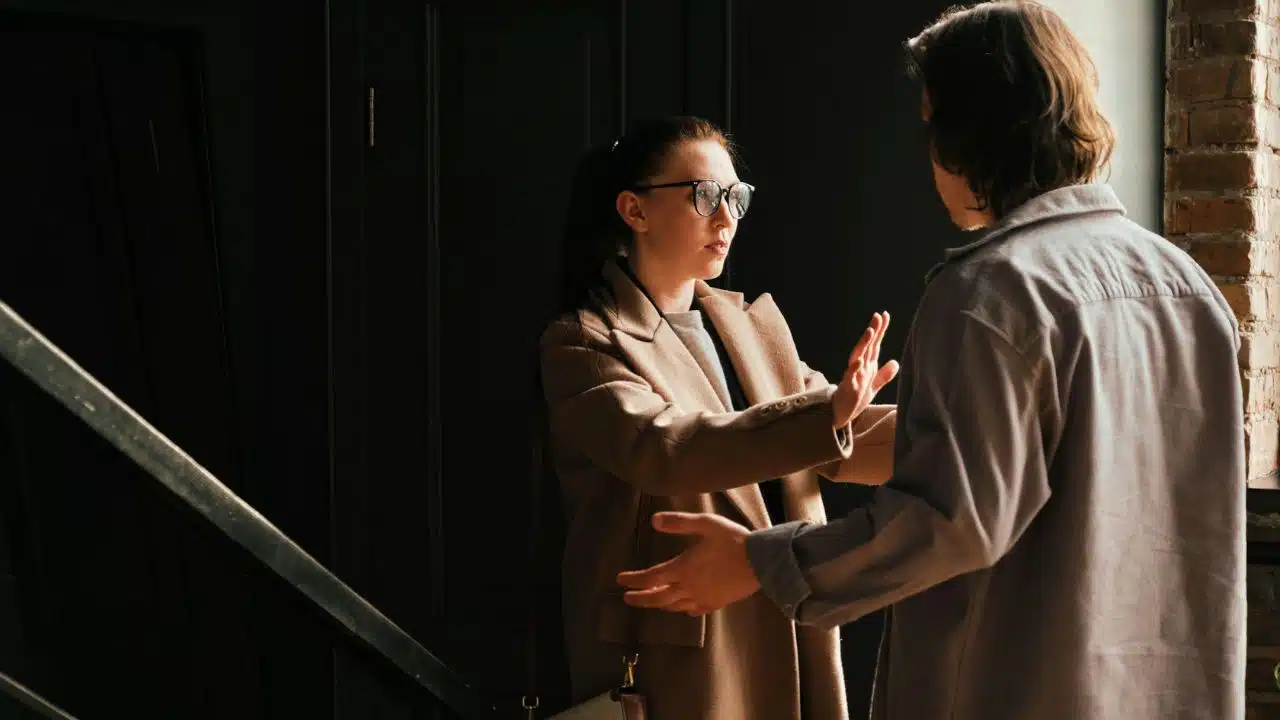
In most heterosexual dynamics, women largely control when physical intimacy begins. Men can express interest, but the final call isn’t theirs.
Control over pacing is a meaningful advantage. It allows women to feel safer and more grounded while men wait and adapt.
Social Venues Offer Built-In Perks

Discounted drinks, free entry, and special events still skew toward women in many places. While some of these practices face legal challenges, they remain common.
These perks make socializing easier and cheaper. Men usually pay full price, both literally and figuratively.
Less Pressure to Be a Provider Early On

Men are often evaluated on income, stability, and future potential early in dating. Women face less scrutiny in that area at the beginning.
That difference affects first impressions. Men feel the need to prove readiness; women are often assessed more on compatibility and vibe.
Emotional Expression Is More Accepted

Women can talk openly about dating frustrations without much judgment. Men doing the same risk being labeled bitter or weak.
This difference shapes how each side processes setbacks. Silence doesn’t mean men aren’t affected; it means they’re expected to handle it quietly.
Aging Works Differently

As men age, dating often becomes more competitive. For women, desirability tends to peak earlier and remain stable longer in social settings.
This isn’t about blame or fairness. It’s about understanding that time affects dating leverage differently depending on gender.
Standards Are Less Challenged

Women can set firm dating standards without much pushback. Men who do the same are often asked to justify them.
That difference influences confidence and negotiation. One side can state preferences plainly; the other often explains them defensively.
Attention Isn’t Something Women Have to Earn
For women, attention usually comes automatically in dating environments. Men must generate it through effort, presentation, and persistence.
Neither experience is perfect, but they are very different. Understanding that difference helps explain why dating often feels uneven—and why frustration builds when no one talks about it honestly.








Ask Me Anything