
You can do everything right and still feel like you’re losing in modern dating. Be direct, be honest, be consistent and somehow that reads as boring.
Meanwhile, the guy who disappears, reappears, and barely tries keeps getting attention. That’s not bad luck. That’s the system working exactly as designed.
Gamified Swiping Rewards Looks Over Substance
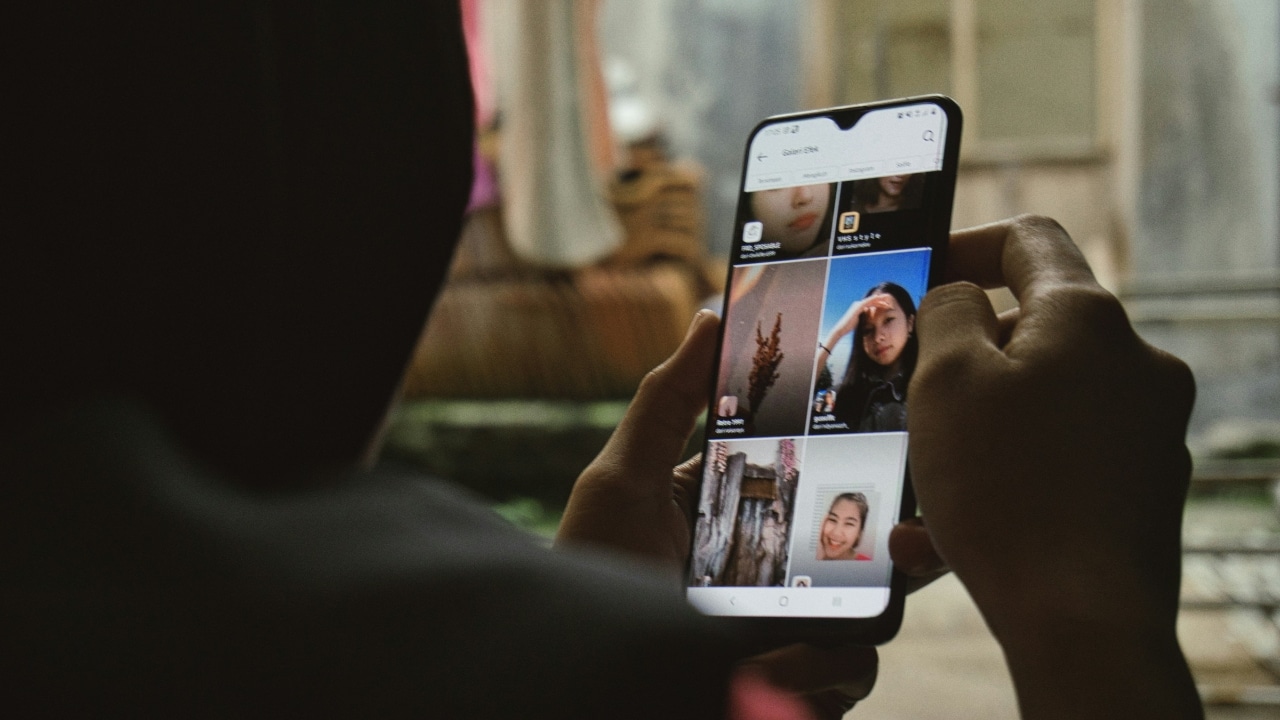
Swipe long enough and you start to notice how fast decisions happen. A face, a vibe, maybe one line of text and it’s over. The apps are built for speed, not depth, which quietly trains people to prioritize instant attraction over anything that takes time to understand.
Endless Options Create a Disposable Mindset

When there’s always someone new one swipe away, it’s hard to take any one person seriously. Conversations feel temporary. Connections feel replaceable. It becomes easier to move on than to work through even the smallest friction.
Validation Becomes the Real Goal

Not everyone is there to meet someone. Some are there to feel wanted, to collect matches, to confirm they still “have it.” And the apps reward that behavior because engagement matters more than outcomes.
Low Effort Messaging Still Gets Results

Short replies, recycled openers, delayed responses and it still works often enough to keep going. When effort is optional and results still come in, people stop investing more than they have to.
Ghosting Is Easier Than Being Honest

There’s no social cost to disappearing. No shared circles, no accountability, no awkward follow-up. So instead of having a simple conversation, people just vanish and the system makes that feel normal.
Strategic Silence Feels Like Power

Waiting hours or days to reply is no longer rude, it’s seen as controlled. People have learned that being slightly unavailable can increase interest, so responsiveness starts to look like weakness instead of respect.
Curated Personas Outperform Real Ones

Profiles aren’t lies exactly, but they’re rarely the full truth either. They’re edited versions of a person, polished just enough to attract attention. And those polished versions almost always outperform someone being straightforward.
Small Lies Get Normalized Quickly

Age gets adjusted, height gets stretched, intentions get blurred. It doesn’t feel like deception at first, just positioning. But when enough people do it, honesty starts to feel like a disadvantage.
Love Bombing Gets Rewarded Early

Big attention, fast intensity, strong words right out of the gate. It creates a quick emotional hook, and in a fast-moving environment, that early spike often wins over something steady and real.
The Dopamine Loop Keeps People Hooked

Matches, notifications, new faces, it all comes in unpredictable bursts. That unpredictability keeps people checking, swiping, and coming back, even when the experience itself isn’t that great.
Burnout Doesn’t Stop Participation

People complain about dating apps constantly, yet they keep using them. The cycle of hope, disappointment, and trying again becomes part of the experience rather than a reason to step away.
Constant Comparison Quietly Erodes Confidence

Every profile feels like competition. You start measuring yourself against strangers, wondering where you stand, what you’re missing, what you need to improve just to stay relevant.
Lack of Accountability Changes Behavior

In real life, your reputation follows you. On apps, it doesn’t. You can treat someone poorly and move on without consequence, which makes it easier to act in ways you wouldn’t offline.
Too Many Choices Kill Commitment

Even when something good shows up, it’s hard to settle in. There’s always the thought that someone better might be one swipe away, and that thought is enough to keep people from committing fully.
The System Rewards What Works, Not What’s Right
At some point, people stop asking what’s healthy and start asking what gets results. And in modern dating, the behaviors that get results aren’t always the ones that build something real.








Ask Me Anything