
Marriage is a union between two hearts that enter this long-term commitment with high expectations and hopes of a very promising and fulfilling future together. Along the way, sometimes as both partners get to know each other better, some realities unfold that may not be too pleasant for them. While the common belief among people is that in most marriages it’s the women who suffer, the contrary is true for a lot of marriages too. Many married men have to endure many silent and emotionally painful struggles in their marriage. They don’t walk away from the painful reality as they don’t want to jeopardise the shared life and routine they have built together. Here are 15 ways men in marriages are at a disadvantage. This takes a toll on their emotional well-being and their sense of self-worth.
Constantly Expected to Be “Strong”

Most men in marriages are expected to stay strong no matter what happens. They are usually left to deal with all the pressure alone. Whether it’s problem solving, or showing calm in the face of chaos, they have to do it all. They can’t open up about their inner struggles and vulnerabilities with their partner. They have to put up the facade of bravado.
Being Treated Like a Manchild
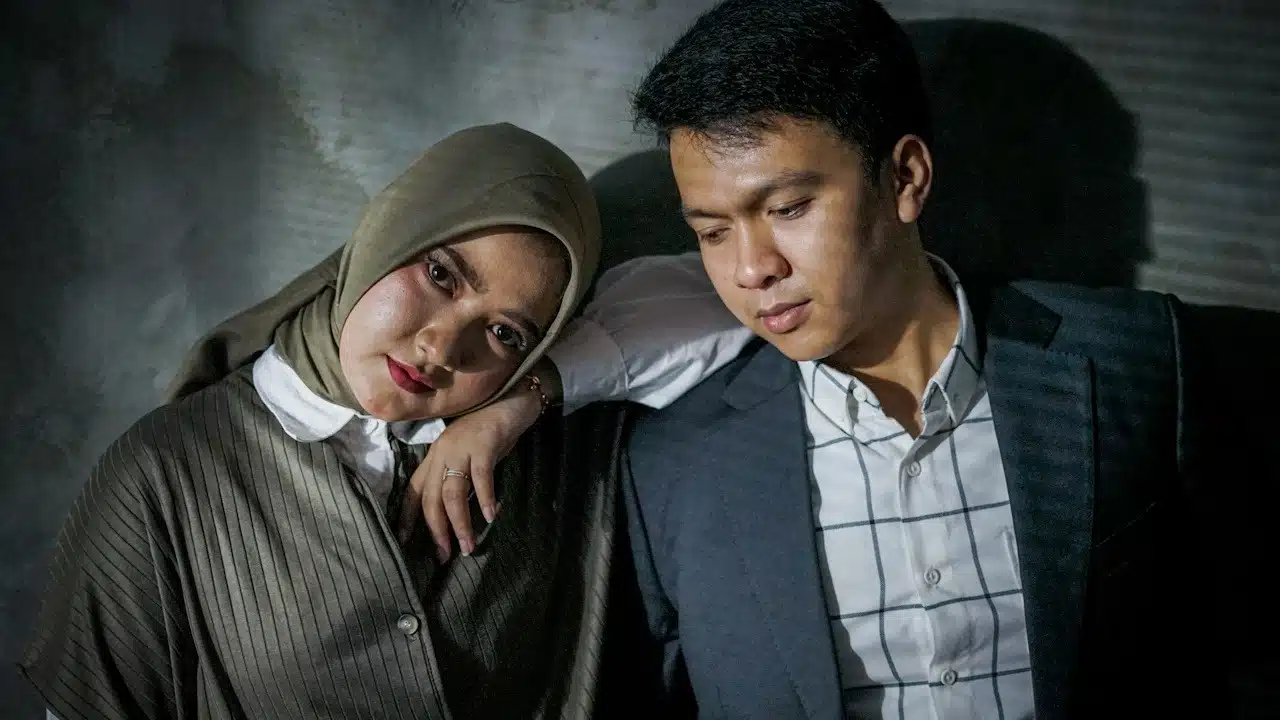
Some men have to deal with wives who think so lowly of them. Every word she speaks or every behavior of hers reeks of her disrespect for his intellect. He is made to feel his emotional intelligence is low or that he can’t handle even normal everyday affairs or decision making maturely. She has to be the dominating one in all joint decisions. This erodes his sense of self-worth and he ends up developing resentment for his wife.
Blamed for Everything

When a man is stuck with a woman who doesn’t hold herself accountable, for everything that goes wrong or every conflict that arises, she points fingers at him. Over time he gets fed up with overexplaining. He emotionally withdraws to save himself from the emotional pain this unfair dynamic inflicts upon him. He refrains from telling his side of the story. That leads to gaslighting and more emotional hurt.
No Room to Vent Without Judgment

A married man with an emotionally unavailable or over-reactive wife suffers silently. He knows even expressing his concern would run her the wrong way. Every time he has tried to open up he was met with dismissal, indifference, criticism, or worse “silent treatment” or “stonewalling”. At some point he gets too emotionally drained from being constantly labelled “angry” or “overreacting”. He stops every effort to be even heard. He chooses silence to preserve his mental peace.
Expected to Fix It All Except Emotions

Married men usually become frustrated when they are expected to attend to all physical tasks, household responsibilities, equal childcare, and problem-solving alone. But the moment they seek emotional support or want their spouse to assess and fulfill their emotional needs, they feel neglected or dismissed.
Silent Burden of Responsibility

Men often are alone in carrying the emotional labor of the entire household. This includes planning, executing logistics, and future planning. They are taken for granted for managing these things without any support. The cognitive burden they bear silently never gets the recognition or acknowledgement they deserve. This really hurts.
Feeling Like a Financial Provider First

Men feel the pressure that society has ingrained in their mind. They have to provide. Even in the case of a dual-income household, women still contribute less or in some cultures not at all. Men feel the strong pressure to be the “sole provider”. When they fail to deliver as per the expectations of their family or society, they start losing their sense of self-worth. They subconsciously associate it with steady income and financial stability.
Invisible Efforts Go Unnoticed

Many women complain of being invisible in their marriage. Very few give thought to the fact that men too deserve to be seen and appreciated for the value they add to the relationship. Many men frequently get unnoticed for the small and big ways they contribute towards the smooth running of the household. This stings badly. They never express their disappointment at being forever taken for granted.
Limited Time for Personal Identity

Marriage may be the start of a beautiful journey. At the same time for men it brings a lifetime of responsibility and duty towards the family and household they are establishing. Many men lose themselves in working towards achieving financial stability or establishing their careers. They put all their personal interests, goals, hobbies or even friendships on the back seat. They prioritise the family they have started. This may take a toll on their mental health. They never speak of their pain.
Suppressed Emotional Needs

Many men are conditioned from their childhood to believe that being vulnerable or crying are signs of weakness. They are not masculine traits. This makes them bottle up emotions inside of them. They never express them even to their life partner. This creates a never ending cycle of stress and anxiety. They fight silent battles alone.
Harder Conversations Avoided

Many men don’t want to come across as driven by a desire for physical intimacy. As marriages grow old, a lot of women may show less interest in reigniting the lost spark. Many men avoid discussing the matter completely even if it’s hurting them. This decrease in romance makes a man feel less desired or even rejected. The sad part is when they try to start a conversation about intimacy, desires, unmet needs, or any other uncomfortable topic he is simply ignored or even dismissed. This leads to a huge emotional disconnect between the spouses.
Constant Guesswork on Expectations

Another pain point for the majority of married men is the unhealthy communication patterns of their wives. Many women leave their husbands guessing what’s on their mind or what they want from them. They do this instead of clearly telling them the expectations or needs. These guessing games usually end up creating emotional distance. They also create deep seated resentment in their hearts.
Lack of Appreciation for the Small Things

Men in love are the most sincere creatures on earth. From fixing their partner’s mental health to fixing her kitchen tap, they go overboard in their efforts. All they want in return is appreciation or gratitude. This motivates them to keep showing their love in different ways. But when she feels entitled as if she is owed his efforts and input, that’s when it becomes problematic. It becomes deeply hurtful for the man.
Pressure to Keep Everyone Happy

Men sacrifice their own joy and desires to fulfill the emotional and financial needs of their family. This means giving up on that car he had always dreamt of. He does this because he values the joy of his family above his own. But silencing their needs all too often or being the martyr can have a very negative effect on their mental health in the long run.
Emotional Distance Disguised as Calm

One big issue with most men is that they are never taught to open up. Instead of openly expressing their dissatisfaction or frustration, they internalise the feelings and hurt. This eventually backfires. It creates resentment for the spouse. It ultimately destroys the emotional connection. Men rarely understand that if it’s costing you your peace of mind it’s worth sharing directly with your spouse. This is better than silently holding grudges to the detriment of your relationship health.
Final Thoughts

Many of the silent struggles mentioned above stem from one common problem: the conditioning by society to silence the inner voice or feelings. Many married men choose to put up a facade of calm and strength. They do this to appear more masculine. But with time this suppression leads to stress, emotional disconnect, silent resentment, or complete emotional detachment. Many of these quiet battles aren’t inherently unfair in nature. Nor are they inflicted by the partner deliberately to cause hurt. Sometimes, the man’s inability to communicate directly and clearly can be a reason why the neglectful behaviors get enabled in the relationship. The key is to unlearn societal conditioning. Communicate better. Be vulnerable and open with your partner. Allowing empathy, better conversations, and healthier emotional expression leads you towards a deeper connection and a happily ever after.








Ask Me Anything