
They say that aging gracefully is about chasing the fountain of youth. And by that, it means maintaining strength, clarity, and independence well over your 50s.
While some of the most effective habits might not be the ones you’ve heard before, the good news is that the science around longevity is evolving fast.
These practical, research-backed tips are designed to help men in their 50s stay sharp, resilient, and physically capable.
1. Use Blood Flow Restriction (BFR) for Joint-Friendly Strength Gains

BFR training uses light compression bands on the arms or legs during light resistance workouts. It tricks your body into thinking it’s lifting heavy, which stimulates muscle growth without overloading joints.
Research shows it can improve muscle size and strength with much less weight. This is ideal if you’ve had past injuries or want to protect your knees and shoulders. It’s a method used by physical therapists and military rehab programs, and it’s backed by solid clinical data.
2. Chew Your Food Thoroughly

Most people chew just enough to swallow. But chewing thoroughly improves digestion and helps your body absorb nutrients more efficiently. It also slows down your eating pace, which reduces overeating and supports better glucose control.
If you tend to eat quickly, this small change can have a noticeable impact on digestion and weight management over time.
3. Prioritize Nose Breathing Over Mouth Breathing

Nasal breathing isn’t just for yoga classes. It helps filter air, regulate oxygen levels more efficiently, and increases nitric oxide production, which is important for blood vessel health and circulation. Studies also show nose breathing can reduce blood pressure and improve sleep quality.
If you snore, deal with dry mouth at night, or feel fatigued during the day, this is worth addressing. Mouth taping during sleep, done safely, is one simple intervention to consider.
4. Use Cold Exposure for Focus and Inflammation Control

Cold exposure, whether through a cold shower, ice bath, or even a brisk morning walk without layers, can help reduce inflammation, improve circulation, and increase mental clarity.
Short sessions of two or three minutes a few times a week have been linked to increased norepinephrine levels, a hormone that improves alertness and mood. You don’t need an expensive setup. Even ending your shower cold is a solid start.
5. Stop Eating at Least Three Hours Before Bed

Nighttime eating interferes with deep sleep and prevents your body from entering its natural repair cycles. When you eat late, your body prioritizes digestion over melatonin production and growth hormone release.
Both are essential for recovery and long-term health. Give your system a break between dinner and bedtime to improve sleep quality, reduce nighttime glucose spikes, and support metabolic health.
6. Consider Creatine
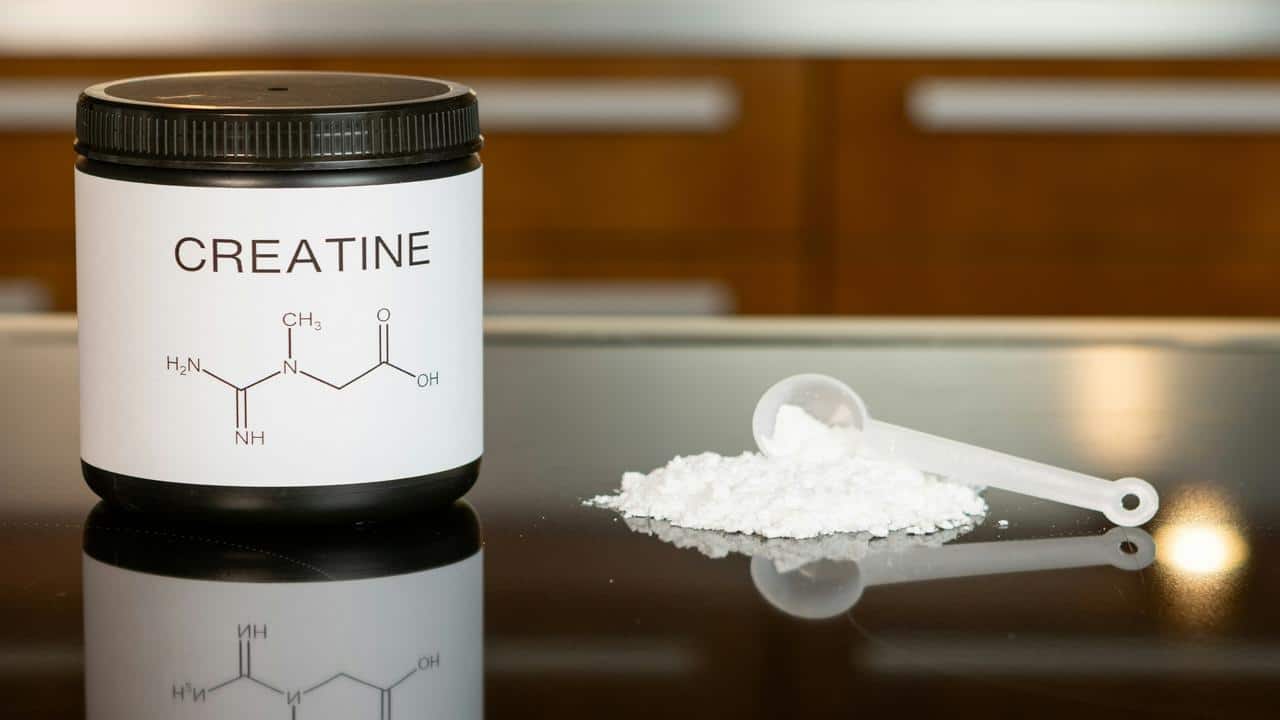
Creatine is one of the most studied supplements and isn’t just for athletes. It helps older adults maintain muscle mass, improve short-term memory, and support energy levels at the cellular level.
It’s also been studied for its role in reducing symptoms of mild depression and cognitive decline. A daily dose of three to five grams is safe for most people and doesn’t require intense training to be beneficial.
7. Track Your Grip Strength

Grip strength is a surprisingly reliable marker for overall health and mortality risk. It reflects nervous system function, muscle mass, and aging rate more broadly than most realize. You can test it using a handheld dynamometer or even with simple farmer’s carries or dead hangs.
If you notice significant weakness, it may signal the need for broader strength training or neurological screening.
8. Cycle Protein Intake to Support Cell Health

While protein is essential for maintaining muscle, a constantly high intake may suppress cellular cleanup processes like autophagy. Introducing one or two moderate-protein days per week, still with sufficient calories, can give your body time to shift focus from building to repairing.
It’s a strategy supported by aging research and can complement a muscle-preserving lifestyle when done properly.
9. Take Regular Brisk Walks

Going for a brisk walk where you can still talk but feel slightly out of breath is one of the best ways to stay healthy as you age. This kind of steady movement helps your body use fat for energy, supports blood sugar control, and keeps your heart and muscles strong.
Aim for 30 to 45 minutes a few times a week to feel more energetic and improve your overall well-being.
10. Combine Collagen With Vitamin C for Better Tissue Repair

Collagen supports joint, skin, and tendon health, but taking it alone isn’t enough. Your body requires vitamin C to synthesize collagen effectively.
Taking the two together increases bioavailability and ensures you’re getting the full benefit. Add citrus fruits, bell peppers, or a vitamin C supplement to your collagen routine for better absorption.
11. Use Blue-Light Blocking Glasses in the Evening

Blue light from screens and LEDs suppresses melatonin production, making it harder to fall and stay asleep. Using blue-light-blocking glasses in the evening or setting devices to night mode can significantly improve sleep quality.
This is critical for hormone regulation, memory consolidation, and cellular repair. It’s a simple change that pays off long term.
12. Pay Attention to How Well You Bounce Back After Activity

Your body gives you clues about how well it’s recovering from stress, exercise, or poor sleep. If you feel more tired than usual, have low energy, or don’t sleep well for several days in a row, it might mean your body needs more rest.
Some smartwatches and health devices can track these patterns, helping you notice small problems before they become bigger health issues.
13. Practice Single-Leg Balance Daily

Balance often declines with age, which raises the risk of falls and related injuries. Studies show that individuals who struggle to balance on one leg for ten seconds are at higher risk of earlier mortality.
Stand on one foot while brushing your teeth or during a phone call. It’s a fast, effective way to maintain neuromuscular coordination and stability. If you need additional support, try to put one hand on the wall and let go slowly to practice the movement.
14. Get Natural Light in the Morning

Morning sunlight exposure regulates your internal clock, supports mood, and helps reset cortisol and melatonin levels. Just ten to fifteen minutes of natural light before 9 a.m. can improve energy during the day and enhance sleep at night.
It’s especially important as natural melatonin production declines with age.
15. Focus on Eccentric Movements for Stronger Joints

Eccentric training, which involves slowing down the lowering phase of a lift, stimulates muscle and tendon growth while placing less stress on joints. This method is particularly useful for improving mobility, reducing injury risk, and supporting long-term strength.
Try slow negatives during squats, push-ups, or resistance band work to get more out of each rep.








Ask Me Anything