
Ever find yourself suddenly losing feelings for someone you were once crazy about? You’re not broken, and it’s not always about them. Falling out of love can happen to anyone, and psychology actually explains why it’s so common. Maybe it’s the way your brain handles attachment, your past experiences, or even the way you communicate in relationships. Understanding why you feel this way can help you avoid repeating patterns that leave both you and your partner frustrated. Think of it as decoding your own heart without overthinking every move.
Lack Of Emotional Compatibility

You might connect on the surface, but if your emotional wavelengths are off, love can fade fast. Feeling misunderstood or unable to share your feelings can chip away at intimacy. Over time, small annoyances start stacking up, and you notice what you don’t have instead of what you do. Emotional compatibility is syncing in how you handle stress, joy, and vulnerability. Without it, excitement turns into frustration. It just means your brains might not vibe the way they should for a long-term connection.
Overemphasis On Physical Attraction

Looks matter in the early stages of dating. But if your bond relies mostly on physical attraction, feelings can vanish when the novelty wears off. Chemistry is important, but it’s not enough to sustain love. Once the excitement fades, you might start noticing flaws that never bothered you before. Relationships need more than sparks to survive, like shared values and emotional trust. When you ignore those deeper layers, it’s easy to lose interest.
Fear Of Vulnerability

Love requires showing your raw self, and that’s scary. If you constantly hold back, it prevents intimacy from growing. Over time, the wall you built keeps both you and your partner at a distance. Fear of getting hurt might make you pull away instead of leaning in. You might convince yourself the spark died when really you’re just protecting your heart. The more you avoid vulnerability, the more superficial love feels. Breaking that habit could save relationships that actually have potential.
Unrealistic Expectations

You might expect love to feel like a movie all the time. Real life isn’t a rom-com, and expecting constant excitement can set you up for disappointment. People aren’t perfect, and flaws are part of every relationship. When your standards are sky-high, it’s easy to notice the little things that annoy you. Instead of seeing growth and effort, your brain fixates on what’s missing. Learning to adjust your expectations means staying realistic about what love actually looks like.
Past Trauma Or Heartbreak
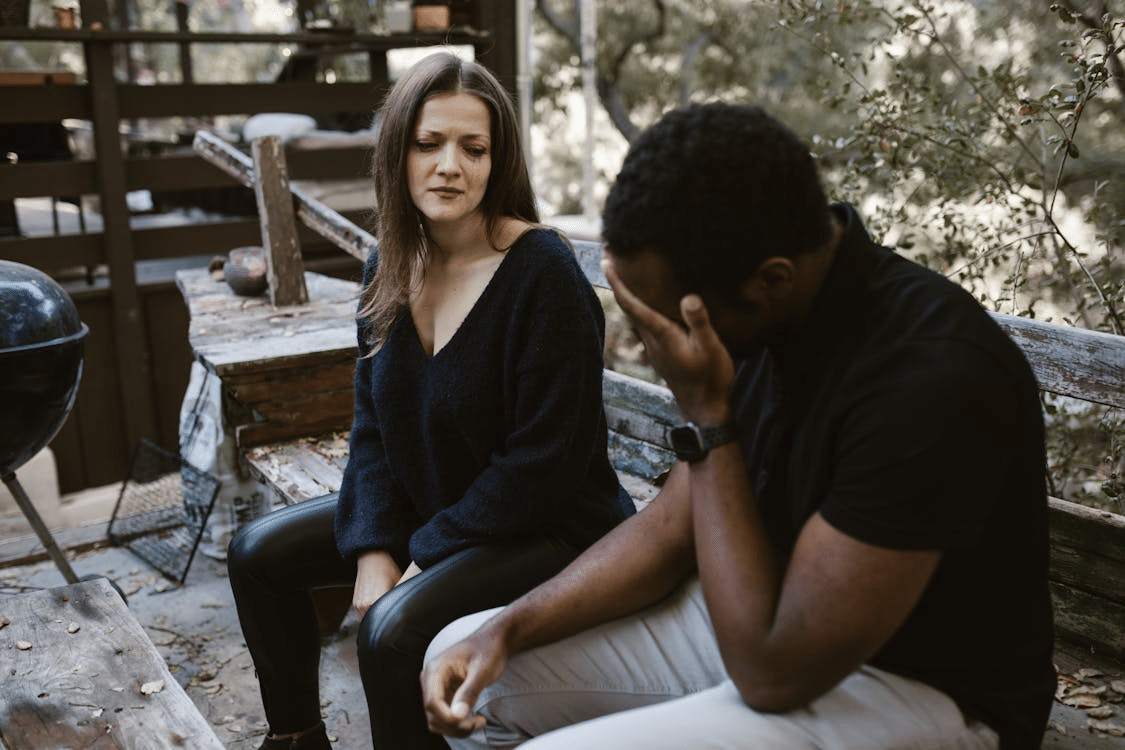
If you’ve been hurt before, your brain remembers. Emotional baggage can make it hard to fully commit. You might fall in love fast but also pull away when things feel too real. Sometimes, you even sabotage relationships without realizing it. It’s your brain protecting itself. Healing old wounds can help you stay present and enjoy love without fear. Recognizing this pattern is the first step to changing it.
Lack Of Shared Goals And Values

Love can start strong, but if your long-term visions don’t align, it’s hard to stay connected. Maybe you’re looking for adventure while your partner wants stability. These differences show up over time and create friction. Shared goals and values are the glue that keeps love steady. Without them, you can feel like you’re growing in different directions. It’s biology and psychology recognizing mismatches. A relationship without alignment is harder to sustain than you think.
Boredom Or Routine

Routine kills excitement, and without novelty, your brain can start losing interest. Doing the same date nights, conversations, or habits over and over can make you feel emotionally stagnant. Humans crave novelty for dopamine hits, and relationships aren’t exempt. If you don’t actively create new experiences, love can feel flat. The thrill of discovery keeps you engaged, both mentally and emotionally. When life gets too predictable, feelings fade. Mixing things up is key to keeping the spark alive.
Poor Communication Skills

You might care about someone but fail to express it in ways they understand. Misunderstandings pile up, leaving resentment instead of connection. Poor communication makes small issues blow up into relationship dealbreakers. Even subtle things like not sharing appreciation or emotions create emotional distance. You might feel like love is fading, but really, it’s just unmet communication needs. Learning to talk and listen effectively can keep relationships from unraveling.
Attachment Style Conflicts

Your attachment style influences how you bond, handle conflict, and maintain closeness. If you’re avoidant and your partner is clingy, tension will rise. Anxious tendencies can make you feel trapped or doubted. These mismatches create push-pull dynamics that erode feelings over time. Understanding your style and your partner’s can prevent falling out of love quickly. It’s not weakness; it’s biology interacting with experience. Awareness helps you navigate relationships smarter.
Emotional Burnout

Sometimes, you’re just tired. Love requires energy, attention, and patience. If you’re juggling work, stress, or family issues, it can sap your emotional bandwidth. Even a great relationship feels like a chore when you’re burnt out. Love fades not because you don’t care, but because you don’t have the mental capacity to nurture it. Taking care of your own well-being can reignite feelings naturally. Self-care is part of love too.
Insecurity And Self-Doubt

Your brain can sabotage love if you doubt yourself. You might overanalyze every interaction, wonder if you’re good enough, or fear being rejected. This constant mental strain can make you detach from your partner. It’s easier to leave than risk being hurt. Insecurity often masquerades as loss of interest, but the root is internal. Confidence and self-awareness help you stay emotionally invested. The more you trust yourself, the more you can trust love.
Fear Of Commitment

Falling in love is great until it starts to feel permanent. Some men (and women) panic when the relationship demands long-term planning. Fear of commitment can make you pull away, even when everything seems perfect. You might confuse love fading with fear of being tied down. Understanding this distinction helps prevent unnecessary breakups. Love needs courage, and commitment is part of it. Avoiding it can make you fall out of love faster than anything else.
Over-Reliance On Novelty

You might chase the thrill of “newness” in relationships. Once the initial excitement ends, your brain craves another high elsewhere. This is how dopamine works. Without deeper connection, novelty wears off, and love feels less intense. Learning to appreciate the subtler aspects of love helps you stick around. Real bonds last beyond the first rush of excitement. Otherwise, you’ll keep cycling through fleeting crushes.
Misalignment Of Life Priorities

Even if the chemistry is strong, different priorities can pull you apart. Career goals, family planning, or lifestyle choices can clash over time. These differences shape daily life and long-term happiness. Falling out of love here is more practical than emotional. It’s about realizing compatibility in action, not just feelings. Recognizing this early can save heartbreak later.
Loss Of Respect Or Trust

Love cannot survive without respect and trust. Betrayals, lies, or repeated disappointments chip away at feelings. Even subtle patterns of disrespect slowly erode emotional connection. Without trust, attraction fades because your brain associates love with danger or discomfort. Repairing trust takes effort, but ignoring it accelerates falling out of love. Respect is the foundation, and when it cracks, everything else follows.








Ask Me Anything