
Most productivity advice online looks great in a tweet but crashes in real life. You try it for a week, feel worse, and end up exactly where you started—overworked and under-focused. This list skips the fluff and gets right to what actually works. These are the real habits and time-saving hacks busy professionals rely on to boost productivity without adding stress. If you want to get more done without feeling like you’re sprinting all day, keep reading.
Use a “Parking Lot” for Distracting Thoughts
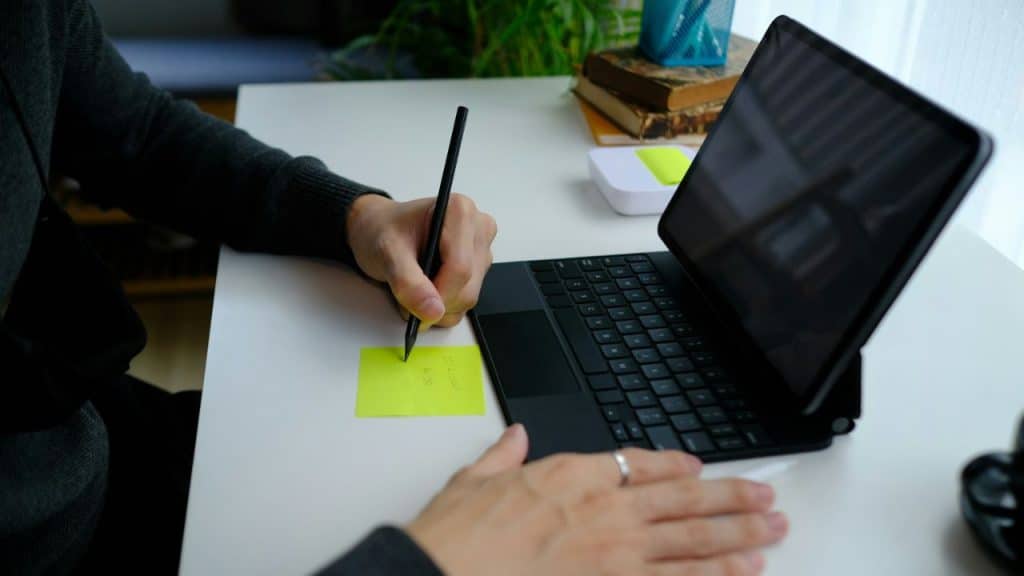
When your brain tosses out a random idea mid-task, write it down and move on. Keep a “parking lot” list (on paper or digital) to catch those thoughts before they derail you. It clears your head without ignoring what might be important later. You’re not ignoring ideas, just filing them where they won’t interrupt your current focus. This helps you stay locked in without worrying you’ll forget something.
Time Block Like It’s a Meeting

If it’s not on your calendar, it’s probably not happening. Schedule deep work like you would a client call—same level of commitment. Block off time for focused work and treat it like an appointment you can’t cancel. This creates natural boundaries in your day and makes distractions easier to ignore. You’re less reactive and more in control of your own time.
Do the 3 Most Important Things Before Lunch

Morning energy is a real thing, so don’t waste it. Knock out your top three priorities before lunch while your brain is still sharp. Save the admin stuff and busywork for later. When you front-load your day with impact tasks, you build momentum and avoid the afternoon scramble. You’ll finish the day feeling like you actually moved the needle.
Use the 2-Minute Rule Religiously

If it takes less than two minutes, do it immediately. Replying to that short email? Adding a calendar reminder? Filing a document? Don’t let micro tasks pile up into mental clutter. Getting them out of the way fast keeps your to-do list lean and your mind clear. It’s a small rule with a big payoff.
Set “Anti-To-Do” Boundaries

Sometimes what you don’t do matters more. Write down a short “not today” list: things that aren’t urgent or don’t need your attention right now. It creates clarity and protects your focus from distractions pretending to be important. This is how professionals protect their time, by knowing what to ignore.
Embrace Ugly Drafts

Perfection kills momentum. Let yourself write the messy first version, even if it’s barely readable. You can edit later, but you can’t edit a blank page. High performers know speed matters more than polish, especially at the start. Get it out, then clean it up.
Use Headphones (Even Without Music)

Wearing headphones, even in silence, sends a clear message: “I’m busy.” It helps cut down interruptions and mentally signals it’s time to work. You don’t need a playlist—just the physical cue is enough. It’s a simple trick, but surprisingly effective at keeping distractions at bay.
Batch Small Tasks Into Power Hours

Emails, invoices, errands—stop scattering them across your day. Batch them into one or two short time blocks and knock them out in a focused sprint. This keeps them from bleeding into your deep work time. It also feels more satisfying to check off a bunch of small things in one go than to keep bouncing between them all day.
Put the Phone in Another Room

Even on silent, your phone still pulls your attention. Just seeing it nearby is enough to mess with your focus. Put it in a drawer, or better yet, leave it in another room entirely. You’ll feel the difference almost immediately. Out of sight really is out of mind.
Use “Dead Time” Wisely

Long lines, boring commutes, five-minute waits—these moments add up. Use them to review notes, sketch ideas, or listen to useful audio. It’s not about squeezing every second dry, but about making the most of the in-between moments without extra effort. This habit alone can buy back hours each week.
End the Day With a Quick Reset

Don’t start tomorrow already behind. Spend the last 10 minutes of your day setting up your top 3 priorities for the next one. Tidy up your workspace, clear distractions, and close your tabs. This simple ritual gives you a clear runway when you sit down to work again. It turns chaos into momentum.
Cut Meetings in Half (Or Kill Them Entirely)

Default to 15 or 30 minutes. Better yet, ask: “Can this be an email?” Most meetings drag on longer than they need to. Shorter ones force clarity and focus. Eliminating unnecessary calls frees up huge chunks of your day for real work.
Use a Physical Whiteboard

Sometimes analog works better. A whiteboard keeps your top tasks and goals visible at all times, no tabs, no logins, no digging. It helps you visualize progress and stay aligned with what matters most. When it’s right in front of you, it’s harder to ignore.
Follow the “Don’t Break the Chain” Rule

Want to build consistency? Track habits with a calendar or habit chain. Each day you complete the task, mark an X. Over time, the growing streak becomes a motivator in itself. It’s a simple way to stay accountable without using yet another app.
Take Real Breaks, Not Scroll Breaks

Scrolling through your phone isn’t rest, it’s stimulation. Take real breaks that allow your mind to reset: walk around, stretch, and breathe. Step away from screens and do nothing for a few minutes. You’ll come back with better focus and fewer headaches.








Ask Me Anything