
Admiration is one of the most underrated fuels in marriage. It is not worship or flattery, it is respect, appreciation, and genuine esteem. Many husbands do not notice it fading until the relationship starts feeling colder or more transactional. The shift is often subtle: less warmth, fewer compliments, fewer “I’m proud of you” moments. It can happen even in stable marriages where nobody is cheating or fighting. Stress, resentment, routine, and emotional distance can all chip away at admiration. These moments often feel small, but they land heavy.
The Tone Changes: When Warmth Gets Replaced by Efficiency

Admiration often shows up in tone, how a spouse speaks when nobody is watching. When tone becomes clipped, impatient, or purely practical, something is shifting. The marriage can start feeling like a schedule instead of a bond. These moments are not always dramatic, but they are consistent enough to be noticed. Efficiency is useful, but it is not intimacy. When warmth fades, a husband often feels it in everyday conversations. A lack of admiration often sounds like a lack of interest. These are the moments where that shift becomes obvious.
She Stops Sharing Good News With Him First

In many marriages, good news is shared with the person who feels safest and most supportive. When a wife starts telling friends or family first, it can signal emotional distance. It may not be intentional, but it changes how connected the husband feels. He notices he is no longer the “first call” for wins, laughs, or excitement. Over time, that can feel like being downgraded in importance. Admiration often includes wanting a partner’s pride. When she stops reaching for his reaction, it can sting. It is a small moment that reveals a bigger shift.
She Stops Asking for His Opinion on Things That Matter

Asking for input can be a quiet form of respect. When a wife used to ask for advice and no longer does, the husband may feel sidelined. It can look like independence, but it can also signal reduced trust in his judgment. The husband notices decisions are made without his perspective being requested. He may still be included in logistics, but not in meaningful choices. This shift often feels like losing influence in the relationship. Admiration tends to include valuing a partner’s mind. When his perspective stops mattering, he feels it.
His Effort Gets Noticed Less, but Mistakes Get Noticed More

Admiration balances feedback with appreciation. When admiration fades, gratitude becomes rare and critique becomes frequent. The husband may notice that what he does right gets treated as expected. But what he does wrong gets highlighted quickly. Over time, this creates a feeling of always being behind. It can also make him less motivated to try, because effort feels invisible. Even small tasks start feeling like they are judged. Admiration helps a partner feel seen for contribution, not only for flaws. When that disappears, the relationship feels harsher.
She Responds to His Wins With Neutral Energy

A husband often notices admiration in the way his wife reacts to his success. When promotions, achievements, or personal progress get a flat response, it feels different. The reaction may become “That’s nice” instead of genuine excitement. It can feel like his growth no longer matters to her. This does not always mean jealousy; sometimes it is emotional fatigue or resentment. But the emotional impact is still real. Admiration shows through enthusiasm and pride. When that pride is missing, a husband notices quickly.
The Respect Erodes: When He Feels Talked Down To

Admiration and respect are closely connected. When a wife starts correcting him like a child or speaking with superiority, it often lands as disrespect. The husband may notice sarcasm, eye-rolls, or dismissive responses during basic conversation. Even if she does not intend harm, the message feels clear. Over time, he begins choosing silence to avoid being belittled. Silence becomes a defense, not peace. Admiration creates softness even during disagreement. When softness disappears, the marriage feels colder.
She Starts Using “You Always” and “You Never” More Often

Once admiration fades, conflict language often becomes harsher. Absolutes like “you always” and “you never” signal frustration and contempt building. The husband notices arguments feel less specific and more personal. Instead of discussing behavior, she seems to attack his character. That makes repair harder because the issue becomes identity-based. Over time, he feels like he cannot win or improve. Admiration makes room for seeing effort and intention. When admiration fades, the partner often sees only patterns of failure. Those phrases are small but sharp signals.
She Stops Defending Him in Front of Others

Loyalty and admiration often show up when outsiders cross a line. If friends or family criticize him and she stays silent, it can feel like abandonment. The husband notices he is no longer protected socially. He may feel like she agrees with the criticism, even if she does not say it. That can create insecurity and resentment quickly. A spouse does not need to fight battles, but basic support matters. Admiration often includes pride and protection. When she stops defending him, he feels exposed.
He Feels Like a Tool, Not a Partner

A husband may realize admiration is fading when he feels valued mainly for tasks. The relationship becomes “do this, handle that, fix this,” with little appreciation. He notices affection is replaced by expectation. Conversations revolve around responsibilities instead of connection. Over time, he feels like a function, not a person. That feeling often creates emotional withdrawal. Admiration includes seeing the person behind the role. When the role becomes all that matters, something has shifted.
The Emotional Distance: When Connection Stops Feeling Natural

Some moments feel less like disrespect and more like absence. The wife may not be cruel, just emotionally unavailable. The husband notices less eye contact, less curiosity, and fewer spontaneous moments of closeness. The relationship begins to feel formal or routine. Even laughter becomes rarer. He may feel like he has to “schedule” connections, which can feel unnatural. Admiration often makes connection feel easy. When it becomes effortful, the husband notices.
She Stops Flirting With Him Like She Used To

Flirting is not just for early dating, it is a sign of admiration and desire. When playful teasing, affectionate touch, and flirt energy disappear, it often feels personal. The husband notices intimacy becomes less spontaneous and more practical. Even compliments about his appearance or energy fade. This can create insecurity, especially if life stress is already high. Flirting can fade for many reasons, including exhaustion and resentment. But the effect is the same: he feels less desired. Admiration often includes attraction, even in small ways.
His Presence Starts Feeling Optional
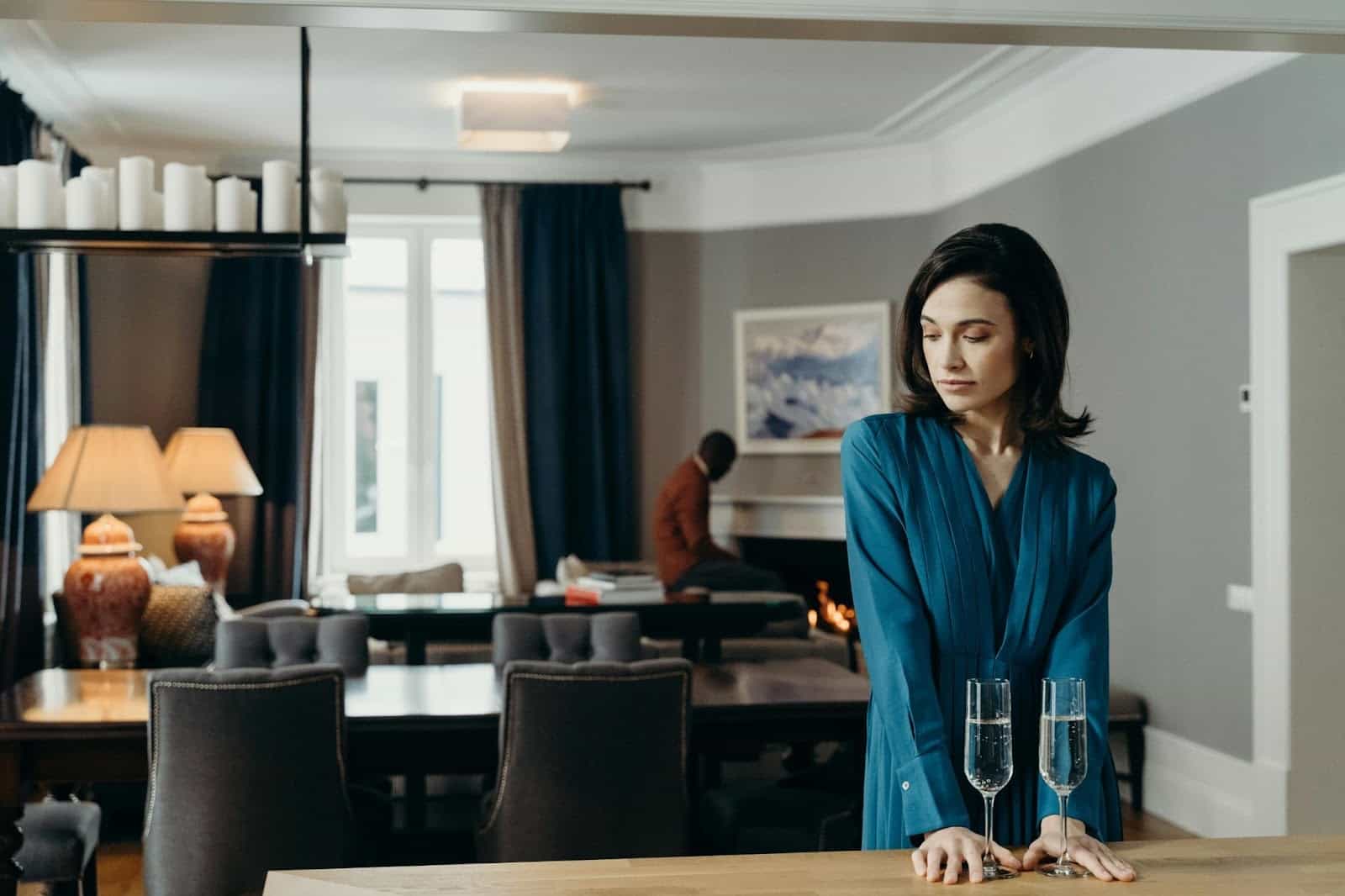
A husband realizes admiration is fading when he feels like an accessory. Plans get made without checking in, and his preferences feel ignored. He notices the household runs as if he is just there, not valued. When he speaks, the response feels distracted or minimal. Over time, he feels like he could disappear and the emotional impact would be small. That is a painful realization because it suggests detachment. Admiration makes a partner feel important. When importance fades, presence starts feeling optional.
She Looks More Irritated Than Impressed

A husband often notices a shift in facial expressions before words. Eye-rolls, sighs, and impatience become frequent. The wife seems more annoyed than affectionate, even in neutral moments. This changes the emotional climate of the home. The husband feels like he is always bothering her. Over time, he stops initiating conversation or affection. Admiration usually softens reactions and increases patience. When admiration fades, irritation becomes louder. That irritation becomes a daily signal.
She Stops Saying “Thank You” for the Basics

Gratitude is a small habit that carries a lot of emotional weight. When “thank you” disappears, effort can feel pointless. The husband notices he is doing things that used to earn appreciation, but now get treated as expected. That creates a quiet feeling of being taken for granted. It can also make him less generous over time. Appreciation does not need to be dramatic, just consistent. Admiration often shows through small acknowledgements. When those vanish, the marriage feels colder.
He Notices She Doesn’t Seem Proud to Be With Him

This realization is often the heaviest. The husband senses she is not excited to mention him, include him, or speak positively about him. She might avoid posting photos, bringing him to events, or talking about him with warmth. Even private moments lack that “I’m glad you’re mine” energy. It can feel like she is emotionally distancing herself. This does not always mean she wants to leave, but it often signals a loss of admiration. Admiration includes pride and warmth. When pride fades, the husband feels it deeply.
Tips: What a Husband Can Do Before Resentment Grows

Start with curiosity rather than accusation. Ask what has been feeling heavy or missing in the marriage lately. Focus on repairing specific patterns instead of defending character. Increase follow-through on small commitments, because consistency rebuilds trust. Reintroduce appreciation and affection in ways that feel natural, not performative. Notice emotional triggers and reduce the behaviors that create repeated tension. Create time for connection that is not about logistics. If communication keeps looping, counseling can create structure and safety for honest conversations.
Tips: How to Rebuild Admiration Without Begging for It

Admiration returns when a man becomes steady, responsible, and emotionally present. Avoid chasing approval through pleading or over-explaining. Improve the areas that matter most in daily life: reliability, calm conflict, and shared responsibility. Bring initiative back into the relationship, especially around planning and problem-solving. Take accountability where needed without collapsing into shame. Show strength through consistency, not control. Healthy confidence creates space for admiration to return naturally. A relationship often shifts when effort becomes visible and sustainable.
Tips: When the Issue Might Be Bigger Than Effort
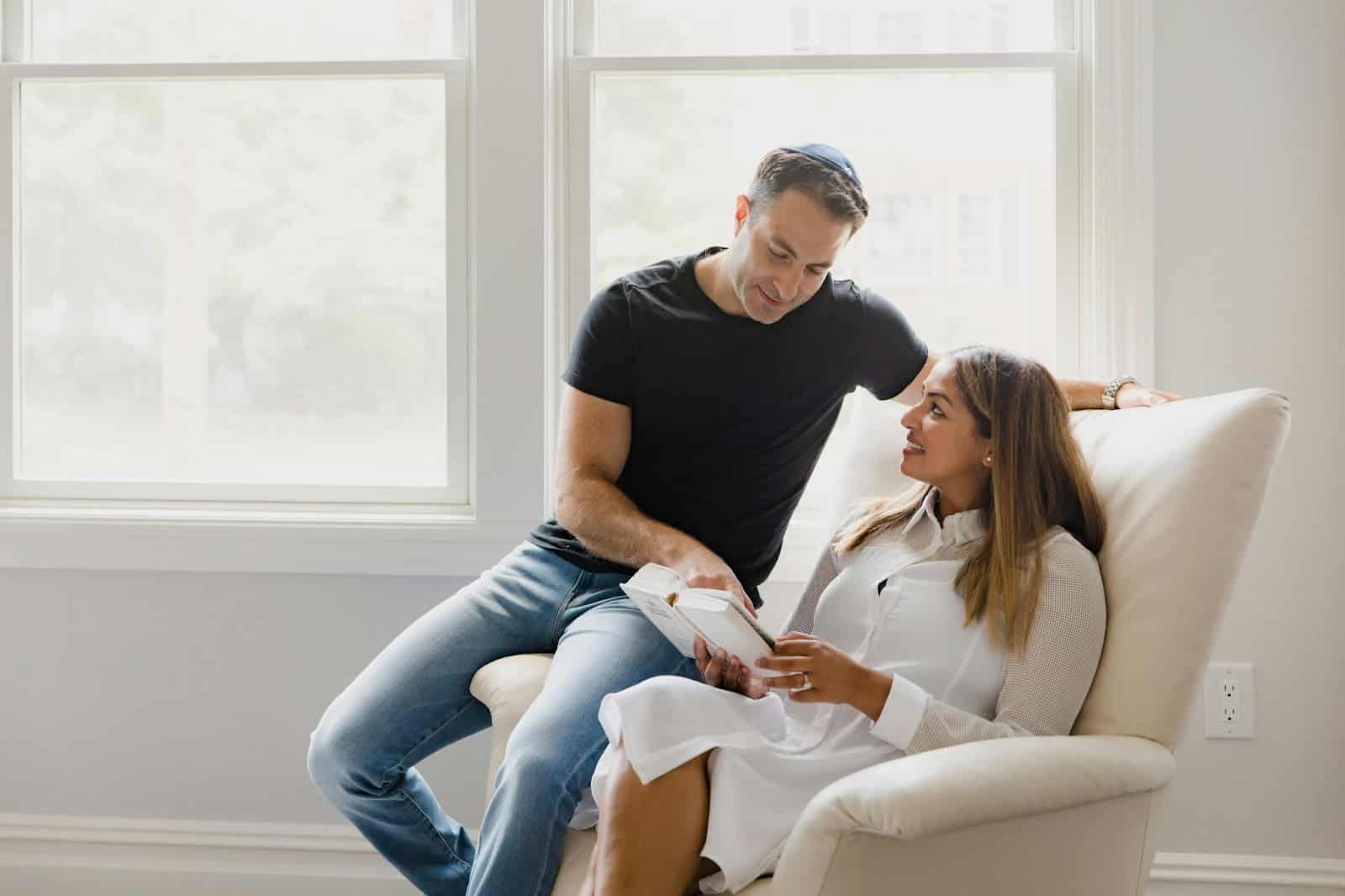
Sometimes admiration fades because resentment is already deep. If contempt, chronic disrespect, or refusal to repair is present, effort alone may not fix it. If one spouse consistently shuts down every conversation, the marriage can become emotionally stuck. If emotional safety is missing, both people may protect themselves with distance. In those cases, structured help can be necessary. It also helps to separate what can be changed from what is being tolerated. A marriage needs mutual willingness to rebuild. Without that, the relationship may remain cold no matter how hard one person tries. Clarity matters more than denial.
Admiration Can Return, But It Requires Intentional Repair

Many husbands realize admiration is fading through small, repeated moments, not one dramatic event. Those moments often signal emotional distance, resentment, or unmet needs. The good news is that admiration is not always gone forever. It can return when both spouses rebuild respect, appreciation, and emotional closeness. That usually requires direct conversations, better daily habits, and shared responsibility. It also requires reducing criticism and increasing warmth. A marriage cannot live on loyalty alone; it needs admiration to feel alive. The earlier the shift is noticed, the easier it is to repair. Admiration is not a bonus, it is a foundation.








Ask Me Anything