
Marriage isn’t always what you signed up for. Some days feel like you’re carrying more weight than anyone realizes, and a lot of what bothers you never gets said out loud. Men notice these one-sided dynamics, from constant critiques to invisible chores, and they quietly build resentment over time. This list is a straight look at what men see and why certain behaviors would be deal-breakers if the roles were reversed.
Financial Transparency Issues
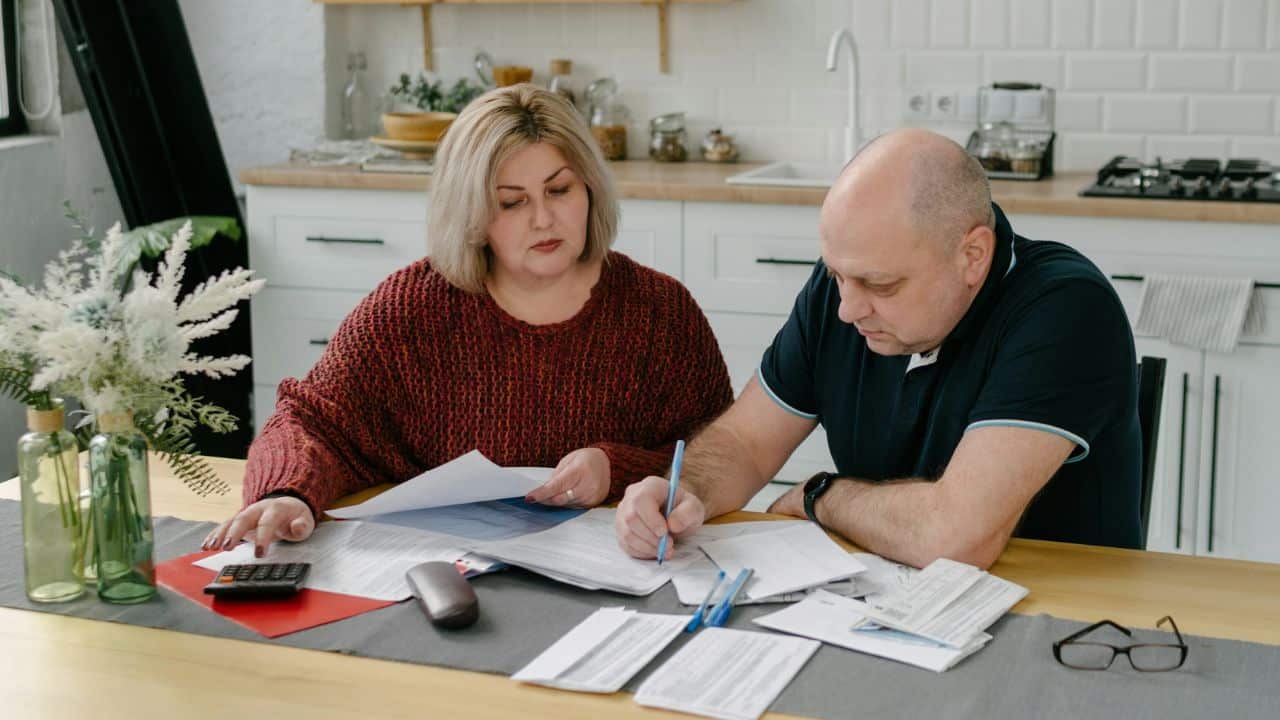
Money is one of the most sensitive areas in a marriage. Secret spending or uneven accountability raises suspicion and tension. Men often point out that hidden purchases or double standards around money would not fly if roles were reversed. Clear communication about finances is crucial for trust and stability.
Decision-Making

When one partner calls all the shots, men feel sidelined and powerless. Their opinions, experience, and insights are often ignored, leaving them frustrated and disconnected. Men notice the strain this creates and say it would be impossible to maintain if the roles were flipped. A marriage where decisions flow both ways keeps respect intact.
Household Responsibility Load
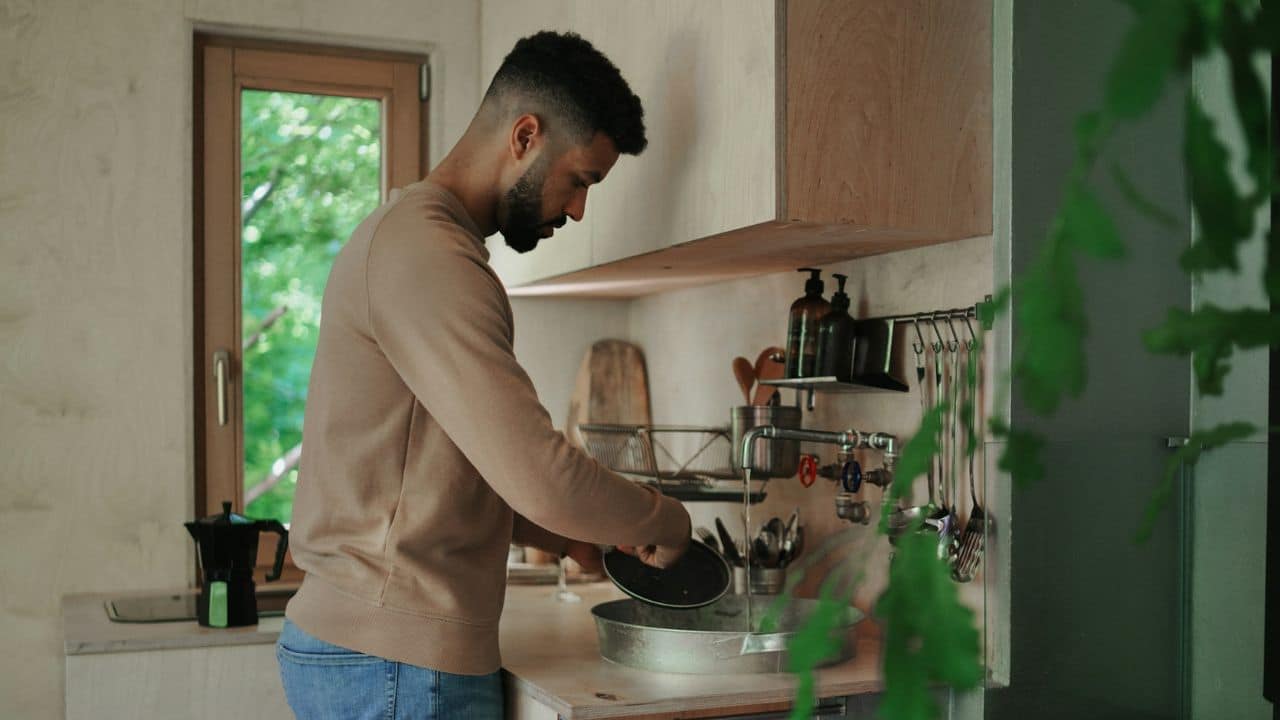
Chores and mental load are rarely equal. Men see when one partner is stuck managing everything, from cleaning to scheduling, and the stress quietly builds. If the roles were reversed, most men say the imbalance would be impossible to tolerate. Fair distribution of responsibilities keeps the relationship grounded and prevents long-term resentment.
Emotional Labor Expectation

Being the default emotional support is exhausting. Men notice when one partner consistently carries the emotional weight, from planning to comforting. The pressure is invisible but heavy. If the roles flipped, men say this imbalance would quickly become a deal-breaker.
Parenting Pressure

Parenting works best when both partners contribute equally to rules, discipline, and guidance. Men observe situations where one partner dominates, leaving the other to follow. The strain builds silently but steadily. In reverse, men say this type of imbalance would end the relationship fast.
Criticism vs. Appreciation

Constant critique without acknowledgment of effort hits hard. Men notice when their work at home, career, or parenting is ignored or dismissed. Feeling undervalued creates silent resentment. If the roles were reversed, most men agree, this dynamic would not last.
Social Priorities Ignored

Friends and family can take up more attention than the relationship itself. Men see when social priorities overshadow time together. This imbalance feels like neglect and causes tension. If roles were switched, men say it would be a quick deal-breaker.
Intimacy Disconnect

Sex, affection, and emotional closeness are core to marriage. Men notice when the expectations are one-sided, with pressure to perform or give more than they receive. This creates silent frustration and distance. In reverse, most men say the relationship would not survive long.
Unequal Compromise

Relationships require give and take, but men see when they are always the ones adjusting. Plans, schedules, and personal preferences often bend toward one side. The imbalance is subtle but accumulates quickly. Men say that if roles were reversed, the marriage would likely end.
Decision to Leave or Stay Dismissed

When one partner can unilaterally decide to stay or leave, men feel trapped and powerless. The lack of mutual respect for major choices is draining. If roles were switched, men would notice this as a relationship killer. Every decision should feel shared to maintain trust.
Emotional Outbursts

Explosive arguments that go unchecked are exhausting. Men notice the emotional toll and how quickly tension can spiral. These outbursts create anxiety and fear in a relationship. If roles were reversed, men say the dynamic would push them out immediately.
Selective Memory or Accountability

Holding past mistakes over a partner while ignoring current contributions is frustrating. Men see when their efforts are forgotten, and only errors are remembered. The imbalance feels unfair and demoralizing. Men note that if the roles were flipped, this would not be tolerated.
Friend/Family Dynamics Pressure

External influence from relatives or friends can shift the balance of a marriage. Men see when decisions are dictated by outside pressures rather than mutual respect. The strain can build without either partner realizing it. If roles were reversed, men say this dynamic would be untenable.
Lifestyle Choices Ignored

Differences in health, leisure, or career support can quietly stress a marriage. Men notice when their choices are dismissed or criticized. Over time, resentment builds without confrontation. In reverse, men say this dynamic would end quickly.
Disrespect in Small Ways

Micro-disrespect, like interrupting, ignoring input, or dismissing opinions, adds up fast. Men see how small actions reflect larger patterns of disregard. These moments create tension that often goes unspoken. If roles were reversed, men say the relationship would not last.








Ask Me Anything