
Love can be a beautiful thing, but sometimes, what looks like love is actually fear wearing a mask. People often act out of a fear of losing connection, being abandoned, or not feeling enough. These fears can lead to habits that seem thoughtful or romantic on the surface, but underneath, they’re driven by insecurity. Understanding the difference matters, because fear-based love can feel draining, not fulfilling. These 10 habits may seem like love, but they deserve a second look.
Constant Check-Ins That Feel More Like Surveillance
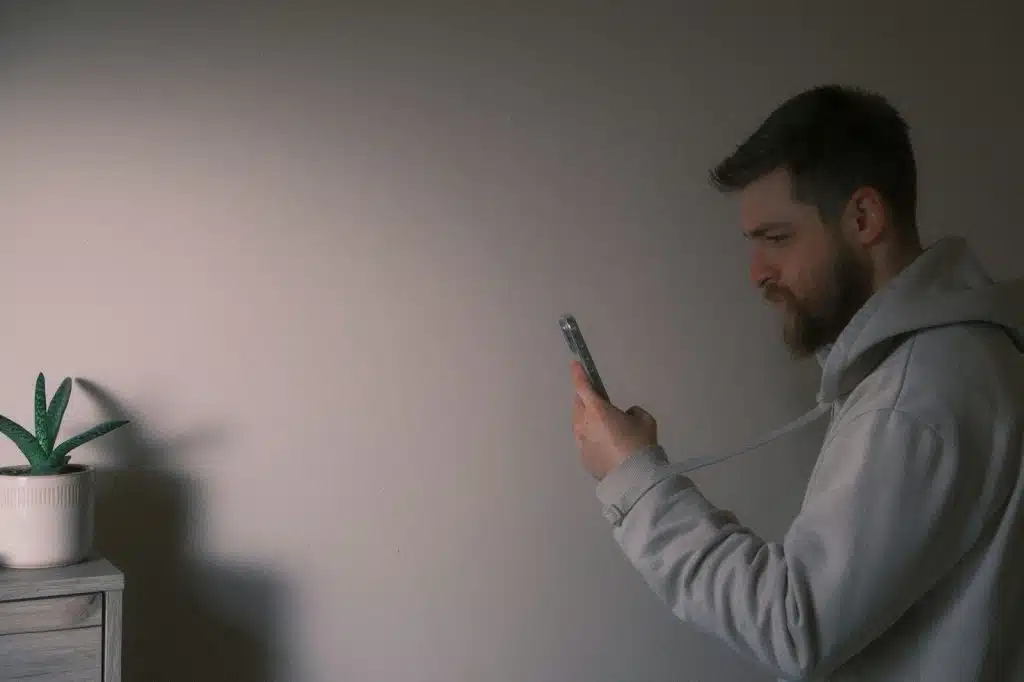
It’s one thing to check in during the day. It’s another to ask, “Where are you?” and “Who are you with?” every few hours. This kind of monitoring can be framed as care, but it’s often rooted in anxiety. It doesn’t build trust, it erodes it. When “just checking” becomes a pattern, it’s usually more about control than connection.
Always Needing Reassurance

Frequent “Do you still love me?” or “Are we okay?” questions might sound like vulnerability, but they can also come from deep self-doubt. It’s natural to want affirmation, but when it becomes constant, it places emotional labor on the partner. Reassurance feels good, but when it’s demanded too often, it reveals a lack of inner security.
Overgiving That Feels Like a Transaction
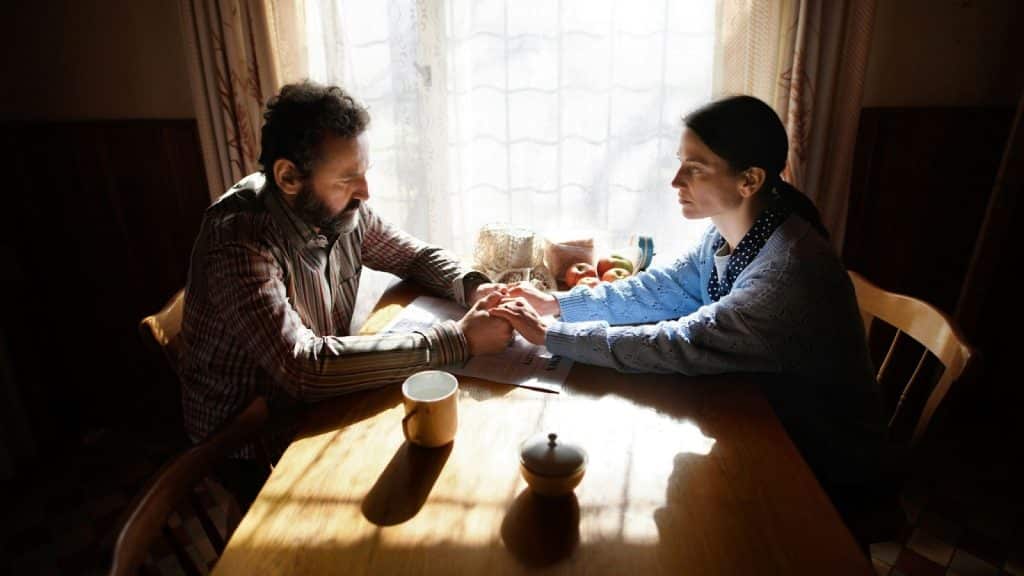
Giving is a part of love. But when gifts, favors, or acts of service are done with the hope of being liked more or not being left, that’s fear at work. It becomes a strategy, not generosity. Love shouldn’t be bought, and when it is, resentment usually follows.
Sacrificing Personal Boundaries to Keep Peace

Saying yes to everything, avoiding conflict, or bending values just to “keep things good” might look like being loving or easygoing. But often, it’s fear of being rejected for having needs. When someone erases their own identity to fit the relationship, it’s not love, it’s self-protection.
Jealousy Framed as Passion

Jealousy is often mistaken for intensity or deep love. Comments like “I just care too much” can excuse controlling behaviour. But real love trusts. Jealousy that leads to accusations, tension, or isolation isn’t romantic, it’s anxiety acting out.
Fixing Their Problems to Feel Secure

Helping a partner through challenges is part of support. But stepping in to fix everything, not out of love, but because their struggles make you anxious, can create a dependency. It’s less about love, and more about needing to feel needed.
Always Putting Their Needs First (Even When It Hurts You)

Prioritising a partner is healthy. But constantly putting your own needs last, sleep, mental health, personal goals, often comes from fear of losing them. When you become invisible in the relationship, it’s not selfless love. It’s fear of not being enough on your own.
Avoiding Honest Conversations to Stay “Close”

Some think being close means never having conflict. But closeness without honesty isn’t intimacy, it’s performance. Fear of upsetting your partner might stop you from saying what you really feel. Over time, that avoidance builds walls instead of bridges.
Needing to Be Their Everything

Being deeply connected is beautiful, but expecting to be your partner’s entire emotional world is unsustainable. When one person becomes the sole source of support, validation, and happiness, it’s often fear of being replaced or left out. Real love allows space, not pressure.
Rushing the Relationship Timeline

Love grows in its own time. But when there’s pressure to move fast, meet the family, move in, get engaged, it may come from fear, not love. Speed can feel exciting, but when it’s driven by panic, it often skips the foundations needed for something real.
Reading Too Much Into Every Small Change

If a partner replies slower than usual, acts quieter one day, or doesn’t say “I love you” first, fear-based thinking might interpret this as danger. Over-analyzing becomes exhausting for both people. Love trusts the bond; fear interrogates it.
Being Overly Available, All the Time

Dropping plans, ignoring your own priorities, or always being ready whenever they need something may feel like love. But when it’s about trying to prove worth or avoid disapproval, it’s not a healthy presence, it’s hypervigilance. Relationships thrive with balance, not self-erasure.
Confusing Intensity With Depth

Big gestures, dramatic declarations, and emotional highs might feel like passion, but they can be compensation for a lack of real stability. True love is often quiet, steady, and safe. If the connection feels more like a rollercoaster, it might be fueled by fear, not depth.
Love Built on Safety, Not Survival

Love rooted in fear is often exhausting, it requires proving, performing, and protecting. Love rooted in safety is different. It allows space, trust, and authenticity. Recognising fear-based habits isn’t about blame, it’s about growth. Because real connection starts when fear isn’t behind the wheel.








Ask Me Anything