
Married life changes your rhythm, but it does not erase your impulses. When you finally get time alone, your mind drifts in directions you do not always admit out loud. This is not about blaming or shaming. It is about recognizing patterns so you can stay in control instead of pretending you are immune. If you are a man in your 30s to 50s, you already know how easy it is to justify small things that slowly add up. And if you are reading this as a woman, this gives you a clear look at what actually crosses a man’s mind when no one is watching.
Scrolling Through Old Flames
You tell yourself it is harmless to check on someone from your past. One quick search turns into ten minutes of scrolling through photos and updates. You start comparing your current life to what could have been. Your brain fills in gaps and makes everything look better than it actually was. You might even feel a small rush when you see they are doing well or thinking about you. It feels private, like no one will ever know. But that quiet curiosity can slowly reopen doors you worked hard to close. If you are not careful, nostalgia turns into emotional cheating without you realizing it.
Watching Content You Would Not Admit

When you are alone, your standards can quietly drop. You click on things you would never openly defend. It feels like stress relief, like you earned this moment. You convince yourself it is separate from your real relationship. Over time, though, it shapes how you see intimacy and connection. You may start expecting unrealistic things from your partner. That gap creates tension even if you never say it out loud. What feels like a private habit can slowly affect your real life in ways you cannot ignore.
Fantasizing About Other Women

Your mind wanders, and suddenly you are building scenarios that feel exciting and new. You justify it by saying thoughts are not actions. The problem is how often you go there and how real it starts to feel. You might begin comparing your partner to someone who only exists in your imagination. That makes real connection feel less exciting. You become less present in your actual relationship. It is a subtle shift that chips away at satisfaction. If you let it run unchecked, it changes how you show up as a partner.
Reaching Out “Just to Catch Up”

You type a message and delete it, then type it again. You tell yourself it is just a friendly check in. The intention feels harmless at first. But you already know there is a reason you chose that specific person. The conversation can quickly turn more personal than expected. You start sharing things you have not told your partner. That emotional closeness builds faster than you planned. What started as casual can turn into something harder to walk away from
Flirting in DMs

It starts with a like, then a reply, then a joke that crosses a line. You enjoy the attention and the validation. It feels good to be seen in a different light. You tell yourself it is not serious because it is online. But you are still investing energy outside your marriage. That attention creates distance at home. You may even start hiding your phone more often. Small digital habits can have real world consequences.
Ignoring Boundaries With Coworkers

Work relationships can feel safe because they are part of your daily routine. You spend time together, share stress, and build trust. When you are alone, you might replay conversations or moments that felt different. You start looking forward to interactions a little too much. Lines blur slowly, not all at once. You justify it because nothing physical has happened. But emotional attachment can be just as powerful. If you are not honest with yourself, it becomes something bigger before you realize it.
Drinking Without Limits

Alone time can feel like a break from responsibility. You pour a drink, then another, because no one is there to question it. It feels like a way to unwind and reset. But your judgment lowers as your guard drops. You might text someone you should not or say things you regret. Alcohol makes temptations easier to act on. What seemed controlled can spiral faster than expected. It is not just about the drink, it is about what follows after.
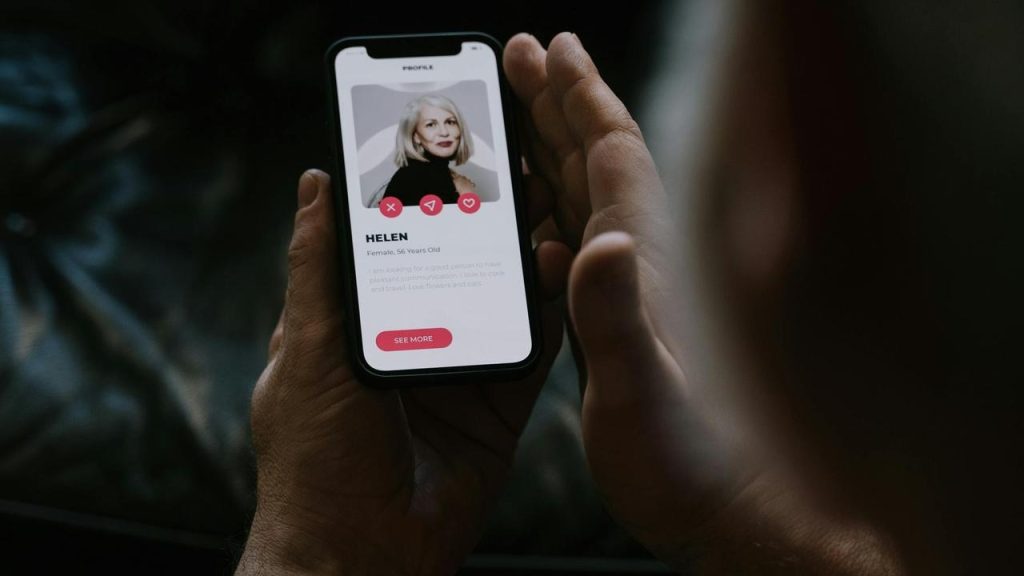
Revisiting Dating Apps

Curiosity hits, and you wonder what is out there. You download an app just to browse, telling yourself it means nothing. Swiping becomes addictive very quickly. You enjoy the matches and the attention. It feeds your ego in a way that feels exciting. You might not plan to meet anyone, but the door is now open. That alone changes your mindset. Even if nothing happens, you are mentally stepping outside your marriage.
Comparing Your Partner to Others

You notice other women more when you are alone. You start comparing looks, energy, and personality. It feels natural, but it can turn unfair fast. You focus on what your partner lacks instead of what they bring. That mindset creates dissatisfaction over time. You become less appreciative and more critical. It shows in how you act, even if you do not say it directly. Comparison is one of the fastest ways to damage a healthy relationship.
Keeping Secrets That Feel “Small”

You decide not to mention certain things because they seem minor. A conversation, a thought, a moment you think does not matter. But secrecy builds layers over time. You get used to hiding parts of your day. That creates emotional distance without obvious conflict. Your partner senses something is off even if they cannot explain it. Trust is not broken all at once, it fades gradually. What feels small now can become a bigger issue later.
Chasing Validation From Strangers

You post something and wait for reactions. You check who viewed your story or liked your photo. That validation gives you a quick boost. It feels good to be noticed outside your usual circle. But it can become something you rely on too much. You start shaping your behavior around attention. That pulls your focus away from your relationship. External validation should not replace real connection at home.
Letting Boredom Lead Your Choices

Boredom is more dangerous than people admit. When you have nothing to do, your mind looks for stimulation. That is when temptations feel stronger and more appealing. You might make choices you would not consider when busy. It is not about desire, it is about filling a gap. If you do not manage your time well, boredom becomes a trigger. Staying intentional with your time helps you stay in control.
Rewriting Your Relationship Story

When you are alone, you may start focusing on the negatives. You replay arguments and frustrations. Your brain exaggerates problems and minimizes the good parts. That creates a distorted view of your relationship. You start feeling like something is missing even if it is not. This mindset makes temptations feel more justified. It is easier to drift when you believe your situation is worse than it is. Perspective matters more than you think.
Testing How Far You Can Go

You push small boundaries to see what you can get away with. Maybe it is a message, a comment, or a lingering look. You tell yourself it is harmless because nothing major happened. But each step makes the next one easier. You slowly build a habit of crossing lines. That pattern can lead somewhere you never planned. Self control is not about big decisions, it is about the small ones you repeat.
Convincing Yourself It Is Normal

You justify your behavior by saying every man does it. That belief makes it easier to ignore the impact. You stop questioning your actions because they feel common. But normal does not always mean healthy. What matters is how it affects your relationship and your integrity. You are responsible for your choices, not the crowd. Awareness is the first step to doing better. Once you see it clearly, you have a chance to change it.







Ask Me Anything