
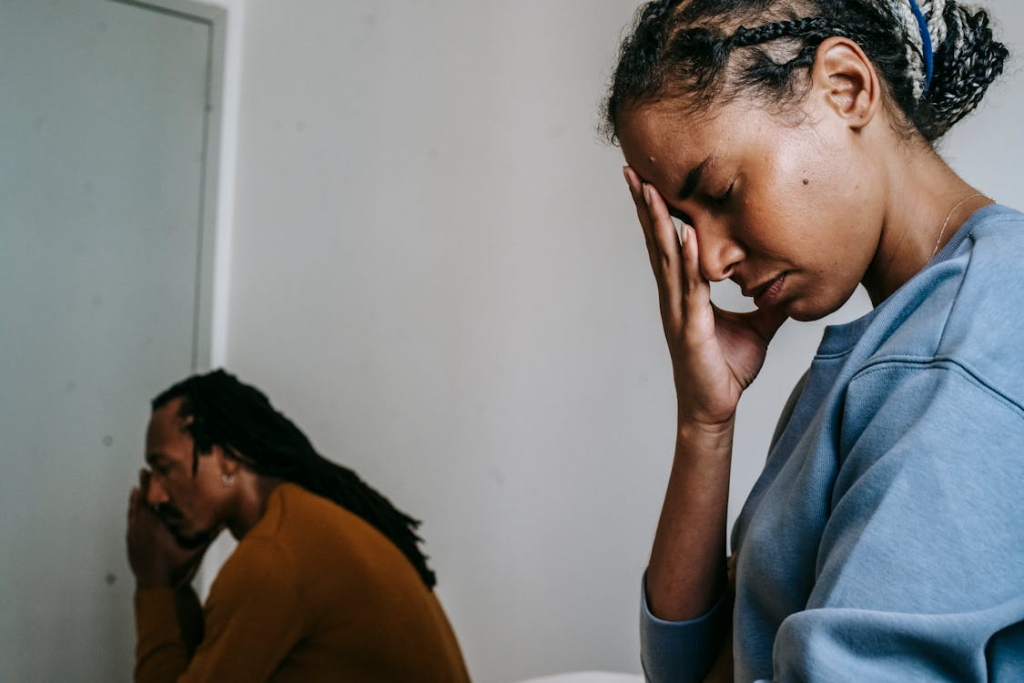
After leaving a marriage, many women feel an unexpected kind of grief. It’s confusing because they may feel relief and sadness at the same time. The sadness often isn’t about wanting the man back. It’s about losing the marriage they imagined they were building. They miss the version of marriage that felt safe, romantic, and mutual. They miss what they kept hoping would happen “once things got better.” Leaving can be the right decision and still feel like a loss. That loss is often the dream, not the partner. These are the reasons some women miss the marriage they hoped for, not the man they left.
They Miss the Future They Were Building in Their Head

Many women didn’t just marry a man. They married a plan. A shared future, shared traditions, and a shared identity. When they leave, they don’t only lose the relationship. They lose the imagined life path. That can feel like starting over emotionally. It hurts because the dream felt real for years. They might miss the “someday” version more than the current reality. Letting go of future images can be harder than letting go of a person. The grief is about possibility. Not about the man.
They Miss the Version of Him They Believed Was “In There”

Many women hold onto early behavior as proof of potential. They remember the sweetness, effort, and warmth from the beginning. Over time, they stayed hoping that version would return. When they leave, they grieve that hope dying. They don’t miss the current patterns that hurt them. They miss the idea that he could have been that man consistently. It feels like a loss of potential, not just love. The grief comes from the gap between who he was sometimes and who he was daily. That gap creates heartbreak. Even after leaving, the “what if” can linger.
They Miss Feeling Like a Team

Many women leave because they felt alone in responsibility. After divorce, they still miss the idea of partnership. They miss having someone to face life with. Not necessarily him, but the team feeling. They miss shared routines, shared decisions, and shared support. Even when the teamwork was missing, the dream of teamwork mattered. The loss of “we” can feel heavy. Being single can feel like carrying everything alone. The grief is often for the partnership they didn’t get. Not the person who didn’t provide it.
They Miss the Stability of a Shared Home

A home built together carries emotional meaning. Even if the relationship was hard, the structure felt stable. Leaving can make life feel fragmented. New routines, new spaces, and new identities can feel disorienting. They may miss having a shared place to return to. They may miss the feeling of belonging to a unit. This doesn’t mean the home was happy. It means it was familiar. Familiarity can feel comforting even when it was unhealthy. They grieve the comfort of structure.
They Miss the Peace They Thought They’d Eventually Have

Many women stay longer because they believe peace is coming. They think once he matures, once stress is lower, once life settles, it will be better. Leaving means admitting peace wasn’t coming. That realization can hurt deeply. They grieve the years spent waiting. They grieve the hope that kept them trying. The dream of peace was a major reason they stayed. When the dream dies, grief arrives. They miss the future calm, not the current chaos. It’s a grief of surrender.
They Miss Being Chosen Consistently

Many women didn’t leave because of one big betrayal. They left because they stopped feeling chosen. They miss the marriage where effort stayed alive. The marriage where affection was consistent and attention didn’t need to be begged for. They miss the version where they were a priority, not an afterthought. Being chosen daily is an emotional need. When it’s missing, love becomes lonely. After leaving, they miss what consistent choosing would have felt like. They miss the experience, not the man. The difference matters.
They Miss the Romance That Was Promised
Some women grieve that romance didn’t survive routine. They wanted dates, affection, and small gestures to continue. Instead, life became survival and logistics. They miss the relationship that stayed warm. They miss being pursued without pressure. Romantic energy isn’t about gifts. It’s about attention and tenderness. When it fades, women often feel invisible. After leaving, they miss the warmth they expected marriage to have. Not the partner who didn’t maintain it. It’s grief for the missing romance.
They Miss Feeling Safe to Be Soft

A healthy marriage allows softness. A woman can relax, be vulnerable, and feel protected emotionally. Many women leave because they couldn’t stay soft. They became managers, protectors, and emotional adults in the home. After leaving, they miss the marriage where they could have been feminine, gentle, and calm without paying a price. They miss emotional safety, not the man. They miss being able to trust. They miss not having to brace. Softness requires safety, and safety was missing.
They Miss the Identity of Being a Wife

Marriage becomes part of identity. Being “a wife” can feel meaningful, stable, and socially anchored. After leaving, that identity disappears, even if leaving was necessary. Some women grieve the role and the respect that came with it. They miss being part of a unit. They miss the feeling of having a home base. This doesn’t mean they miss the man. It means they miss the identity and belonging. Identity shifts can feel like losing a piece of self. That grief is real. It’s not romantic regret.
They Miss Having Shared Traditions

Traditions create meaning: holidays, routines, rituals, and inside jokes. When a marriage ends, those traditions often end too. Women may miss the idea of building family culture. They miss familiar holidays and shared plans. Even if the marriage was lonely, traditions created moments of belonging. After leaving, holidays can feel sharper. They don’t miss the man who disappointed them. They miss the ritual of togetherness. They miss the “we” calendar. That’s lifestyle grief.
They Miss Being Understood Without Explaining

Long relationships create shared history. You don’t have to explain family dynamics, past pain, or inside references. After leaving, the world can feel like starting from zero. Women miss being known. That doesn’t mean they miss being neglected. It means familiarity is comforting. Many women fear dating again because it’s exhausting to restart. They miss ease. They miss the language of a shared life. Ease is not love, but it still feels good. Losing it can feel like grief.
They Miss the Practical Support They Thought Would Grow

Some women expected partnership to become stronger with time. They expected shared responsibility, initiative, and help. Instead, they carried the mental load alone. After leaving, they still miss the marriage where support existed consistently. They miss having someone to split life with fairly. They miss the relief of not managing everything. Practical support affects emotional health. When it’s missing, women burn out. After leaving, they don’t miss the man who didn’t step up. They miss the support that never arrived.
They Miss the Hope They Had in the Beginning

Early marriage hope is powerful. It makes sacrifices feel meaningful. It makes problems feel temporary. When marriage ends, women grieve the loss of that hopeful version of themselves. They miss the belief that love would be enough. They miss the optimism and excitement. The man becomes associated with that chapter. But often, they miss the hope more than him. Hope can be addictive. Losing hope can feel like a personal loss. This grief is about the dream dying.
They Miss Feeling Protected Emotionally

Many women expected their husband to be a safe place. Someone who defended their dignity, supported them in stress, and made life feel lighter. When that didn’t happen, they adapted by becoming their own protection. After leaving, they miss the marriage where protection existed. Not protection as control, but protection as loyalty. They miss having someone who made them feel emotionally secure. Leaving removes the constant disappointment, but it doesn’t instantly fill the need. They miss what protection would have felt like. Not the man who failed it.
They Miss the Marriage That Didn’t Require Begging

Many women leave because they got tired of begging for basics. Time, attention, respect, and partnership shouldn’t require pleading. After leaving, they miss the marriage where effort was mutual. They miss not having to convince someone to care. They miss being loved without chasing. This is why the grief can show up even when the decision was correct. They miss the relationship they deserved. They miss the ease of mutual effort. The man they left wasn’t giving that. The grief is for the missing experience.
They Miss the Dream of Growing Old Together

Many women imagined old age with a partner: shared memories, shared peace, and shared family life. Leaving means letting go of that storyline. That’s a deep grief because it touches identity and meaning. They may not miss his behavior. They miss the story. The story felt like security. When the story ends, it feels like losing a life plan. They grieve the future that won’t happen. Future grief is real. It’s not the same as wanting the man back.
They Miss the Validation of “We Made It”

Marriage can feel like a personal achievement, especially when it’s publicly celebrated. Some women grieve the loss of being seen as successful in love. They feel embarrassed even when they shouldn’t. They miss the validation of being part of a stable couple. Divorce can feel like public failure, even when it’s survival. They don’t miss the man’s neglect. They miss the social approval and certainty. That’s status grief, not romantic grief. It fades as confidence returns.
They Miss the Comfort of Familiar Pain

This is uncomfortable but real. Some women miss the marriage because it was familiar, even if it was disappointing. Familiarity can feel like safety to the nervous system. After leaving, peace can feel strange at first. They miss the predictability of the old dynamic. That doesn’t mean it was healthy. It means the body adapts to patterns. This is why people sometimes romanticize the past. They miss the known world, not the good world. Healing often includes retraining what feels “normal.”
They Miss the Marriage They Wanted Because It Was Never Fully Real

The marriage they hoped for was a vision of mutual effort, warmth, and safety. When that vision doesn’t match reality, grief becomes inevitable. Leaving doesn’t erase the dream instantly. It just stops the bleeding. Many women miss what could have been if both partners showed up consistently. But missing the dream doesn’t mean leaving was wrong. It means the dream mattered. The healthiest step is naming the difference: missing the marriage you wanted is not missing the man you left. Once that difference is clear, healing gets easier. You can grieve the dream and still protect your future.







Ask Me Anything