
Divorce can bring real peace. For many women, leaving ends years of stress, conflict, or emotional loneliness. But peace does not automatically erase every complicated feeling that comes after. Some women still experience regret, not always because they miss the person, but because they miss parts of the life, identity, or stability that came with marriage. Regret also doesn’t always mean the divorce was a mistake. It can mean the trade-offs became clearer over time. Two truths can exist at once: life can feel calmer, and something can still feel lost. This topic is not about shaming women for leaving. It’s about exploring why regret can show up even when the decision brings relief. These 17 reasons explain what many women quietly realize after the dust settles.
The Trade-Off Reality: Peace Often Comes With New Losses

Many women expect peace to feel like a clean win. Often it does, but divorce changes the structure of daily life. Some supporters disappear along with the conflict. New responsibilities appear. The “two-person system” becomes a one-person system. Even when the marriage wasn’t emotionally fulfilling, it may have offered stability, predictability, or shared load. That’s why regret can appear later, once the practical changes become routine. This is not romantic longing. It’s a lifestyle adjustment. People can miss comforts without missing the pain. These reasons focus on the trade-offs that become real after peace arrives.
She Underestimated How Heavy Solo Responsibility Can Feel

After divorce, every decision becomes personal: money, home, health, and future planning. Even capable women can feel the weight of being the only adult responsible for everything. The load can feel especially heavy during sickness, burnout, or family emergencies. This regret often isn’t about wanting the marriage back. It’s about missing shared responsibility. Shared responsibility reduces mental load. Reduced mental load increases emotional calm. Some women find peace from conflict but feel stress from doing it all alone. Over time, the stress can trigger regret about the trade-off. It’s peace with a new kind of pressure.
She Misses the Predictable Routine More Than She Expected
Marriage often creates rhythms: weekends, holidays, and daily patterns. After divorce, life can feel less structured, even if it’s freer. Some women miss having an automatic rhythm to the week. Routine can feel comforting when life is stressful. Without it, days can blur together and feel less anchored. This can increase anxiety or loneliness, especially at night or during weekends. The regret isn’t “I miss him.” It’s “I miss the structure.” Structure can help people feel safe and stable. When structure disappears, peace can feel oddly quiet. Quiet can be good, but it can also feel empty at times.
She Misses Having a Built-In Companion for Social Life

Many social environments are designed around couples. Weddings, holidays, and gatherings can feel different after divorce. Some women miss having a default plus-one. Not because they miss romance, but because they miss ease. Going alone can feel awkward, especially in friend groups that are mostly married. Invitations can also change after divorce. Some couples become distant or unsure how to include a divorced friend. This can create social isolation even when life feels calmer at home. Social isolation can lead to regret because it feels like a hidden cost. The peace is real, but the social shift is also real. People don’t always predict how much that will affect them.
The Emotional Aftershocks: Relief Doesn’t Cancel Grief
Some women feel relief and grief at the same time. Relief comes from ending stress. Grief comes from losing a life chapter. Grief doesn’t mean the marriage was good. It means something significant ended. Many women don’t expect grief if they are unhappy. But grief can show up anyway because identity, history, and dreams were attached to the marriage. Regret can be part of that grief process. It may also show up during milestones: holidays, anniversaries, or family events. Emotional aftershocks can arrive later because the nervous system finally has space to feel. Peace can create emotional room. That room sometimes reveals grief. These reasons explain why that grief can feel like regret.
She Grieves the Future She Thought She Was Building

Many women don’t regret leaving the marriage. They regret losing the future they pictured. The future may have included a certain home, family structure, or lifelong partnership identity. After divorce, that future ends, and a new one must be built. Building a new future can feel exhausting. This is why regret can appear even when peace is present. It’s the loss of a plan, not necessarily the loss of the person. Many women also feel grief when they realize the marriage could not become the future they wanted. That realization can feel heavy. Regret can show up as “I wish it could have been different.” That wish doesn’t mean the divorce was wrong. It means the dream was real.
She Realizes Healing Takes Longer Than Leaving
Leaving changes the environment, but it doesn’t instantly heal the nervous system. Some women expect to feel fully free and confident immediately. Instead, they experience triggers, anxiety, or emotional numbness. They may struggle with trust, relaxation, or intimacy in new situations. This can create regret, not because of the ex, but because recovery feels harder than expected. Some women wonder if staying would have been easier than rebuilding. The lesson is that freedom and healing are different processes. Healing often takes time, support, and new skills. The regret is sometimes about the work required after leaving. Peace exists, but the mind still processes the past.
She Misses Being Fully Known by Someone Who Shared History

History creates a sense of being understood without explanation. After divorce, that familiar understanding disappears. New relationships require retelling life stories and rebuilding trust from scratch. Some women miss the comfort of being known, even if the marriage was flawed. This regret can surprise women who felt emotionally alone inside the marriage. But familiarity is powerful. It can feel like safety, even when it isn’t perfect. Missing familiarity doesn’t mean missing the pain. It means missing ease. Ease becomes valuable when life feels stressful. Over time, women may miss that shared context. It’s a non-romantic form of emotional comfort.
The Practical Consequences: When Peace Comes With Cost

Divorce can improve emotional peace but also change finances, living situation, and daily access to help. Some women are financially stronger after divorce. Others face new pressure. Even when finances are stable, there can be a sense of loss: downsizing, lifestyle changes, or reduced security. These practical consequences can create regret, especially if they affect children, housing, or long-term goals. It’s not always about missing the marriage. It’s about missing stability. Stability influences emotional wellbeing more than many people admit. When life becomes harder financially or logistically, regret can appear. This doesn’t mean the divorce was wrong. It means the cost is being felt.
She Didn’t Expect Co-Parenting Stress to Be This Draining
When children are involved, divorce often creates a permanent logistics system. Scheduling, holidays, rules, and communication with an ex can be ongoing stress. Some women find peace in their own home but feel drained by co-parenting coordination. This can create regret because the marriage ended but the connection didn’t fully end. The stress becomes different, not always less. Children also experience the shift, and managing that can feel heavy. Some women regret the impact on family routines. Others regret the constant interaction with the ex. These regrets can coexist with knowing divorce was necessary. Peace is real, but co-parenting stress can still be hard.
She Misses the Safety Net of Shared Finances or Shared Backup
Even in marriages with conflict, there is often a safety net. A second income, shared bills, shared insurance, shared help. After divorce, that safety net changes. Financial planning becomes solo. Emergencies feel more stressful. Some women regret the loss of that backup, even if they don’t miss the partner emotionally. Backup is not romance. Backup is security. Security affects stress levels daily. If life becomes more financially fragile, peace can feel less peaceful. Regret can show up as “life got harder.” It’s not always “I want him back.” It’s “I miss the safety net.”
The Identity and Social Pressure: When Divorce Changes How People See You

Divorce can change social identity. Some women feel freer. Others feel judged or misunderstood. People can project opinions, ask uncomfortable questions, or treat a divorced woman differently. This social pressure can create regret, especially if the woman didn’t expect it. She may also feel like she lost a respected role in the eyes of family or community. This is not a reason to stay in a bad marriage. But it is a reality some women face. Regret can come from social discomfort, not personal desire. Some women also feel isolated when friendships change. Divorce can reveal who supports and who disappears. That can feel painful.
She Misses Being Part of a Unit in Public
Being married often creates a shared identity. People treat couples like a social unit. After divorce, that identity disappears. Some women miss being included automatically. They may miss being invited as “us” rather than as “her.” Social settings can also feel more exposed. Some women feel like they are watched or pitied. That can create discomfort and regret. Not because the marriage was perfect, but because the social position felt safer. Social belonging matters to mental health. When belonging changes, regret can show up. This is a common hidden cost of divorce.
She Realizes She Avoided Hard Conversations for Too Long

Some women leave feeling certain the marriage was beyond repair. Later, they realize certain issues were never fully confronted directly. This does not mean the marriage would have been saved. It means there may be regret about communication habits. Some women realize they avoided conflict until they emotionally checked out. Others realize they didn’t ask clearly for what they needed. This lesson can create regret because it feels like a lost opportunity. It can also become growth for the future. The regret is often about how things ended, not why they ended. Ending with clarity can feel cleaner than ending with silence. Many women wish they had addressed things sooner, regardless of outcome.
She Wishes She Had Focused on Repair Before Reaching Detachment
Detachment is often the point of no return. Some women regret waiting until detachment before pushing for repair. Once detachment sets in, even good effort feels too late. Women may look back and wish they had demanded change earlier. This is not always self-blame. It’s recognition of the timeline. Many couples try to fix things only when the marriage is already emotionally dead. That leads to regret because the late repair attempt fails. Some women regret how long they carried the relationship alone. Others regret not creating consequences earlier. The lesson is that repair must happen early, not late. This regret can coexist with peace because the decision was still necessary.
She Misses the Good Parts That Were Real, Even If the Marriage Was Wrong
A marriage can have real good moments and still be unhealthy overall. Some women regret losing the good parts: shared jokes, family traditions, or companionship. Missing good parts doesn’t mean missing the entire relationship. It means the relationship wasn’t 100% bad. Many women feel confused by this because they expect to feel only relief. But mixed feelings are normal. The regret is often about losing what was working. It can also be about losing a familiar world. Familiarity can feel comforting even when it’s flawed. Missing those good parts doesn’t cancel the reasons for leaving. It simply adds complexity to healing.
She Realizes Dating Again Can Feel Disappointing
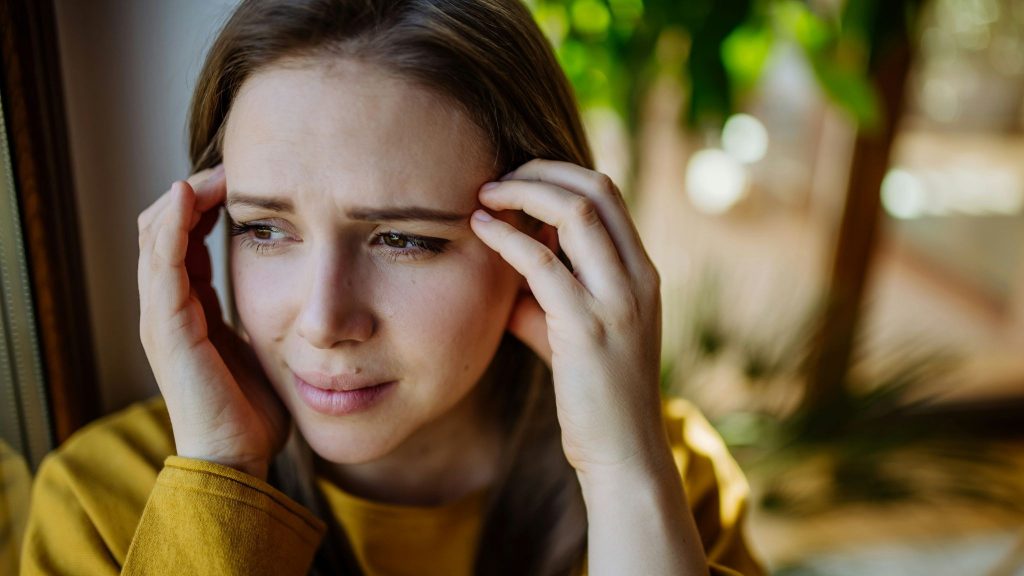
Some women expect post-divorce dating to feel exciting and empowering. Sometimes it does. Other times it feels exhausting, shallow, or emotionally unsafe. Dating apps and modern dating culture can feel discouraging. This can create regret, not because the ex was perfect, but because the alternative feels hard. The woman may realize that finding a quality partner takes time and energy. She may also feel more cautious and guarded. Guardedness is normal after divorce, but it can make dating feel slower. Some women regret underestimating how difficult it can be to rebuild romantic life. This regret is often temporary. But it can feel intense during lonely seasons.
She Learns Peace Doesn’t Replace Meaning
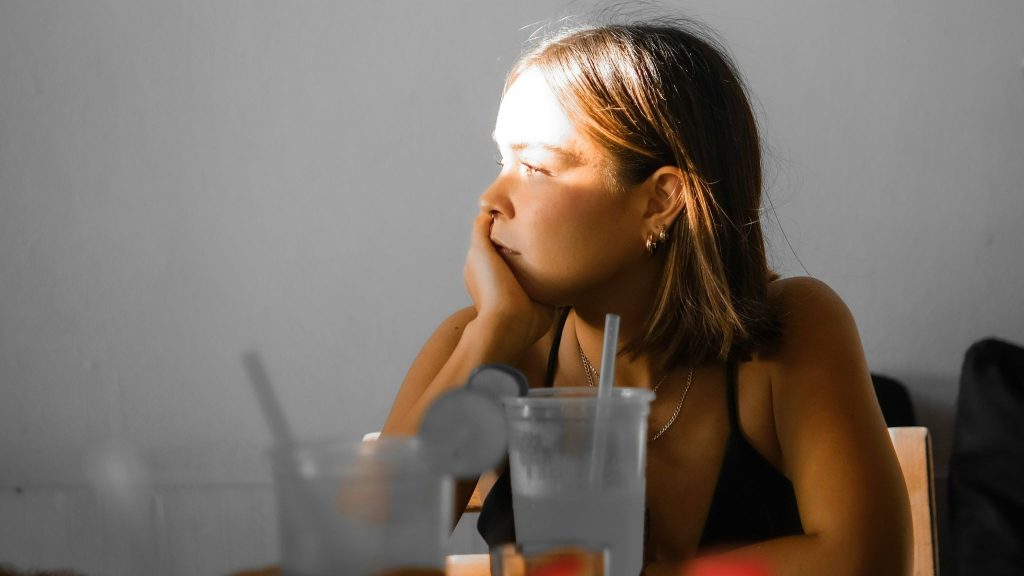
Peace is valuable, but meaning is also important. After divorce, some women feel calm but also feel aimless. Marriage often gave a sense of direction, even if it wasn’t satisfying. After divorce, a new direction must be built. Without that, life can feel empty. This can create regret because the peace feels quiet rather than fulfilling. The lesson is that peace is a foundation, not the entire house. Meaning must be built on top of peace. That might include goals, purpose, community, or new routines. Some women regret not preparing for that identity and purpose shift. Peace makes space for meaning, but meaning still requires intentional building.
She Wishes She Had Prepared Better Before Leaving

Some women leave quickly in an emotional breaking point. Later, they regret not preparing more: finances, housing, support systems, and boundaries. Preparation can reduce stress and increase stability. When stability is low, regret increases. This regret doesn’t mean leaving was wrong. It means the transition was harder than necessary. Preparation also includes emotional preparation: counseling, support networks, and practical planning. Some women regret trusting that “it will all work out” without a plan. Planning reduces fear. Fear makes healing harder. This is one of the most practical regrets and also one of the most fixable lessons for others.
She Realizes Forgiveness Is Different From Reconciliation

Some women find peace through forgiveness. But forgiveness can create a new kind of regret. It can make them wonder if reconciliation could have been possible. This is especially true when the ex improves after divorce. Improvement can trigger “what if” thoughts. But improvement after consequences does not guarantee improvement within marriage. Some women regret leaving because they finally see the change they wanted. Others realize the change came too late for emotional safety. Forgiveness can bring calm but also reopen questions. The lesson is that forgiveness is internal. Reconciliation is structural. They are not the same. Peace can exist even when reconciliation was not the right move.
Peace and Regret Can Coexist Without Canceling the Truth

Some women regret divorce even after finding peace because peace comes with trade-offs. They may miss structure, shared responsibility, familiar routines, or a sense of identity. They may grieve the future they wanted, even if the marriage couldn’t deliver it. They may also face financial, social, or co-parenting stress they didn’t fully anticipate. None of this automatically means the divorce was wrong. It means divorce is a complex life shift, not a simple emotional decision. Regret can be information, not a verdict. It can point to what mattered, what was underestimated, and what needs rebuilding now. Peace can still be real, and the decision can still be necessary. The healthiest path is using regret as a teacher, not a prison.







Ask Me Anything