In the past century, attachment theory tried to explain how your parents interacted with you. In the current era, it explains how that parenting shaped you as a partner. The way we communicate can push even the ones with the most secure attachment styles into withdrawal, anxious, or avoidant loops. When the health of your relationship is measured against metrics like “read receipts” and “last seen,” your nervous system rarely ever gets a chance to relax. Here are some reasons why “Secure Attachment” is becoming a thing of the past.
The “Always-On” Anxiety
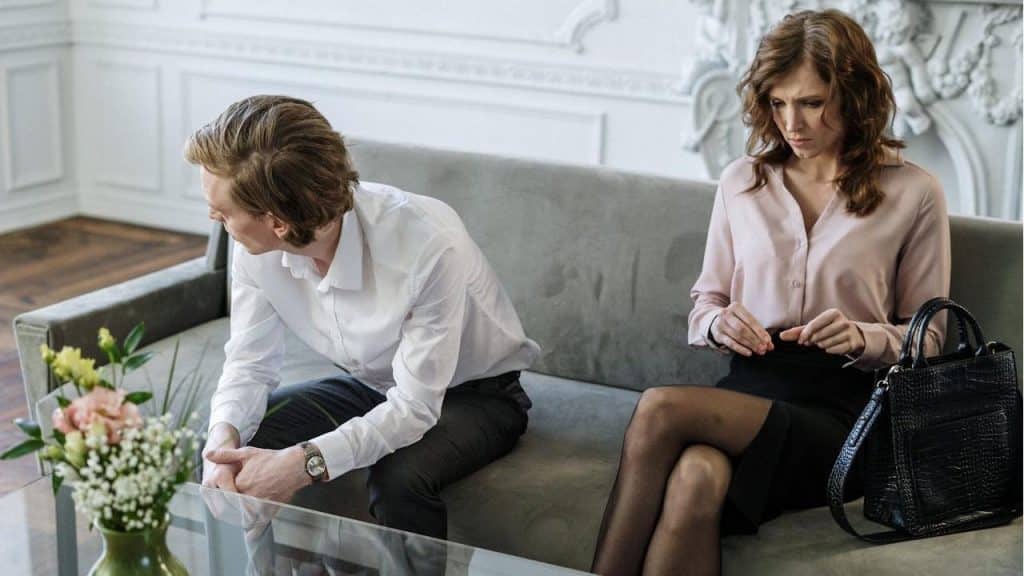
Secure attachment means you have a partner that you can rely on even with your eyes closed because they are predictable. In 2026, with over-digitalization, even a slight delay in response may be perceived as emotional withdrawal. We have made healthy and normal silence notorious.
The “Avoidant” Ease of Ghosting

Technology can be both a boon and a bane. For partners with avoidant attachment styles, this has made ghosting or disappearing an easy escape from discussing an uncomfortable topic. They can block or mute someone who seems to be getting on their nerves, avoiding confrontation and simply “muting” a person’s existence.
The “Breadcrumbing” Loop
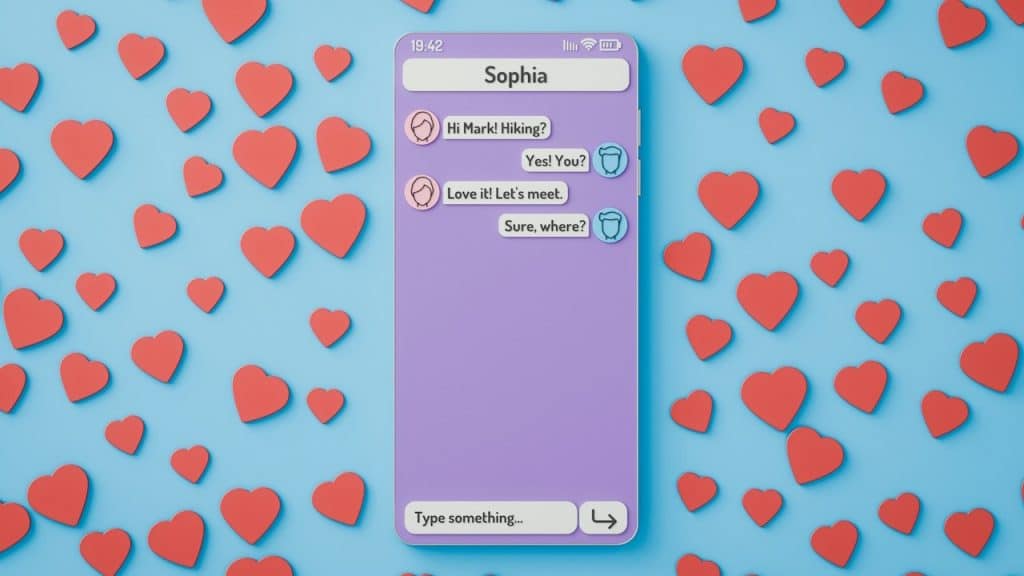
For the partner who has an anxious attachment style, a simple “like” or “heart react” on an old photo or memory may serve as an instant hit of dopamine. This is enough for them to be deluded into believing the other person is attracted to them, even when it’s not remotely true.
The “Micro-Monitoring” Trap
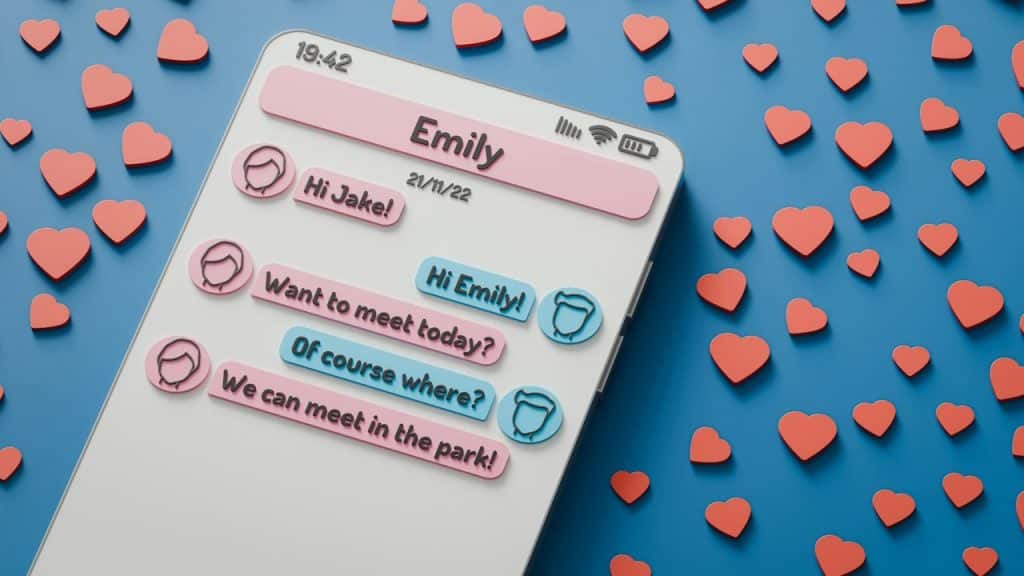
For partners with an anxious attachment style, new features like sharing “Live Location” have become tools of surveillance. They maintain control under the guise of protectiveness and concern, which further fuels their hypervigilance and ruins the foundation of trust in the relationship.
The “Roster” Reality
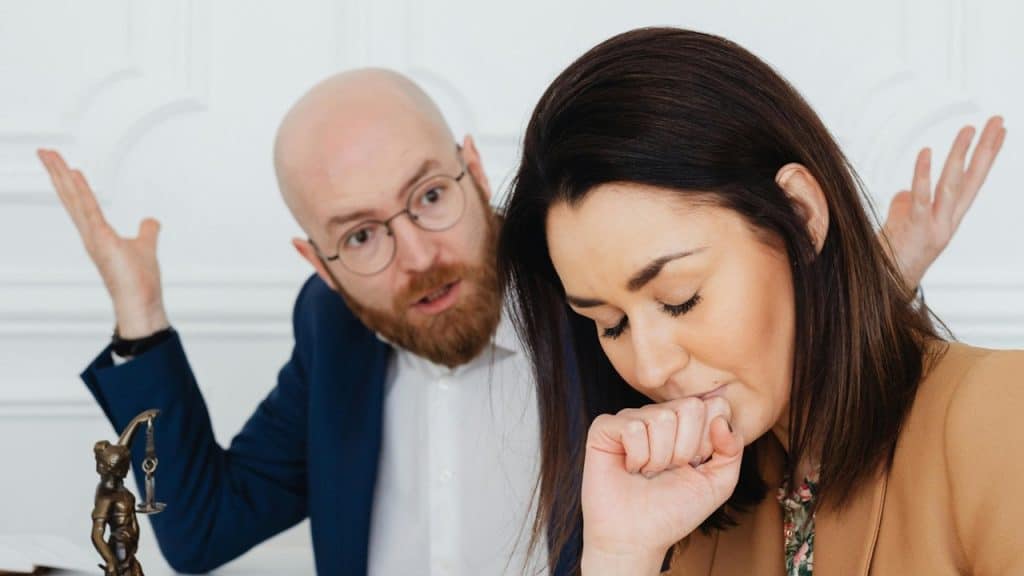
Roster culture encourages “dismissive-avoidant” behavior. To self-protect, they would rather keep multiple partners at a distance than connect deeply with one close partner. As a result, a genuine connection never really forms.
The Death of “Object Permanence”
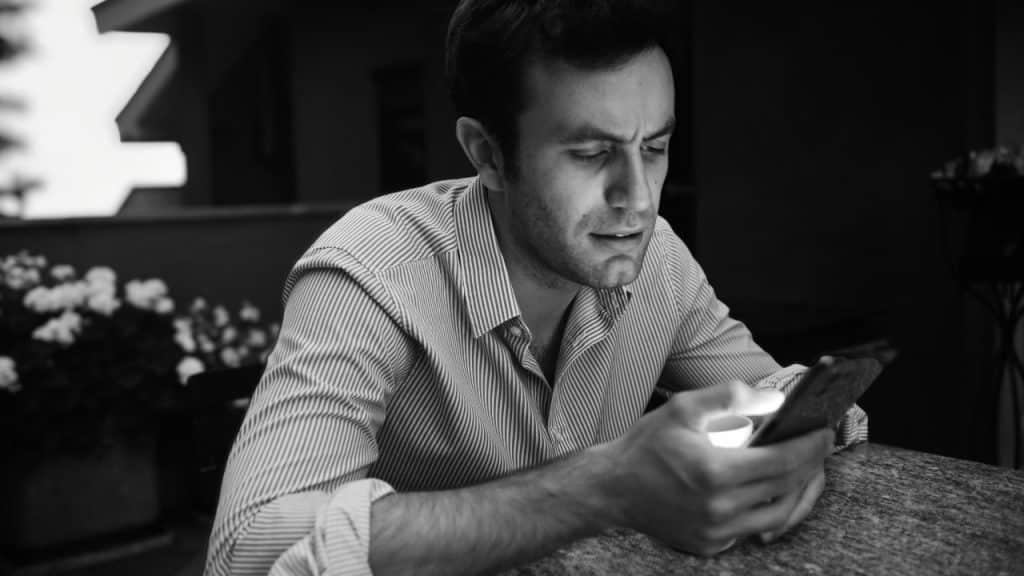
In 2026, when hearts and minds are more connected to screens, you want to feel seen, praised, and welcomed online by your partner. Their failure to write long posts, frequently call or text you, or post lovey-dovey couple photos makes you feel rejected and unwanted.
The “Comparison” Thief

“Perfect Couples” on social media constantly appearing on your newsfeed get people stuck in the comparison trap. Even the most secure couples start to feel a void in their otherwise happy lives together. This creates dissatisfaction, which instills a fear of permanently settling down.
The “Hard-to-Get” Algorithm
Dating apps are designed in a way that rewards inconsistent and slow responders who avoid attachment. Meanwhile, those with a secure attachment style, who may seek serious commitment, may be labeled “too clingy” or “desperate” by most.
Trauma Dumping vs. Vulnerability

The new dating landscape has made people mistake shared trauma for true intimacy. Intimacy isn’t built in a day or two. When you end up sharing a little too much about yourself too early, you are bonding over shared trauma, not developing a genuine emotional connection. This “disorganized attachment” style usually ends with both partners walking away as quickly as they had bonded.
The “Notification” Trigger

For many, the notification tone serves as a trigger that elevates anxiety. People with anxious attachment may start anticipating the worst-case scenario in their minds whenever a notification pops up: “What are they thinking?” “Why did they reply late?” “Why is the message still unseen?” and much more that aggravates their anxiety.
The Loss of “Non-Verbal” Cues

The majority of modern communication is not face-to-face or verbal. Communication usually happens through text messages or calls. Relationships start online and end online. A little change in tone, a slight delay in reply, or a missed call, anything can be misinterpreted by an anxious partner. The nervous system never gets to rest.
The “Exit Strategy” Mindset

In a world that promotes situationships, everyone keeps their options open. They are never fully in or fully out of a relationship. This pre-emptive avoidance of clarity may be intended to help avoid hurt, but for an anxious partner, it triggers even more stress, as they cannot feel secure unless transparency is maintained. Nobody gets fully loved under these dynamics.
The “Soft Launch” Insecurity

Another new type of attachment in the digital era is the “Performative Attachment Style.” Instead of connecting to deepen emotional intimacy, people are more invested in appearing secure together to the world than actually trying to feel secure in a relationship.
The “Block” as a Weapon

The most extreme form of avoidant attachment behavior is blocking your partner without any notice. No closure, no warning whatsoever. This leaves them feeling insecure, doubting their worth, and wondering if it was something they did wrong that triggered your reaction.
The “Secure” Revolution

This is where clear and firm “digital boundaries” come in handy, as the only secure relationships in such challenging dating dynamics are the ones that honor these boundaries. They prioritize real connection, even if it means putting their phone down, spending time together face-to-face, avoiding mind games, and engaging in deep conversations.
Final Thoughts

Attachment styles aren’t irreversible; they are mostly shaped by the trends present in the dating world during a respective time period. That being said, if your dating experience feels more like an anxiety engine operating on avoidance, then maybe that’s how most relationships work these days.
You have to defy the norm and embrace a high-value partner who proves their worth through consistency, reliability, meaningful conversations, and emotional presence, focusing less on digital cues and more on things that actually matter. With intentional and conscious dating, both partners can feel secure enough to move toward a serious lifelong commitment.







Ask Me Anything