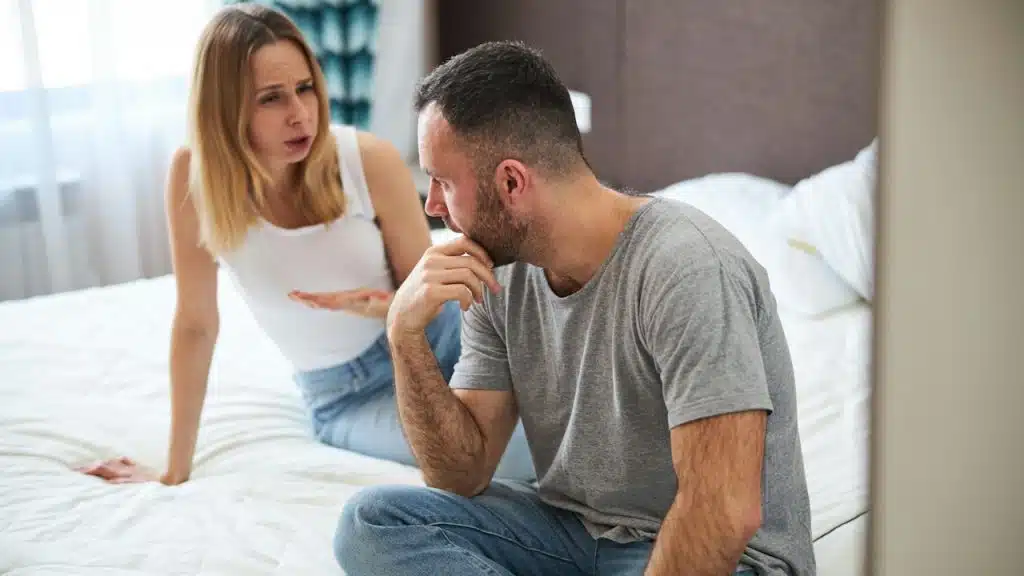
Love and emotional reassurance are the pillars upon which a healthy relationship is built, but what if these foundational pillars of emotional safety were missing before you found a romantic relationship with them? The childhood emotional absence of an unavailable parent can give lifelong scars that never get healed even when someone grows up. Love and validation are alien concepts to them, which makes a romantic relationship seem difficult. But understanding the why behind the apparent coldness and insensitivity to your emotions may help you navigate your relationship with your partner if she seems emotionally unavailable and unpredictable on the surface. A person raised without love is learning to love and being loved for the first time, this may prevent any resentment from building and help form deeper and more meaningful relationships with them.
Here are 15 relationship struggles love-deprived women often show as romantic partners
She Finds It Hard To Believe Compliments

When a woman doesn’t know what being loved truly feels like, accepting even honest compliments may feel like an uphill task. She finds praise incredulous or even questions the sincerity in them even when her partner means it.
She Worries About Losing The Relationship
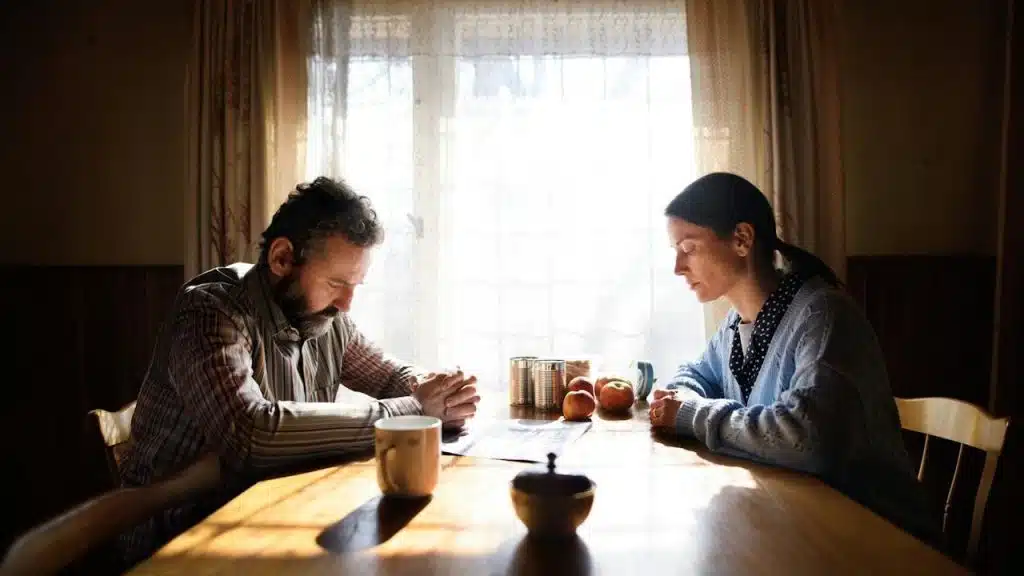
Even when everything is going fine she may be overwhelmed by her fear of abandonment. She has developed an anxious-attachment style due to her childhood of emotional neglect which made her believe love is conditional and that emotional security is elusive.
She Overanalyzes Small Changes

She is a chronic overthinker. She dwells over minor easily avoidable things like a slight change in her partner’s tone, a delayed text message or even a minor shift in his behavior triggers a cycle of overthinking and second-guessing worry. She loses her sleep over-analyzing whether something is wrong in the relationship or if she is responsible for the change.
She Tries To Avoid Conflict
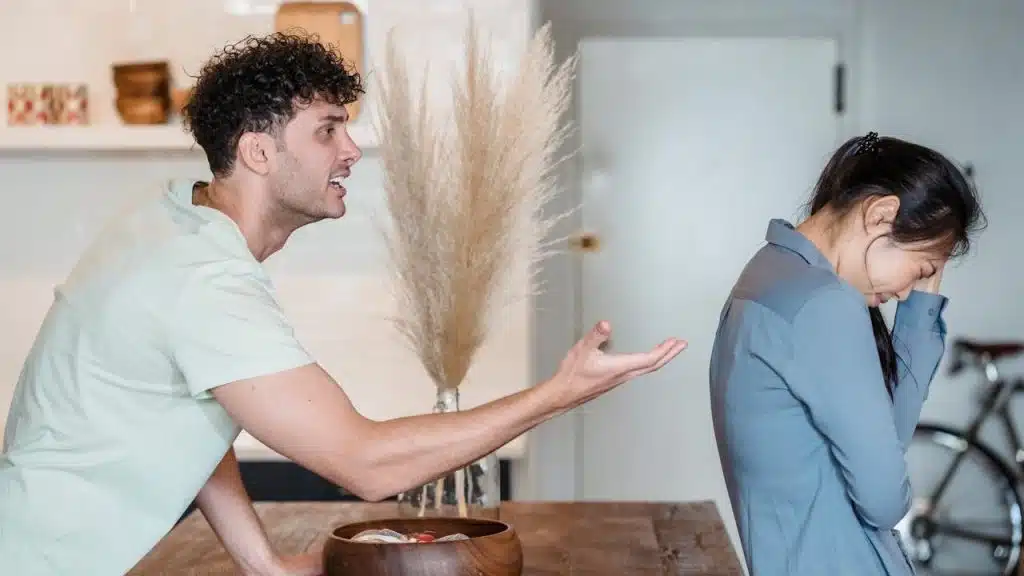
Avoidant-attachment style, often a by-product of an emotionally deprived childhood, makes her see conflict resolution as impossible. She was raised in an environment where love was conditional and she had to “bend over backwards” even to be noticed. This is a fawning response in its purest form. So now even as an adult, she tries to create an illusion of emotional safety by suppressing her voice by shutting down to avoid potential escalation even when a respectful and calm conversation would help the relationship.
She Often Puts Her Partner First

A love-deprived woman was raised to believe she doesn’t matter and so don’t her emotional needs. She internalizes this belief deeply, and tethers her value to the amount of effort and love she can offer her partner expecting the bare minimum for herself. In her own world, she is always her last priority.
She Struggles With Vulnerability

Opening up is her biggest struggle in a relationship. A life of emotional deprivation has forged a mindset where trust is a foreign concept. The trust issues make it impossible for her to be vulnerable in front of her partner. She has built walls around her emotional world and doesn’t allow even her life partner into it out of fear of heartbreak.
She Needs Reassurance From Time To Time
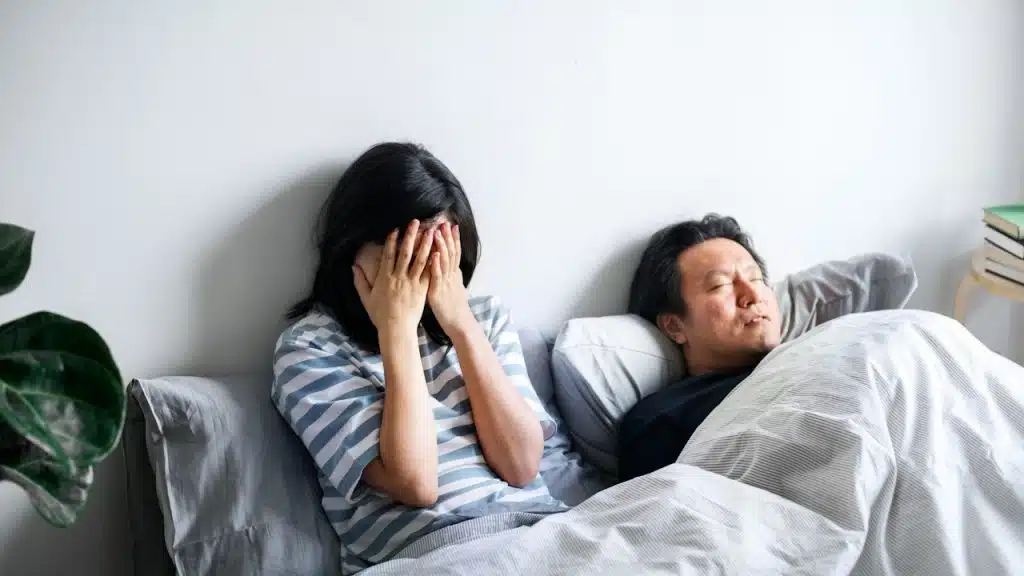
Reassurance and validation are the tools she needs constantly to thrive. She wants approval from her partner to feel emotionally safe and valuable in the relationship. This stems from her deep-seated insecurities that she is unlovable and has to earn love through consistent efforts to be loved.
She May Appear Strongly Independent
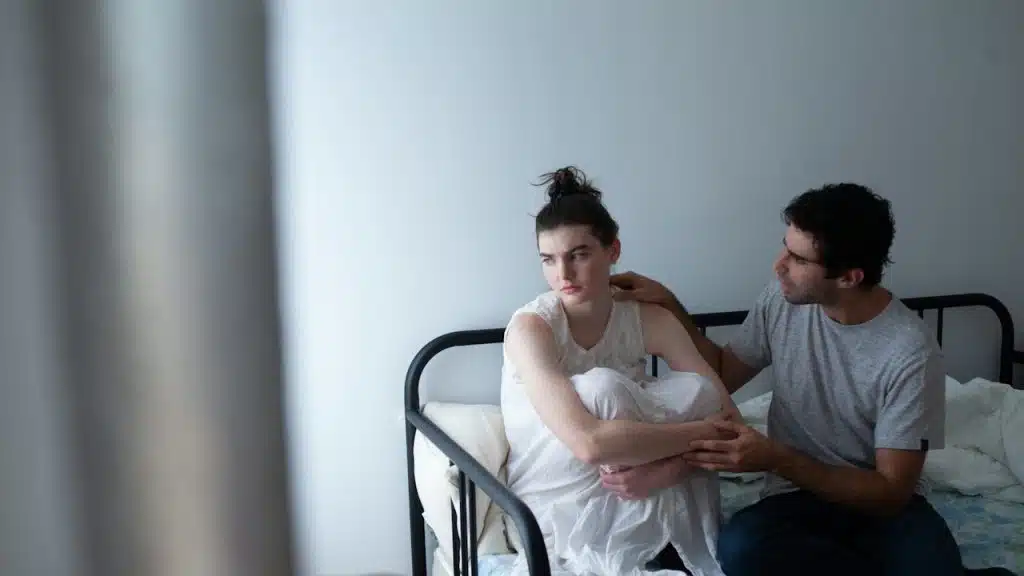
As a coping mechanism, a classic trait of dismissive-Avoidant or disorganized attachment style, a chronically love-deprived woman learns to over-rely only on herself. The past taught her that emotionally depending on someone is tantamount to setting herself up for failure so now she becomes her own safe person.
She Can Be Sensitive To Emotional Distance

Even slight changes in the partner’s behavior or moments of emotional distance send her into panic mode. She becomes hyper-vigilant, reevaluating her own actions, as she doesn’t want to disrupt his mood and hence their emotional connection that she fears losing the most.
She Takes Words Very Seriously

She is hyper-aware of her own choice of words and pays close attention to what her partner says to her. This is because she values the emotional communication she has with him and can’t risk losing that connection. A little slip of the tongue, wrong choice of words or even a changed tone can trigger an irrational fear that she has suddenly become “unlikeable” or “unwanted”.
She Sometimes Doubts Her Own Worth

A lifetime of emotional deprivation serves a damaging blow to her self-esteem. Even when she is blessed with a genuinely loving partner, she might still question whether she truly deserves the love and happiness she is getting in life.
She Tries Hard To Keep The Relationship Strong
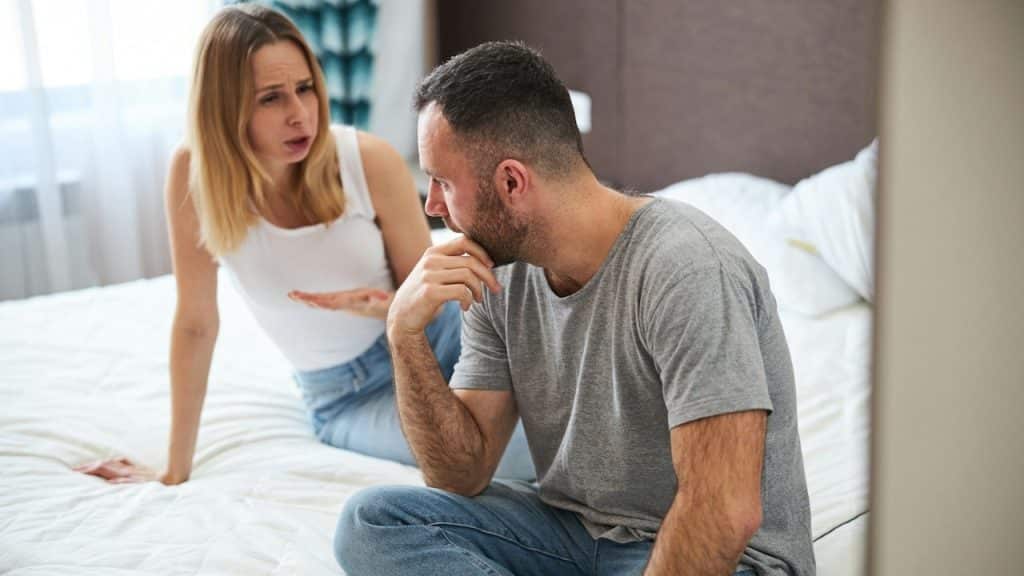
She often becomes the “glue” that keeps the household together even if it means she has to walk on eggshells and stifle her valid grievances. She centers her life around showing love through thoughtful gestures and unconditional emotional support for her partner with the hope to make herself irreplaceable in his life.
She May Hide Her Pain Behind Positivity

She becomes a martyr in the relationship by choice. She prefers fragile peace over the uncomfortable truth. Instead of openly expressing her concerns and emotional struggles, she maintains a facade of positivity and strength while slowly losing the essence of who she is.
She Deeply Appreciates Genuine Care

Winning her trust never comes easy, but when she finally lets you into her emotional world, she deeply values and honors the love you show to her. She sees through the visible and invisible labor and kindness you put into making her world feel a little safer.
She Becomes Deeply Committed Once She Feels Secure
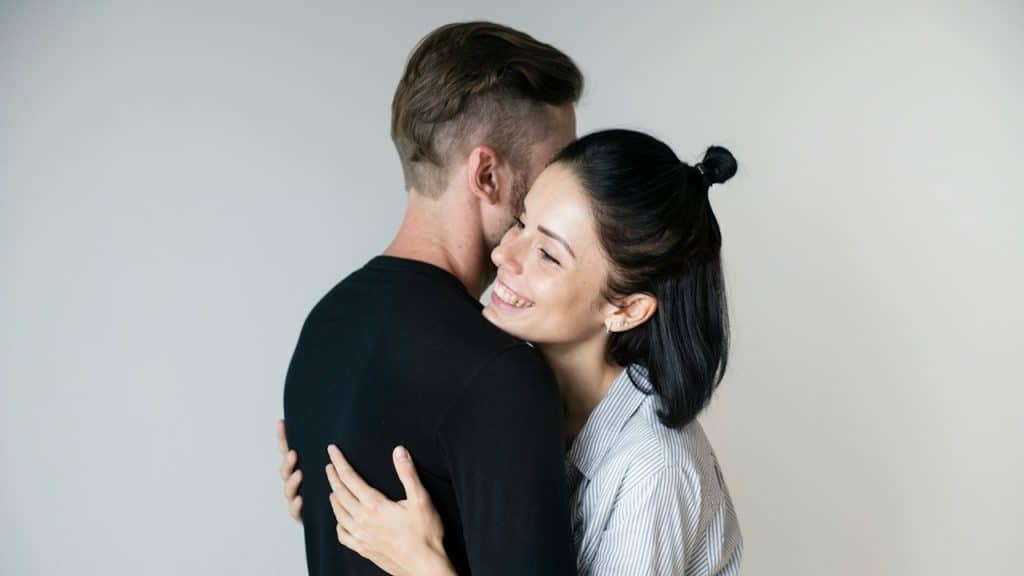
When she finally accepts your sincerity and loyalty to the relationship, she becomes the most devoted woman on earth. She blossoms when she gets emotional safety and love, something she always lacked in life and turns into the most emotionally supportive partner.
Final Thoughts
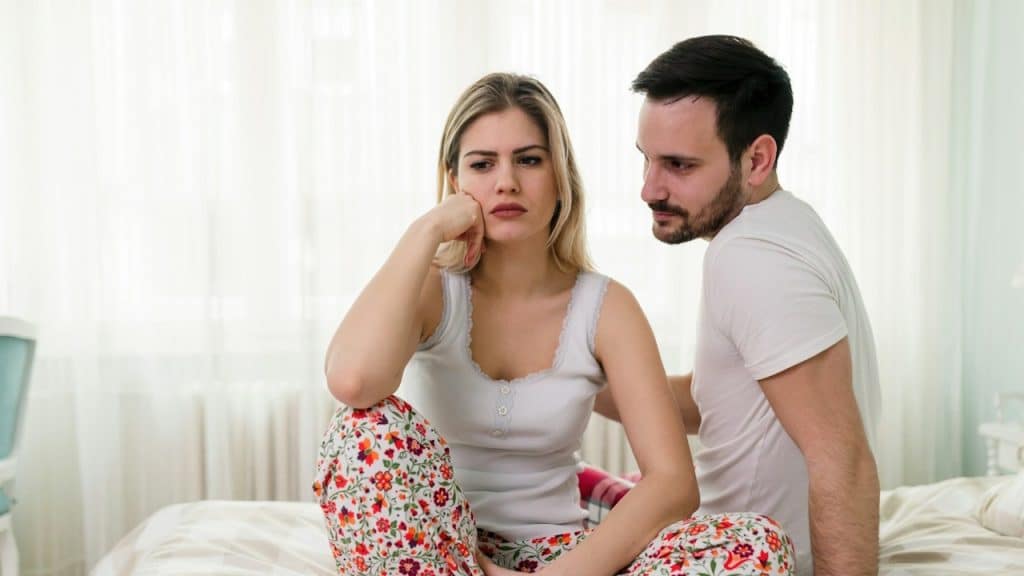
Emotional deprivation in childhood can have its repercussions beyond childhood. It can make future romantic relationships harder to sustain as deep-seated trust issues and an inability to open up come in the way of developing emotional depth with their partner. Their insecurities or fears, hyperawareness or caution are usually their defence mechanism they learned as a result of love deprivation. With forbearance, understanding, and open communication, you can help them break these patterns gradually and make them feel emotionally safe in your embrace. Once an emotionally deprived woman lets down the guards around her heart, with your love and support, she not only becomes the happiest and most dedicated partner but also the biggest blessing in your life.







Ask Me Anything