
In many relationships, men step into certain roles without consciously deciding to. These roles aren’t always discussed, but they develop through behavior, expectations, and how the relationship evolves. Some come from personality, others from experience or social conditioning. Over time, these patterns start shaping communication, effort, and responsibility. A man may not think of himself as playing a “role,” but his actions often follow consistent patterns. These roles can either support the relationship or create imbalance if they go unchecked. Understanding them helps bring clarity to behaviors that might otherwise feel confusing. The following slides explore the roles men often take and what they actually mean in real situations.
The Provider of Stability

Many men naturally lean toward providing stability in a relationship, even if it’s not explicitly discussed. This doesn’t only mean financially, but also in terms of consistency, problem-solving, and reliability. He may feel responsible for keeping things steady when challenges come up. This role can create a sense of security for both people. However, it can also lead to pressure if he feels he always has to “hold things together.” He may not always express that pressure directly. Stability becomes something he shows through actions rather than words.
The Problem-Solver Instead of Emotional Processor

When issues come up, many men default to solving the problem rather than sitting in the emotion. This can make them seem distant during emotional conversations. In reality, they are often trying to help in the most practical way they know. This role can be useful, but it can also create disconnect. Not every situation needs fixing, sometimes it needs understanding. The difference between solving and listening is not always clear to him. This dynamic often shapes how communication feels.
The One Who Pulls Back to Regain Control

When things feel overwhelming or unclear, a man may naturally pull back. This isn’t always about losing interest, but about regaining a sense of control. Stepping back allows him to think without pressure. However, this behavior can feel like distance to the other person. It creates a gap between intention and perception. He may see it as necessary space, while it’s experienced as withdrawal. This role often shows up during conflict or uncertainty.
The Initiator in the Early Stages

In the beginning, men often take on the role of initiating contact, plans, and progression. This sets the tone for the relationship early on. Over time, this role can either continue or gradually fade. When it fades, it often changes how the relationship feels. The shift from active pursuit to passive presence becomes noticeable. This doesn’t always mean loss of interest, but it changes the dynamic. Initiative is closely tied to perceived effort.
The One Who Measures Effort Through Actions

Many men express effort more through actions than words. They may not always verbalize feelings, but they show up in practical ways. This can include time, help, or consistency. The challenge is that these actions are not always recognized as emotional effort. This creates a gap in understanding. He may feel like he’s doing a lot, while it’s not always felt the same way. This role influences how effort is perceived.
The Protector (Emotionally or Practically)

Men often take on a protective role, whether physically, emotionally, or situationally. This can show up as wanting to solve problems, prevent stress, or handle difficult situations. It creates a sense of responsibility toward the relationship. However, it can also lead to controlling tendencies if not balanced. Protection can shift into over-involvement. The intention is usually positive, but the impact can vary. This role shapes decision-making and behavior.
The One Who Avoids Over-Explaining Feelings

Men may not always explain their feelings in detail, even when they care deeply. This doesn’t mean the feelings aren’t there. It often reflects how they process emotions internally. This can create confusion in communication. The other person may want clarity, while he feels it’s unnecessary to explain everything. This role creates a difference in emotional expression. It affects how connection is experienced.
The Role of Maintaining Independence
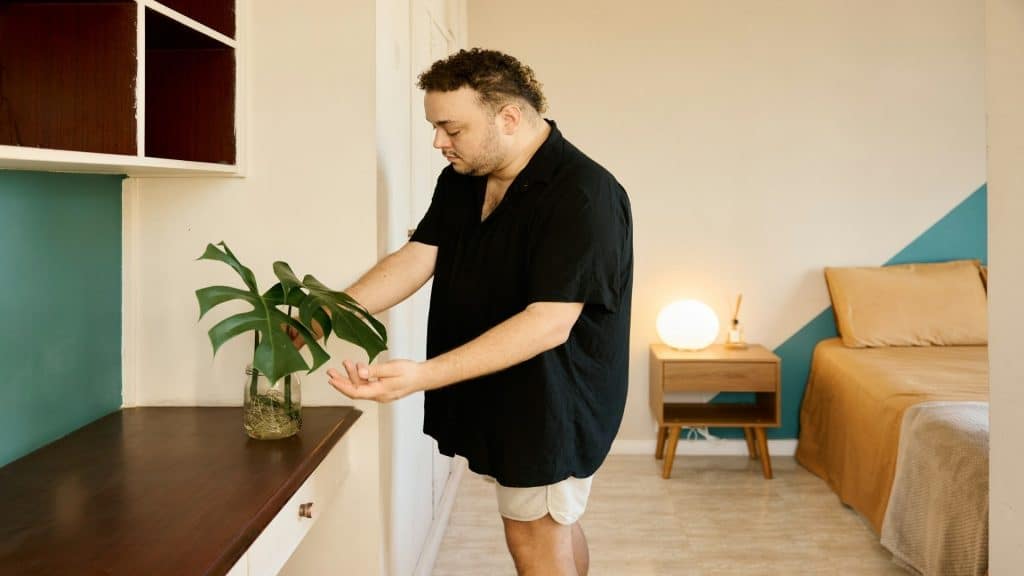
Many men naturally maintain a strong sense of independence within relationships. They may need space to feel balanced and in control of their own time. This doesn’t mean they value the relationship less. It reflects how they manage identity within connection. Without understanding, this can feel like distance. Balance between independence and closeness becomes important. This role shapes how time is shared.
The One Who Shows Interest Through Consistency

Rather than constant expression, men often show interest through consistency. Being present, reliable, and steady becomes their way of showing care. This can feel less obvious compared to more expressive styles. However, consistency is often intentional. It reflects commitment in a quieter way. This role can be misunderstood if expectations differ. It’s about pattern, not intensity.
The Role of Avoiding Conflict When Possible
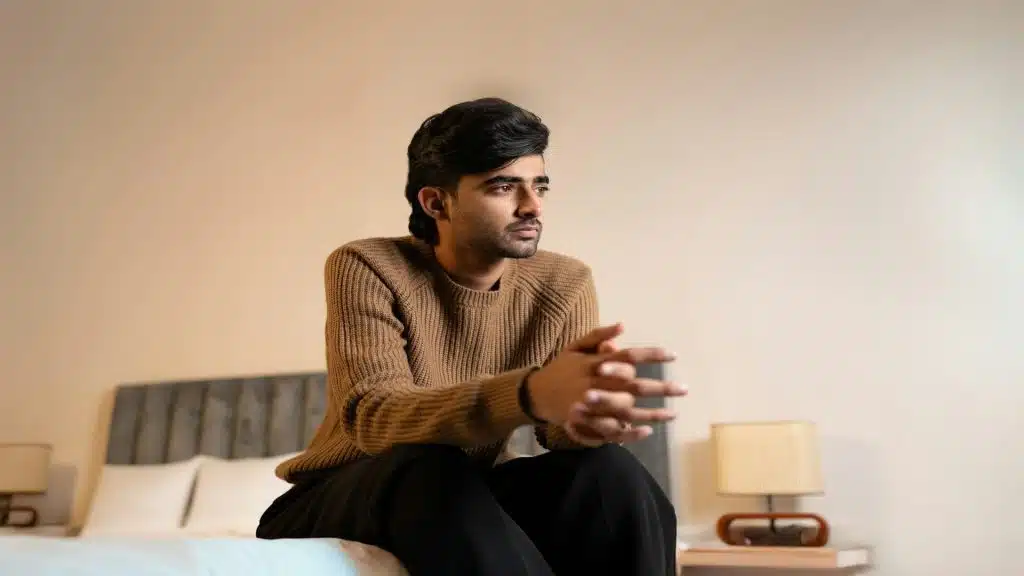
Some men naturally avoid conflict rather than engage in it directly. This can come from wanting to keep things calm or avoid escalation. However, avoidance can create unresolved issues. It may feel easier in the moment, but it builds over time. This role affects how problems are addressed. It can delay necessary conversations. Avoidance often looks like peace but creates distance.
The One Who Responds Instead of Initiates Later On

As the relationship settles, some men shift from initiating to responding. This changes the dynamic subtly. Instead of leading interaction, they follow what’s already happening. This can make effort feel reduced. It’s not always intentional, but it’s noticeable. Initiative often reflects engagement. This role creates imbalance if not addressed.
The Role of Emotional Containment

Men often contain emotions rather than express them openly. This creates a controlled external presence. It can make them seem unaffected or distant. In reality, emotions are processed internally. This role helps maintain composure but can limit emotional connection. It creates a gap between feeling and expression. Understanding this helps reduce misinterpretation.
The One Who Prioritizes Action Over Discussion

When something needs to be addressed, many men prefer action over extended discussion. They may fix, adjust, or change behavior instead of talking at length. This can feel efficient to them. However, it may not meet emotional needs. Discussion and action serve different purposes. This role shapes how problems are handled. It reflects a practical mindset.
The Role of Gradual Emotional Investment
Men often build emotional investment gradually rather than all at once. This can make their feelings seem less obvious at the start. Over time, investment grows through experience and trust. This slower pace can be misunderstood. It may seem like hesitation when it’s actually progression. This role affects how attachment develops. It’s more steady than immediate.
The One Who Pulls Away When Unsure

When unsure about the relationship, men often create distance rather than seek clarity immediately. This can look like reduced time, effort, or communication. It’s a way of processing uncertainty internally. However, it creates confusion externally. The lack of explanation becomes part of the issue. This role shows up during hesitation. It reflects uncertainty more than disinterest.
The Role of Showing Care Through Practical Support
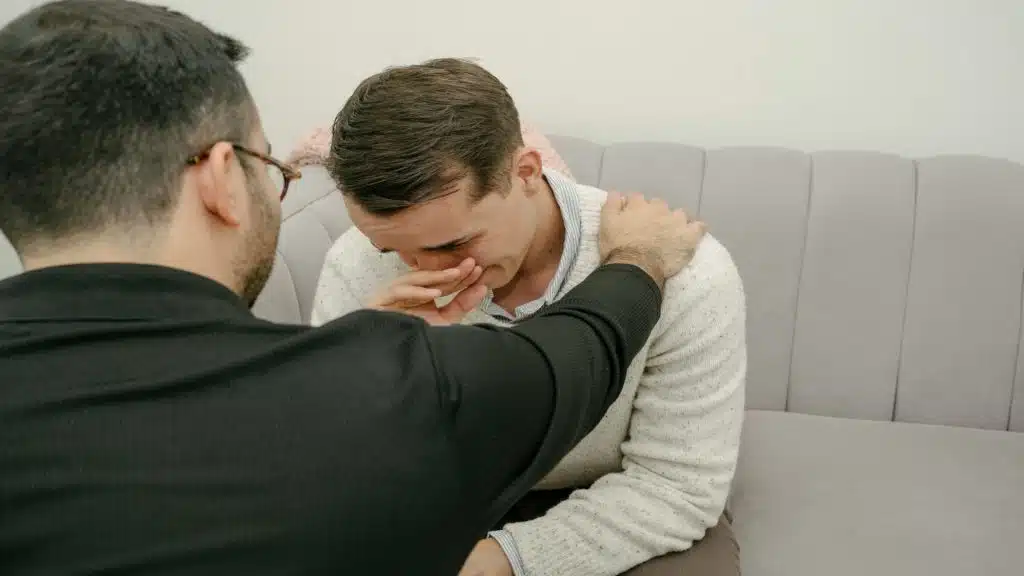
Care is often shown through practical support rather than emotional expression. Helping with tasks, solving problems, or being reliable becomes a way of showing love. This can be overlooked if emotional expression is expected instead. The intention is still meaningful. It just looks different. This role influences how care is experienced. It’s action-based rather than verbal.
The One Who Assumes Stability Means Less Effort

Once the relationship feels stable, some men reduce visible effort without realizing it. They may assume everything is fine as it is. This creates a shift in energy. What once felt intentional becomes routine. The relationship continues, but with less active engagement. This role often comes from comfort, not neglect. However, it still affects connection.
The Role of Protecting Vulnerability

Men may guard vulnerability more carefully, especially if they’ve had past negative experiences. This creates a protective layer around deeper emotions. It can take time for that to open fully. This role affects how emotionally available they seem. It’s not always about unwillingness, but caution. Trust influences how much is shared. Vulnerability is gradual.
The One Who Shows Change Through Actions

When trying to improve or adjust, men often show it through behavior rather than explanation. They may not talk about what they’re changing. Instead, they demonstrate it. This can go unnoticed if only words are expected. Behavior becomes their way of communicating growth. This role emphasizes action. It reflects intention in a quieter way.
The Meaning Becomes Clear Through Patterns

In the end, these roles are not always spoken, but they are consistently shown through patterns. A man’s behavior reveals more than his explanations. The way he shows up, pulls back, engages, or avoids becomes the clearest indicator. These roles are not fixed, but they tend to repeat. Understanding them helps make sense of mixed signals. Patterns reveal intention more clearly than words.








Ask Me Anything