
Love is messy. And sometimes, it hurts more than it should. You might feel like you’re giving everything in a relationship while your partner is just… coasting. That imbalance, where one person loves more than the other, can quietly destroy even the strongest connection. Understanding the dynamics of love and effort can save you heartbreak. These hard truths will make you rethink what it really means to be in a balanced relationship.
A Woman Loving More Can Create Unseen Pressure

When a woman loves you more, she often ends up carrying the emotional weight. You might feel comforted, but she feels exhausted. That pressure can create resentment over time. You might not even notice it because it sneaks in slowly. She starts expecting more from you, and when it doesn’t come, frustration builds. The energy imbalance becomes obvious in arguments and tension. Relationships thrive on mutual effort, not just emotional generosity.
He Feels Comfortable And Less Motivated

When you’re aware she loves more, you might unconsciously relax. You don’t need to chase, impress, or fight for her attention. Comfort is nice, but too much comfort kills growth. Love should inspire effort from both sides. If you stop showing up, she will eventually notice. That gap in motivation can be the seed of disconnect. It’s subtle but powerful, and it erodes the foundation.
Emotional Needs Start To Go Unmet

She might constantly give, but her emotional needs are ignored. You get support, advice, and care, but seldom reciprocate. Over time, that imbalance can leave her feeling invisible. You might think small gestures aren’t important, but they matter a lot. Love is a two-way street, and emotional neglect is toxic. Ignoring her feelings will drive a wedge between you. Awareness of this gap is the first step to fixing it.
She Might Sacrifice Too Much Of Herself

When a woman loves more, she often compromises her own desires for the relationship. She may give up hobbies, friendships, or personal goals. That level of sacrifice can breed frustration or even bitterness. You might see it as dedication, but it comes at a personal cost. Balance requires both partners to maintain their individuality. Without it, one person’s happiness overshadows the other’s. Long-term, this imbalance can suffocate the relationship.
Dependence Can Develop Fast

Excessive love can make her overly dependent on you for happiness. You might enjoy being needed, but dependence is a trap. It reduces personal growth and creates codependency. She may feel anxious or insecure when you’re apart. You might not even realize the pressure this puts on you. Independence in a relationship keeps both partners thriving. Without it, love can feel more like a burden than joy.
Unspoken Resentment Starts To Build

Love that isn’t balanced often leads to quiet resentment. She may start keeping score or feeling unappreciated. You may think everything is fine, but inside, she’s simmering. That resentment grows in small ways until it explodes. Arguments become sharper and more frequent. Emotional disconnect can sneak in without either noticing. Addressing it early prevents long-term damage.
Communication Often Breaks Down

Imbalance in love usually leads to one-sided conversations. She tries to express herself, but you might dismiss or minimize it. Over time, she may stop talking altogether. When communication drops, misunderstandings increase. You end up arguing about the smallest things. A healthy relationship requires equal effort in sharing feelings. Don’t let love imbalance shut down your connection.
Appreciation And Effort Can Fade

You might take her love for granted without realizing it. When one person loves more, they’re often doing extra without acknowledgment. This erodes her motivation to keep giving. She notices the lack of effort even in small gestures. Gratitude matters more than you think. Effort must feel mutual to sustain long-term happiness. Otherwise, the love you receive comes with hidden costs.
Self-Esteem Can Be Affected

When love is uneven, both partners are impacted emotionally. She might question her worth when her efforts go unnoticed. You might start feeling guilt or defensiveness, even subconsciously. Love imbalance creates a feedback loop of insecurity. A healthy relationship should uplift both people. When one side consistently invests more, it can chip away at confidence. Recognizing this is essential for growth.
The Relationship May Become Transactional

Imbalance can turn love into a scorekeeping game. She gives, you receive, and emotions are measured. That’s no longer a genuine connection; it’s a trade. You might not notice the shift at first, but it’s damaging. Love should never feel like a ledger. Mutual giving ensures it stays real and strong. Otherwise, resentment grows and intimacy fades.
Burnout Can Lead To Withdrawal

Constantly giving more creates emotional burnout. She may pull away to protect herself. You might interpret it as disinterest or coldness. In reality, it’s self-preservation. Love should be sustainable, not exhausting. Awareness and effort on both sides prevent withdrawal. Balanced love maintains closeness without draining either partner.
Attraction May Start To Wane

Ironically, too much love can reduce attraction. You might subconsciously feel less challenged or intrigued. She may feel underappreciated, which lowers her emotional connection to you. Desire thrives on balance, not obsession. Keeping attraction alive requires effort from both sides. Love works best when both people feel wanted and seen.
Arguments Can Escalate Over Small Things
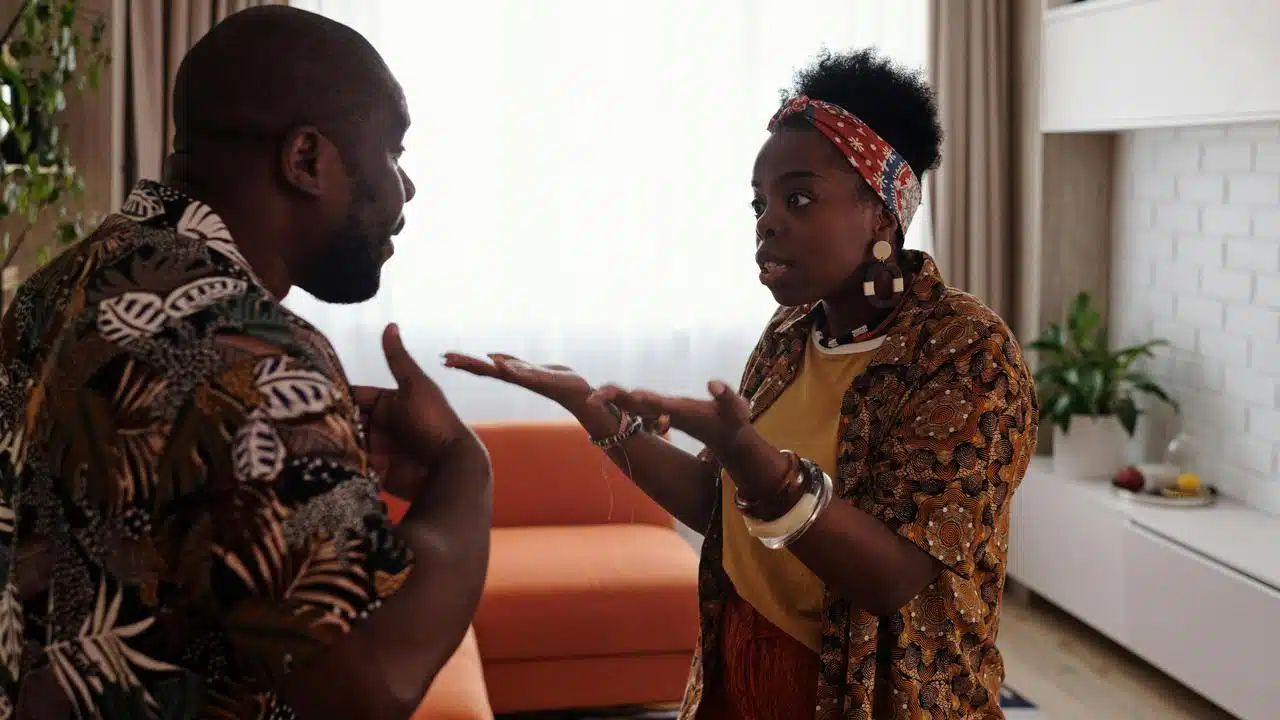
Imbalance makes small disagreements bigger. She may overreact due to accumulated frustration. You might feel unfairly criticized, which triggers defensiveness. Without balance, patience wears thin. Arguments become less about issues and more about unmet needs. Both partners need to invest equally to resolve conflicts healthily. Otherwise, tension lingers and trust erodes.
One Person Becomes The Anchor

When one partner loves more, they often act as the relationship’s anchor. She may hold everything together emotionally, socially, and practically. You might unconsciously lean on her without realizing it. This dynamic can feel safe but dangerous. Being the anchor alone is exhausting and unsustainable. Healthy relationships rely on shared responsibility. Both partners need to stabilize, support, and grow together.
Love Imbalance Can Lead To Breakup

When love is consistently uneven, it often ends in heartbreak. She might reach a point where giving up feels easier than fighting. You might not even see it coming until the distance is clear. Balanced love prevents burnout, resentment, and disconnection. Awareness, effort, and mutual care are the only shields. Unequal love is not a guarantee of failure, but it’s a high-risk path.








Ask Me Anything