
People don’t experience relationships in the same way, and personality plays a bigger role than most expect. Introverts and extroverts often approach connection, communication, and time together very differently. These differences aren’t always obvious at the beginning, especially when everything feels new and exciting. But as the relationship settles into daily life, those needs start to show more clearly. One person may need space to recharge, while the other feels closer through interaction. Neither is wrong, but the contrast can create confusion if it’s not understood. The key isn’t changing each other, but learning how those differences shape the relationship. The following slides explore how these needs show up and what they mean in real situations.
Energy Comes From Different Sources

Introverts and extroverts recharge in completely different ways. Introverts tend to regain energy through quiet time or being alone, while extroverts feel energized by interaction and activity. This difference affects how each person feels after spending time together or being in social settings. One may feel refreshed, while the other feels drained. It’s not about interest or effort, but how energy is restored. Understanding this helps prevent taking things personally. It explains why the same experience can feel completely different.
Time Alone Means Different Things

For introverts, time alone is often necessary to reset and feel balanced again. For extroverts, too much alone time can feel isolating or disconnecting. This creates different expectations around space in the relationship. One person may need regular quiet time, while the other prefers more consistent interaction. Without understanding, this can be misread as distance or lack of interest. In reality, it reflects different emotional needs. Respecting this difference helps maintain balance.
Social Interaction Feels Different

Social environments are experienced in very different ways. Extroverts often enjoy group settings, conversation, and being around people. Introverts may prefer smaller settings or quieter interactions. This affects how each person chooses to spend their time. One may want to go out more often, while the other prefers staying in. These differences can create tension if not balanced. It’s about comfort level, not willingness to connect.
Communication Styles May Not Match

Introverts and extroverts often communicate in different ways. Extroverts may process thoughts out loud, while introverts prefer to think before speaking. This can create misunderstanding during conversations. One may feel the other is distant, while the other feels rushed. It’s not about lack of communication, but different pacing. Recognizing this helps reduce frustration. It allows both styles to exist without conflict.
Processing Emotions Happens Differently

Emotional processing can look very different between these personalities. Introverts often reflect internally before expressing how they feel. Extroverts may express emotions more immediately and openly. This difference can affect how situations are handled. One may need space first, while the other wants to talk right away. Without understanding, this can create tension. It’s about timing, not lack of care.
Conflict Resolution Requires Different Timing

During conflict, extroverts may want to talk things through immediately. Introverts may need time to think before engaging in discussion. This creates a push-and-pull dynamic if not managed well. One person may feel ignored, while the other feels pressured. Both reactions are valid based on personality. Finding a middle ground helps resolve conflict more effectively. Timing becomes just as important as communication.
Stimulation vs Calm Needs to Be Balanced

Extroverts often seek stimulation, activity, and engagement, while introverts prefer calm and quieter environments. This affects how free time is spent together. One may look for plans or social interaction, while the other prefers rest or low-key activities. After social events, this difference becomes even more noticeable. One may want to continue the energy, while the other needs time to recover. It’s not about disinterest, but energy levels. Balance helps both feel comfortable.
Interaction Frequency vs Depth

Extroverts may prefer frequent interaction and regular communication. Introverts may prefer less frequent but deeper, more meaningful connection. This can affect texting, calls, and time spent together. One may want constant engagement, while the other needs breaks. Without clarity, this can be misinterpreted. It’s not about effort, but preference. Understanding this helps align expectations.
Social Circles Feel Different

Extroverts often maintain larger and more active social circles. Introverts may prefer a smaller, closer group of people. This difference affects how social time is shared in the relationship. One may enjoy group gatherings, while the other prefers one-on-one time. This can influence plans and comfort levels. It shapes how social life fits into the relationship. Balance is needed to respect both.
Personal Space Is Experienced Differently

Personal space means different things depending on personality. Introverts may need more space to recharge and feel balanced. Extroverts often feel comfortable with more constant interaction. This can create misunderstanding if not discussed. One may feel crowded, while the other feels distant. It’s not about rejection, but energy needs. Understanding this reduces tension.
Decision-Making Styles Can Differ

Extroverts may prefer to talk through decisions out loud. Introverts often prefer to think things through internally first. This creates differences in timing and approach. One may want immediate discussion, while the other needs time to reflect. Without understanding, this can feel frustrating. It affects how decisions are made together. Recognizing this helps create smoother communication.
Plans and Spontaneity May Not Align

Extroverts may enjoy spontaneity and last-minute plans. Introverts often prefer preparation and knowing what to expect. This difference can affect how plans are made. One may feel excited by change, while the other feels overwhelmed. It’s not about flexibility, but comfort. Balance allows both styles to exist. Planning becomes more intentional.
Expression of Interest May Look Different

Introverts and extroverts may express care in different ways. Extroverts may show it through communication and attention. Introverts may show it through presence and deeper connection. These differences can be misread. One may seem more expressive, the other more reserved. Both can still feel equally invested. It’s about style, not level of care.
Energy After Time Together Can Differ

After spending time together or socializing, energy levels may not match. Extroverts may feel energized and want more interaction. Introverts may feel drained and need quiet time. This can create confusion if not understood. One may want to continue, while the other needs space. It’s not about enjoyment, but recovery. Recognizing this prevents misunderstanding.
Balance and Adaptation Are Necessary

A relationship with different personality needs requires balance. Both people need to adjust in ways that feel fair. This doesn’t mean changing who you are, but being flexible where it matters. Without balance, one person may feel drained while the other feels restricted. Adaptation helps maintain connection. It allows both needs to coexist.
Understanding Prevents Misinterpretation

Many issues come from misunderstanding these differences. Without awareness, behaviors can be misread easily. Needing space may feel like distance. Wanting interaction may feel like pressure. Understanding changes how these actions are interpreted. It reduces unnecessary conflict. Awareness improves connection.
Neither Personality Type Is Better
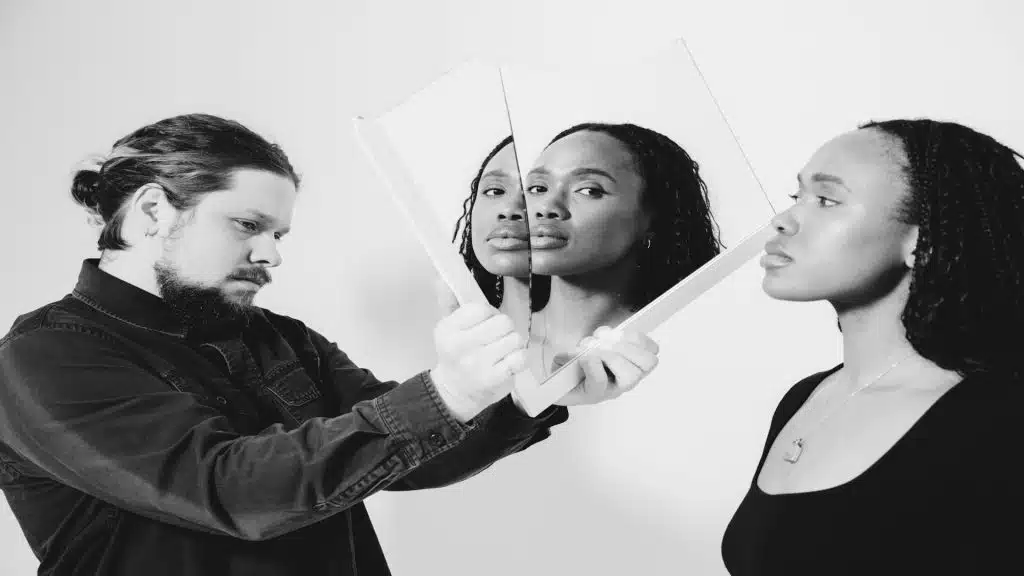
Introversion and extroversion are simply different ways of experiencing the world. One is not better than the other. Each comes with strengths and challenges. Problems arise when one is seen as more correct. Accepting both creates a healthier dynamic. Respect makes the relationship more balanced.
Compatibility Depends on How Differences Are Handled

Compatibility is not about being the same, but about how differences are managed. Both people need to meet each other halfway. This creates a more stable and supportive relationship. Without effort, differences feel stronger. With effort, they become manageable. The outcome depends on how both people adapt.
The Relationship Works When Both Feel Understood

At the core, a relationship works when both people feel understood. It’s not about removing differences, but respecting them. When both needs are acknowledged, the connection feels more natural. This creates a stronger and more stable bond. Understanding supports long-term success.








Ask Me Anything