
Many men are naturally drawn to feeling needed. Helping, protecting, and supporting someone can make a man feel valuable and important. But sometimes that instinct becomes unhealthy when compassion turns into constant rescuing. Instead of building a balanced relationship, some men become trapped in trying to fix someone who is not ready to fix herself. They confuse loyalty with endurance and love with sacrifice. Over time, this dynamic creates exhaustion instead of intimacy. These are the types of women some men keep trying to save when walking away may be the wiser choice.
The Woman Who Always Has a Crisis

Some women seem to live in constant emergency mode. Every week brings a new disaster, conflict, or emotional breakdown. The man starts feeling like her permanent firefighter instead of her partner. At first, helping may feel noble and necessary. Over time, however, the relationship becomes more about crisis management than connection. If peace only lasts briefly before the next disaster arrives, the man may be stuck in a rescue cycle. Relationships cannot thrive when survival mode never ends.
The Woman Who Refuses Accountability

Some women always have an excuse for their behavior. Every mistake is blamed on stress, trauma, bad luck, or someone else. A man may stay because he believes patience will help her mature. He keeps hoping she will eventually “get it” and grow. But accountability cannot be forced onto someone who avoids responsibility. Without ownership, there can be no real change. Trying to save someone who never admits fault often leads to frustration and burnout.
The Woman Addicted to Chaos

Some people unconsciously create drama because calm feels unfamiliar. Arguments, emotional highs, and constant tension become their version of normal. A man may believe enough love will help her feel safe in peace. Instead, she may sabotage calm because chaos feels emotionally familiar. He then spends the relationship trying to stabilize what she keeps disrupting. The cycle becomes exhausting and confusing. Love cannot thrive where dysfunction is repeatedly recreated.
The Woman Who Wants Fixing but Rejects Help

Some women talk often about wanting to improve but resist every actual solution. They complain about problems but reject advice, therapy, boundaries, or practical help. A man may stay believing she just needs more support. But effort means little if the person does not act on it. Eventually, he becomes emotionally drained by endless discussions with no progress. Supporting someone is healthy; dragging someone toward healing is not. Real change requires willingness from both sides.
The Woman Who Weaponizes Her Pain

Past pain can explain behavior, but it should not excuse harmful treatment forever. Some women use their trauma as a shield against accountability. Whenever confronted, they redirect the conversation to their suffering. A man may stay because he feels guilty challenging someone who has been hurt. But compassion without boundaries creates imbalance. Pain deserves empathy, not permanent permission. Healing requires honesty, not emotional immunity.
The Woman Who Needs Constant Validation

Some women need endless reassurance to feel secure. No amount of compliments, affection, or attention seems enough. A man may initially enjoy being needed so deeply. But over time, he realizes he is responsible for managing her self-esteem daily. The relationship becomes emotionally draining because nothing satisfies the insecurity for long. Validation can support someone, but it cannot replace inner confidence. No partner can fill a bottomless emotional void.
The Woman Who Loves Potential More Than Effort

Some women fall in love with dreams rather than discipline. They talk constantly about future plans but rarely follow through. A man may believe he can motivate her into becoming who she says she wants to be. But inspiration cannot substitute for self-discipline. Eventually, he realizes he is dating promises, not progress. Hope becomes frustration when effort never matches ambition. Love cannot survive forever on potential alone.
The Woman Who Constantly Self-Sabotages

Some women destroy good things the moment life improves. They may ruin opportunities, start fights, or withdraw when happiness appears. A man may think she simply fears success and needs reassurance. But repeated sabotage often reflects deeper issues only she can address. He cannot protect her from choices she keeps making herself. Trying to save someone from self-destruction becomes emotionally consuming. Love should not feel like constantly preventing collapse.
The Woman Who Uses Tears to Avoid Consequences

Emotion is healthy, but sometimes it becomes manipulation. Some women cry whenever difficult accountability conversations arise. A man may stop addressing problems because he feels cruel for continuing. This creates a pattern where emotions derail responsibility. The relationship becomes emotionally lopsided. Difficult conversations get avoided, and problems remain unresolved. Healthy vulnerability invites understanding, not escape from consequences.
The Woman Who Never Leaves Her Past Behind

Some women carry old heartbreak into every new relationship. They expect betrayal before trust is broken. A man may stay believing his consistency will heal her wounds. But no partner can erase someone else’s unresolved past. If she constantly projects old pain onto new love, the relationship suffers. Trust cannot grow where suspicion rules everything. Healing from the past is personal work, not a partner’s assignment.
The Woman Who Sees Love as Endless Tolerance

Some women define love by what a man will endure. The more pain he tolerates, the more she believes he “really loves” her. This creates toxic standards where boundaries are treated as betrayal. A man may stay trying to prove his devotion through suffering. But love should not require endless emotional pain as proof. Endurance is not always loyalty. Sometimes leaving is healthier than staying.
The Woman Who Needs Saving Financially Constantly

Some women repeatedly depend on men to solve avoidable financial problems. Emergencies happen, but chronic dependence can signal irresponsibility. A man may feel proud stepping in as provider and protector. Over time, however, the relationship becomes financially one-sided. He may feel more like a sponsor than a partner. Support is different from being used as a safety net. Healthy relationships require mutual responsibility.
The Woman Who Seeks Attention From Everyone

Some women constantly crave outside validation from others. Even in committed relationships, they may flirt, post for attention, or seek admiration everywhere. A man may think enough love will make her stop needing outside approval. But external validation habits usually come from internal insecurity. He cannot compete with the need for constant attention. Trust weakens when reassurance is never enough. A secure relationship requires internal confidence too.
The Woman Who Threatens to Leave Constantly

Some women use breakups or threats as emotional leverage. Every disagreement becomes “maybe this is over.” A man may stay trying harder each time to keep peace. Eventually, the relationship becomes built on fear instead of trust. He starts performing out of anxiety rather than love. Security cannot grow when commitment is constantly weaponized. Stability matters more than dramatic passion.
The Woman Who Expects Mind-Reading

Some women punish men for not anticipating unspoken needs. Instead of clear communication, they expect instinctive understanding. A man may keep trying harder to “figure her out.” But no one can meet expectations never clearly expressed. The relationship becomes emotionally exhausting. Constant guessing replaces healthy communication. Mature love requires honesty, not mind-reading.
The Woman Who Romanticizes Being Broken

Some women turn dysfunction into identity. They glorify being “damaged,” “toxic,” or “hard to love.” A man may stay believing love will prove everyone wrong. But if someone is attached to dysfunction, they may resist healing because chaos feels like identity. You cannot save someone who protects their brokenness. Healing begins when someone wants better. Without that desire, nothing changes.
The Woman Who Drains More Than She Gives

Every relationship has seasons of imbalance, but chronic imbalance matters. Some women consistently take emotional energy, time, and support without giving much back. A man may stay because he hopes reciprocity will come later. But healthy love should not feel permanently one-sided. Giving without receiving creates resentment. A relationship cannot survive if only one person pours in. Mutual care is not optional.
The Woman Who Only Loves During Good Times

Some women disappear emotionally when things get difficult. They enjoy love when life is easy but withdraw during hardship. A man may stay hoping she will mature emotionally over time. But commitment means showing up during discomfort too. If support disappears during struggle, the relationship lacks depth. Real partnership is tested during difficulty. Love without resilience is fragile.
The Woman Who Does Not Want Peace, Only Pursuit

Some women enjoy being chased more than being loved. They crave the thrill of pursuit, not the stability of commitment. A man may keep trying harder, thinking effort will finally earn security. But once peace arrives, she may lose interest because the chase is over. He becomes trapped constantly proving himself. Relationships built on pursuit often struggle with peace. Love should deepen after the chase, not disappear.
Love Cannot Save Someone Who Refuses to Grow
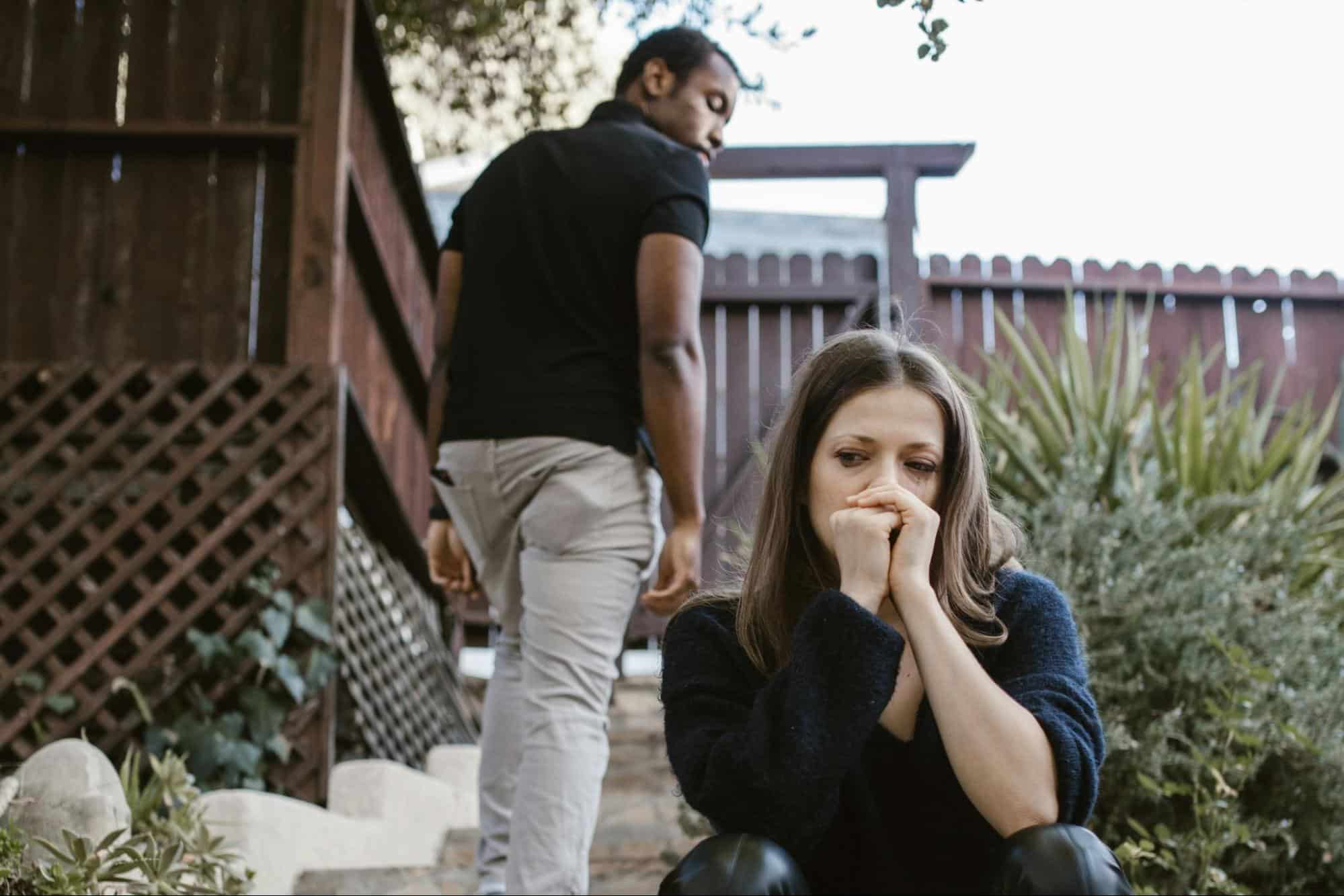
Many men stay too long because they believe enough love can heal anyone. But love is support, not salvation. No one can fix another adult who refuses responsibility, healing, or growth. Relationships should be partnerships, not rescue missions. Compassion matters, but so do boundaries and self-respect. Sometimes the healthiest thing a man can do is stop trying to save someone who does not want to be saved. Walking away is not failure when staying only enables dysfunction.








Ask Me Anything