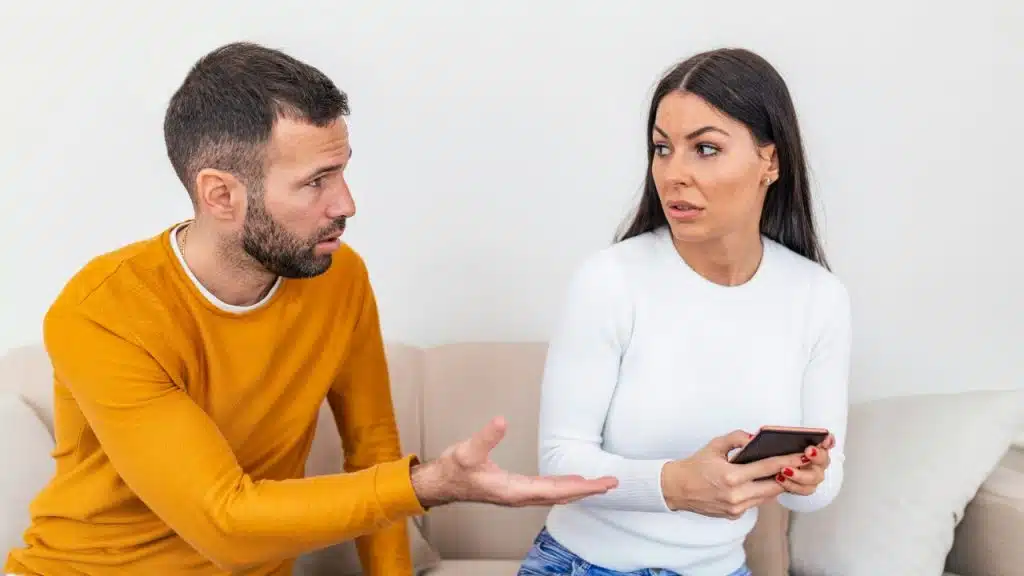
Feminism has changed the rules in modern relationships, and that’s a good thing in many ways. It has expanded women’s choices and challenged outdated expectations. But in some situations, it also gets used to justify behavior that can frustrate men or blur accountability. You start noticing double standards, shifting responsibilities, and unclear boundaries. This article breaks down those patterns so you can understand what’s happening and protect your standards.
Expecting Traditional Benefits Without Contribution
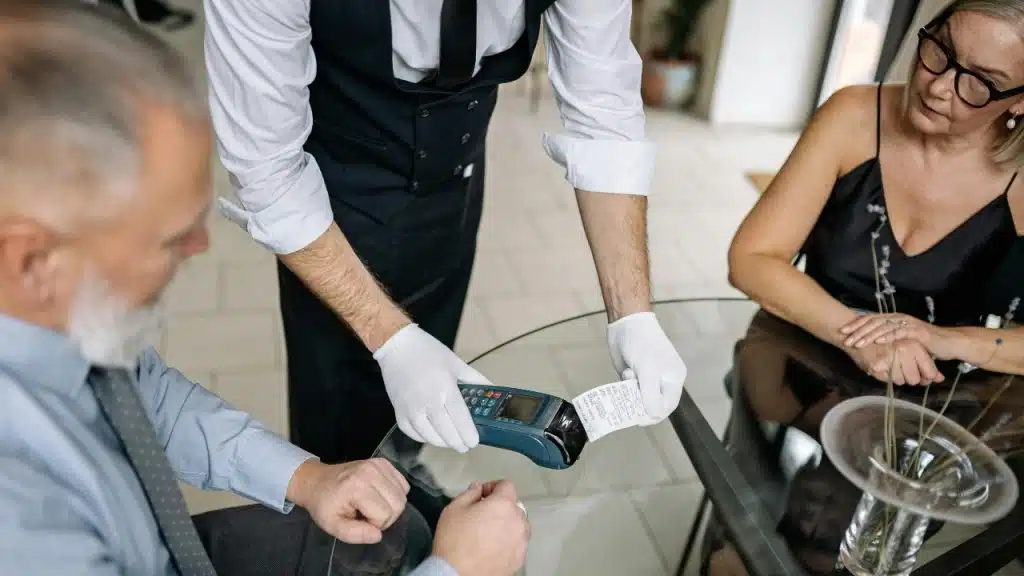
Some women want you to be the primary earner and protector, but don’t want to fulfill any traditional roles themselves. You’re expected to pay for every date and fix everything that breaks while they claim total independence. This creates a lopsided deal where you’re stuck with old-school burdens while they get all the modern perks. It’s hard to build a life together when only one person is doing the heavy lifting. You deserve a partner who contributes as much as they expect from you.
My Happiness Comes First as a One-Way Rule

You might notice that her personal joy is always the priority, even if it hurts the relationship. If she wants to spend money or skip out on a commitment, she says she’s just prioritizing her well-being. But if you try to do the same, you’re told you’re being selfish or neglectful. A real partnership needs both people to think about the team, not just their own desires. When one person’s mood dictates everything, the relationship isn’t a team anymore.
Selective Equality When Convenient
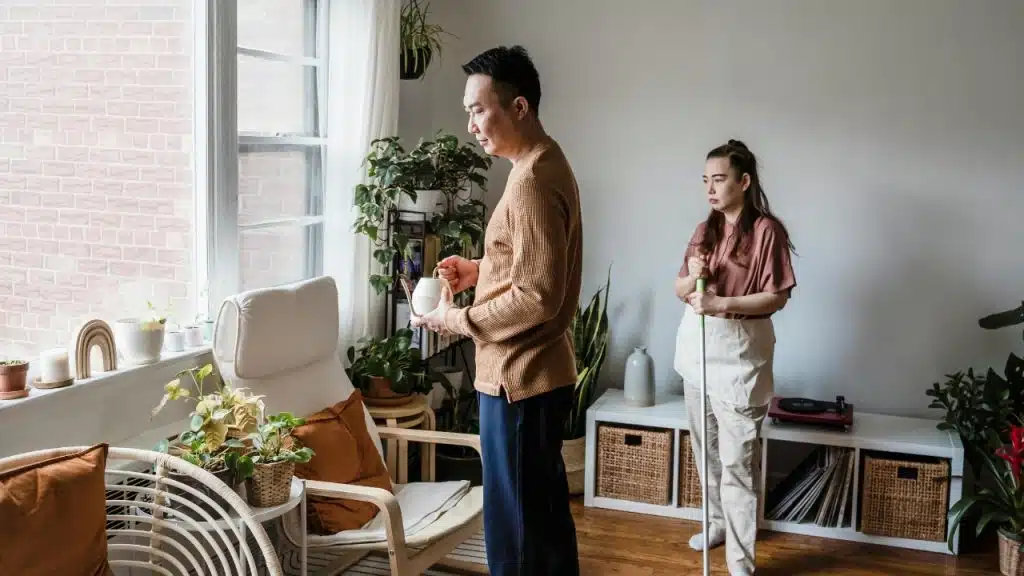
Equality shouldn’t be something that only appears when it helps one person save time or money. You’ll see this when chores are split exactly down the middle, but you’re still expected to handle all the “manly” risks and costs. It feels like the definition of fairness changes based on what’s easiest for her in that moment. True equality means you both share the good and the bad parts of life equally. If the rules keep shifting to favor her, it’s not actually about being equal.
Criticism Framed As Control

It’s tough to have a serious talk when every concern you bring up is called “controlling.” If you ask about her plans or a specific behavior, she might tell you that you’re just trying to limit her freedom. This shuts down the conversation and makes you look like the bad guy for even caring. You have every right to expect honesty and transparency from your partner. Being in a committed relationship means you’re both accountable to each other.
Independence Used To Avoid Cooperation

Being independent is a good trait, but it shouldn’t be a reason to stop being a teammate. Some women use their independence as an excuse to make big decisions without talking to you first. They act like asking for your opinion is a threat to their rights. This leaves you dealing with the results of choices you didn’t even agree to. A marriage only works when you’re both moving in the same direction.
Holding Men To Old Standards
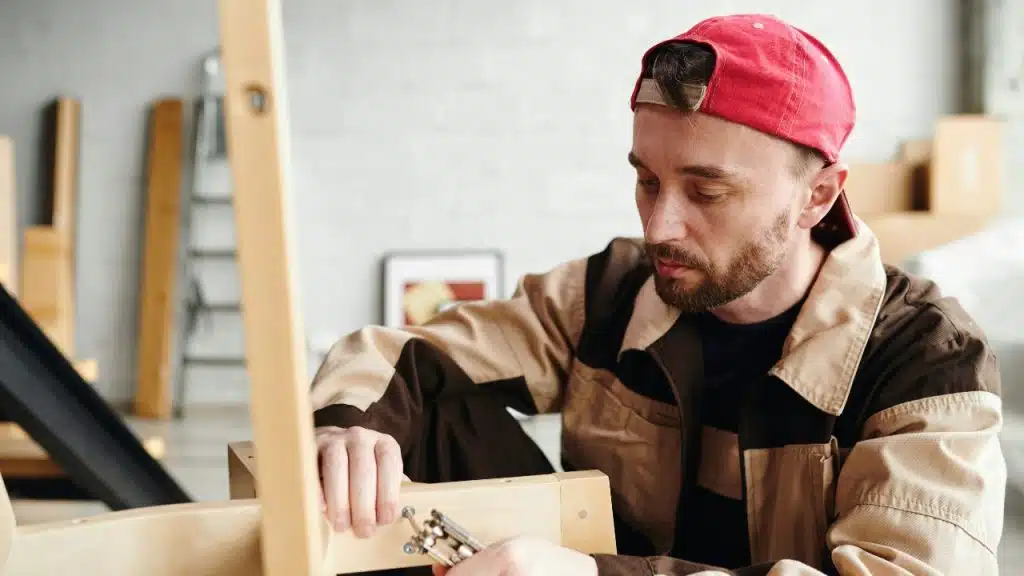
You might be told to be a leader and a provider while she rejects any expectations you have for her. She wants you to be the strong, silent type who handles all the stress, but she doesn’t want to offer that same support back. It’s a double standard that leaves you feeling used and unappreciated. You’re essentially being asked to play a role that she isn’t willing to match. Consistency is the only way for a long-term relationship to stay healthy.
Disrespect Framed As Strength
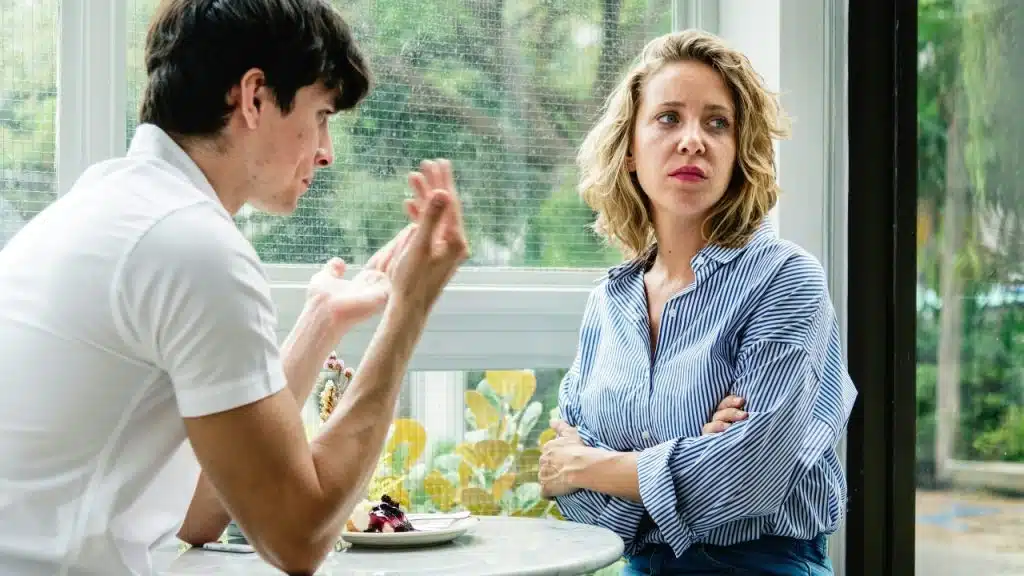
Some people think that being a strong woman means they can be rude or dismissive to their partners. You might find your opinions getting laughed at or ignored in front of others. When you complain, she might say she’s just being assertive and standing her ground. But there’s a big difference between being confident and being disrespectful. Real strength involves treating the people you care about with kindness and patience.
Dismissing Men’s Concerns

When you try to talk about your feelings or set a boundary, she might call you “fragile” or insecure. This is a way to make your emotions seem unimportant or silly because you’re a man. It forces you to stay quiet and accept things that bother you just to avoid being insulted. Your mental and emotional health matters just as much as hers does. A partner who cares will listen to you without trying to make you feel small.
Rewriting Relationship Roles Without Clear Agreement
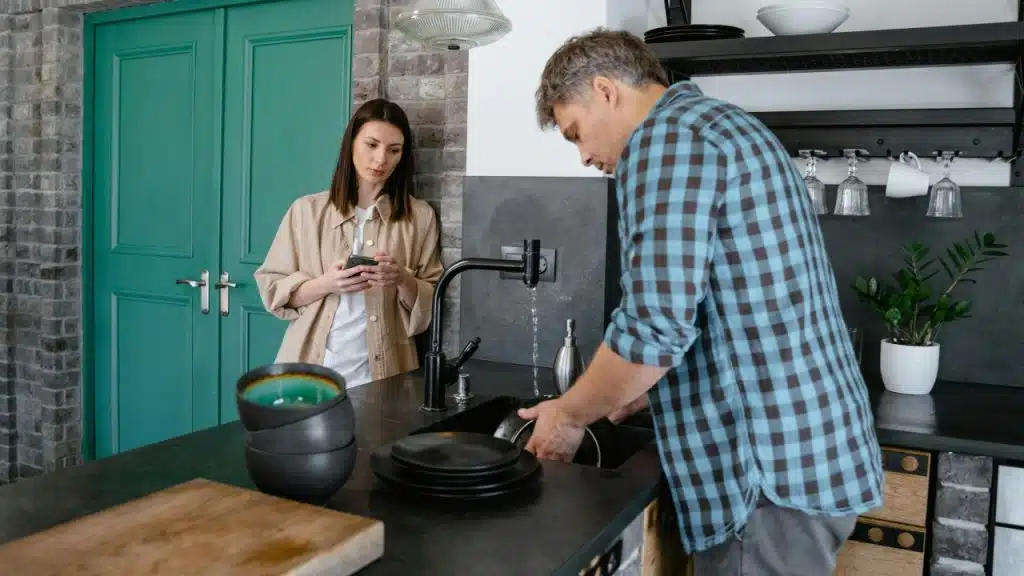
Sometimes the “rules” of your house change overnight without anyone ever asking you. She might decide she’s done with certain tasks, but still expects you to do yours exactly as before. When you point this out, she uses modern ideas to explain why she shouldn’t have to do those things anymore. It’s confusing to live in a house where the expectations keep moving. Any change in how you run your lives should be a joint decision.
Double Standards Called Empowerment

There are behaviors that women are praised for that men would be shamed for doing. She might stay out late without calling or keep secrets about money and call it “empowerment.” Because it’s framed as a win for women, it makes it very hard for you to say it’s unfair. But a double standard is still a double standard, no matter what label you put on it. You should both be held to the same level of respect and honesty.
Using I Don’t Need a Man While Expecting Relationship Perks

It’s common to hear the phrase “I don’t need a man” used as a way to devalue your presence. While she might be able to survive on her own, using that fact as a weapon in a marriage is hurtful. She still expects you to provide a home, safety, and emotional support while acting like you don’t matter. It’s hard to feel motivated to help someone who constantly tells you that you’re optional. You deserve to be in a relationship where your partner actually wants you there.
Avoiding Compromise As Self-Respect
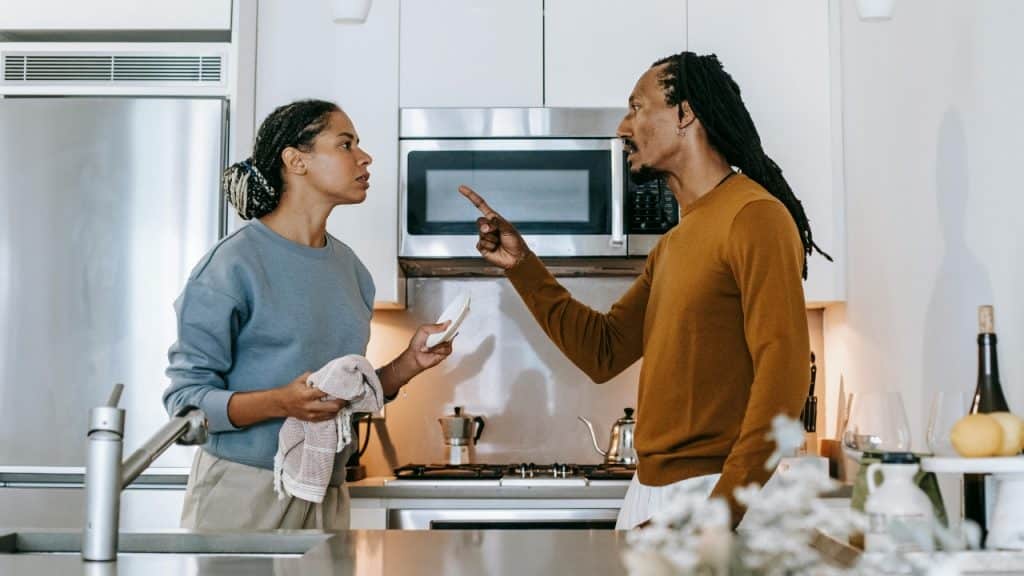
Compromise is how two different people live together in peace. However, some women view any kind of giving in as a loss of their self-respect. They refuse to change their minds on anything, even small stuff, because they think it makes them look weak. This makes every disagreement feel like a battle where only one person can win. If no one is willing to bend, the relationship will eventually break.
Excusing Poor Behavior as Healing or Growth

You might see your partner act out or ignore your needs and then blame it on “personal growth.” She might say she’s just “finding her voice” when she’s actually just being unkind. While it’s good to grow, it shouldn’t be an excuse to treat your partner poorly. Real growth should lead to better communication and more empathy for others. Using self-improvement as a shield against your feelings is just a way to avoid taking responsibility.
Social Validation Over Stability

A lot of people care more about their social media image than their actual home life. She might spend hours making her life look perfect online while ignoring you in the same room. This need for strangers to like her can lead to her sharing private details or making choices that hurt your trust. It’s frustrating to feel like you’re less important than a phone screen. Your relationship should be more valuable than any amount of online attention.
Treating Boundaries as Optional When They Are Not Their Own

You might notice that she has very strict rules for you, but she doesn’t follow any for herself. She expects you to respect her privacy and her time, but she goes through your things or interrupts your work. If you bring it up, she might say her needs are different or more urgent. This creates a dynamic where you’re always on your best behavior while she does whatever she wants. For a relationship to be fair, the same boundaries must apply to both people.








Ask Me Anything