
Divorce has a way of teaching lessons no one signs up for. What begins as a hopeful partnership can slowly unravel into distance, resentment, and ultimately separation. When it’s over, the paperwork might be final—but the emotional education continues long after. Many people who’ve been through divorce say the hardest part isn’t just losing the relationship; it’s realizing the truths they wish they had understood years earlier.
Looking back, divorced individuals often notice patterns they ignored, conversations they avoided, and warning signs they explained away. These realizations don’t arrive gently—they tend to show up with regret, hindsight, and a deep desire not to repeat the same mistakes again. The pain of divorce often comes with clarity about what truly sustains a relationship and what quietly erodes it.
The good news is that these lessons, while painful, can also be incredibly valuable. People who reflect honestly on their divorce often become more self-aware, emotionally mature, and intentional in future relationships. Here are the lessons divorced individuals say hurt the most—but also taught them the most.
Love Alone Doesn’t Sustain a Marriage

Many divorced people say one of the most shocking realizations is that loving someone deeply doesn’t automatically create a stable marriage. Love may bring two people together, but long-term partnership requires habits like communication, compromise, shared responsibility, and emotional maturity. Couples sometimes assume affection will carry them through conflict, but unresolved issues eventually overpower feelings. The practical lesson is to treat a marriage less like a romantic idea and more like a living system that requires care. Schedule real conversations, work on conflict skills, and don’t assume emotional closeness will maintain itself without effort.
Small Resentments Grow Quietly Over Time

Rarely does a marriage collapse because of one dramatic moment. More often, it’s the slow accumulation of small frustrations that were never addressed. Little disappointments—feeling unappreciated, unheard, or unsupported—stack up until they form a wall between partners. Divorced individuals often say they wish they had spoken up earlier instead of letting things simmer. A useful habit is to address small irritations before they harden into resentment. Weekly relationship check-ins or simple honesty like “That bothered me earlier—can we talk about it?” can prevent years of silent damage.
Avoiding Conflict Doesn’t Protect the Relationship

Many people enter marriage believing that minimizing arguments keeps things peaceful. Ironically, avoiding conflict often does the opposite. Couples who refuse to discuss hard topics end up suppressing issues that never truly disappear. Over time, those avoided conversations become emotional distance. Divorced individuals frequently say the biggest mistake was staying silent to keep the peace. Healthy relationships don’t avoid conflict—they learn how to handle it constructively. Practicing calm discussions, listening fully, and focusing on solutions instead of blame can transform disagreements into opportunities for growth.
Emotional Neglect Can Be as Damaging as Betrayal

Infidelity often dominates divorce stories, but many divorced people say emotional neglect hurt just as deeply. When one partner stops showing curiosity, appreciation, or affection, the relationship slowly begins to feel lonely—even while living together. Over time, that loneliness can become unbearable. The lesson many learn too late is that emotional attention must be ongoing. Simple habits—like checking in about your partner’s day, expressing gratitude, or showing physical affection—help maintain emotional connection. Without them, the relationship can quietly wither.
People Rarely Change as Much as You Hope

One painful realization many divorced individuals share is that they married someone hoping certain behaviors would improve over time. Maybe it was irresponsibility, poor communication, or emotional unavailability. While people can grow, expecting dramatic personality changes often leads to disappointment. Divorce forces people to confront the difference between who someone is and who we wish they would become. The practical takeaway is to evaluate patterns honestly before committing long-term. If something feels like a major issue now, assume it may still be there years later.
Stress Reveals the True Dynamics of a Marriage

Life inevitably brings financial pressure, health issues, parenting challenges, and career setbacks. Many divorced people say their relationship seemed fine until real stress arrived. Difficult seasons expose how partners handle responsibility, empathy, and teamwork. Some couples grow stronger together, while others begin to fracture. The painful lesson is that compatibility isn’t just about shared interests—it’s about how two people respond to adversity. Paying attention to how your relationship handles stressful periods can reveal whether you truly function as a team.
Feeling Unheard Slowly Erodes Love

One of the most common reflections after divorce is the feeling that communication broke down long before the relationship ended. When someone repeatedly feels dismissed, interrupted, or misunderstood, they eventually stop trying to express themselves. That silence creates emotional distance that’s hard to repair later. Divorced individuals often say they wish they had insisted on better communication earlier. A powerful practice is reflective listening—repeating back what your partner says before responding. It sounds simple, but it dramatically improves understanding and emotional safety.
Routine Can Quietly Replace Connection

Long-term relationships naturally fall into routines—work schedules, household tasks, parenting duties. But when routine becomes the entire relationship, emotional intimacy often fades. Divorced individuals frequently realize they stopped prioritizing fun, curiosity, and novelty together. The relationship became functional rather than meaningful. The lesson is to protect shared experiences. Plan regular dates, try new activities together, or simply take time to talk about things beyond logistics. A marriage needs moments that feel alive, not just efficient.
Taking Your Partner for Granted Is Easy—And Costly
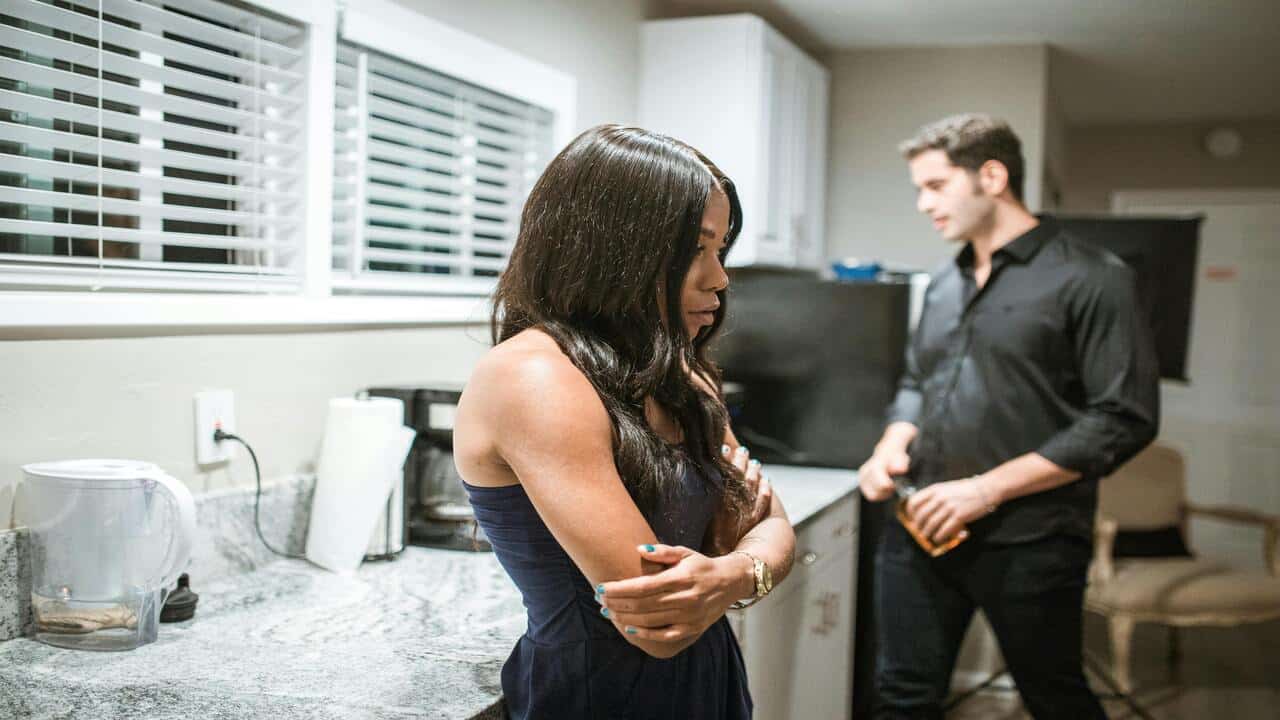
Early in relationships, appreciation flows naturally. Over time, familiarity can make people stop noticing the effort their partner contributes. Many divorced individuals say they regret not expressing gratitude more often. Feeling unseen slowly drains motivation to invest in the relationship. A simple but powerful habit is daily acknowledgment. Thank your partner for ordinary contributions—whether it’s managing finances, supporting the family, or handling everyday responsibilities. Appreciation doesn’t just make someone feel valued; it keeps goodwill alive in the relationship.
Personal Growth Doesn’t Stop After Marriage

Some couples assume marriage means the relationship has reached a stable destination. In reality, people continue evolving throughout their lives. Divorced individuals often say they or their partner grew in different directions without noticing. Interests, priorities, and values can shift over time. The lesson is to stay curious about each other’s growth. Regularly talk about goals, fears, and aspirations so both partners can evolve together rather than drifting apart.
Boundaries Matter Even in Marriage

Many people assume that marriage means unlimited access to each other’s time, energy, and attention. However, healthy boundaries are essential for maintaining individuality and respect. Divorced individuals often realize they either sacrificed too much of themselves or failed to respect their partner’s limits. Over time, that imbalance breeds resentment. Maintaining boundaries—like personal time, friendships, and independent goals—can actually strengthen a relationship by preserving mutual respect and autonomy.
Financial Disagreements Carry Emotional Weight

Money arguments are rarely just about numbers. They often represent deeper issues like security, control, or fairness. Divorced couples frequently say unresolved financial tension created constant stress in their relationship. The painful lesson is that avoiding money conversations only magnifies the problem. Couples benefit from regular financial discussions about spending habits, long-term goals, and expectations. Transparency and teamwork around finances can remove one of the most common sources of marital conflict.
Pride Can Delay Necessary Conversations

Sometimes relationships deteriorate because both partners wait for the other to initiate repair. Pride makes people defensive, stubborn, or unwilling to admit mistakes. Divorced individuals often reflect that they wish they had apologized sooner or softened their stance during conflicts. A relationship improves dramatically when someone chooses humility over being right. Practicing phrases like “I might be wrong, but…” or “Help me understand your perspective” can reopen conversations that pride might otherwise shut down.
Emotional Distance Builds Gradually

Divorce rarely happens overnight. For many couples, emotional distance develops slowly over years. Conversations become shorter, shared interests disappear, and physical affection fades. Because the shift is gradual, partners often underestimate how serious the disconnect has become. Divorced individuals frequently say they wish they had addressed the distance earlier instead of assuming it was temporary. Regular emotional check-ins—asking “Do you still feel close to me?”—can reveal issues before they become permanent.
Outside Support Can Save Relationships

Many couples wait until their marriage is nearly broken before seeking help. Divorced individuals often say they regret not trying counseling earlier. A neutral third party can help couples understand patterns they can’t see themselves. Therapy isn’t only for crises—it can also strengthen communication and conflict resolution skills. Seeking help early shows commitment to the relationship rather than weakness.
Self-Awareness Matters as Much as Compatibility

After divorce, many people spend time reflecting on their own role in the relationship’s breakdown. It’s easy to focus on a partner’s mistakes, but long-term growth comes from examining personal patterns as well. Divorced individuals often discover habits—like avoidance, defensiveness, or emotional withdrawal—that contributed to problems. Honest self-reflection helps people build healthier future relationships. Growth begins when someone asks, “What could I have handled better?”
Children Notice More Than Parents Think

For couples with children, divorce often brings the painful realization that kids were aware of the tension long before the separation happened. Children are highly perceptive and can sense emotional distance or conflict even when parents try to hide it. Divorced parents often say they wish they had addressed problems earlier or modeled healthier communication. The practical takeaway is to create an environment where respect, empathy, and calm conflict resolution are visible to children.
Healing Takes Longer Than Expected

One of the hardest lessons after divorce is recognizing that emotional recovery isn’t quick or linear. Even when the separation was necessary, grief and self-doubt can linger. Many divorced individuals underestimate how long it takes to rebuild confidence and trust. Healing often requires patience, reflection, and supportive friendships. Over time, however, many people find that the painful lessons of divorce become the foundation for wiser decisions and healthier relationships in the future.








Ask Me Anything