
Some people eventually reach a point in life where peace becomes more valuable than excitement, drama, or constant emotional rollercoasters. They’ve experienced enough chaos—whether from past relationships, work stress, or life challenges—to realize that calm, stability, and emotional safety are not luxuries. They’re necessities.
People who value peace tend to date differently. They pay attention to behaviors that others might overlook early on. Small red flags that once seemed harmless suddenly feel exhausting. They’ve learned that who you allow into your life has a direct impact on your mental health, energy, and daily happiness.
Instead of chasing intensity, they look for consistency. Instead of tolerating unpredictability, they prioritize emotional maturity. And when someone shows patterns that threaten their sense of calm, they’re far more willing to walk away than they once were.
Here are the traits people who value peace refuse to tolerate in a partner.
Constant Drama

People who prioritize peace quickly lose interest in partners who seem to live in a constant state of chaos. Every week brings a new conflict with friends, coworkers, or family members, and somehow they’re always at the center of it. Over time, you start to realize that the drama isn’t bad luck—it’s a pattern. Peace-loving individuals know that relationships shouldn’t feel like crisis management. If someone thrives on conflict, gossip, and emotional explosions, the healthiest move is often to step back and let them carry that chaos somewhere else.
Emotional Volatility
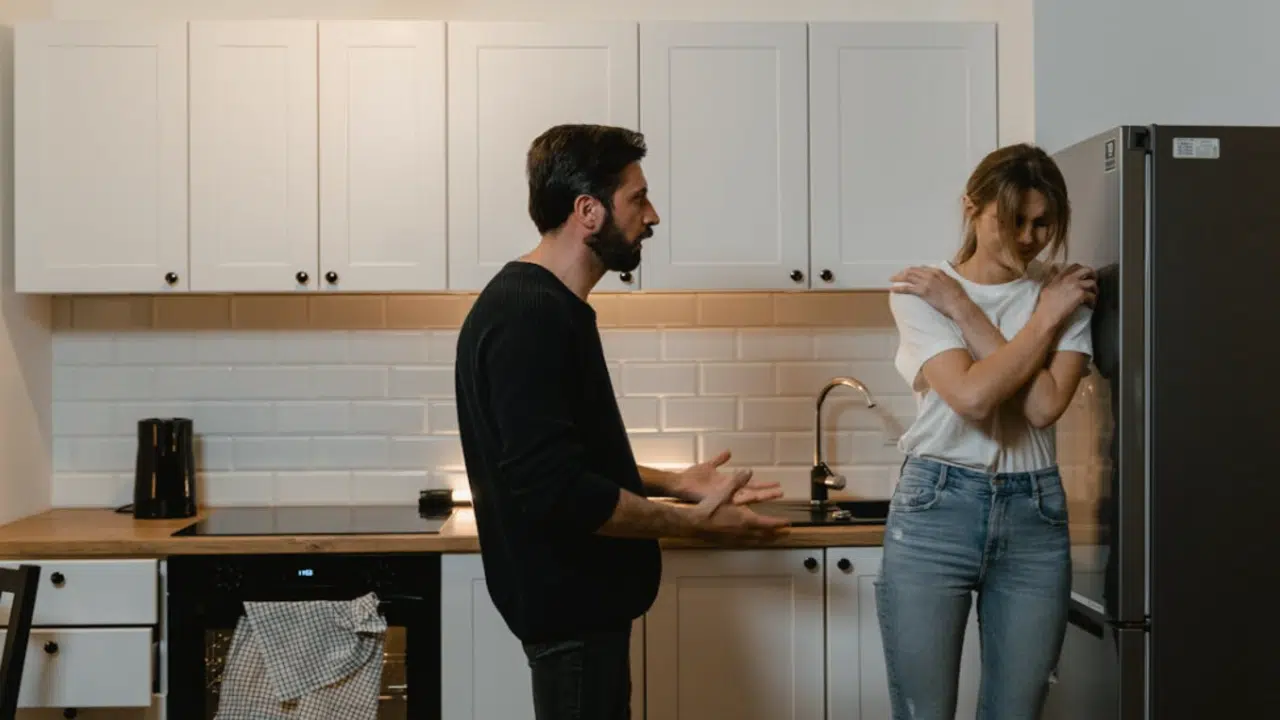
Unpredictable moods can make a relationship feel like walking on eggshells. One moment things are calm, and the next moment there’s anger, frustration, or cold withdrawal for reasons that aren’t always clear. People who value peace understand that emotional stability matters more than passionate highs followed by dramatic lows. They want a partner who can regulate their feelings, communicate calmly, and handle stress without turning every disagreement into a storm.
Poor Communication Habits

Peaceful relationships rely heavily on clear and respectful communication. When someone avoids conversations, shuts down during disagreements, or resorts to sarcasm and passive-aggressive comments, it slowly erodes trust and emotional safety. People who value peace know that unresolved tension quietly builds over time. Instead of tolerating confusing mixed signals, they look for partners who can talk things through calmly, listen actively, and solve problems without turning every discussion into an argument.
A Habit of Creating Unnecessary Conflict

Some people seem to look for problems even when none exist. They misinterpret neutral comments, start arguments over small misunderstandings, or escalate minor issues into major disputes. While this behavior may seem tolerable early in a relationship, it becomes emotionally draining over time. People who value peace recognize that constant conflict steals energy that could be spent enjoying life together. They’d rather build a relationship where disagreements are handled calmly and not used as opportunities for emotional battles.
Chronic Negativity

A partner who constantly focuses on what’s wrong with everything can slowly drain the joy from a relationship. Whether it’s complaining about work every day, criticizing people constantly, or assuming the worst in every situation, chronic negativity spreads quickly. People who prioritize peace know that mindset is contagious. While everyone has difficult days, they prefer partners who can balance realism with optimism and who don’t make pessimism their default way of engaging with the world.
Lack of Personal Responsibility

Peaceful people tend to avoid partners who blame everyone else for their problems. Whether it’s failed relationships, career struggles, or personal mistakes, there’s always someone else at fault. This mindset makes growth almost impossible because accountability never enters the conversation. Those who value peace know that a partner who refuses to take responsibility will eventually turn that blame toward them. Healthy relationships require two adults who can own their mistakes and learn from them.
Disrespect Toward Others
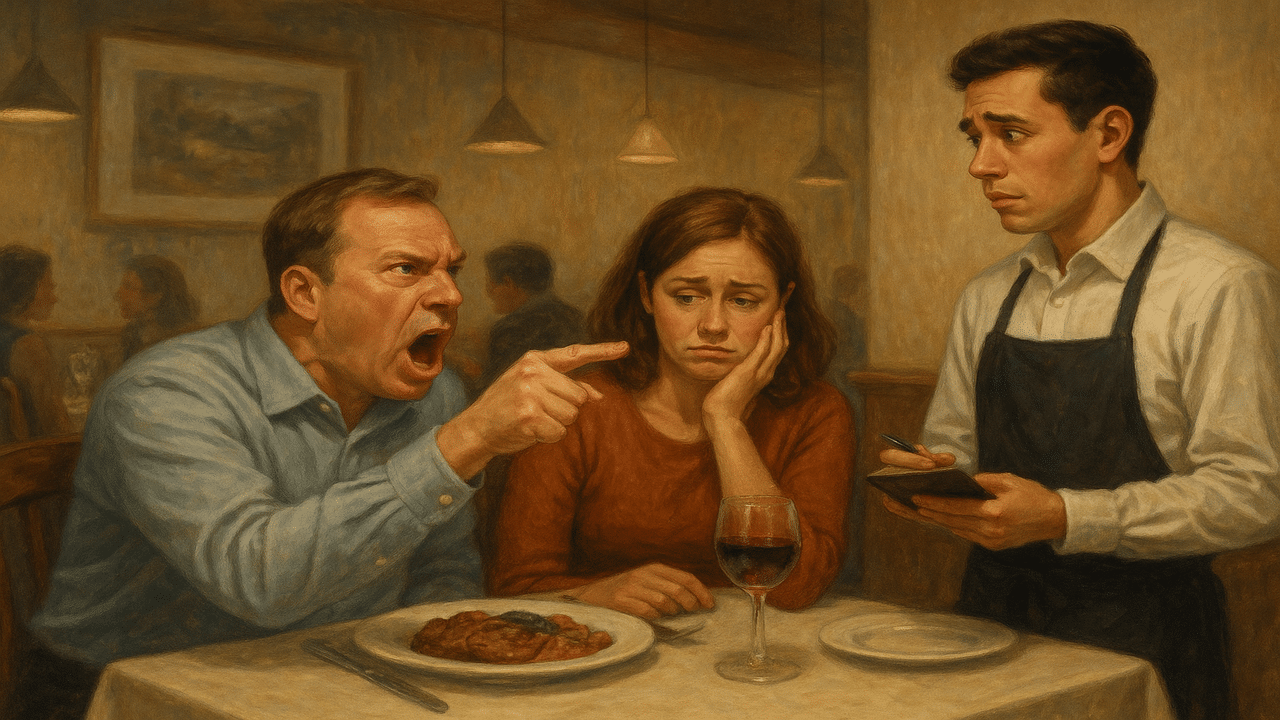
How someone treats waiters, coworkers, family members, or strangers says a lot about their character. People who value peace pay close attention to these moments because they reveal deeper attitudes about respect and empathy. If someone regularly belittles others, speaks harshly, or behaves rudely when they feel superior, it’s usually only a matter of time before that behavior shows up in the relationship. Peaceful individuals prefer partners who treat people with basic kindness, even in small interactions.
A Need for Constant Validation

While reassurance is normal in relationships, some people rely heavily on constant praise and attention to feel secure. They may become upset if they’re not receiving continuous compliments, texts, or emotional reassurance. Over time, this dynamic can feel exhausting because the relationship begins to revolve around maintaining one person’s self-esteem. People who value peace often look for partners who have a healthy sense of self-worth and don’t rely on constant emotional reinforcement to feel okay.
Jealousy and Possessiveness

Jealousy often disguises itself as passion, but people who value peace recognize how quickly it can turn into control. Constant questioning, suspicion, or monitoring behavior creates tension that slowly suffocates a relationship. Healthy love allows space for independence and trust. Peace-oriented individuals avoid partners who treat normal social interactions as threats, because they understand that suspicion and insecurity eventually create emotional chaos that no relationship can comfortably survive.
Unresolved Emotional Baggage
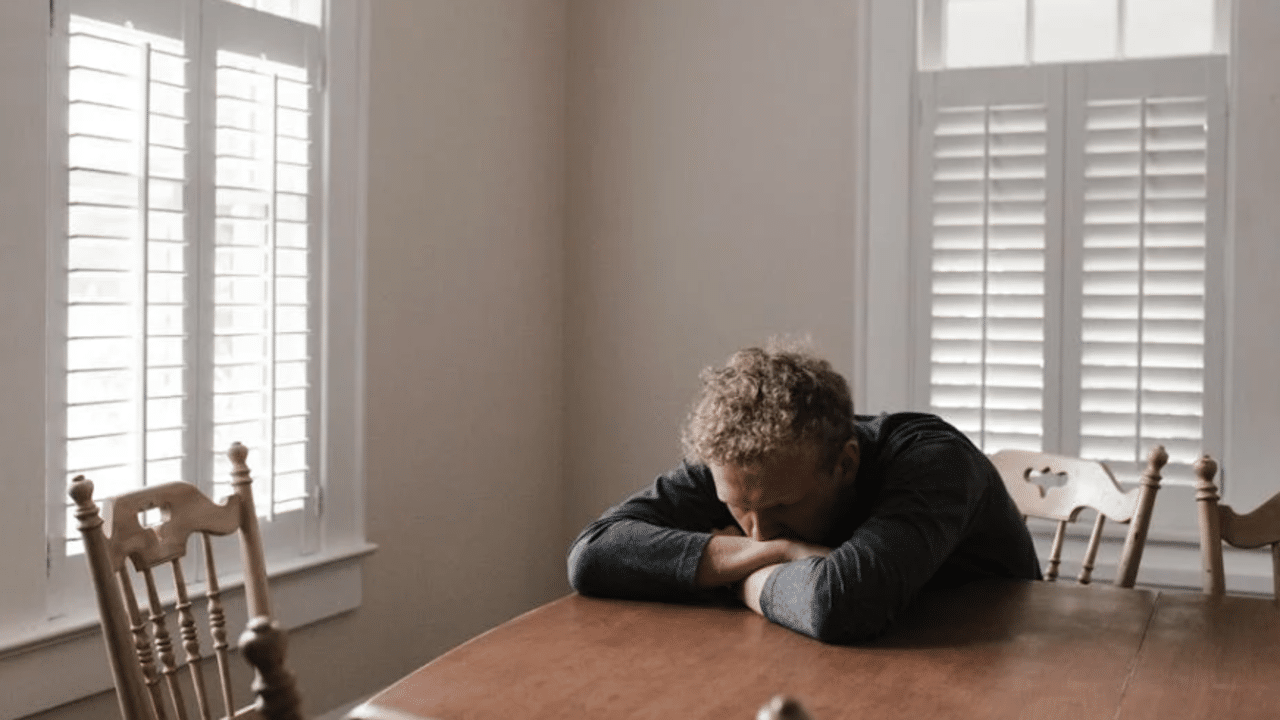
Everyone carries experiences from past relationships, but problems arise when someone hasn’t taken the time to process them. Old resentment, bitterness toward ex-partners, or deep trust issues can quietly shape how someone behaves in a new relationship. People who value peace tend to notice when someone is still emotionally stuck in the past. They know that entering a relationship with someone who hasn’t healed often means inheriting conflicts that were never theirs to begin with.
A Habit of Ignoring Boundaries

Healthy relationships require respect for personal limits—whether they involve time, privacy, emotional needs, or personal space. When someone repeatedly pushes boundaries, dismisses concerns, or treats limits as negotiable, it creates tension that gradually destroys trust. People who value peace are often very clear about their boundaries because they’ve learned how important they are for emotional stability. If someone refuses to respect those limits, walking away becomes the healthiest option.
Unpredictable Reliability

Few things disrupt peace more than someone who constantly changes plans, breaks promises, or disappears when they’re needed most. Reliability may sound simple, but it’s one of the foundations of a calm relationship. When you can’t depend on someone’s word, anxiety and frustration quickly take its place. People who prioritize peace gravitate toward partners who follow through consistently, show up when they say they will, and treat commitments with genuine seriousness.
Manipulative Behavior

Manipulation doesn’t always appear obvious at first. It can show up through guilt-tripping, subtle pressure, emotional withdrawal, or twisting situations to gain control. Over time, this behavior creates confusion and emotional exhaustion because nothing ever feels straightforward. People who value peace tend to recognize these patterns faster because they pay attention to how interactions make them feel. When conversations consistently leave them feeling drained or second-guessing themselves, they know it’s time to step away.
Refusal to Apologize

In peaceful relationships, disagreements are inevitable, but repair matters more than perfection. When someone refuses to apologize, acknowledge mistakes, or show humility, conflicts never fully resolve. Instead, resentment quietly accumulates beneath the surface. People who value peace look for partners who can admit when they’re wrong and work toward resolution. The ability to say “I messed up” is often one of the clearest signs of emotional maturity.
A Competitive Mindset in the Relationship

Some individuals approach relationships like a scoreboard where they need to “win” arguments or prove they’re right. Instead of focusing on teamwork, they treat disagreements as battles to be conquered. Over time, this mindset creates tension because every conflict becomes about dominance rather than understanding. People who value peace prefer partners who see the relationship as a partnership, not a competition. The goal becomes solving problems together, not defeating each other.
Lack of Emotional Self-Awareness

Self-awareness plays a major role in maintaining calm and healthy relationships. When someone lacks insight into their own triggers, habits, and emotional patterns, they may unintentionally create repeated conflict. They react impulsively, misunderstand their own feelings, or struggle to explain what’s bothering them. Peace-focused individuals tend to appreciate partners who are willing to reflect, grow, and understand themselves better. This awareness prevents many small conflicts from turning into bigger problems.
Constant Busyness That Leaves No Room for the Relationship

Some people appear interested in dating but structure their lives in a way that leaves little space for meaningful connection. Work, hobbies, and social commitments dominate their schedule, and the relationship ends up squeezed into whatever time remains. People who value peace understand that relationships require consistent attention. They avoid partners who treat them like an optional activity instead of a genuine priority.
Disrespect for Emotional Calm

Perhaps the biggest red flag for peace-oriented individuals is someone who dismisses the value of calm itself. These partners may mock the desire for stability, call it “boring,” or try to provoke reactions just to create excitement. But people who value peace know that real happiness rarely looks dramatic. It looks like quiet evenings, honest conversations, mutual respect, and emotional safety. Anyone who disrupts that environment quickly reveals themselves as someone better left outside the relationship.








Ask Me Anything