
Engagement is usually portrayed as pure excitement: a ring, a yes, and a happy countdown. But for many people, engagement also triggers unexpected fear. Not because they chose the wrong person, but because commitment makes the future feel real. When the future becomes real, the mind starts scanning for risks. Old relationship wounds, family patterns, and hidden insecurities can suddenly surface. Even practical issues, money, responsibility, and lifestyle change, can create anxiety. This fear is often kept quiet because people feel they should only be grateful. But fear and gratitude can exist at the same time. These 17 reasons explain why getting engaged can bring up fears nobody talks about, even in strong relationships.
The Identity Shift: When “We” Starts Feeling Bigger Than “Me”

Engagement changes identity. It turns a relationship into a life plan. A life plan makes people ask deeper questions about who they are and what they really want. Some people feel excited and trapped at the same time. That isn’t always a red flag; it can be a normal adjustment. But it deserves honesty. Identity fear usually shows up when someone feels their freedom shrinking. It can also show up when someone has never seen a healthy marriage up close. Engagement makes the “forever” concept feel heavy. These fears often come from identity, not from a lack of love.
Fear of Losing Independence

A person can love deeply and still fear losing autonomy. Engagement can make everyday compromises feel permanent. Things like moving, routines, and social life start to feel less negotiable. Some people worry their personal goals will be swallowed by “couple life.” This fear is common in people who worked hard to build independence. It can also appear after years of single life. Independence is not selfish; it’s identity protection. The key is learning how to stay an individual inside a partnership. Healthy engagement supports both “me” and “we.” Fear of losing independence often means boundaries need to be discussed clearly.
Fear of Becoming a Different Person
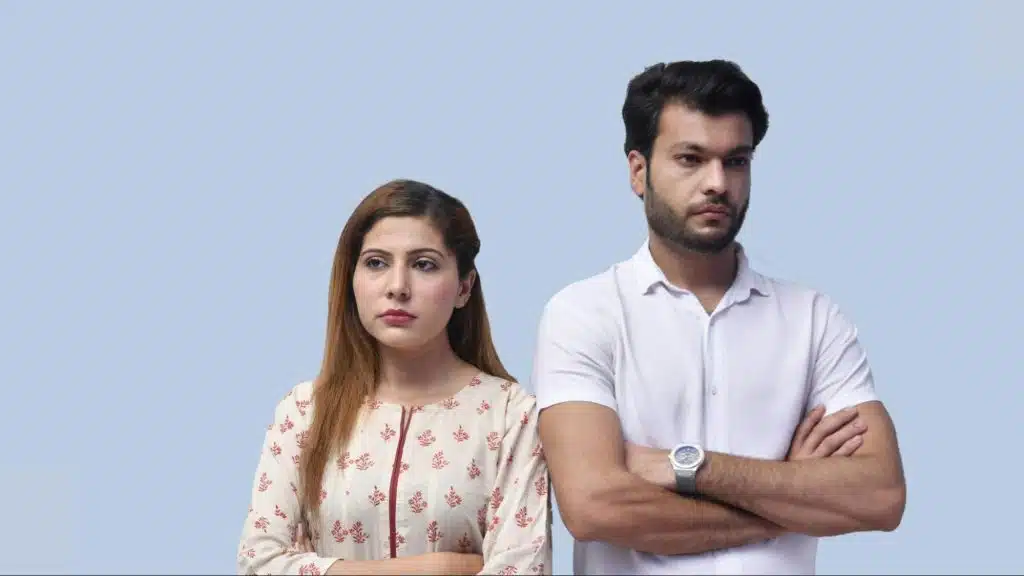
Engagement can trigger the worry, “Will this change me?” People may fear becoming boring, settled, or less adventurous. They may fear losing their edge, confidence, or identity. This fear often comes from cultural stories that portray marriage as the end of excitement. It can also come from watching unhappy couples in real life. The person may worry they will lose the version of themselves that feels alive. That worry can create sudden anxiety even in a loving relationship. The solution isn’t to panic, it’s to build a shared life that still includes growth. Engagement doesn’t have to erase personality. But it does require intentional design.
Fear of Outgrowing the Relationship Later

Some people fear they will change in five or ten years and feel stuck. They worry that love might not survive personal growth. Engagement makes this fear louder because it feels like signing up permanently. People who value growth can fear being trapped in a fixed identity. They may worry their partner won’t evolve with them. This fear often shows up in ambitious or self-aware people. It’s not always about doubt, it’s about future uncertainty. The best antidote is discussing values around growth and change. Couples who talk about evolving together tend to feel calmer. Fear of outgrowing the relationship often means growth needs to be part of the plan.
The “Forever” Pressure: When a Promise Feels Like a Test

Engagement can create pressure to feel certain all the time. People think, “If this is forever, there should be no doubt.” But doubt can exist even in healthy relationships. The pressure to feel perfect certainty can create anxiety spirals. Small issues suddenly feel bigger because they now feel permanent. People start scanning their partner for flaws. They also scan themselves for flaws. This turns engagement into a performance instead of a partnership. The fear isn’t always about the partner. It’s often about the weight of “forever.” Real commitment includes choosing repair, not expecting perfection.
Fear of Making the Wrong Choice

Engagement can trigger decision anxiety, even in confident people. A person may worry, “What if this is a mistake?” That fear often comes from responsibility, not from lack of love. Big decisions naturally activate the mind’s risk system. People start comparing, imagining alternate lives, and asking “what if” questions. This can feel like betrayal, but it’s often normal mental behavior under pressure. The fear becomes stronger when someone has been through divorce in the family. It can also grow when friends offer too many opinions. The best response is clarity, not catastrophizing. Decision fear is common when the stakes feel high.
Fear of Commitment Because of Past Hurt
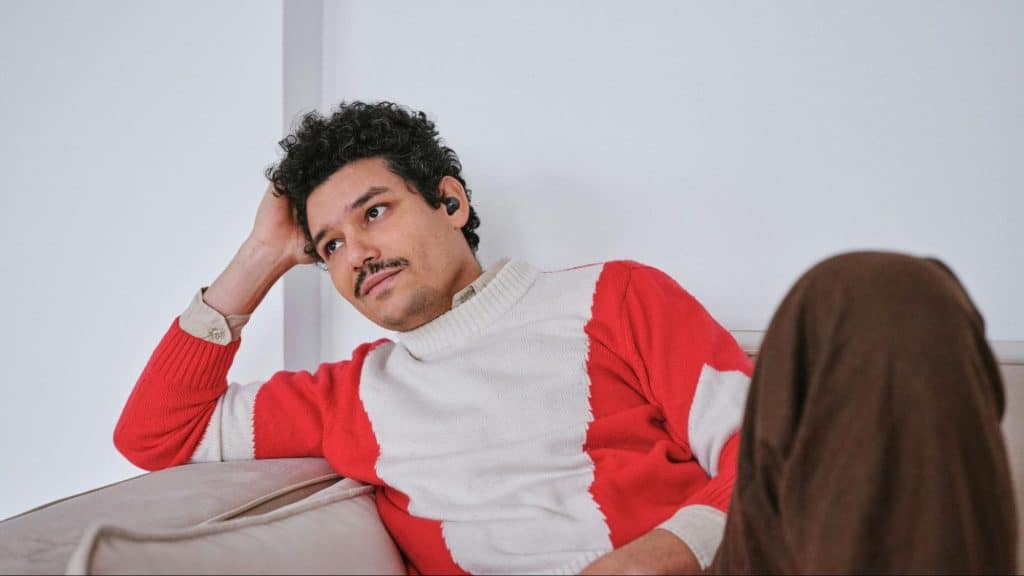
Past betrayal, abandonment, or rejection can make engagement feel dangerous. Even if the current partner is safe, the nervous system remembers pain. Engagement can activate old protective habits: withdrawal, overthinking, or testing. The person may fear being hurt again once they commit fully. They may also fear becoming dependent on someone. Dependence feels risky if past dependence ended badly. This fear often shows up as “random” anxiety that doesn’t match the relationship. It’s not always a sign to end things. It can be a sign that past wounds need attention. A safe relationship can trigger healing work.
Fear of Repeating Family Patterns

Many people get engaged and suddenly think about their parents’ marriage. If they witnessed conflict, emotional distance, or divorce, engagement can feel like stepping into a risk zone. They may fear becoming like their parents or repeating the same mistakes. This fear can be quiet but intense. It can also create shame because people don’t want to admit they’re scared. Family patterns often sit in the background until commitment becomes real. Engagement brings those patterns to the surface. That can be uncomfortable but useful. Naming the pattern helps prevent repeating it. Fear of repeating family history is common and valid.
The Money Reality: When Love Meets Logistics
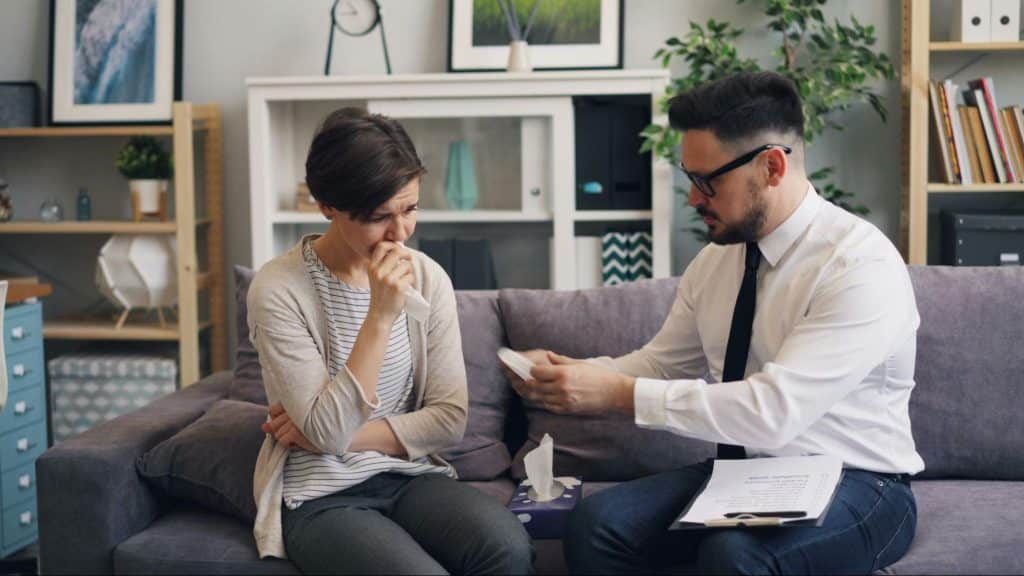
Money talks get more serious after engagement. Weddings, housing, debt, and future planning come into focus. Even couples who love each other can feel stress around finances. Some fear losing freedom with spending. Others fear financial instability or unequal contributions. Money can also trigger power dynamics and control concerns. These fears often come from values differences, not from love differences. A couple can be emotionally compatible and financially mismatched. Engagement makes that mismatch harder to ignore. This fear is common because money affects safety. Safety affects peace. Peace affects the relationship climate.
Fear of Unequal Effort in Marriage

Engagement can trigger worries about fairness: chores, mental load, and future responsibilities. Some people fear becoming the default manager at home. They fear having to carry the relationship emotionally. This fear is stronger in people who already feel imbalance in the relationship. Engagement makes imbalance feel permanent. So the mind starts asking, “Will this get worse after marriage?” This fear is not irrational. Many marriages struggle because roles were never discussed clearly. Addressing it early protects the relationship. Fairness isn’t romance, but it affects romance. A person can love deeply and still fear unequal partnership.
Fear of Losing Desire Over Time

Some people fear that passion fades in long-term relationships. They worry that intimacy will become routine. They may fear becoming roommates. Engagement can make this fear louder because it signals a long timeline. Even people with strong attraction now can fear future boredom. This fear is often shaped by stories, culture, and observing other couples. It’s also shaped by personal insecurity about attractiveness. The fear isn’t always about current desire, it’s about maintaining closeness long-term. Couples who plan for emotional intimacy often feel safer. Desire isn’t only chemistry; it’s also effort and connection. Engagement raises the stakes of maintaining it.
Fear of Being Truly Seen and Still Rejected
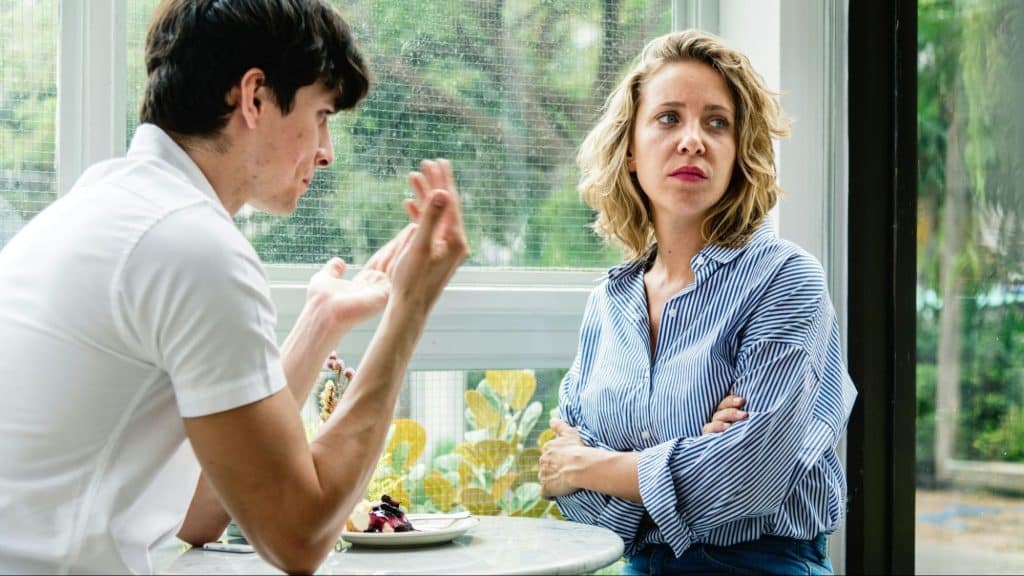
Engagement can trigger vulnerability fear. It means deeper merging, deeper honesty, and deeper exposure. Some people fear that if they are fully known, they will be rejected. This is common in people who hide parts of themselves. Engagement feels like removing the last layer of armor. The mind may start asking, “What if they realize I’m not enough?” That fear can show up as irritability or withdrawal. It can also show up as perfectionism: trying to be flawless. But love is built on being human, not perfect. Engagement is an invitation to deeper truth. Truth can be scary, but it’s also freeing.
Fear of Losing Friends or Social Identity
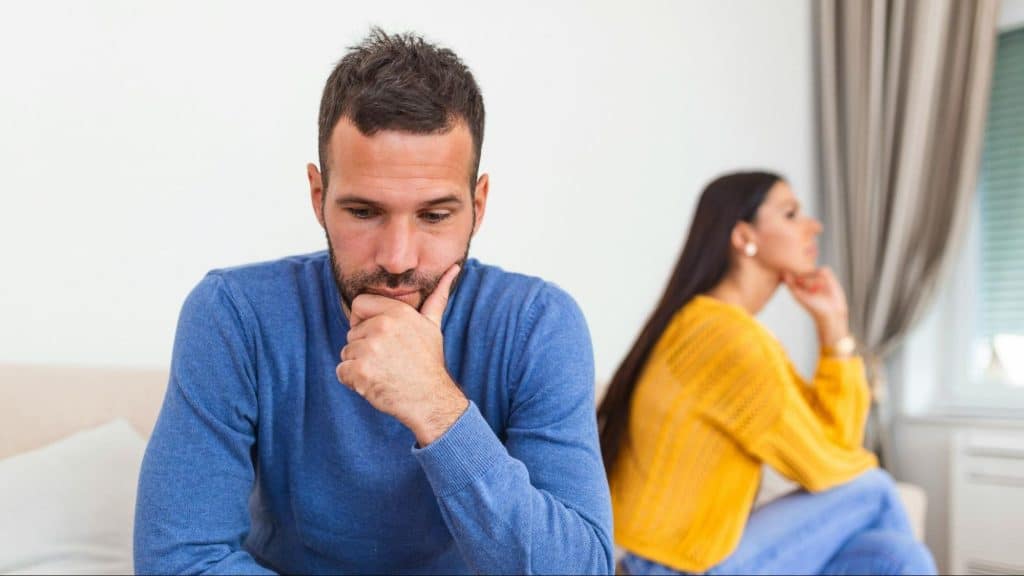
Getting engaged can shift social dynamics. Friends may change, routines may change, and priorities may change. Some people fear losing their identity in their friend group. They worry they’ll be judged for “settling down.” Others fear becoming isolated if their partner becomes their main world. This fear is valid because relationships do change social life. The healthiest couples protect both the relationship and individual friendships. Social support matters for long-term happiness. Engagement should add support, not reduce it. This fear often means boundaries and balance need planning. A strong marriage doesn’t require social isolation.
Fear of In-Laws and Family Dynamics

Engagement makes family involvement more serious. Holidays, traditions, and expectations become future realities. Some people fear conflict with in-laws or family intrusion. Others fear being judged or not accepted. This fear can be especially strong if family boundaries are already weak. It can also be strong if cultural expectations are heavy. Family stress can impact the relationship even when the couple is solid. That’s why this fear is common. A relationship isn’t only two people, it’s two systems merging. Clear boundaries protect the couple. Without boundaries, outside pressure can create resentment.
Fear of Change Itself

Even positive change can trigger anxiety. Engagement is a major life transition. Transitions activate uncertainty and stress responses. People might feel uneasy even when everything is going well. This can create confusion: “Why am I anxious if I’m happy?” The answer is simple: happiness doesn’t erase nervous system activation. Big change means new roles, new expectations, and new responsibilities. That can be overwhelming. This fear often fades once planning becomes clearer. It also fades when couples talk openly instead of pretending everything is perfect. Transition anxiety is normal. It becomes worse when it’s hidden.
Fear That the Relationship Will Become “Work”
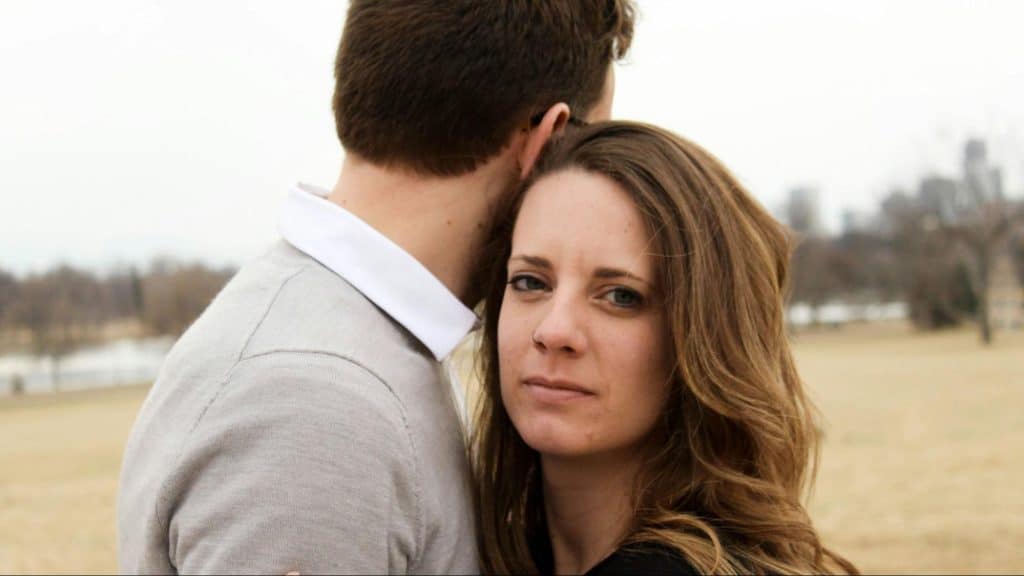
Some people fear marriage will feel like constant effort and problem-solving. They’ve seen marriages that look heavy and joyless. They worry commitment equals struggle. This fear can make engagement feel like signing up for stress. The truth is that marriage does require effort, but effort doesn’t have to feel miserable. Healthy effort feels like teamwork, not endless conflict. The goal is not a relationship without problems. It’s a relationship that repairs well. If repair skills exist, the “work” becomes manageable. If repair skills don’t exist, the fear becomes realistic. Engagement can highlight the need to build those skills now.
Fear of Not Being Ready to Be a “Spouse”

The spouse role can feel intimidating. People fear failing as a husband or wife. They worry they don’t know how to do marriage well. This fear is common in people who take commitment seriously. It can also show up in people who had poor role models. They may worry they’ll disappoint their partner long-term. Sometimes the fear is less about love and more about competence. Marriage feels like a responsibility upgrade. Responsibility can trigger self-doubt. The good news is that marriage is learned through habits, not instinct. Feeling nervous often means the person cares.
Conclusion

Engagement can bring up fears because it turns love into a real-life promise. Those fears don’t automatically mean the relationship is wrong. They often mean the mind is scanning for risks, the nervous system is adjusting, and old patterns are being activated. Many fears are solvable through honest conversation, clear planning, and strong boundaries. Some fears are also useful because they reveal topics that need attention before marriage. A healthy engagement isn’t only excitement; it’s preparation. Preparation includes talking about money, roles, conflict style, and long-term values. If fear is showing up, it doesn’t have to be hidden or ignored. It can be used as information. When couples face these fears together, engagement becomes stronger, not scarier.








Ask Me Anything