
A man can believe his partner loves him and still feel strangely invisible. Love often shows up as attachment, loyalty, and care. Being valued shows up as respect, appreciation, and the feeling that his presence actually matters. When those two things don’t match, the relationship starts feeling emotionally confusing. He may feel guilty for being dissatisfied because “she’s a good person.” But value is not measured only by big moments. It’s measured by daily consideration, tone, and whether his needs are taken seriously. Many men stay quiet about this because they don’t want to sound needy. Then resentment builds slowly. These 17 reasons explain how a man can feel loved but still not feel valued.
The Appreciation Gap: When Love Exists but Recognition Is Missing

Many couples express love through routine, loyalty, and commitment. But appreciation is what keeps love feeling alive. Without appreciation, effort starts feeling pointless. A man may still receive care, but he doesn’t feel seen. He starts feeling like a tool rather than a person. This isn’t always intentional on her part. Sometimes it’s stress, habit, or assumed loyalty. But the emotional effect is real. These reasons show how appreciation gaps form in daily life. And why they can quietly drain a man’s confidence.
His Effort Gets Noticed Only When It’s Missing

Some men feel valued only when they mess up. If he handles responsibilities consistently, it becomes invisible. The moment he forgets something, it becomes a big deal. That creates an unfair emotional message: “Good behavior is expected, mistakes are remembered.” Over time, he starts feeling like he can’t win. Even if love is present, the relationship feels critical rather than supportive. This often leads him to disengage emotionally. People tend to repeat what gets rewarded, not what gets ignored. If only mistakes get attention, the relationship becomes demotivating. He feels loved, but not appreciated.
Compliments Are Rare, But Corrections Are Frequent

A man can handle feedback, but constant criticism changes the relationship climate. If she rarely praises him and often corrects him, he starts feeling inadequate. That inadequacy can show up as irritability, withdrawal, or defensiveness. Love may still be there, but respect can feel missing. Many men interpret praise as proof they matter. Without it, they feel like a background character. Corrections can be useful, but they need balance and tone. A harsh tone makes love feel conditional. Over time, he stops sharing because he expects judgment. Feeling judged is not the same as feeling valued.
She Assumes He Already Knows He’s Appreciated

Some women love deeply but don’t express gratitude clearly. They assume the man knows. But many men don’t feel valued from assumptions. They feel valued from direct acknowledgment. Love can be shown through loyalty and presence, but value is often felt through appreciation. When appreciation isn’t spoken, the relationship feels emotionally quiet. The man may start feeling like a provider role rather than a partner. That role feeling can reduce closeness. Closeness needs verbal and emotional recognition. Even small statements make a difference. When it’s never said, it feels like it’s not felt.
The Respect Signals: When Love Is There but Dignity Is Not Protected

Feeling valued requires dignity. Dignity is protected through tone, boundaries, and public respect. A man can feel loved and still feel disrespected if she talks to him sharply, mocks him, or dismisses him. Even playful teasing can become disrespectful if it targets sensitive areas. Respect also shows up in how disagreements are handled. If conflict becomes insulting or belittling, value disappears. Love doesn’t erase the damage of disrespect. In fact, disrespect hurts more when love exists. A man may stay because he still loves her. But inside, his sense of worth slowly drops.
She Ventilates About Him to Others Instead of Talking to Him

Some women talk to friends and family about relationship frustrations. That can be normal in moderation. But if she vents publicly in a way that damages his dignity, it chips away at value. A man starts feeling exposed and embarrassed. He may also feel like the relationship is not protected. Protection is part of feeling valued. If his flaws are shared casually, he feels unsafe. Love might still be present, but loyalty feels questionable. Loyalty is not only about cheating. It’s also about how a partner represents you. When representation becomes negative, value drops.
She Talks Over Him or Dismisses His Point of View

A man can feel loved but not respected if his voice doesn’t matter. If she interrupts, corrects, or dismisses his opinions, he feels like he’s not taken seriously. Over time, he may stop contributing. Then she complains that he’s quiet or detached. But detachment is often a reaction to being dismissed. Being valued means being heard. It doesn’t mean always agreeing, but it means engaging respectfully. Many men interpret dismissal as contempt. Contempt is an attraction killer and a respect killer. Love can survive disagreements, but it struggles under contempt.
She Makes Decisions Without Including Him
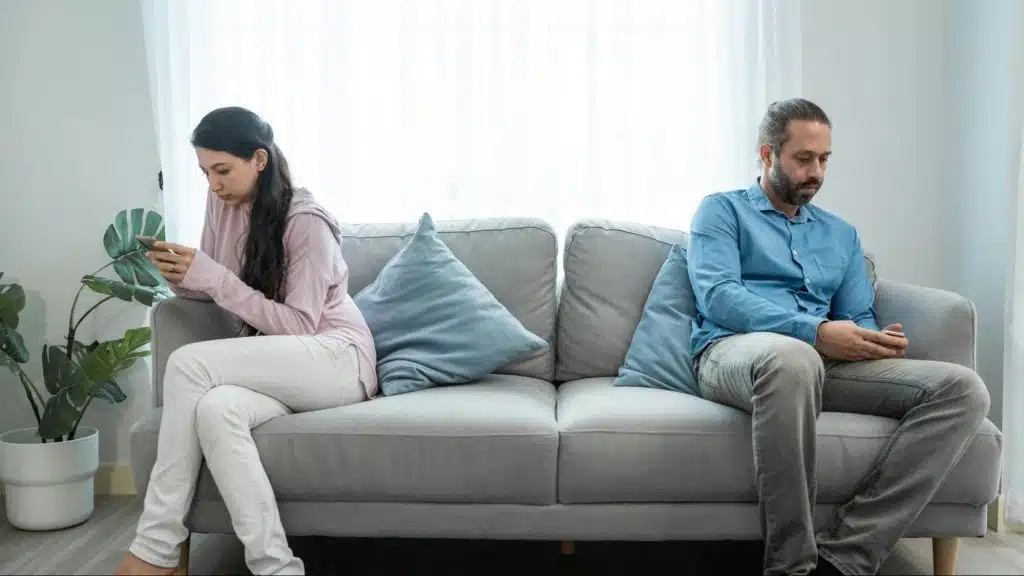
Some couples have strong independence, and that can be healthy. But if she consistently makes major decisions without his input, it signals he’s not a teammate. Teammate status is a big part of being valued. When he’s not consulted, he feels like a bystander in his own life. He may still feel loved because she’s caring in other ways. But he doesn’t feel important in shaping the future. That creates a power imbalance. Power imbalances reduce intimacy. Intimacy requires partnership, not just coexistence. Being loved doesn’t always equal being included.
The Role Trap: When He Feels Like a Function, Not a Person

Many men feel valued when their inner life matters, not just their output. If the relationship treats him like a provider, fixer, or utility, value disappears. He may feel appreciated only for what he does, not for who he is. That creates emptiness even in a stable relationship. Love can exist, but it feels like role-love, not person-love. Role-love becomes fragile because performance becomes the condition. If he gets sick, stressed, or less productive, he fears losing respect. That fear changes how he shows up. He becomes tense, guarded, or perfectionistic. A man who feels like a function often stops feeling romantic.
She Only Comes Close When She Needs Something

This is a common pain point. If affection shows up mainly when she wants help, money, or favors, he feels used. The relationship starts feeling transactional. Transactional relationships reduce tenderness. A man wants to feel wanted, not managed. He may still believe she loves him, but he feels like a tool. Tools are not valued emotionally. They’re used and set aside. Over time, he may stop giving freely because it feels taken for granted. That can create more conflict and distance. Real closeness should not feel conditional.
She Doesn’t Notice When He’s Struggling
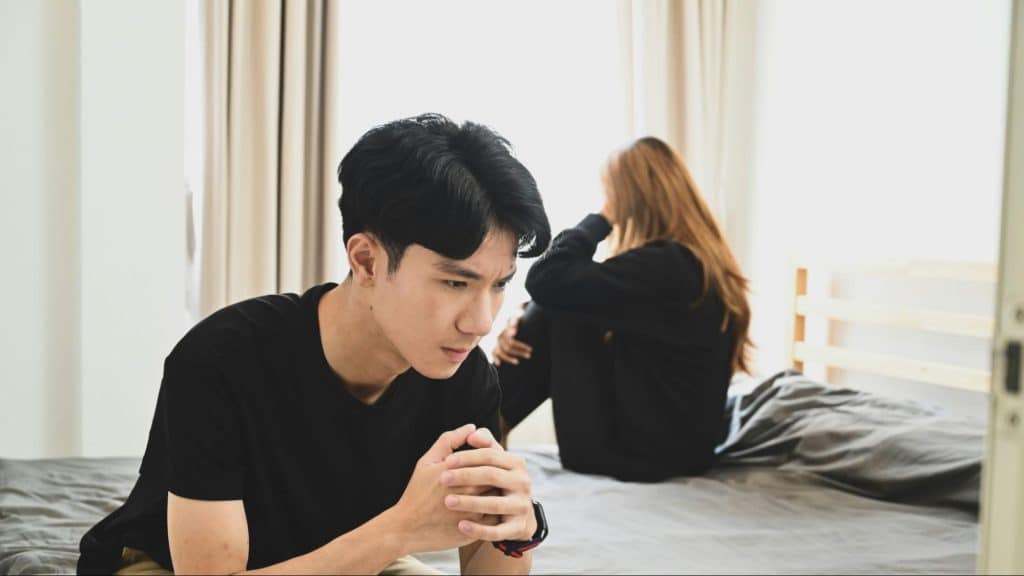
Many men don’t announce stress loudly. They show it through quiet mood shifts, fatigue, or withdrawal. If she doesn’t notice or doesn’t care, he feels alone. Feeling alone while in a relationship is brutal. Love might still be real, but support feels missing. Support is part of being valued. If his hard days are ignored, he feels like his inner world doesn’t matter. Over time, he stops sharing and starts coping alone. Coping alone creates emotional separation. Emotional separation weakens the bond. A man can feel loved and still feel unsupported.
The Emotional Invalidation: When His Feelings Aren’t Taken Seriously

Some men feel shut down when they express hurt or concern. They get labeled as “dramatic,” “too sensitive,” or “making it a big deal.” That invalidation makes them stop communicating. Communication silence is not peace; it’s protection. Feeling valued means being allowed to have emotions without being mocked. Many men already struggle to open up. If opening up gets punished, they won’t do it again. Love can exist, but emotional safety is gone. Without emotional safety, intimacy declines. Intimacy includes emotional intimacy, not just physical closeness. If his feelings are dismissed, value disappears.
He Gets Treated Like the Problem Even When He’s Trying

If he makes changes but it’s never enough, he starts feeling hopeless. Hopelessness is a value killer because it makes effort feel pointless. He may still love his partner and want the relationship to work. But he feels like he can’t meet her standards. Standards are fine, but constant dissatisfaction creates despair. Despair turns into withdrawal. Withdrawal looks like laziness or apathy, but it’s often emotional fatigue. A man who feels perpetually “not enough” stops feeling valued. Even if she loves him, he feels like he’s failing. That emotional weight is heavy.
The Intimacy Disconnect: When He Feels Wanted Only in One Dimension

Some men feel loved emotionally but not desired physically. Others feel desired physically but not emotionally respected. Either mismatch can create a “not valued” feeling. Being valued often includes feeling wanted as a whole person. If intimacy feels like routine or obligation, he feels undesirable. If affection is rare, he feels ignored. If desire is missing, confidence can drop. Love can still exist in the relationship, but the man feels less chosen. Being chosen matters to men too. Not feeling chosen creates loneliness. Loneliness creates disconnection.
She Stops Showing Pride in Him

Pride is a strong value signal. When a woman admires a man, she often speaks about him positively. She supports his goals and celebrates wins. When that stops, he feels like he’s not respected. Even if she loves him privately, he feels like she’s not proud of him publicly. That public pride matters because it signals loyalty and admiration. Without admiration, value drops. A man might start feeling embarrassed about his own progress. Or he might feel like nothing he does matters. This can lead to more withdrawal or more conflict. Either way, the relationship feels colder.
He Feels Like He Has to Earn Basic Kindness

Kindness should be stable in a healthy relationship. If kindness appears only when he performs well or agrees, it feels conditional. Conditional kindness makes him feel unsafe. Love can exist, but it feels fragile. Fragile love doesn’t feel like value; it feels like pressure. Pressure reduces comfort and intimacy. A man may start avoiding conflict just to keep kindness. That leads to resentment and silence. Silence then becomes a bigger problem. Basic kindness should not be a reward system. It should be the baseline.
The Relationship Doesn’t Celebrate Him

Celebrations aren’t only birthdays and milestones. It’s daily recognition of effort, character, and growth. If the relationship never celebrates him, he feels invisible. Many men don’t need constant praise, but they need to feel seen. Being seen is valuable. A man can feel loved and still feel like nobody notices his sacrifices. This often happens when a couple is busy and stressed. But long-term, it creates emotional emptiness. Emotional emptiness reduces desire and patience. Celebration keeps love warm. Without it, love feels like duty.
Conclusion

A man can feel loved and still not feel valued when appreciation, respect, and inclusion are missing. Love is often assumed in long relationships, but value must be expressed consistently. Value shows up in tone, praise, teamwork, and emotional attention. It shows up in being treated like a partner, not a function. When value is missing, men often withdraw, shut down, or become resentful. That withdrawal can make the relationship colder, even if love remains. The fix usually isn’t grand gestures, it’s daily respect, consistent appreciation, and real partnership. When a man feels valued, he tends to show up better. When he feels invisible, he tends to protect himself. Love can survive a lot, but it struggles when value disappears.








Ask Me Anything