
Relationships rarely end all at once. More often, they shift slowly and subtly until one day you realize the connection doesn’t feel the same anymore. Outgrowing someone doesn’t always mean there was betrayal or dramatic conflict. Sometimes it simply means your priorities, emotional maturity, and vision for life have evolved while the relationship stayed exactly where it was.
Growth naturally changes people. As you learn more about yourself, your standards for communication, respect, and emotional depth tend to rise. If your partner grows alongside you, the relationship becomes stronger. But when only one person evolves, the gap can slowly widen until the partnership feels misaligned.
Recognizing these shifts can be uncomfortable, but it’s also an important step in understanding what you truly need moving forward. Here are some signs you may have outgrown your partner.
1. Your Conversations Feel Shallow

You used to talk for hours about everything—dreams, fears, ideas, and random thoughts. Now most conversations revolve around routine topics like schedules, errands, or small talk. When you try to discuss deeper subjects, your partner may seem disinterested or quick to change the topic. Over time, this lack of depth can make the relationship feel emotionally flat. Strong partnerships thrive on curiosity and shared reflection, so if meaningful conversations have disappeared, it may signal that your emotional needs have evolved beyond what the relationship currently offers.
2. Your Goals No Longer Align

In the early stages of a relationship, it’s easy to assume you’re both headed toward similar futures. But as people grow, their ambitions and priorities can shift dramatically. Maybe you’ve become more focused on career growth, financial stability, or personal development while your partner remains comfortable with the status quo. When your long-term visions start pointing in different directions, tension often follows. Relationships work best when both partners are building toward something together, not when one person feels like they’re moving forward alone.
3. You Feel More Inspired Away From Them

Pay attention to how your energy changes depending on who you’re around. If you feel more motivated, confident, and hopeful when you’re away from your partner than when you’re with them, that contrast can reveal a lot. Sometimes this happens because the relationship subtly discourages growth or ambition. Instead of feeling supported, you may feel held back. A healthy partner tends to amplify your motivation and help you believe in bigger possibilities, not make you feel like you have to shrink your aspirations.
4. Their Habits Now Frustrate You More Than Before

Little quirks that once felt harmless—or even charming—can become sources of frustration as your perspective changes. Maybe their lack of responsibility, poor communication, or avoidance of difficult conversations now bothers you in ways it didn’t before. What’s really happening is that your standards have evolved. As people mature, they often value accountability, emotional intelligence, and reliability more strongly. When a partner remains stuck in old patterns, those differences become harder to ignore.
5. You’re Doing Most Of The Emotional Work

Every relationship requires emotional effort, but it shouldn’t fall entirely on one person. If you’re always the one initiating difficult conversations, suggesting solutions, or trying to repair conflicts, the dynamic can become exhausting. Growth in a relationship requires both partners to be willing to reflect, apologize, and improve. When one person consistently carries the emotional load while the other avoids it, resentment can quietly build over time. Eventually, you may start wondering whether the relationship is truly a partnership at all.
6. You Avoid Sharing Your Achievements

A supportive partner should feel like your biggest cheerleader. But if you’ve started hesitating to share your successes because you anticipate indifference, criticism, or insecurity, that’s a warning sign. Over time, you might begin minimizing your accomplishments just to avoid tension. This kind of dynamic slowly erodes confidence and enthusiasm. Healthy relationships create space for both people to celebrate growth without feeling threatened by each other’s progress.
7. You’ve Started Imagining Life Without Them

It’s normal for people to occasionally wonder about different paths their lives could take. But if you frequently imagine a future without your partner—and those thoughts feel peaceful rather than frightening—it may reveal deeper dissatisfaction. These mental explorations often emerge when your mind senses that something fundamental in the relationship isn’t working anymore. They don’t automatically mean the relationship must end, but they can signal that your emotional needs have shifted in important ways.
8. You’ve Outgrown The Relationship’s Old Roles

Many couples settle into certain roles early in their relationship—the responsible one, the carefree one, the emotional caretaker, or the peacemaker. While these dynamics may work for a while, they can become limiting as people mature. Perhaps you once felt comfortable managing everything while your partner avoided responsibility, but now that imbalance feels unfair. Growth often requires renegotiating these patterns, and if your partner refuses to adapt, the relationship can start to feel outdated.
9. You Feel Like You’re Holding Yourself Back

One of the clearest signs of outgrowing a relationship is the feeling that you can’t fully be yourself. Maybe you hold back opinions, ambitions, or lifestyle changes because you worry about upsetting the balance of the relationship. While compromise is essential, constantly shrinking your personality or dreams is not sustainable. Healthy partnerships allow both people to expand into their best selves rather than stay confined to an older version of who they were.
10. You’ve Become More Self-Aware Than They Are

Personal growth often involves learning about your emotional patterns, communication style, and past mistakes. If you’ve invested time in self-reflection but your partner resists any kind of introspection, conversations can become frustrating quickly. You might notice recurring issues that they refuse to acknowledge or improve. Over time, this imbalance in self-awareness creates a widening gap in emotional maturity, making it harder to maintain meaningful connection.
11. You’re Less Excited About The Future Together

There was likely a time when imagining your future together felt exciting and full of possibility. But if those conversations now feel forced, uncertain, or even stressful, it’s worth paying attention. When two people are aligned, planning ahead tends to feel energizing. When they’re not, the future can start to feel blurry or uncomfortable. That shift in emotional response often reflects deeper uncertainty about where the relationship is actually heading.
12. Conflict Feels Pointless

Arguments in healthy relationships usually lead to understanding, compromise, or change. But if every disagreement seems to circle back to the same unresolved issues, you may begin to feel like discussing problems is pointless. When conflict stops producing growth and starts repeating in endless loops, emotional fatigue often follows. Eventually, you may stop bringing things up altogether, which can create distance and quiet resentment between partners.
13. You’re Growing In Different Directions

Growth doesn’t always happen at the same speed or in the same areas of life. One partner may become focused on health, learning, or emotional intelligence while the other remains comfortable with old habits. Neither path is inherently wrong, but the difference can gradually create distance. Relationships tend to thrive when both people are evolving in ways that still complement each other. When the paths diverge too much, the connection can feel strained.
14. You Feel More Like A Teacher Than A Partner
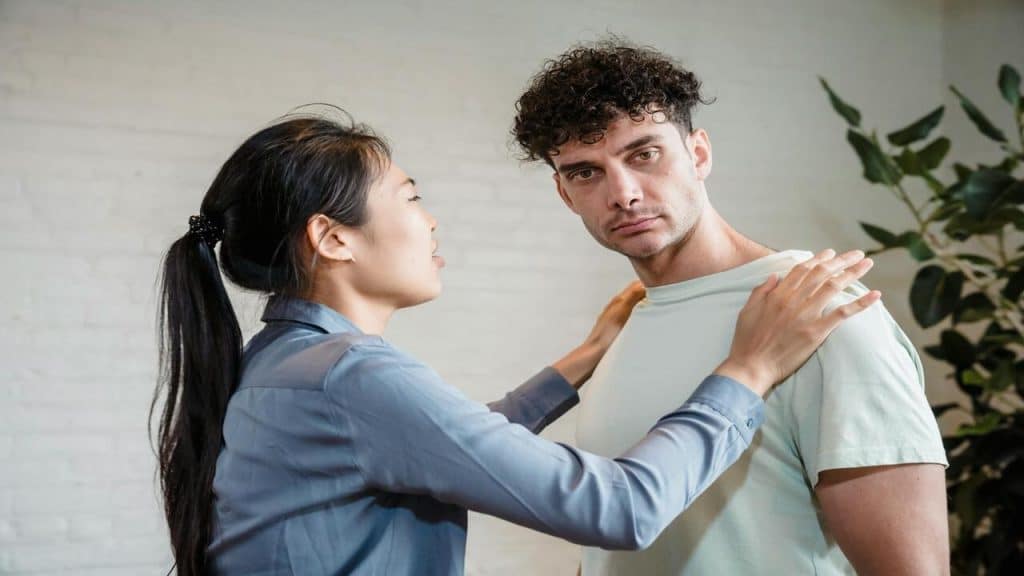
Supporting a partner’s growth is part of a healthy relationship, but constantly guiding or correcting them can become exhausting. If you feel like you’re always explaining basic emotional skills—how to communicate respectfully, take accountability, or handle conflict—it may start to feel less like a partnership and more like mentorship. While couples should learn from each other, the effort should feel balanced rather than one-sided.
15. Your Values Have Changed

As people gain life experience, their values often evolve. You may begin prioritizing honesty, emotional stability, maturity, financial responsibility, or personal growth more strongly than before. If your partner’s behavior consistently clashes with those evolving values, it creates internal tension. Values shape daily decisions and long-term goals, so when they stop aligning, the relationship can start to feel fundamentally incompatible.
16. You Feel Lonely Even When You’re Together

Loneliness inside a relationship can feel confusing and painful. You might still spend time together, share routines, and maintain the appearance of a functioning partnership, yet something deeper feels missing. Emotional connection involves feeling understood, supported, and truly seen by the other person. When that sense of connection fades, companionship can start to feel more like coexistence than intimacy.
17. You’ve Started Prioritizing Your Growth Over The Relationship

One of the most telling signs you’ve outgrown a relationship is when your personal development becomes more important than preserving the status quo. You may find yourself focusing more on your goals, mental health, and future rather than trying to keep the relationship exactly as it is. This shift doesn’t necessarily come from selfishness—it often reflects a deeper understanding of what you need to thrive. Sometimes growth reveals that the relationship served an important chapter of your life, but not the next one.








Ask Me Anything