
A lot of men only recognize control after things already feel off. The goal was never perfection, just a relationship where respect, space, and trust come naturally. Control rarely shows itself in obvious ways. It sounds like concern, looks like closeness, and passes as someone who just wants to stay connected. Early on, it can feel good to be wanted like that. Then it starts to feel like you’re adjusting your life just to avoid friction, and that shift is hard to ignore.
She Tracks Your Every Move

At first, it feels like she is just interested in your day. Then it turns into constant check-ins, questions about where you are, and updates that feel more like reporting than sharing. You start thinking twice before stepping out or making plans because you know a conversation is coming. This is not a connection. It is monitoring dressed up as care. A healthy relationship leaves room for you to move freely without feeling watched. When your independence starts to feel suspicious to her, that is where control begins to take shape.
Your Friends Become a Problem

You notice a pattern where your time with friends is always questioned. She might not forbid it outright, but she makes it uncomfortable enough that you start pulling back. Comments about neglect or subtle digs about your priorities start to stack up. Over time, you find yourself choosing the easier route, which is staying in and avoiding conflict. That slow shift isolates you without you fully realizing it. A strong relationship should expand your life, not shrink your circle.
Simple Choices Turn Into Battles

What should be easy decisions start turning into long discussions. Where to eat, what to wear, and even how you spend your free time somehow end with her preference taking the lead. You might tell yourself it is not worth the argument, so you give in. But that pattern builds. Over time, you stop voicing your opinions because you already know how it will go. This is how control sneaks into everyday life. It is quiet, but it is consistent.
She Twists What You Say

You say something simple, and it somehow turns into something negative. Now you are explaining yourself, defending your tone, or clarifying what you meant. It happens often enough that you start choosing your words carefully just to avoid the hassle. This creates a loop where you feel misunderstood and slightly on edge. Communication should feel clear and direct. When it constantly feels like a courtroom, something is off.
Boundaries Feel Like Rejection

The moment you try to set a limit, it turns into a bigger issue. She might say you are pulling away or question your feelings for her. This puts you in a position where protecting your space feels like hurting her. Over time, you stop setting boundaries just to keep things smooth. That is not a good trade. Respect in a relationship includes respecting limits without turning them into emotional drama.
Guilt Becomes Her Go-To Tool

You start hearing phrases that make you feel responsible for her feelings. “If you cared about me, you would…” becomes a familiar line. It puts pressure on you to act in a certain way just to avoid feeling like the bad guy. This is not about understanding each other. It is about pushing you into decisions through emotion. A healthy partner expresses needs without making you feel cornered.
Your Interests Start Fading

Things you used to enjoy slowly take a back seat. Maybe she is not into them, or maybe she makes it uncomfortable for you to keep doing them. At first, it feels like a small sacrifice. Then you realize your routine now revolves around what works for her. You stop showing up as yourself and start showing up as what keeps the peace. That is a quiet loss of identity that builds over time.
Arguments Are About Winning
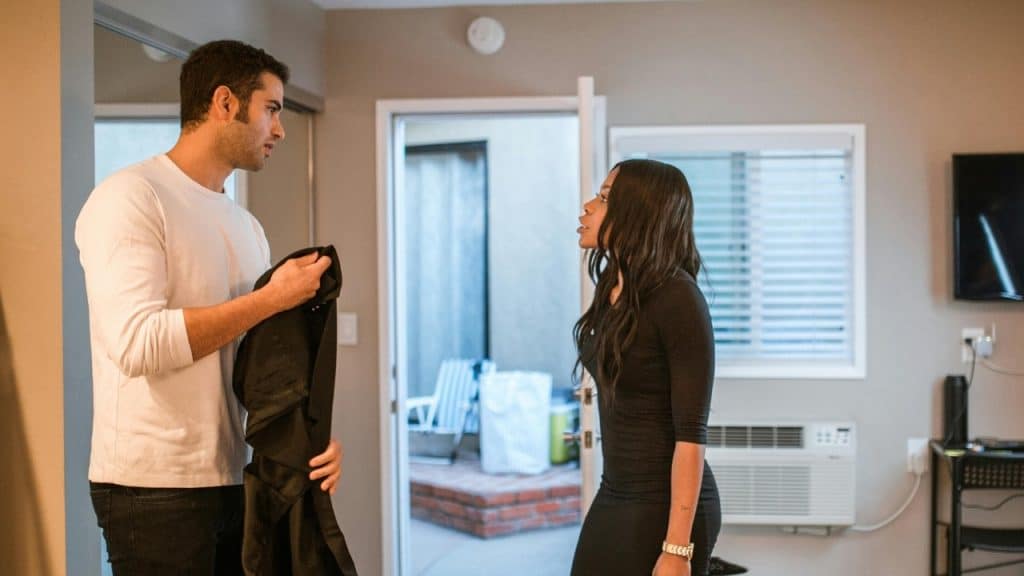
Disagreements never feel like they move toward resolution. Instead, they turn into debates where she has to come out on top. She may bring up past issues, shift blame, or redirect the conversation. You walk away feeling unheard and drained. This kind of conflict does not build a connection. It creates tension and keeps you stuck in a cycle where nothing really gets fixed.
Privacy Feels Like A Threat

She wants access to your phone, your messages, or your personal space. If you hesitate, it becomes a question of trust. This puts you in a difficult position where normal privacy feels like you are hiding something. There is a difference between being open and having no personal space at all. Trust does not require full access to everything. When privacy becomes a problem, control is usually behind it.
You’re Always Proving Loyalty

It feels like you are constantly being tested. Small situations turn into moments where you have to prove your commitment. Whether it is how you respond to someone or how quickly you reassure her, it never feels like enough. This keeps you in a reactive state. You are always trying to pass the next test instead of just living your life. That pressure builds quietly and wears you down.
She Downplays Your Wins

You share something you are proud of, and the response feels flat or slightly critical. Instead of support, you get indifference or a quick shift back to her concerns. Over time, this affects how you see your own progress. You may even stop sharing wins altogether. A supportive partner celebrates your growth. When your confidence starts shrinking in the relationship, that is worth paying attention to.
Emotional Swings Keep You Guessing

Some days feel intense and close, and others feel distant and cold. The shift can happen without much warning. This keeps you on edge because you are always trying to figure out where you stand. It creates a dynamic where you adjust your behavior to avoid the low moments. Consistency is what builds trust. When emotions are unpredictable, control often sits underneath that pattern.
You Manage Her Emotions

Her mood becomes something you feel responsible for fixing. If she is upset, you feel pressure to make it better, even when it is not about you. Over time, this becomes exhausting. You start adjusting your behavior just to keep things calm. That is not a partnership. Each person should be responsible for their own emotional state, not placing that weight on the other.
Control Is Framed As Care

When you call something out, it gets labeled as concern or love. She might say she is just looking out for you or trying to protect the relationship. This makes it harder to speak up because you risk looking ungrateful. The behavior stays the same, but the label softens it. You end up questioning your own reaction instead of trusting it. That confusion keeps the cycle going.
You’re Walking On Eggshells

You start filtering what you say and how you act. You avoid certain topics or behaviors because you do not want to trigger a reaction. That constant awareness drains your energy. You are no longer relaxed in your own relationship. This is often the clearest sign that something is wrong. When being yourself feels risky, control has already taken too much space.








Ask Me Anything