
Relationships rarely fall apart overnight. More often, they erode slowly—through small disappointments, repeated arguments, and quiet moments of doubt that get pushed aside. Yet many women find themselves staying long after the relationship has clearly stopped serving them. It’s not always about weakness or denial.
In fact, the reasons are often complicated, emotional, and deeply human. From loyalty and hope to fear and social pressure, a mix of powerful forces can make leaving feel harder than staying. Understanding these reasons doesn’t just explain behavior—it can help people recognize when it’s time to step back, reassess, and make healthier choices for the future.
Hope That Things Will Eventually Improve

Hope can be one of the most powerful forces in a relationship, especially when things weren’t always bad. Many women stay because they remember the early days when everything felt easy and loving, and they believe that version of the relationship can return. A partner’s occasional apology, a good weekend together, or promises of change can keep that hope alive longer than it should. The problem is that hope without consistent action becomes a trap. A practical approach is to watch patterns, not promises. If the same problems keep repeating over months or years with no real progress, it may be time to accept that hope alone cannot fix the relationship.
Emotional Investment Over Time

The longer someone stays in a relationship, the more emotionally invested they become. Years of shared memories, inside jokes, milestones, and struggles create a powerful bond that’s difficult to walk away from. Many women feel that leaving would mean throwing away all the effort they’ve put into making the relationship work. Psychologists often call this the “sunk cost fallacy,” where people keep investing in something simply because they’ve already invested so much. A healthier mindset is to focus on the future rather than the past. Time already spent cannot be recovered, but staying longer can cost even more years of happiness.
Fear of Starting Over

Starting over can feel terrifying, especially after a long relationship. The idea of being single again, navigating dating apps, or rebuilding a life independently can create anxiety that makes staying feel safer than leaving. For some women, the relationship—even if imperfect—represents familiarity and stability. However, staying purely out of fear often leads to prolonged dissatisfaction. One helpful strategy is to focus on rebuilding independence gradually: reconnect with friends, revive hobbies, and strengthen financial and emotional self-reliance. When confidence grows, the idea of starting fresh becomes far less intimidating.
Belief That Love Requires Sacrifice

Many women grow up hearing that love means enduring hardship, supporting a partner through struggles, and sticking around when things get tough. While commitment is important, this belief can sometimes turn into unhealthy endurance of disrespect, neglect, or emotional exhaustion. The line between healthy sacrifice and unhealthy tolerance can become blurry. A useful question to ask is whether the sacrifices go both ways. In healthy relationships, both partners adjust, compromise, and grow together. If one person is constantly sacrificing while the other remains unchanged, the relationship may no longer be balanced.
Concern About Hurting Their Partner

Some women stay because they genuinely care about their partner’s feelings and worry that leaving would devastate them. This emotional empathy can make it incredibly difficult to walk away, even when the relationship is no longer fulfilling. However, staying out of guilt can create resentment over time. It’s important to remember that ending a relationship respectfully can ultimately be kinder than remaining in one half-heartedly. Honest conversations and clear boundaries allow both people the chance to heal and eventually find healthier relationships.
Social and Family Pressure

Friends, family members, and even cultural expectations can play a huge role in why someone stays in a relationship longer than they should. When a couple has been together for years—or when everyone expects them to eventually marry—the pressure to “make it work” can feel overwhelming. Women may worry about disappointing loved ones or facing questions about why the relationship ended. However, outside opinions should never outweigh personal well-being. A helpful mindset shift is recognizing that the people who truly care will ultimately support decisions that lead to happiness and personal growth.
Financial Dependence

Money can be a very real factor in relationship decisions. If a woman relies on her partner for housing, shared expenses, or financial stability, leaving may feel risky or even impossible. This situation can make someone tolerate unhealthy dynamics simply because the alternative feels uncertain. Building financial independence—even gradually—can make a huge difference. Creating a personal savings fund, developing career opportunities, and learning financial planning skills can provide the security needed to make decisions based on well-being rather than survival.
Children and Family Stability

When children are involved, the stakes of leaving a relationship feel significantly higher. Many women stay because they believe maintaining a two-parent household is better for their kids, even if the relationship is strained. While stability is important, children are also deeply affected by constant tension, unresolved conflict, or emotional distance between parents. Sometimes, a healthier environment comes from two peaceful homes rather than one unhappy one. Seeking counseling or family guidance can help parents make thoughtful decisions that prioritize the long-term well-being of everyone involved.
Fear of Being Alone

Loneliness is a powerful fear, and the idea of facing life without a partner can make many women hesitate to leave. Society often reinforces the idea that being single—especially after a certain age—means something has gone wrong. But being in a relationship that drains emotional energy can actually feel lonelier than being single. Learning to build a fulfilling life independently can change this perspective completely. Strong friendships, personal passions, and self-growth can provide a sense of connection and purpose that doesn’t rely on a romantic partner.
Attachment to the Good Memories

Even troubled relationships have moments of joy, laughter, and affection. Those memories can make it difficult to accept that the relationship has fundamentally changed. Many women stay because they keep comparing the present to the past, hoping the good times will return permanently. Unfortunately, nostalgia can sometimes mask reality. A practical exercise is to evaluate the relationship based on the last six to twelve months rather than the early years. Doing so often reveals whether the relationship is still fulfilling or simply surviving on memories.
Low Self-Worth or Confidence
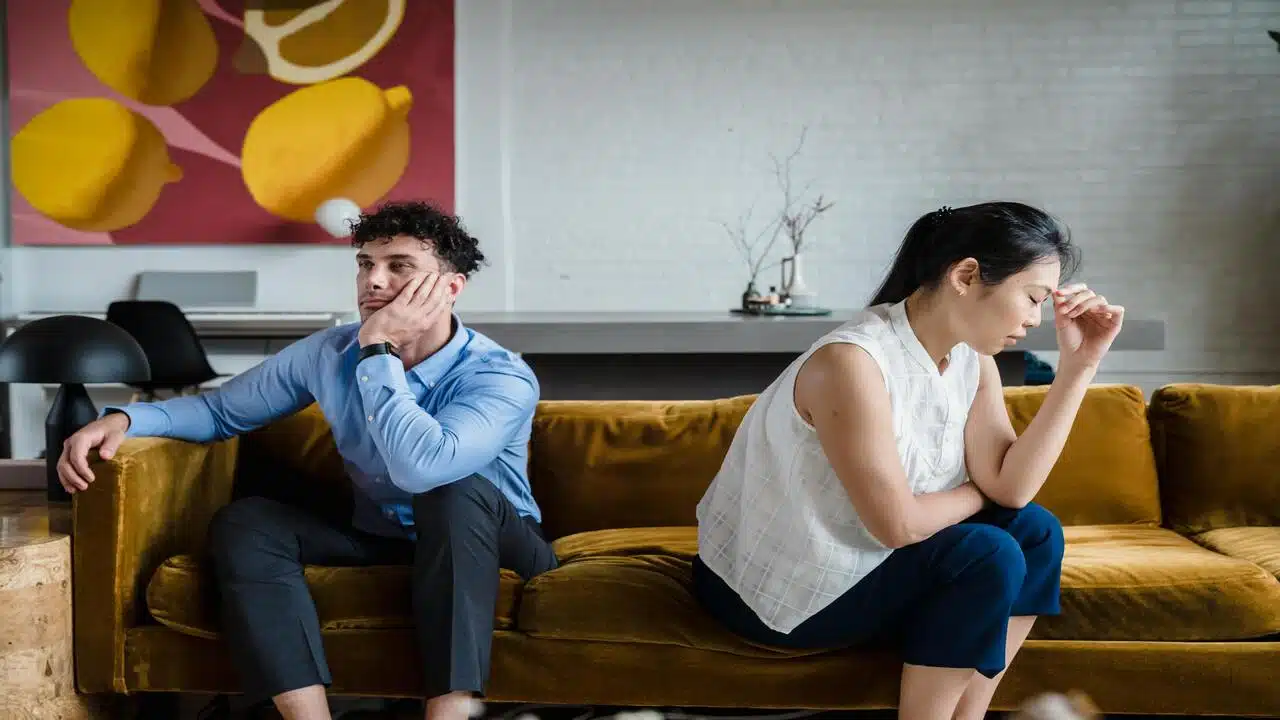
When someone struggles with self-esteem, they may begin to believe they don’t deserve better than the relationship they’re in. Criticism, neglect, or emotional manipulation from a partner can slowly erode confidence, making leaving feel impossible. Women in this situation may worry they won’t find another partner or that they’re somehow “too difficult” to love. Rebuilding self-worth is often the key turning point. Therapy, supportive friendships, and personal achievements can gradually restore confidence and make healthier relationship standards feel attainable.
Emotional Manipulation or Gaslighting

In some relationships, partners deliberately manipulate emotions to keep the other person from leaving. Gaslighting, guilt-tripping, and shifting blame can make women question their own judgment or feel responsible for the relationship’s problems. Over time, this psychological pressure can create confusion and self-doubt. Recognizing these patterns is the first step toward breaking free. Keeping a journal of events, talking to trusted friends, or seeking professional counseling can help bring clarity and reinforce the reality of the situation.
Fear of Regret

Ending a long-term relationship can feel like making a permanent decision that cannot be undone. Many women stay because they worry they might regret leaving later, especially if their partner eventually changes. That uncertainty can keep someone stuck in a cycle of hesitation. A useful approach is to shift the question from “What if I regret leaving?” to “What if I regret staying?” Considering both possibilities often clarifies which choice aligns more closely with personal growth and long-term happiness.
The Relationship Still Feels Familiar

Human beings are creatures of habit, and relationships create routines that become deeply embedded in everyday life. Shared schedules, mutual friends, and familiar patterns make a relationship feel comfortable even when it’s no longer fulfilling. That sense of familiarity can be mistaken for genuine compatibility. Breaking those habits can feel disorienting at first, but it also creates space for new experiences and healthier connections. Gradually building new routines can help ease the transition if someone decides to move on.
They Keep Waiting for a “Breaking Point”
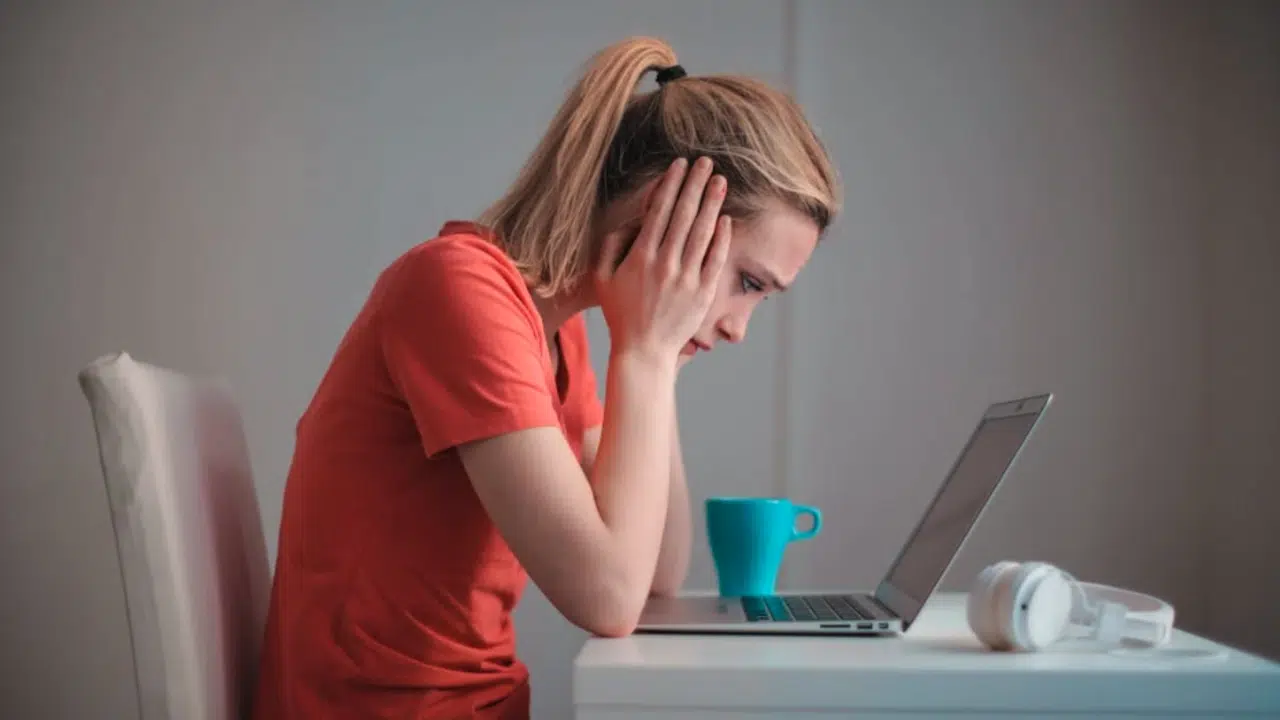
Many women stay because they believe there will eventually be a clear moment that justifies leaving—some dramatic event or undeniable betrayal. When that moment never arrives, they continue enduring smaller problems that accumulate over time. The truth is that relationships don’t always end because of one big incident. Sometimes the slow erosion of respect, connection, or happiness is reason enough. Learning to trust personal dissatisfaction as a valid signal can empower someone to make changes sooner rather than later.
They Feel Responsible for Fixing the Relationship

Some women take on the role of emotional caretaker in a relationship. They believe it’s their job to repair communication issues, support a struggling partner, or constantly improve the relationship dynamic. While effort and empathy are valuable qualities, they can become exhausting when one person is doing all the work. A relationship can only improve when both partners actively participate. Recognizing that you cannot fix someone else’s behavior alone is an important step toward reclaiming personal boundaries.
They Still Care, Even If They’re Unhappy

Perhaps the most complicated reason women stay is that they still genuinely care about their partner. Love doesn’t always disappear just because a relationship stops being healthy. That lingering affection can make the idea of leaving incredibly painful. However, caring about someone does not automatically mean the relationship should continue. Sometimes the healthiest choice is acknowledging that love exists while also accepting that the partnership itself no longer works. Letting go in those situations can be difficult—but it can also open the door to healthier, more fulfilling relationships in the future.







Ask Me Anything