
Warmth is one of the most underrated parts of a relationship. It’s not only physical affection, its tone, softness, patience, and emotional generosity. When a woman stops bringing warmth, the relationship doesn’t always end immediately. It often becomes quieter, more practical, and less alive. Many men think warmth will always be there because it used to be automatic. They may not notice it fading until the home starts feeling colder. The loss of warmth can look like less smiling, less playfulness, and less emotional effort. It can also look like politeness without closeness. These 17 things are what many men start missing only after warmth disappears.
The Emotional Home Feeling: When the Relationship Stops Being a Safe Place

Warmth creates a sense of emotional home. It makes daily life feel softer even when life is stressful. When warmth fades, the relationship can start feeling like a workplace or a waiting room. People still function, but they stop feeling connected. This can be confusing because nothing “big” happened that day. But the emotional atmosphere changed. Warmth is often what keeps routine from feeling lonely. Without it, small moments feel heavier. These are the “home feeling” losses men often notice later. They don’t always call it warmth, but they feel the difference.
The Calm Welcome That Makes Home Feel Lighter

A warm partner tends to soften the end of a hard day. The greeting might be simple, but it carries affection. When warmth disappears, coming home feels neutral or tense. The man may feel like he’s walking into silence rather than comfort. Silence isn’t always bad, but cold silence feels lonely. Over time, the home becomes less of a recharge place. Many men start spending more time outside or distracted because home feels emotionally flat. That creates even more distance. Warm welcomes are often missed only after they’re gone. They seem small until they disappear.
The Feeling of Being Liked, Not Just Tolerated

Warmth makes a man feel liked, not merely accepted. It’s the difference between “we live together” and “we enjoy each other.” When warmth fades, the relationship can feel transactional. Conversations become about tasks, not connection. The man may still feel loved in theory, but not enjoyed in daily life. Being enjoyed is a major relationship need for many people. It affects confidence, affection, and loyalty. When a man feels tolerated, he may become quieter or more defensive. That defensiveness often makes the relationship colder. Warmth communicates liking in ways words don’t.
The Softness After Conflict Instead of Lingering Coldness

Warmth shows up in repair. Even after tension, a warm partner returns to closeness. When warmth is gone, conflicts may end without repair. The house becomes emotionally chilly for hours or days. The man may feel like there’s no way back to connection. That increases anxiety and reduces communication. Over time, he may stop bringing things up to avoid the cold aftermath. The relationship then becomes quieter but also less honest. Warm repair keeps relationships alive. The cold aftermath slowly kills intimacy. Many men miss warm repair only when conflict becomes emotionally expensive.
The Small “Care Signals” That Used to Happen Without Asking

Warmth is built from small care signals. They are not grand gestures; they are daily emotional deposits. When those deposits stop, the relationship starts running empty. The man may not notice immediately because life still moves. But eventually the emotional account feels depleted. That depletion shows up as loneliness, irritation, or a sense that something is off. These small signals often disappear when a woman feels unappreciated or emotionally unsafe. Men often miss them only after the relationship feels colder. And by then, the woman may have been pulling back for a long time.
The Gentle Check-Ins That Make Stress Feel Shared

Warm partners ask, “How was your day?” and actually listen. They notice when something feels off. When warmth fades, check-ins disappear. The man may still talk, but he might not feel emotionally met. That can make stress feel private instead of shared. Shared stress builds bonding. Private stress builds isolation. Isolation makes a relationship feel less like a team. Many men don’t realize how much those check-ins mattered until they stop happening. It’s not about needing constant attention. It’s about feeling emotionally included. Inclusion is warmth.
The Thoughtful Little Acts That Make a Man Feel Remembered

Warmth often shows up in thoughtfulness: remembering preferences, small favors, or tiny surprises. When warmth fades, thoughtfulness fades too. The man may start noticing that nobody thinks ahead for him anymore. It can feel like living alone emotionally while still being in a relationship. This is often when men start feeling “invisible.” The truth is that thoughtfulness is hard to sustain when resentment is building. Resentment makes people protect their energy. Men often miss the thoughtfulness when it’s gone, but they rarely connect it to the relationship climate. Warmth is the fuel for thoughtfulness.
The Playful Energy That Keeps Romance Alive
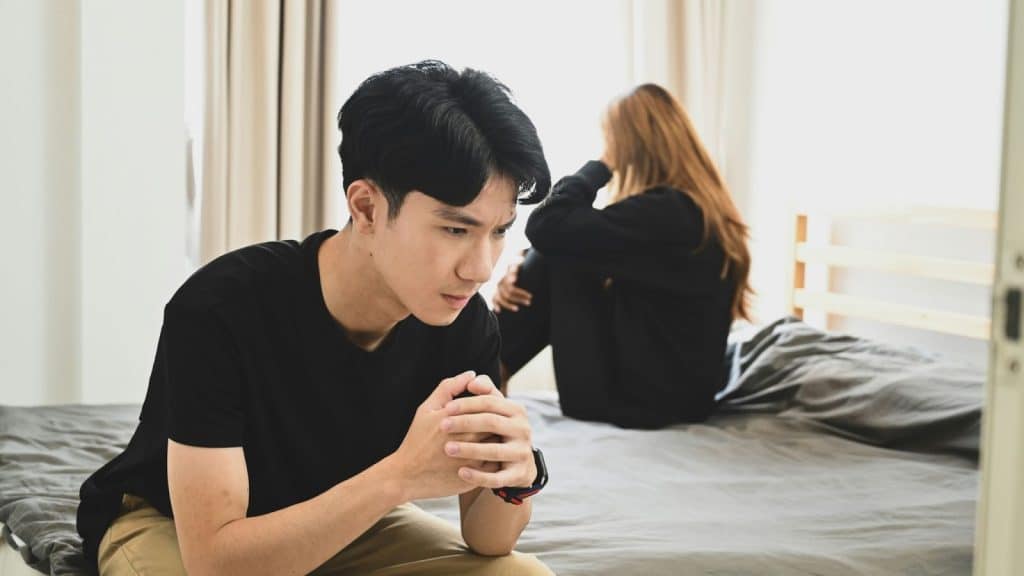
Warmth is closely tied to playfulness. Playfulness creates flirting, teasing, jokes, and lightness. When a woman’s warmth fades, playfulness often disappears first. The relationship becomes serious and functional. Functional relationships can survive, but they don’t feel romantic. Romance needs play. Many men think romance is only about physical intimacy, but playfulness is a major part of it. When playfulness disappears, the man starts missing the “spark.” He may not realize the spark wasn’t magic, it was warmth expressed through play. Play is hard when someone feels emotionally drained. That’s why the loss of play is often a warning sign.
The Laughing Together That Makes Everything Feel Easier

Laughter reduces tension and creates bonding quickly. When a woman brings warmth, humor flows more naturally. When warmth fades, humor becomes rare or forced. The home starts feeling heavier. The man may notice fewer inside jokes and fewer fun moments. This can lead to more time spent on screens or outside distractions. The relationship then feels even more disconnected. Many men realize too late that laughter was not just entertainment. It was emotional glue. Without it, daily life feels less enjoyable. Enjoyment is a big part of long-term attraction.
The Flirting That Made Him Feel Wanted
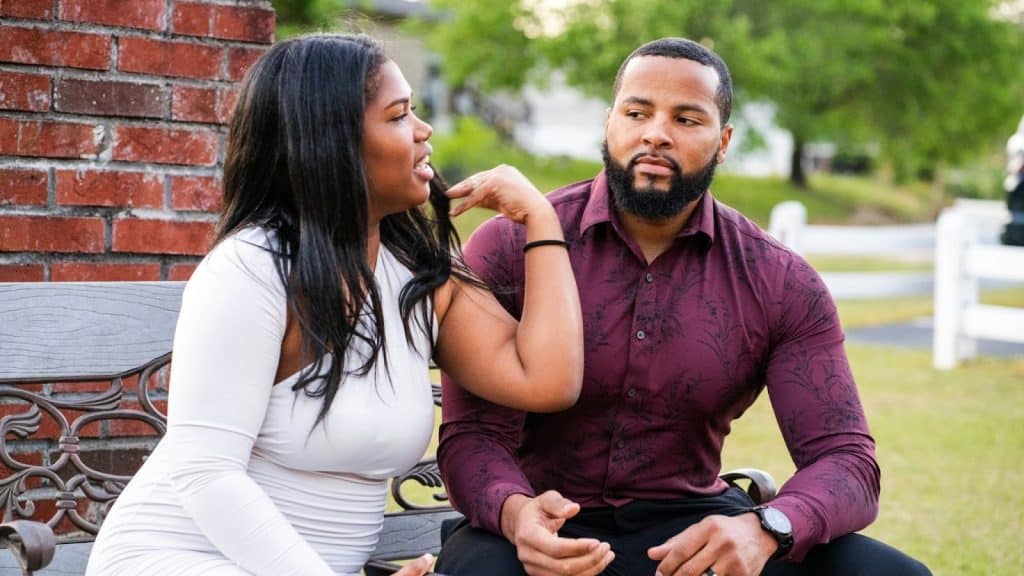
Warmth often includes flirtation. It doesn’t need to be dramatic; it can be a look, a touch, or a playful comment. When warmth fades, flirting fades. The man may still feel loved, but he stops feeling desired. Feeling desired affects confidence and intimacy. Many men interpret the loss of flirting as loss of love. It’s often loss of emotional safety or loss of appreciation. Desire tends to shrink when resentment grows. If a woman feels like a caretaker or feels unvalued, she flirts less. The man misses it later and wonders what happened. Warmth often explains what happened.
The Safe Intimacy Feeling Instead of Awkward Distance

When warmth exists, intimacy feels natural and mutual. When warmth disappears, intimacy can feel awkward, rare, or tense. The man may notice that affection seems forced. He may feel like he needs to ask for closeness instead of receiving it naturally. That can feel humiliating or confusing. Many men then react with pressure, which makes it worse. Pressure kills warmth further. Warmth creates the emotional path to intimacy. Without warmth, intimacy becomes mechanical or absent. This is one of the most painful things men miss.
The Respectful Tone That Makes the Relationship Feel Gentle

Warmth often shows up in tone. Even during disagreements, a warm partner stays respectful. When warmth fades, tone can become sharper, shorter, or more indifferent. Indifference is especially painful because it feels like emotional abandonment. The man may start missing the gentle voice and the kind energy. Tone affects everything: how safe conversations feel, how affectionate the home feels, how motivated someone feels to try. A cold tone creates distance quickly. Many men start noticing tone only after the relationship feels tense. But tone shifts usually happened gradually. Warmth fading changes tone first.
The Sense That She Believes in Him

Warm women often show belief in their partner. They encourage goals, support growth, and speak with pride. When warmth fades, encouragement fades. The man may feel like she no longer believes in him. That can hurt deeply because belief feels like emotional support. Some men then try harder. Others shut down. Either way, the relationship climate changes. A lack of belief can make a man feel alone even with a partner present. Many women stop showing belief after repeated disappointments. It’s not always cruelty; it’s fatigue. Men often miss belief after it’s gone.
The Team Feeling in Everyday Life

Warmth creates teamwork. It makes daily tasks feel shared rather than divided. When warmth fades, teamwork becomes colder. Requests feel like demands. Help feels like an obligation. The relationship stops feeling cooperative. The man may start missing the feeling of “we’re in this together.” That team feeling is a major satisfaction factor in long-term relationships. Without it, both people feel alone. When people feel alone, resentment grows. Resentment reduces warmth even more. It becomes a loop. Teamwork is the practical form of warmth.
The Emotional Soft Landing After Mistakes

Nobody is perfect. Warmth creates grace when mistakes happen. Grace doesn’t mean ignoring problems; it means addressing them without cruelty. When warmth fades, grace fades. Mistakes get met with coldness or sarcasm. That makes the relationship feel unsafe. Unsafe relationships reduce honesty because people fear consequences. The man may start hiding things or avoiding conversations. Avoidance creates more problems. Warm grace encourages repair. Cold reactions encourage distance. Men often miss grace after they start feeling judged all the time.
The Feeling That Effort Is Still Noticed

Warmth includes appreciation. When warmth fades, appreciation fades. The man might still do things, but it feels like nothing counts. That can lead to demotivation and emotional withdrawal. Many men start missing being appreciated only after they feel taken for granted. Appreciation matters because it keeps people engaged. Without it, relationships become mechanical. Mechanical relationships don’t inspire romance. They inspire routine. Routine without warmth feels lonely. When effort stops being noticed, the relationship becomes colder.
The Affection That Used to Be Automatic

Automatic affection is often the final thing men realize they have lost. It used to happen without asking: touches, closeness, little gestures. When warmth fades, affection becomes conditional or rare. The man may feel like he needs to “earn” basic closeness again. That creates insecurity. Insecurity often creates pressure. Pressure makes the woman pull back more. The cycle becomes painful. Automatic affection is not guaranteed forever, but it’s usually sustained through emotional safety and appreciation. When those fade, affection fades too. Many men don’t notice how much they relied on that warmth until it’s absent.
Conclusion

When a woman stops bringing warmth, the relationship often becomes quieter, colder, and less alive. Men often start missing the emotional home feeling, the playfulness, the soft repair, and the automatic affection. They also miss feeling liked, wanted, and emotionally included. Warmth isn’t only personality, it’s often a response to how safe and valued she feels. That’s why warmth fading should be treated as a signal, not as a personality flaw. If warmth has faded, the relationship climate likely needs repair: more appreciation, more shared responsibility, better tone, and consistent emotional presence. Warmth can return when safety and effort return. But it rarely returns through pressure or guilt. It returns when the relationship becomes a place she can relax again.








Ask Me Anything