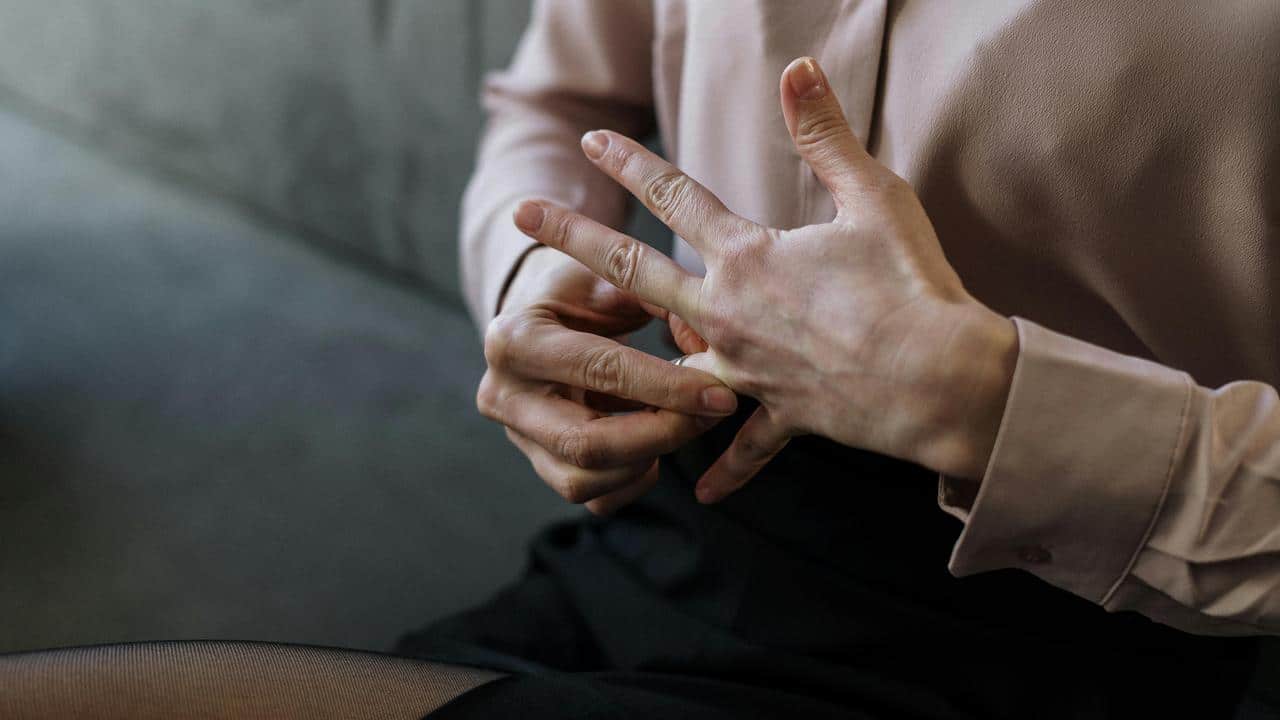
You don’t just wake up one day and decide to leave. It builds up slowly, in quiet moments where something feels off and you can’t ignore it anymore. You start questioning if staying is still worth it, or if you’re just used to the comfort of what you already know. If you’re here, chances are you’re not looking for drama or revenge. You want clarity, peace, and a way out that doesn’t wreck you in the process. Leaving calmly isn’t about being cold. It’s about being in control of your emotions and your next move.
When Staying Feels Like a Duty, Not a Choice

You notice you’re no longer choosing the relationship. You’re just staying because it feels like something you’re supposed to do. That shift matters more than you think. Love should feel like a decision you keep making, not an obligation you’re stuck in. When you feel trapped instead of committed, resentment quietly builds. You might still care, but the energy is off. You stop showing up the same way because your heart isn’t fully in it anymore. That’s usually your sign that it’s time to think about leaving with clarity.
When Communication Turns Into Constant Misunderstanding

You try to explain yourself, but it never lands the way you intend. Every conversation turns into confusion or conflict. You start feeling unheard, even when you’re speaking clearly. Over time, it becomes exhausting to keep trying. You begin to hold things in because it feels pointless to talk. That silence creates distance you can’t ignore. When communication stops being safe and productive, the relationship starts to break down. Leaving calmly becomes a way to protect your mental space.
When You Feel More Drained Than Fulfilled

You should not feel emotionally tired every time you interact with someone you love. If your energy drops instead of rises, that’s a signal worth paying attention to. You might start dreading conversations or time together. Even small issues feel heavier than they should. It’s not about one bad day, it’s about a pattern that keeps repeating. You give more than you receive, and it shows in how you feel. When the relationship consistently drains you, walking away is not selfish. It’s necessary.
When Respect Starts to Fade

Respect is the baseline of any healthy relationship. Once it starts slipping, everything else follows. You might notice subtle dismissals, sarcasm, or lack of consideration. Over time, those small things add up. You feel less valued and more taken for granted. It becomes harder to ignore how you’re being treated. You start questioning if this is really what you deserve. Leaving calmly allows you to reclaim your self-respect without escalating the situation.
When You’re Staying Out of Fear, Not Love

Fear can look like loyalty if you’re not careful. You might be afraid of being alone, starting over, or hurting someone. That fear can keep you stuck longer than you should be. But staying out of fear never leads to a healthy outcome. It just delays the inevitable. You deserve to be somewhere you actually want to be. When fear is the main reason you’re staying, it’s time to rethink everything. A calm exit helps you face that fear without chaos.
When You’ve Outgrown the Relationship

People change, and not always in the same direction. What worked before might not fit who you are now. You start noticing differences in values, goals, or lifestyle. It’s not about blaming anyone, it’s about growth. Sometimes growth pulls you apart instead of bringing you closer. You can respect the past while still choosing a different future. Holding on just because of history can hold you back. Leaving calmly honors both your growth and the relationship you had.
When Trust Is Hard to Rebuild

Trust is fragile once it’s broken. Even if you try to move forward, something still feels off. You question things more than you used to. That constant doubt affects how you show up. It creates tension that doesn’t easily go away. Rebuilding trust takes effort from both sides, not just yours. If you’re the only one trying, it won’t work. Walking away calmly can save you from staying in a cycle of doubt.
When You Keep Having the Same Argument

You’ve had this conversation before, more times than you can count. Nothing really changes, even after promises are made. It starts to feel like a loop you can’t escape. You get frustrated because you already know how it ends. The issue never gets resolved, it just gets paused. That pattern wears you down over time. At some point, you realize you’re not moving forward. Leaving becomes the only way to break the cycle.
When Your Peace Feels Compromised

Your peace should never be negotiable. If you constantly feel anxious, stressed, or unsettled, something is wrong. You might try to justify it or brush it off. But deep down, you know it’s affecting you. Your mood, your focus, and your overall well-being start to suffer. You deserve stability, not emotional chaos. Protecting your peace is a valid reason to leave. Doing it calmly keeps your dignity intact.
When You’re No Longer Yourself

You start noticing you’ve changed in ways you don’t like. Maybe you’re more reactive, more withdrawn, or less confident. The relationship begins to shape you negatively. You don’t feel like the version of yourself you’re proud of. That disconnect is hard to ignore. You might even feel like you’re losing your identity. Staying in that space only makes it worse. Leaving gives you the chance to reconnect with who you really are.
When Effort Feels One-Sided

Relationships need effort from both sides to work. If you’re the only one trying, it becomes exhausting fast. You plan, adjust, and compromise more than you should. Meanwhile, you don’t see the same level of effort in return. That imbalance creates frustration and disappointment. You start feeling unappreciated and overlooked. It’s not sustainable in the long run. Leaving calmly helps you step away without unnecessary conflict.
When You’ve Already Mentally Checked Out

Sometimes you’re physically present but emotionally gone. You don’t feel connected anymore. Conversations feel surface-level and forced. You stop investing in the future of the relationship. That mental checkout is a big sign. It means your heart has already made a decision. Staying longer just delays the inevitable. Leaving calmly aligns your actions with how you truly feel.
When You’re Holding On to Potential, Not Reality

You see what the relationship could be, not what it actually is. That hope keeps you attached longer than you should be. You believe things will change, even without real evidence. Over time, that gap between expectation and reality grows. It leads to disappointment again and again. You can’t build a relationship on potential alone. Accepting reality is tough but necessary. Leaving calmly helps you move on without false hope.
When You Feel Relief at the Thought of Leaving

Pay attention to how you feel when you imagine walking away. If there’s relief instead of fear, that says a lot. It means part of you is ready to let go. That feeling is often buried under guilt or doubt. But it’s still there, trying to guide you. You deserve a life that feels lighter, not heavier. Trusting that relief can lead you to a better place. A calm exit makes that transition smoother.
When You Know Deep Down It’s Time

Sometimes there’s no dramatic reason. You just know. It’s a quiet clarity that sits in your chest. You’ve thought about it long enough. You’ve tried what you can. There’s nothing left to fix or figure out. That inner knowing is hard to explain but impossible to ignore. Trusting it takes courage, but it’s worth it. Leaving calmly lets you close the chapter without regret.








Ask Me Anything