
Lust can feel like destiny when it hits hard. It makes someone feel obsessed, excited, and unusually confident about the connection. The problem is that intensity can mimic emotional depth, even when two people barely know each other. Lust also makes people move faster than their judgment can keep up. It can hide incompatibilities because chemistry feels like proof. But chemistry is not a plan, and it’s not a foundation. Love tends to grow through trust, consistency, and real understanding. These 15 ways show how lust often tricks people into calling it love, until reality catches up.
The Intensity Trap: When Feeling Strong Feels Like Being Right
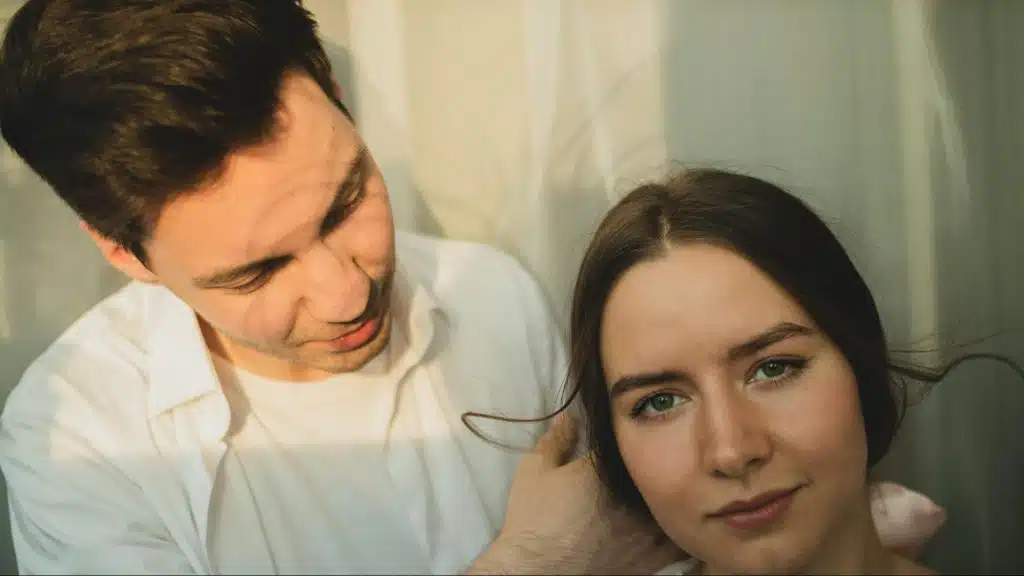
Lust creates urgency. It makes people feel like something must happen now. That urgency can override patience, boundaries, and common sense. Many people assume strong emotion equals strong connection. But strong emotion can also be simple attraction mixed with novelty. In the beginning, the brain fills in blanks with fantasy. It turns potential into certainty. These patterns show how intensity becomes a false “proof” of love. Real love usually survives slow time, not just fast sparks. If the bond can’t handle it slowly, it often isn’t love.
Mistaking Obsession for Emotional Depth

Constant thoughts can feel romantic. People assume, “If the mind is stuck on them, it must be love.” But obsession often comes from novelty, scarcity, or unmet emotional needs. It can be fueled by uncertainty more than closeness. A person can think about someone nonstop and still not know their values. That’s why obsession can vanish once routine begins. Love tends to deepen with familiarity, not disappear because the mystery is gone. Obsession often craves the chase. Love can handle real life.
Confusing Butterflies With Compatibility

Butterflies can feel excitement, but they can also be anxious. The body reacts strongly to someone unpredictable or hard to read. That reaction gets labeled as “chemistry.” Meanwhile, true compatibility is calm and consistent. Lust makes unpredictability feel thrilling. It can also make drama feel like passion. Over time, the same unpredictability becomes exhausting. If butterflies come with insecurity, that’s a sign to slow down. Love builds safety, not constant nervous energy. Compatibility feels steady even when excitement fades.
Believing Fast Connection Means Fate

Some couples feel an instant click and call it destiny. Lust strengthens that feeling because it makes everything feel intense and special. But fast connection can also mean two people are projecting fantasies onto each other. Early “soulmate” feelings often come from shared humor, flirting, and novelty, not proven values. Real love needs evidence: respect, reliability, and conflict behavior. Fate stories can make people ignore red flags because “it’s meant to be.” If the relationship needs constant excuses to stay logical, it’s worth slowing down. Love doesn’t require denial to survive. It can handle reality.
The Shortcut Bonding: When Physical Closeness Skips Emotional Work

Lust can create closeness quickly because it feels intimate. But emotional intimacy and physical closeness are not the same. People can feel bonded while still being strangers. This is how some couples become attached before they’ve built trust. Then they confuse attachment with love. Attachment can happen fast, especially with frequent closeness. Love usually takes longer because it requires character proof. If the relationship hasn’t faced stress, disagreement, or real life yet, the bond is untested. Untested bonds often feel strong until pressure arrives. Pressure reveals whether it’s love or just momentum.
Bonding Without Knowing Their Character

Lust focuses attention on attractiveness and excitement. It makes people overlook questions like: Are they honest? Do they handle conflict respectfully? Do they show consistency? Character is what determines long-term safety. Without character, love becomes risky. Many people fall hard for someone who looks perfect in the beginning. Then they discover poor boundaries, selfishness, or immaturity later. Lust makes character feel less important because the present feels so good. But long-term love is built on trust and values. Attraction can’t substitute for integrity. If character is unknown, love is not proven.
Ignoring Red Flags Because the Chemistry Is Loud

Chemistry can be so strong that people start excusing obvious problems. They tell themselves the person will change, or the issues won’t matter later. Lust makes the relationship feel too valuable to lose. So they tolerate disrespect, inconsistency, or emotional games. That tolerance becomes a trap because it sets a low standard. Over time, the relationship hurts more than it feels good. Many people later admit they “knew” early on but didn’t want to believe it. Lust makes denial feel easy. Love requires standards, not excuses. If red flags are being minimized, it’s not love, it’s craving.
The Fantasy Effect: When the Mind Fills In the Blanks

In the early stage, people don’t know each other fully. Lust encourages the mind to create a perfect image. It fills in missing information with hope. Small positive signs become big “proof” that the person is ideal. This is why people say, “They were everything I wanted,” even before knowing them deeply. Fantasy feels like connection, but it’s mostly imagination. Once reality appears, disappointment hits. Then the person feels betrayed by the change, when it was actually discovered. Love grows with reality, not fantasy. If the connection depends on imagination, it’s unstable.
Thinking Attention Equals Love

Lust often comes with intense attention: constant messages, compliments, and pursuit. That attention feels like love because it feels validating. But attention can be temporary and self-focused. Some people pursue hard because they want the “win,” not the relationship. Once the novelty fades, effort drops. Then the partner feels confused and hurt. Love is not just attention at the start; its consistency over time. If attention disappears when commitment arrives, it is more about desire than love. Real love keeps showing up after the chase ends. It doesn’t vanish once it “gets” you.
The Ego Trap: When Being Wanted Feels Like Being Valued

Being desired can feel like self-worth. Lust makes people feel chosen, special, and powerful. That can be addictive, especially after loneliness or rejection. But being wanted doesn’t always mean being respected. Some people want someone they don’t treat well. They desire the person but don’t prioritize their needs. If someone feels valuable only because they’re desired, they may stay too long in a harmful dynamic. Love includes dignity, not just desire. Dignity includes respect and care. Desire without respect becomes manipulation. Being wanted is nice, but it’s not the whole definition of love.
Confusing Jealousy With Care

Jealousy can look like passion at first. Lust makes possessiveness feel flattering. People interpret it as “they really want me.” But jealousy can also be control and insecurity. Control destroys trust and freedom over time. When jealousy becomes normal, the relationship becomes tense. The partner starts walking on eggshells. That tension kills closeness because honesty feels unsafe. Love protects; it doesn’t monitor. Love trusts; it doesn’t control. If jealousy is being mistaken as devotion, it’s worth pausing. Devotion should feel safe, not stressful.
The Rush-to-Label Mistake: When Love Is Declared Too Early

Some people declare love quickly because the feelings feel overwhelming. Lust makes early certainty feel true. But early “love” can be more about excitement than knowledge. Love requires understanding a person’s patterns, not just their best moments. It also requires seeing how they handle stress and disappointment. If the label comes before real evidence, it becomes pressure. Pressure can trap people into staying even when reality shows problems. Love labels should match real stability, not emotional spikes. A relationship can be intense and still not be healthy. Timing matters for trust.
The “Fixer” Illusion: Believing Chemistry Will Heal Their Issues

Some people fall for potential, not reality. Lust makes them believe they can inspire change. They assume their love will make the other person mature, commit, or become consistent. But change is personal choice, not romance magic. Chemistry does not create accountability. If someone is disrespectful, inconsistent, or avoidant, lust won’t fix it. It may just keep you attached longer. This leads to relationships where one person is always waiting. Waiting becomes resentment. Resentment becomes heartbreak. Love is not a rehab program. It’s a partnership between two adults choosing growth.
Mistaking Intensity for Effort

Intensity can feel like effort because it’s loud. Big emotions, big compliments, and big gestures look like commitment. But true effort is boring in a good way. It’s reliable, follow-through, and shows up consistently. Lust-driven relationships often start with fireworks and then collapse into inconsistency. The emotional highs don’t translate into steady partnership. People get confused because the beginning felt so powerful. But power isn’t the same as stability. Love is shown in daily behavior, not dramatic moments. If effort disappears once the thrill fades, it isn’t love carrying it.
Thinking “Good in Private” Equals “Good for Life”

Some relationships feel amazing in private moments. The connection feels intense, exciting, and addictive. But real life requires more than private chemistry. It requires teamwork, values, and shared responsibilities. Many couples discover that private connection doesn’t translate into real-world compatibility. The relationship may struggle with trust, money, communication, or priorities. Lust makes people ignore these realities because the private moments feel so good. But love must work outside the bedroom too. It needs respect in daily life. If life compatibility is weak, chemistry won’t save it long-term.
Confusing Relief With Love After a Rough Past

After a painful relationship, any kindness can feel like love. Lust can amplify that relief because it brings excitement and affection. The person feels safe compared to the past, so they assume it’s love. But relief is often just the absence of harm. Love is more than relief; it’s active care and deep compatibility. This is common when someone is healing from betrayal or emotional neglect. They cling to the first strong connection that feels better than before. That doesn’t mean it’s wrong, but it means it needs time. Time reveals whether it’s love or recovery bonding. Healing deserves patience.
Tips: How to Tell Lust From Love Without Killing the Spark

Slow the pace and watch how the connection holds up. Pay attention to consistency, not only intensity. Notice whether respect stays strong during conflict or disappointment. See if the person’s actions match their words over time. Keep personal boundaries and avoid merging too quickly. Ask real questions about values, goals, and relationship intent. Watch how they treat other people, not just you. Strong chemistry can still become love, but love needs proof. Proof comes from time and behavior.
Tips: What to Do When Chemistry Is Strong but Clarity Is Weak

Clarity matters more than excitement in the long run. If the relationship is undefined, ask direct questions early. Avoid living in “maybe” situations that drain emotional energy. Keep independence and don’t abandon routines for the rush. Notice whether the person avoids commitment or avoids responsibility. If red flags appear, don’t negotiate them away with hope. Attraction is not an excuse to accept inconsistency. If clarity is repeatedly avoided, treat that as information. Chemistry should not require confusion to survive. Confusion often signals risk.
Tips: How to Protect Yourself From Rushing Into the Wrong Love

Wait to attach major commitment to someone’s consistent behavior. Keep friends and goals active so the relationship doesn’t become the whole world. Don’t ignore red flags because the highs feel high. Don’t confuse being chosen with being respected. Watch for emotional safety, not just passion. Ask if the relationship feels peaceful in between the highs. If it only feels good during intense moments, that’s a clue. Build love slowly and let reality stay included. Real love can handle the pace of real life. Lust often demands speed.
Conclusion

Lust can feel like love because it’s intense, urgent, and emotionally loud. It can create obsession, fantasy, and fast bonding that mimics depth. But love is proven by consistency, respect, and stability over time. Chemistry is real and valuable, but it’s not the same as character. A relationship can have incredible spark and still be wrong for real life. The healthiest move is not to reject chemistry, it’s to test it. Test it with time, honesty, boundaries, and real-world compatibility. If it becomes safer, steadier, and more respectful over time, it may be love growing. If it stays chaotic, confusing, or risky, it was likely lust wearing a love costume.








Ask Me Anything