Dating used to be awkward in a clean, understandable way. You liked someone, you called, you asked, you showed up, and sooner or later, both people knew what this was.
Now the whole thing can drag on for weeks without a name, a plan, or a clear answer. For a lot of older men watching from the outside, that is the part that feels craziest. It is not just that the rules changed. It is that half the time, nobody even admits there are rules anymore.
The Talking Stage That Never Ends

Older men tend to hear “talking stage” and immediately wonder when exactly dating stopped being dating. Spending time together, texting all day, flirting hard, and still acting like nothing is defined would have felt like a waste of time back then. What bothers them is not just the label. It is the built-in vagueness. If two people clearly like each other, dragging it out can start to look less like caution and more like emotional stalling.
Ghosting Instead of Ending It Properly

There is something especially irritating to older men about disappearing without a word. Even if a conversation was uncomfortable, you were still expected to say something. A phone call, an awkward talk, even a clumsy excuse at least acknowledged the other person was real. Ghosting feels colder because it turns a relationship problem into an avoidance trick, and a lot of boomer men see that as a downgrade in basic character, not just a modern habit.
Situationships That Keep Everyone Half-In

This is one of those modern arrangements that sounds flexible until you look at the emotional damage. A situationship often gives both people just enough intimacy to stay attached and just enough ambiguity to avoid responsibility. Older men tend to see that as a bad deal dressed up in trendy language. Back then, if you wanted the benefits of closeness, you were also expected to accept the pressure of clarity.
Treating Casual as the Default
What throws many older men is not casual dating itself. Casual dating always existed. It is the way casual now often gets treated as the safest starting point, even when people clearly want something deeper. That shift can make the whole culture feel defensive, like everyone is trying to avoid being embarrassed, used, or pinned down, so nobody says what they actually want until the connection is already weak.
Open Relationships Being Talked About Like Standard Practice

For boomer men, this one can feel less like progress and more like relationship inflation. They grew up in a world where exclusivity was still the baseline expectation, not something you negotiated after the fact. So when openness is treated as just another normal option, some of them do not hear freedom. They hear instability, confusion, and a setup where somebody usually ends up pretending to be more okay than they really are.
Asking Someone Out Through a Screen First

There was a time when interest had to come with some nerve. You had to walk over, make the call, knock on the door, or at least risk hearing no in real time. A lot of Gen Z dating starts with a follow, a DM, a reaction, or some low-risk digital tap on the shoulder. Older men do not just see that as a technology shift. They see a loss of social muscle because hiding behind the screen makes everything safer but also flatter.
Being Weirded Out by Directness
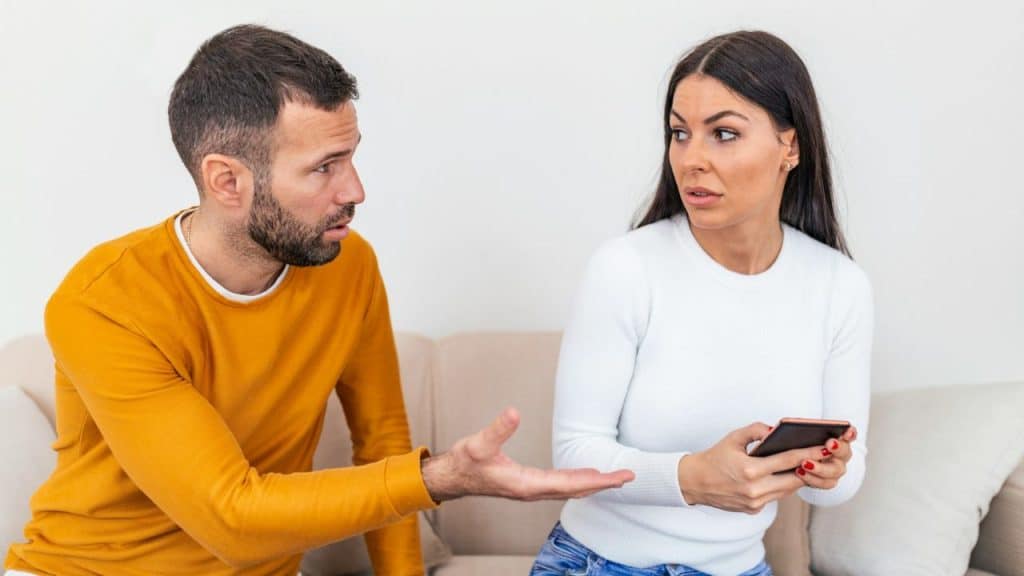
This is where the contradiction really shows. Plenty of younger daters say they want something more real, more intentional, more old school. Then somebody shows direct interest in person, and it lands as strange, intense, or even suspicious. To older men, that feels upside down. The behavior that once signaled confidence and honesty now sometimes gets treated like bad judgment, which says a lot about how unfamiliar straightforwardness has become.
Splitting the Bill Without a Real Conversation

Boomer men were raised on a pretty simple script. If you asked her out, you paid. That script was not perfect, but it was clear. Gen Z dating has pulled that into a more equal and less automatic place, which is not necessarily bad, but the confusion comes when nobody says what they expect, and both people quietly judge the outcome later. Older men usually do not object to fairness. They object to unspoken rules replacing spoken ones.
Going on Dates for the Meal
This one hits a nerve because it makes romance feel transactional in the most literal way. A date used to carry at least some basic assumption of mutual interest, even if it went nowhere. The idea that somebody might show up mainly for dinner lands badly with older men because it feels unserious and slightly insulting. It turns generosity into leverage and makes effort look naive, which is exactly the kind of cultural shift they do not respect.
Reading Into Text Speed Like It Is a Character Test

Older generations had a “waiting” period, too, but this version is more obsessive. A delayed reply now gets treated like a coded message, and punctuation can feel like relationship evidence in a trial nobody agreed to attend. Older men tend to find this exhausting because it shifts too much emotional weight onto tiny digital signals. Instead of asking what someone means, people study typing patterns like they are reading weather signs before a storm.
Playing It Cool to the Point of Saying Nothing

There is a strange pride in modern dating around not caring too much too soon. Do not double-text. Do not be too available. Do not seem eager. Do not make it obvious. Older men often hear all that and think it sounds less like confidence and more like fear with better branding. Interest used to be something you showed. Now people can sabotage a good connection just trying to avoid looking slightly uncool.
Therapy Language Taking Over Basic Conflict

Some younger daters are impressively self-aware. Others can turn every disappointment into a diagnosis. That is where older men start rolling their eyes. They are not rejecting emotional intelligence. They are reacting to the way words like toxic, triggered, avoidant, or red flag can get thrown around so fast that normal human imperfection starts sounding like a pathology report. Once that happens, patience dies early, and nobody learns how to work through anything ordinary.
Making the Relationship Perform for Social Media

Older men remember when the relationship itself was the event. Now there is often a second layer where the couple also has to look like a couple online. Soft launches, anniversary dumps, coded captions, public jokes, private tension. It can all start to feel more curated than lived. That bothers older men because once romance starts performing for an audience, it gets harder to tell what is actually being felt and what is just being presented well.
Using AI and Apps to Outsource Intimacy

This one would have sounded ridiculous years ago, which is exactly why it unsettles people now. Getting dating advice from an app is one thing. Using AI to draft messages, decode interest, or simulate emotional connection is another. To older men, that feels like a sign that dating has become so overprocessed that people are now bringing software into moments that should reveal personality, nerve, and instinct.
Walking Away at the First Sign of Discomfort

Some boomer men look at Gen Z dating and see a generation that protects itself well but endures very little. The moment something feels messy, unclear, disappointing, or inconvenient, the reflex is often to label it, cut it off, and move on. Sometimes that is wisdom. Sometimes it is just low tolerance disguised as self-respect. Older men came from a culture that stayed too long for the wrong reasons, but they still believe modern dating often leaves too early for shallow ones.







Ask Me Anything