
Nobody says it out loud anymore, but plenty of couples still live it. Men plan the next move, absorb the pressure, make the call when things get tense, and carry a kind of quiet responsibility that nobody officially assigned to them.
Then everyone pretends modern love has moved past roles entirely. It has not. What changed is the language. Men are still often expected to lead, just without looking controlling, arrogant, needy, or old-fashioned while doing it. That tension is exactly why this topic keeps getting under people’s skin. The pattern is still there, even when nobody wants to name it directly.
Socialization Into Leadership
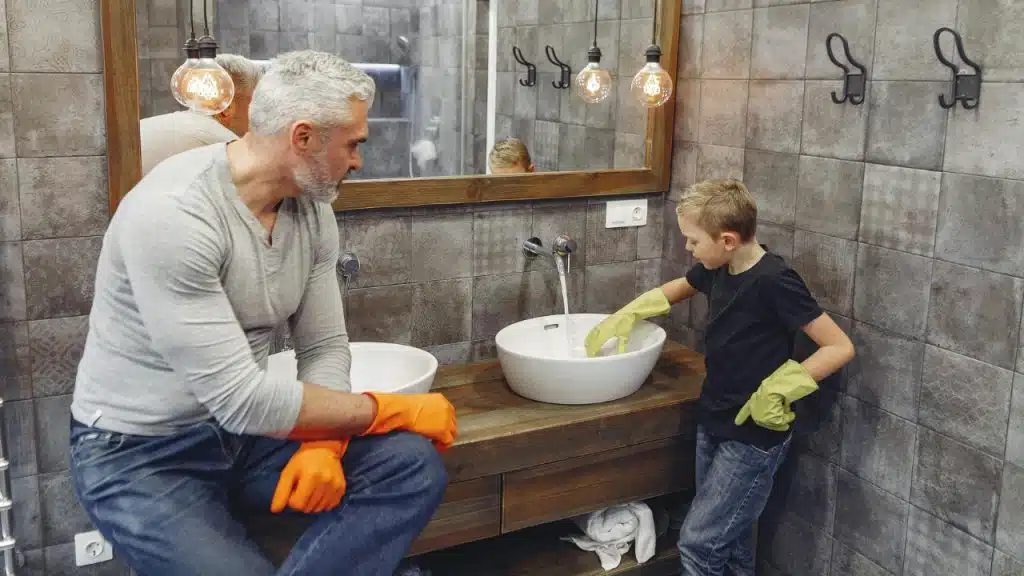
Long before a man enters a serious relationship, he usually gets trained into a role without realizing it. He learns that people look to him to be composed, decisive, useful, and hard to shake. Even men who reject traditional relationship scripts often carry pieces of that conditioning into adult life. They may not say, “I need to lead,” but they still feel the pressure to act first, fix the issue, or hold the frame when things feel uncertain. That expectation starts early, and it tends to follow him right into love.
Hormonal Influences and Risk Taking
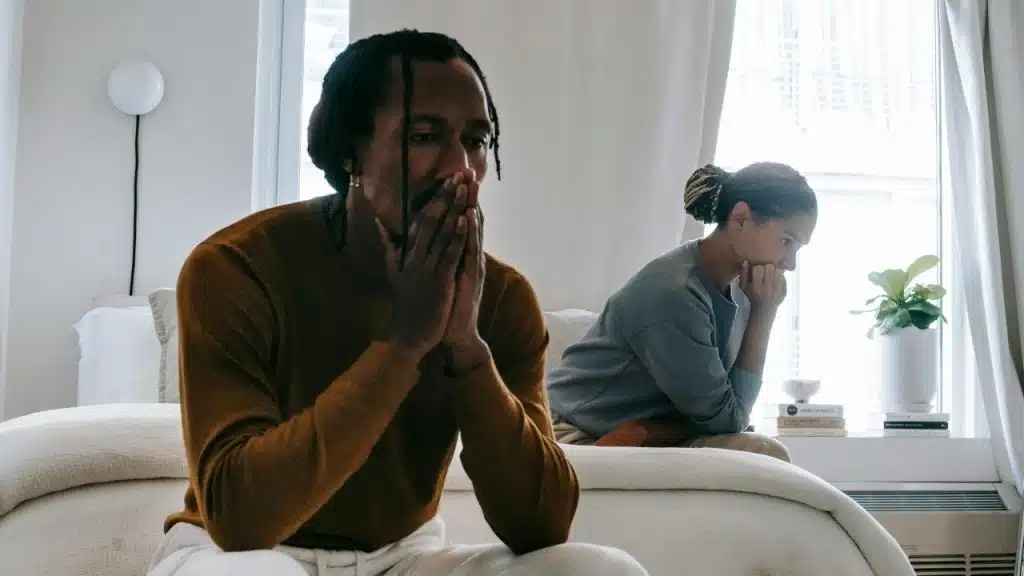
Some of this is social, and some of it is plain wiring. Men are often more rewarded, both internally and externally, for movement over hesitation. That can show up as risk-taking, initiative, competitiveness, or a stronger pull toward action when something feels unresolved. In relationships, that action bias can look like leadership. He makes the reservation, starts the hard conversation, changes the plan, or steps forward when nobody else wants to. It does not make men magically wiser. It just helps explain why many of them feel more comfortable doing something than sitting still and processing forever.
Confidence and Courtship

Dating still exposes what people claim not to care about. Plenty of women say they want equality, then lose interest in a man who floats through the early stages, waiting for her to drive everything. That does not mean women want to be controlled. It means confidence still matters, and confidence often shows up as initiative. A man who makes a plan, chooses a place, and follows through reads very differently from a man who replies with “whatever works for you” five times in a row. Leadership in dating often starts there, not with power, but with presence.
Building Emotional Muscle
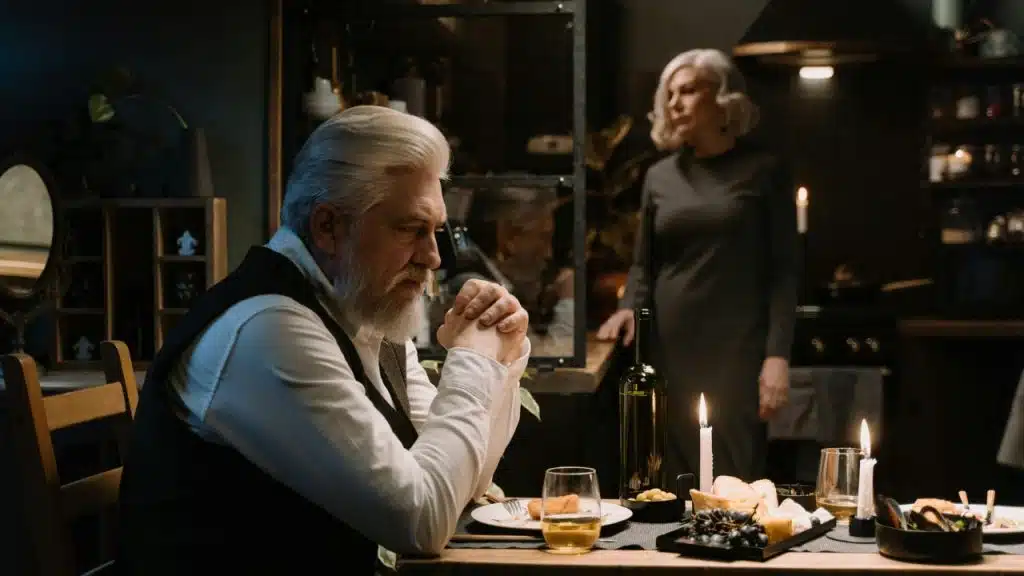
Taking the lead early is not only about impressing someone. It builds a habit. The man who gets used to initiating, deciding, and speaking plainly in the early phase is usually better prepared for the less glamorous parts later. It is one thing to pick the restaurant. It is another to bring up finances, loyalty, sex, resentment, or a drifting marriage before things rot. Leadership becomes more meaningful when the relationship stops being fun by default. That is where the emotional muscle either exists or does not.
Earned Leadership vs Control

This is where people get defensive, because the line matters. A man leading a relationship is not the same thing as a man dominating one. Control is insecure, heavy-handed, and usually obsessed with obedience. Leadership is calmer than that. It earns trust because it carries steadiness, not force. A grounded man does not need to micromanage his partner to feel like a man. He creates clarity, makes decisions when needed, and stays emotionally usable under pressure. That difference is everything.
Taking Initiative to Reduce Mental Load

One of the least talked-about forms of leadership is simply noticing what needs doing before it turns into a discussion. That applies to dating, marriage, parenting, travel, bills, and daily life in general. People love to argue philosophy around relationship roles, then quietly resent the partner who must remember everything. Initiative has weight because it reduces drag. A man who handles things without needing to be managed often feels more masculine to himself and more reliable to the person beside him. Not glamorous, but very real.
Balancing Leadership and Partnership

Healthy leadership actually makes more room for partnership, not less. The strongest men in relationships are usually not the ones trying to win every moment. They know how to carry responsibility without turning the relationship into a chain of command. That might mean leading in one area while deferring in another, or making the first move while still caring about how the decision lands. Mature couples stop obsessing over who is “the leader” in the abstract and start paying attention to whether the relationship feels stable, fair, and emotionally safe.
The Provider Role and Modern Flexibility

Money complicates this fast. Plenty of men still feel a deep pull to provide, even if they never use that exact word. It is tied to pride, usefulness, identity, and the fear of being replaceable. The problem is not the instinct itself. The problem starts when provision becomes the only proof of value, or when modern couples pretend financial leadership means one rigid setup. Some men lead by earning more. Others lead by planning better, stabilizing chaos, or keeping the household from becoming a stress factory. The role changed. The pressure did not.
Dependence on Romantic Relationships for Support

Here is the part many men do not say out loud. For some of them, the relationship is not just love. It is their main source of emotional support, closeness, affirmation, and softness. That changes the stakes. A man who does not lean on friends, family, or community often leans harder on his partner than he even realizes. That deeper dependency can make him invest more, pursue harder, and fight longer to hold the relationship together. Sometimes what looks like leadership is also fear of losing the one place where he feels fully received.
Action-Oriented Coping and Problem Solving

Men often cope by moving toward a solution, even when the moment is asking for emotional patience first. That habit can make them look like natural leaders because they do not always freeze when something goes wrong. They start fixing. They troubleshoot. They make calls. They come up with a plan at 11:30 p.m. while everyone else is still reacting. That can be useful and frustrating at the same time. The strength is obvious. So is the blind spot. Not every relationship problem needs a wrench and a checklist.
Reluctance to Seek Help

A man who will not ask for help often becomes the help by default. That sounds noble until it turns into isolation. Many men are conditioned to believe that needing guidance weakens their authority, so they keep taking responsibility even when they are drained, confused, or quietly slipping. From the outside, that can look like leadership. From the inside, it can feel like there is no safe place to fall apart. Some men lead because they are strong. Others lead because they do not know how to do anything else without feeling ashamed.
Pursuer Distancer Dynamics

Conflict reveals who is actually leading and who is just reacting. One of the most common unhealthy patterns in relationships is when one partner pushes for engagement and the other backs away. Men are often cast as the distancer in this dynamic, especially when stress hits and emotional intensity rises. He shuts down, gets quiet, disappears into work, or acts like the issue is not that serious. It may not look like leadership at all, but it still shapes the relationship. Distance controls a room, too, just in a colder way.
Emotion Suppression and Stoicism

There is a version of masculinity that still gets rewarded everywhere, especially in professional life. Stay composed. Do not overreact. Handle it. Keep moving. In relationships, stoicism can make a man seem like the stable one, the anchor, the person less likely to crack under pressure. Sometimes that steadiness is real and valuable. Sometimes it is emotional lockdown dressed up as maturity. The outside world usually praises the difference poorly. A man may be leading the relationship, yes, but he may also be starving it of openness while thinking he is being strong.
Overdependence and Burnout

When a man carries too much of the emotional, practical, or financial weight, leadership starts turning into resentment. You can feel the shift when responsibility stops looking solid and starts looking tired. He becomes shorter, flatter, easier to irritate, and less generous. Not because he is weak, but because constant pressure changes the emotional temperature of a person. This is one reason the “man as leader” idea gets messy in real life. It sounds clean in theory. In practice, any role that comes with responsibility and little relief eventually starts collecting a bill.
Evolving Gender Roles and Mutual Growth

The old script is not fully dead, and the new one is still unfinished. That is why so many couples look modern on the surface and deeply traditional once real pressure enters the room. Men still tend to lead in many relationships, but the healthiest version of that dynamic is less rigid than it used to be. It is not about commanding the household or acting like a king in fitted jeans. It is about bringing steadiness, initiative, and direction while staying open enough to be influenced. That is probably why this pattern keeps surviving. Not because people are stuck in the past, but because responsibility still matters, and somebody usually has to go first.








Ask Me Anything