
Isolation in a relationship rarely announces itself loudly. It creeps in through subtle comments, quiet discouragements, and “reasonable” requests that slowly shrink your world until your partner becomes your only constant. At first, it can even feel like closeness—more time together, fewer outside distractions—but over time, something starts to feel off.
You may notice your friendships fading, your routines changing, and your confidence quietly eroding. This isn’t just about spending more time as a couple; it’s about whether your independence is being chipped away. Healthy love expands your life, not limits it.
If you’ve been feeling cut off or smaller than you used to be, these insights will help you recognize the patterns and take back your space—without second-guessing your instincts.
They Subtly Criticize Your Friends and Family
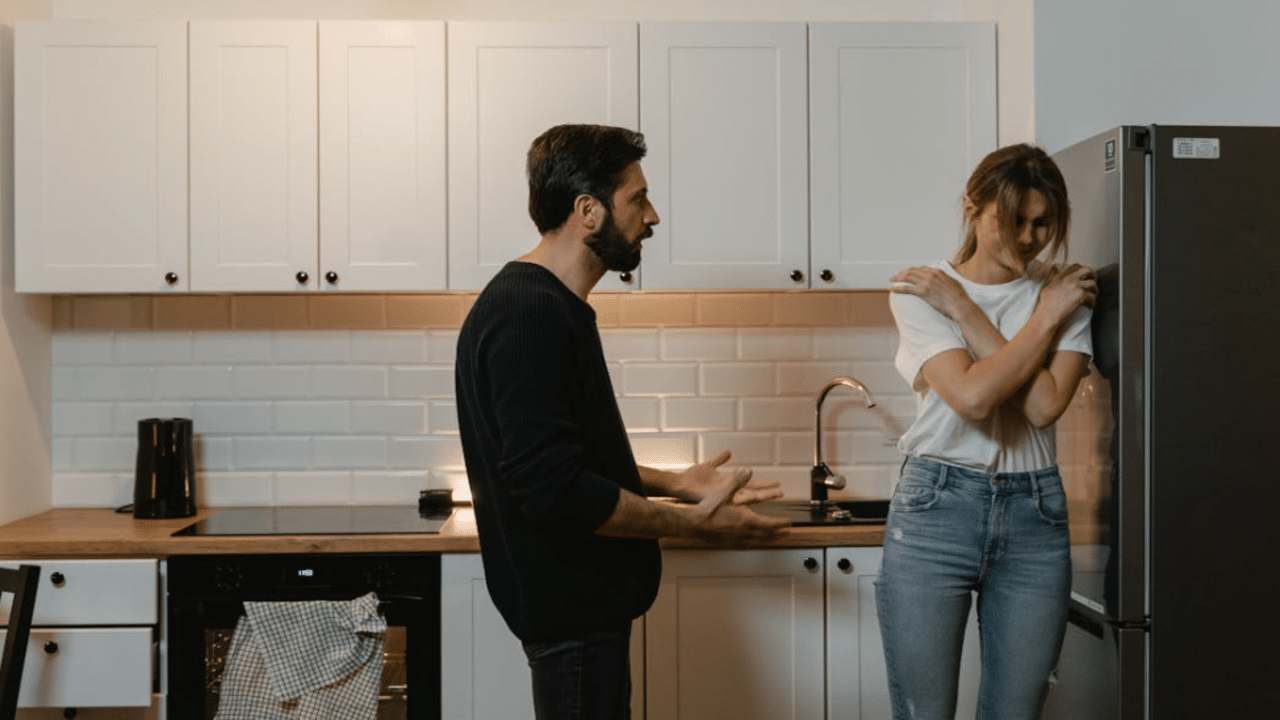
It rarely starts with outright bans or ultimatums. Instead, your partner plants seeds of doubt about the people closest to you—your friend is “too dramatic,” your sibling is “a bad influence,” your parents “don’t respect your relationship.” Over time, these comments accumulate, making you feel like maintaining those connections is exhausting or even disloyal. The key sign is that you begin pulling away not because you want to, but because it feels easier than defending your relationships. Pay attention to whether the criticism is consistent and one-sided. A grounded approach is to reconnect intentionally—schedule a coffee, a call, or a visit—and observe how you feel afterward. If you feel more like yourself, that’s data worth trusting.
They Make You Feel Guilty for Wanting Time Apart

A healthy partner understands that time apart strengthens a relationship. An isolating partner reframes your independence as rejection. You might hear things like, “Why do you always need space?” or “I guess I’m not enough for you.” These statements are designed to make you question your needs and prioritize their comfort over your well-being. Over time, you may stop asking for time alone just to avoid conflict. Start by reclaiming small pockets of independence—an hour to yourself, a solo errand, a hobby night—and hold that boundary without over-explaining. You don’t need permission to exist outside your relationship.
Your Social Life Has Quietly Disappeared

Think back to your life before the relationship. Were you more socially active, more spontaneous, more connected? Isolation often happens gradually, so you don’t notice the shift until your calendar is empty and your phone is quiet. This isn’t always due to control—it can also come from you adapting to avoid tension. The important step is awareness. Make a simple list of people you haven’t seen in months and reach out to one this week. Rebuilding your social life doesn’t require a dramatic overhaul—just consistent, small steps back toward connection.
They Always Want to Be Included—No Exceptions

At first, it can feel flattering that your partner wants to be part of everything you do. But if they resist or get upset when you want to go somewhere alone, it’s worth examining. Insisting on constant inclusion can be a way to monitor and control your interactions. Notice if you’ve stopped making plans unless they’re invited. A practical reset is to normalize solo outings again—frame it casually, not defensively. “I’m grabbing dinner with a friend tonight” should be a statement, not a negotiation.
They Create Conflict Before Your Plans

You’re about to meet friends, and suddenly there’s tension—a disagreement, a cold attitude, or a last-minute issue that makes leaving feel uncomfortable. This pattern isn’t random. It conditions you to associate your independence with stress, making you less likely to follow through next time. The solution isn’t to cancel—it’s to recognize the pattern and stick to your plan anyway. Over time, you retrain both yourself and the dynamic: your life doesn’t pause for avoidable conflict.
You Feel Like You Have to “Check In” Constantly

Sharing your whereabouts is normal; feeling like you’re being monitored is not. If you feel pressure to constantly update your partner—where you are, who you’re with, when you’ll be back—it can signal a lack of trust disguised as concern. The difference lies in tone and frequency. Start setting gentle limits: respond when it’s reasonable, not immediately. You’re allowed to have uninterrupted time without reporting every detail.
They Frame Isolation as Loyalty

Phrases like “We don’t need anyone else” or “It’s us against the world” can sound romantic, but they often mask a deeper issue. Real loyalty doesn’t require cutting off your support system. In fact, strong relationships are supported by strong individual lives. If your partner equates closeness with exclusivity, challenge that narrative internally. You can love someone deeply and still maintain a full, independent life.
You Hesitate to Share Things About Your Relationship

Isolation thrives in silence. If you feel uncomfortable telling friends or family about what’s happening in your relationship, ask yourself why. Is it because you want to protect your partner—or because you know something wouldn’t sit right if said out loud? A practical step is to confide in one trusted person. You don’t need to tell everything—just enough to break the pattern of keeping things hidden.
They Control the Narrative About Others

An isolating partner often positions themselves as the only person who truly understands you. They may reinterpret your past relationships, casting others as unsupportive or toxic while presenting themselves as your safe haven. Over time, this reshapes your perception. Counter this by revisiting your own experiences. Write down what you genuinely felt about those people before the relationship. Your perspective deserves equal weight.
You’ve Stopped Doing Things You Once Loved

Whether it’s a hobby, a fitness routine, or a creative outlet, losing touch with activities that once energized you is a major red flag. Sometimes it’s because your partner dismisses them as unimportant; other times, it’s because you’ve deprioritized them to avoid friction. Reintroduce one activity this week, even in a small way. It’s not just about the activity—it’s about reclaiming a part of yourself.
They Undermine Your Confidence in Social Settings

If your partner makes subtle digs, corrects you publicly, or makes you feel self-conscious around others, it can lead you to withdraw from social situations altogether. Over time, you may start believing you’re better off staying in. Recognize this for what it is: a pattern that benefits from your silence. Practice asserting yourself in small ways—finish your sentence, hold your ground, or simply disengage without shrinking.
They Discourage You From Seeking Advice

A common tactic is framing outside input as interference. You might hear, “People don’t understand our relationship,” or “We should keep things private.” While privacy is healthy, complete isolation from outside perspectives is not. Trusted advice can offer clarity you may not see from the inside. Give yourself permission to seek balanced input—it’s not betrayal, it’s self-respect.
You Feel Anxious About Going Against Their Wishes

Isolation isn’t always enforced—it’s internalized. If the idea of doing something your partner might disapprove of makes you anxious, that’s a sign the dynamic has shifted. Healthy relationships allow room for disagreement without fear. Start by doing one small thing you’d normally avoid and observe the outcome. Often, the anticipation is worse than the reality.
They Position Themselves as Your Only Support

When your partner becomes your sole emotional outlet, it can feel intense and consuming. While closeness is important, relying on one person for everything creates imbalance. You need multiple sources of support—friends, family, even professional guidance. Start diversifying your support system again. Reach out, even if it feels unfamiliar at first.
You’re Always the One Compromising

Every relationship requires compromise, but it should go both ways. If you’re consistently the one adjusting—canceling plans, changing routines, letting things go—it creates a slow erosion of your independence. Take note of patterns. Then, practice holding your ground on something small but meaningful. Balance isn’t built in one big moment—it’s restored through consistent, fair choices.
They React Poorly to Your Boundaries

Setting a simple boundary—like wanting a night out or time alone—shouldn’t trigger disproportionate reactions. If it does, it often reveals an underlying need for control. The key is not to overcorrect by removing the boundary. Instead, hold it calmly and consistently. You’re not responsible for managing their discomfort at the expense of your autonomy.
You Don’t Feel Like Yourself Anymore

This is the clearest signal of all. If you feel smaller, quieter, less confident, or disconnected from who you used to be, something needs attention. Isolation doesn’t just affect your social life—it affects your identity. The way forward isn’t dramatic—it’s deliberate. Reconnect with people, revisit old routines, and reestablish your independence piece by piece. You don’t need to wait for permission to return to yourself.








Ask Me Anything