
A lot of men look calm on the surface while carrying a running commentary inside. Some stay quiet because they were taught not to “make a big deal” out of feelings. Others stay quiet because they fear conflict, judgment, or being misunderstood. That silence can make partners assume men do not care as much as they do. In reality, many men think about respect, peace, pressure, intimacy, and whether they’re doing enough. They also think about how to keep love stable without losing themselves. These 17 “answers” are not meant to stereotype every man. They are meant to reflect common thoughts men report and many partners recognize. If any of these sound familiar, it may explain why some men feel distant even when they are still invested.
The Commitment Mindset: What Men Quietly Measure Over Time

Many men evaluate relationships through stability and long-term livability. They often ask themselves whether the relationship feels peaceful or exhausting. They notice whether problems get solved or repeated. They also notice whether their effort is respected. Commitment stays strong when the relationship feels like a team. It becomes fragile when it feels like a constant performance. Men do not always describe this in emotional language, but they often feel it clearly. When a relationship becomes high-stress daily, love becomes harder to maintain. These answers highlight what men often measure silently.
“Peace Matters More Than People Admit”

Many men value calm more than constant intensity. They often feel more loyal in relationships that feel emotionally safe. Peace does not mean avoiding problems. It means handling problems without humiliation or chaos. When peace disappears, men often withdraw rather than argue. Withdrawal can be mistaken for not caring. It can also be self-protection. A peaceful relationship feels easier to commit to for years. Many men see peace as a sign of maturity, not boredom. Calm relationships often last because they feel livable.
“Respect Affects Attraction More Than Looks”

Many men experience attraction as emotional, not just physical. Respect shows up in tone, appreciation, and how disagreements are handled. If a man feels mocked or minimized, he often becomes guarded. Guarded men become less affectionate and less open. Many men can tolerate stress, but they struggle with disrespect. Disrespect changes how safe the relationship feels. When safety drops, desire often drops. Respect is one of the biggest relationship fuels for men, even if they do not say it directly.
“It Gets Heavy When It Feels Like Nothing Is Ever Enough”
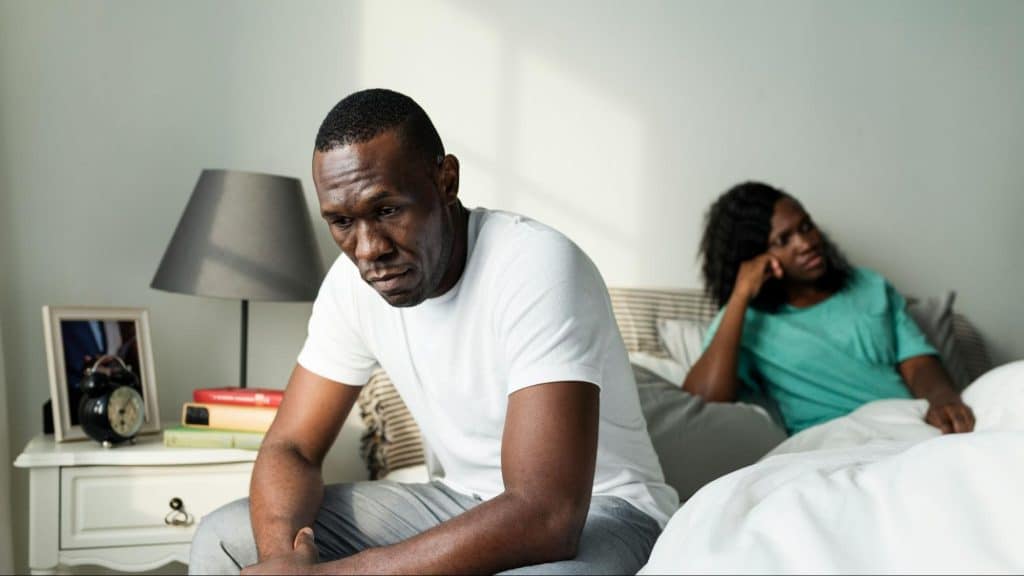
Many men get discouraged when the goalposts keep moving. They may feel like they are trying, but their effort is never acknowledged. That can create a sense of hopelessness. Hopelessness often turns into passivity or avoidance. Men may stop initiating because it feels pointless. The partner then feels even more alone, and the cycle worsens. Many men do better when feedback includes what is working, not only what is failing. Encouragement tends to produce more effort than constant critique. Feeling “never enough” can quietly drain motivation.
“Being Needed Feels Good Until It Turns Into Being Used”

Many men like feeling helpful and valued. They often feel proud when they can provide stability, problem-solving, or protection. But the feeling changes when they are only valued for usefulness. If affection disappears unless they perform, it can feel transactional. Transactional love makes men emotionally cautious. Caution reduces intimacy. Many men want to feel appreciated as a person, not just a role. When they feel like a tool, they emotionally pull back. A relationship works best when both people feel seen beyond function.
The Emotional World: What Men Often Feel but Struggle to Explain

Many men experience emotions strongly but may not label them quickly. They may show it through mood, silence, or changes in effort. This can confuse partners who want direct verbal clarity. Many men also fear that vulnerability will be punished or mocked. That fear can make them hide stress until it spills out. Men often want emotional safety too, even if they do not use that phrase. They often want space to be imperfect without losing respect. These answers reflect that inner world.
“Sometimes Silence Is Not Avoidance, It’s Processing”

Some men go quiet to organize thoughts, not to punish. Silence can be a coping strategy when emotions feel overwhelming. The problem is that partners may experience it as coldness. Many men do not realize how stressful silence feels to the other person. Healthy processing usually includes communication: “I need time, will talk later.” Without that clarity, silence creates insecurity. Many men learn late that silence can damage trust even when intentions are neutral. Processing is normal, but disappearing is risky. The strongest relationships make space for processing while staying connected.
“It’s Hard to Be Vulnerable When It Feels Like It Will Be Held Against You”

Many men hold back feelings because they fear later weaponization. If vulnerability has been mocked, dismissed, or reused during conflict, trust shrinks. Men often respond by becoming more private. Private men can still love deeply, but they share less. Less sharing leads to less closeness. Many women interpret this as emotional unavailability. Sometimes it is, but sometimes it is a protective response to past conflict dynamics. Emotional safety is built through respectful handling of honesty. When honesty is safe, vulnerability increases. When honesty is punished, silence grows.
“Being the ‘Strong One’ All the Time Gets Lonely”

Many men feel pressure to stay composed, solve problems, and not break down. That pressure can create loneliness even inside a relationship. They may feel like they cannot be unsure, tired, or afraid without losing respect. Over time, that creates emotional distance. Many men want support, not only admiration. Support includes being allowed to be human. When a man feels emotionally supported, he often becomes warmer. Warmth increases affection and patience. A man who never feels supported may become irritable or numb. Loneliness does not always look like sadness; it can look like withdrawal.
The Intimacy Reality: What Men Often Think About Closeness

Many men connect intimacy to feeling wanted and respected. If intimacy becomes inconsistent or pressured, it affects confidence. Some men interpret rejection as personal failure, even when it is not. Others interpret low intimacy as loss of attraction, even when it is stress. Men often struggle to talk about intimacy without feeling embarrassed or guilty. That silence creates misunderstanding. Many men want intimacy that feels mutual, not negotiated. They also want affection outside the bedroom. These answers reflect common intimacy-related thoughts.
“Intimacy Feels Better When It’s Warm All Day, Not Only at Night”

Many men enjoy affection that feels natural during the day. A hug, a kiss, or playful touch builds connection without pressure. When all affection disappears and intimacy is only discussed as a problem, it becomes stressful. Stress reduces desire for both partners. Many men do not want intimacy to feel like a performance test. They want it to feel close. Warm day-to-day connection often makes intimacy easier later. When warmth is gone, intimacy feels awkward. Many men notice this but struggle to say it without sounding selfish. But the point is emotional connection, not entitlement.
“Rejection Stings More Than Most Men Admit”

Even confident men often feel rejection deeply. They may not show it directly, but it can affect mood and effort. Some men respond by withdrawing to protect pride. Others respond by seeking reassurance in unhealthy ways. Many couples could avoid this cycle with better communication and non-sexual affection. Rejection is easier to handle when the relationship still feels warm. It is harder when everything feels tense. Many men want clarity, not guessing. Guessing creates anxiety. Anxiety creates distance.
“Feeling Like a Teammate Is One of the Biggest Turn-Ons”

Many men feel most connected when the relationship feels cooperative. Teamwork makes a man feel respected and trusted. It also reduces stress, which increases warmth and desire. When a man feels like he is constantly being managed or corrected, attraction often drops. Correction can feel like parenting. Parenting dynamics kill romance for both people. Teamwork means shared responsibility and shared problem-solving. Men often feel more romantic when they feel supported. Support makes them want to give more. Team energy keeps long relationships alive.
The Daily Life Truths: What Men Notice More Than They Say

Men pay attention to day-to-day dynamics, even if they do not comment. They notice whether home feels like peace or conflict. They notice whether effort is appreciated. They notice whether they are treated with respect in public and private. They also notice whether they can relax or must stay on alert. Small daily behaviors shape whether a man stays emotionally invested. When daily life feels heavy, romance becomes harder. When daily life feels fair and warm, romance grows naturally. These answers highlight the daily life signals men often react to quietly.
“Home Should Feel Like a Safe Place, Not a Daily Trial”

Many men crave a home environment that lowers stress. If home feels like constant criticism or conflict, they may spend more time outside or become emotionally distant. This is not always about avoiding responsibility. It can be self-protection. A home that feels safe makes men more present. Presence makes love easier to maintain. When home feels unsafe, men often become less talkative and less affectionate. That can be misread as not caring. It is often a sign of emotional fatigue. Safe homes strengthen loyalty and closeness.
“Appreciation Changes Everything”

Many men respond strongly to feeling appreciated. Appreciation does not need to be constant praise. It needs to be specific and sincere. When a man feels appreciated, he tends to give more freely. When he feels taken for granted, he often becomes passive. Passivity can look like laziness, but it is sometimes discouraging. Many men do not ask for appreciation because they feel awkward requesting it. But they notice when it is absent. Appreciation also reduces resentment and increases cooperation. It keeps the relationship warmer and easier. Warm relationships keep men invested.
“The Relationship Becomes Fragile When Both People Stop Repairing”

Many men notice when repair disappears. Repair is what happens after conflict: apology, reassurance, and changed behavior. When repair stops, resentment grows quietly. Resentment changes tone and reduces affection. Many men avoid constant conflict, so they may go quiet instead of pushing repair. But silence does not fix damage. Over time, the relationship feels colder. Then small issues feel heavier. Many men realize too late that repair was more important than being right. Repair is the bridge back to closeness. Without it, the relationship drifts.
Men Think More Than They Say, and Patterns Speak Loudest

Men often think about peace, respect, pressure, and whether the relationship feels livable long-term. They may not always explain it well, but they feel it in their energy and effort. Many men stay quiet when they fear conflict or judgment. That silence can create misunderstanding, even in relationships with real love. The best relationships make space for honesty without punishment. They protect respect during conflict and keep appreciation visible. They also build teamwork so daily life feels fair. If these answers felt familiar, it may be a sign that the relationship needs more clarity, better repair, or more warmth. Most men do not want perfection, they want peace, respect, and connection that feels safe.








Ask Me Anything