
Respect is one of the emotional cornerstones of a healthy relationship, especially for many men. While love, attraction, and chemistry matter, feeling respected often determines whether a man feels secure, valued, and motivated to invest deeply in a partnership.
The challenge is that respect isn’t usually expressed through grand gestures. Instead, it’s built through everyday behaviors—small habits that communicate trust, appreciation, and belief in who he is. When these habits become part of a relationship’s rhythm, they create an environment where both people feel seen and supported.
If you want a stronger connection and a partner who shows up fully, these subtle but powerful habits can make a bigger difference than you might think.
Listening Without Immediately Correcting Him

Many men interpret respect through the way their thoughts are received. When someone listens without instantly correcting, dismissing, or fact-checking every detail, it signals that their perspective has value. That doesn’t mean you have to agree with everything he says, but letting him finish his point before jumping in shows basic conversational respect. A practical habit is pausing for a few seconds after he finishes speaking before responding. This creates space for reflection rather than reaction. Over time, he’ll feel more comfortable sharing ideas, opinions, and even vulnerabilities because he knows he won’t be instantly shut down.
Showing Appreciation for What He Contributes

Men often express care through action—fixing something, solving problems, or handling responsibilities. When those efforts go unnoticed, it can quietly chip away at motivation. A simple “I appreciate you handling that” or “That helped a lot” can go further than people realize. The key is specificity. Instead of generic praise, acknowledge exactly what he did and why it mattered. When appreciation becomes a regular habit rather than a rare compliment, it reinforces that his efforts are seen and valued.
Trusting His Decisions

Constantly second-guessing someone’s choices sends a subtle message that you don’t trust their judgment. For many men, that quickly feels like a loss of respect. Healthy relationships allow room for both partners to make decisions without being micromanaged. This doesn’t mean blind trust—it means giving him the benefit of the doubt unless there’s a real reason not to. A practical approach is asking thoughtful questions instead of challenging his choices outright. That shift keeps conversations collaborative rather than confrontational.
Speaking About Him With Respect Around Others

How someone talks about their partner in public or around friends carries enormous weight. Even playful criticism can feel humiliating if it becomes a pattern. Men often pay close attention to whether their partner defends them or casually mocks them in social settings. A respectful habit is avoiding complaints about him in group conversations and instead discussing concerns privately. Protecting your partner’s dignity when others are present builds trust and loyalty in ways that public criticism never will.
Letting Him Solve Problems Sometimes

It’s easy to jump in with solutions, especially when you care about someone. But constantly stepping in can unintentionally send the message that he isn’t capable. Many men feel respected when they’re trusted to figure things out on their own. A helpful habit is asking, “Do you want help with this, or do you want to handle it?” That small question gives him the choice while still offering support. When he knows you believe in his ability to manage challenges, it strengthens his confidence and the relationship.
Avoiding Sarcasm During Serious Conversations

Sarcasm can be funny in casual moments, but during emotionally important discussions it often feels dismissive. When serious topics are met with sarcasm or eye-rolling, the message received is that his feelings aren’t being taken seriously. Respectful communication means matching the tone of the moment. If he’s expressing concern, frustration, or vulnerability, responding with sincerity keeps the conversation constructive. Over time, this builds a sense of emotional safety where deeper conversations can happen without fear of ridicule.
Encouraging His Goals Instead of Minimizing Them

Ambition is closely tied to identity for many men. When their goals are dismissed as unrealistic or trivial, it can feel deeply discouraging. Even if you don’t fully understand the vision, showing curiosity instead of skepticism can make a big difference. Ask questions about what motivates him or what success would look like. Encouragement doesn’t require blind optimism—it simply means recognizing that his aspirations matter. That kind of support often fuels motivation rather than pressure.
Respecting His Need for Personal Space

Time alone is not the same as emotional distance. Many men recharge by stepping away briefly—watching a game, focusing on a hobby, or simply having quiet time. When that need is constantly questioned, it can feel suffocating. A respectful habit is recognizing that personal space actually strengthens relationships by preventing burnout. Encourage each other to maintain individual interests and routines. When partners return from their own space, they often bring more patience and energy back into the relationship.
Addressing Problems Directly Instead of Through Hints
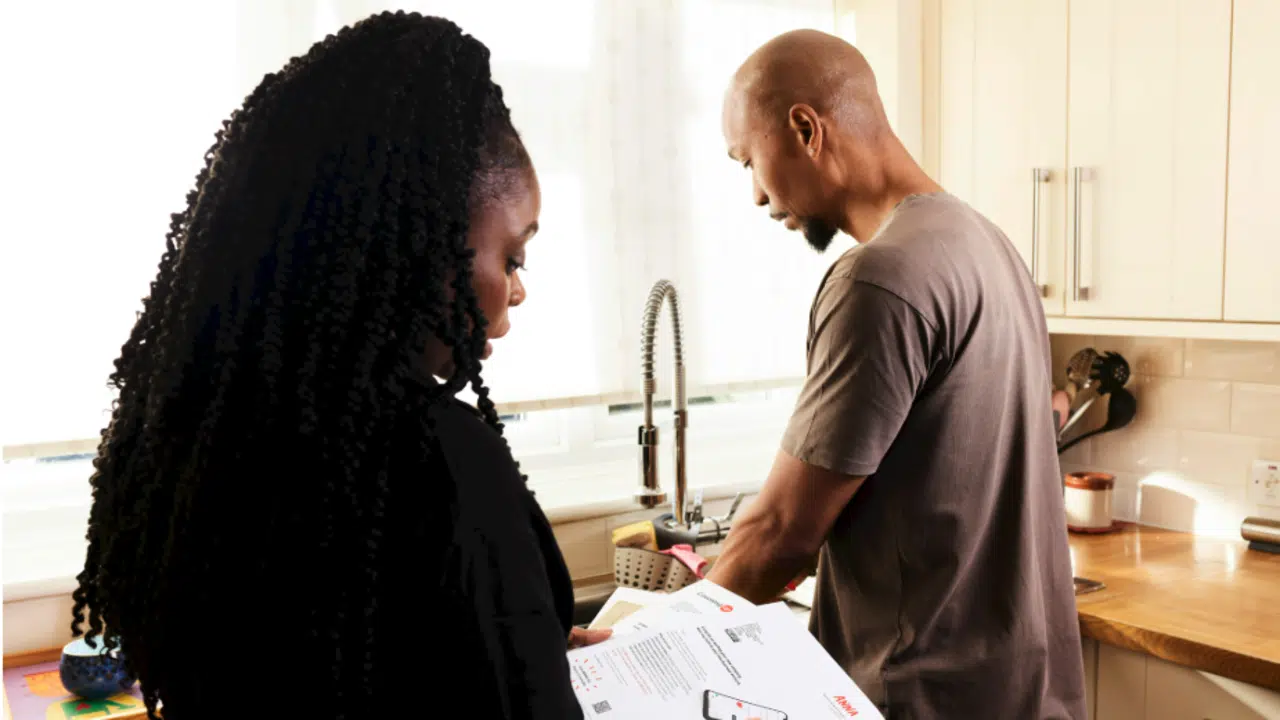
Indirect communication can be confusing and frustrating. Many men respond better to clear, straightforward conversations than to subtle hints or silent expectations. When issues arise, saying what you mean calmly and directly prevents unnecessary misunderstandings. Instead of hoping he “gets the hint,” explain how something made you feel and what would help. Clarity eliminates the guesswork and keeps disagreements from escalating into resentment.
Acknowledging His Efforts to Improve

No one changes overnight, and improvement often happens in small steps. When those steps go unnoticed, motivation can fade quickly. If he’s trying to communicate better, manage stress differently, or show up more consistently, acknowledging the effort reinforces progress. The goal isn’t constant praise—it’s recognition. When people feel their growth is noticed, they’re more likely to continue putting in the work.
Avoiding Comparisons to Other Men
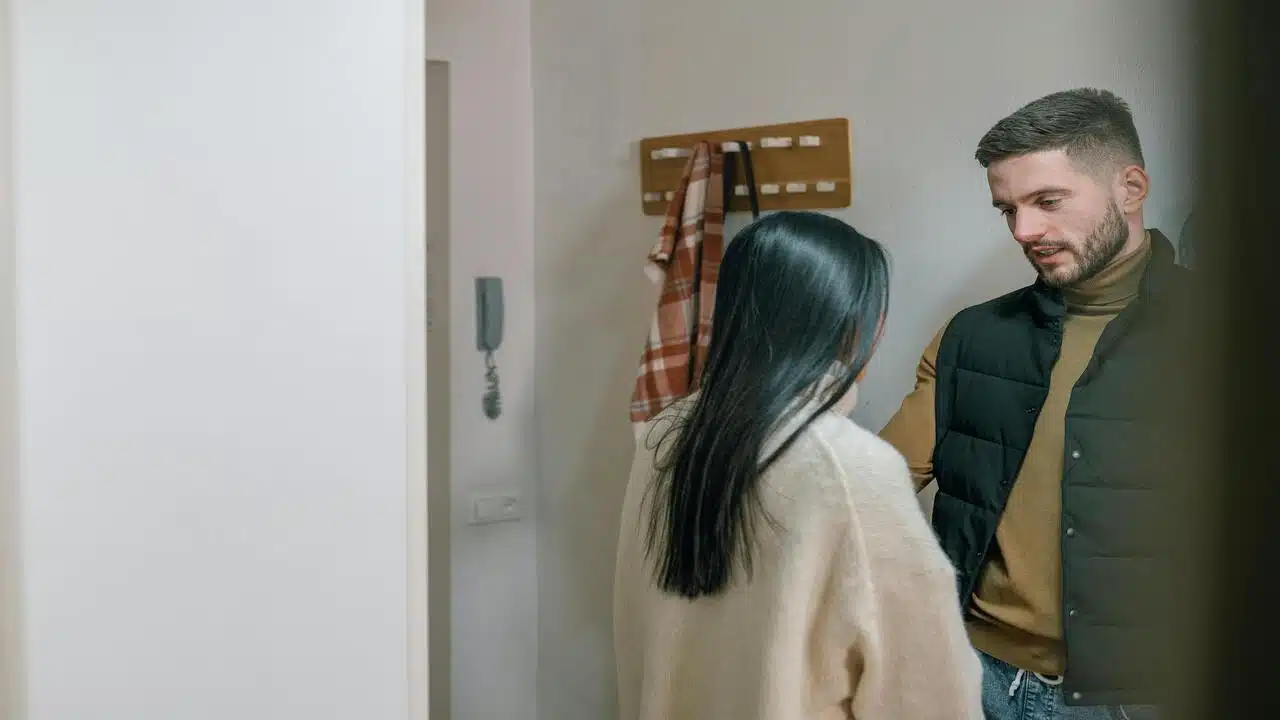
Comparing a partner to someone else—whether it’s an ex, a friend’s husband, or a celebrity—rarely leads anywhere positive. Even casual comparisons can feel like a judgment of his worth. Respectful relationships focus on the individual, not the competition. If there’s something you’d like to see improved, frame it around the relationship rather than another person’s behavior. This keeps the conversation constructive rather than discouraging.
Giving Him the Benefit of the Doubt

Everyone makes mistakes, but assuming the worst intentions can quickly erode trust. When misunderstandings happen, approaching the situation with curiosity rather than accusation keeps conversations calmer. A simple question like “What happened there?” can open a productive discussion. Offering the benefit of the doubt shows that you see him as a partner, not an adversary. That mindset makes it easier to resolve issues without unnecessary conflict.
Recognizing His Role as a Partner

Feeling respected often means feeling like an equal participant in the relationship. When one partner’s opinions are consistently ignored, it creates imbalance. Involving him in decisions—whether about finances, travel, or daily routines—signals that his voice matters. Collaboration doesn’t mean agreement on everything, but it does mean treating his perspective as valuable. That sense of partnership strengthens both respect and commitment.
Keeping Private Matters Private

Trust grows when both partners know that personal conversations won’t become public stories. Sharing private disagreements or embarrassing moments with friends or family can feel like a betrayal. Respectful couples create boundaries around what stays inside the relationship. If advice is needed, it’s best to speak generally rather than exposing sensitive details. Protecting that privacy strengthens the bond between partners.
Supporting Him During Difficult Moments

Respect becomes most visible during challenging times. When stress, setbacks, or failures happen, criticism often makes the situation worse. What many men value most in those moments is steady support rather than judgment. Offering encouragement, listening without rushing to blame, and reminding him that setbacks are temporary can make a powerful difference. Those moments often define how secure a relationship truly feels.
Showing Confidence in the Relationship

Constantly questioning the relationship’s stability can create unnecessary pressure. When someone frequently doubts commitment or loyalty without cause, it can feel like a lack of trust. Expressing confidence in the relationship signals emotional stability and maturity. This doesn’t mean ignoring problems, but it does mean approaching them with the mindset that both partners are working toward the same goal.
Respecting His Boundaries

Just as emotional needs matter, boundaries do too. Whether it’s personal time, friendships, or limits around certain topics, respecting those boundaries communicates maturity and understanding. Pushing against them repeatedly often leads to tension and defensiveness. Instead, acknowledge the boundary and work around it where possible. Mutual respect for limits creates a healthier dynamic where both people feel comfortable being themselves.
Treating Him With Kindness During Conflict

Disagreements are inevitable, but how they’re handled determines whether respect survives the argument. Insults, name-calling, or bringing up past mistakes can leave lasting damage. A better habit is focusing on the specific issue rather than attacking the person. Staying calm, speaking clearly, and listening even when emotions run high shows a level of maturity that strengthens trust. When couples argue without losing respect for each other, their relationship becomes far more resilient.








Ask Me Anything