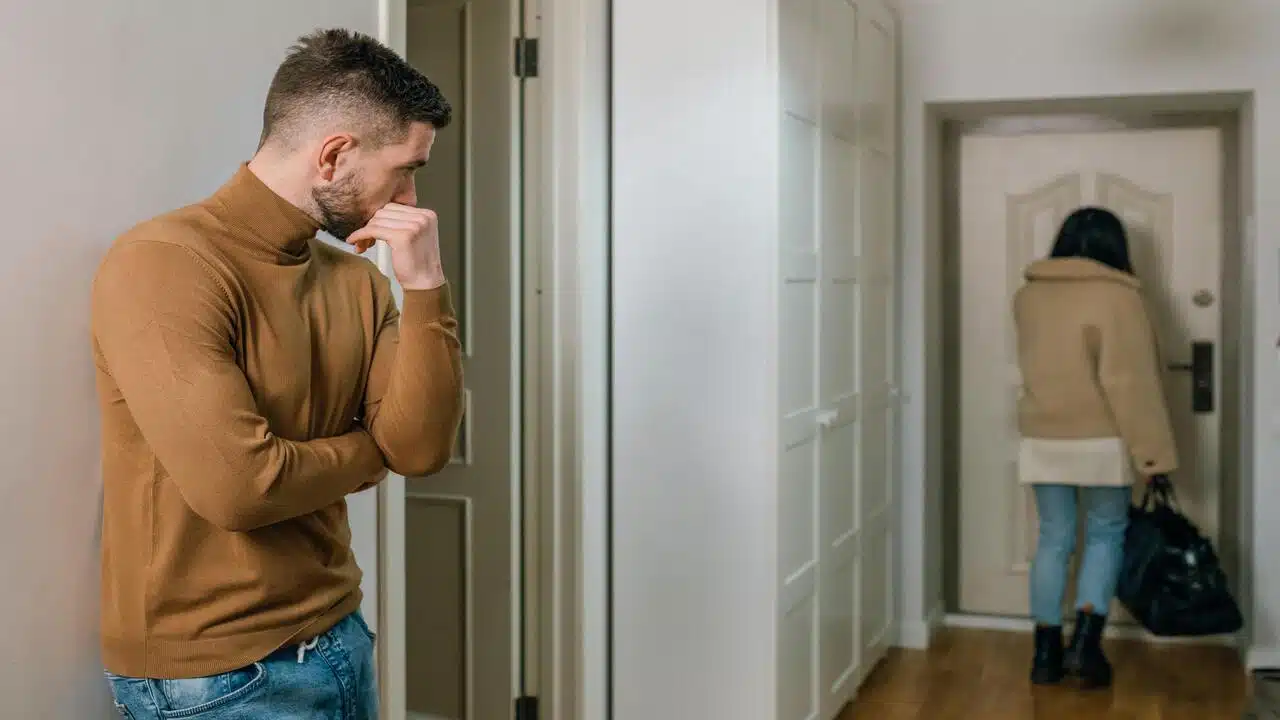
Respect is the backbone of any healthy relationship. Attraction might bring two people together, but respect is what keeps love stable over the long run. When a woman loses respect for her partner, the shift is often gradual—caused by small patterns of behavior that quietly erode trust, admiration, and emotional safety.
Many men assume respect disappears because of one big mistake, but more often it fades because of repeated habits that signal immaturity, unreliability, or lack of self-awareness. The good news is that most of these issues are fixable once you recognize them. Understanding the behaviors that slowly chip away at respect can help men strengthen their relationships and show up as better partners.
Breaking Promises—Even Small Ones

When a man repeatedly says he’ll do something and then doesn’t follow through, respect begins to erode quickly. It might seem harmless to forget errands, cancel plans, or delay responsibilities, but these small broken promises send a clear message: your word doesn’t mean much. Over time, a woman stops relying on you because experience has taught her that your commitments are flexible. Reliability is deeply tied to respect in relationships. If you want to rebuild that foundation, start treating your promises like contracts. Only commit to what you can realistically deliver, and when you say you’ll do something, make sure it actually gets done.
Avoiding Responsibility

One of the fastest ways to lose respect is constantly shifting blame onto others. Whether it’s work problems, financial mistakes, or conflicts in the relationship, refusing to own your part signals emotional immaturity. A partner who always has an excuse instead of accountability becomes exhausting to deal with. Respect grows when a man can say, “That was my mistake. I’ll fix it.” Taking responsibility demonstrates self-awareness and leadership, two qualities that naturally inspire admiration. When you start owning your actions instead of defending them, the dynamic in a relationship often changes immediately.
Lacking Direction in Life

Most women don’t expect perfection, but they do want to see a partner who has goals, ambitions, or at least a sense of direction. A man who drifts through life without plans, motivation, or curiosity about the future can start to feel like a passenger instead of a partner. Respect tends to grow when someone actively builds something—whether that’s a career, a business, a skill, or a meaningful purpose. You don’t need to have everything figured out, but showing that you’re working toward something matters. Even small steps toward growth can signal that you’re someone who takes life seriously.
Being Easily Controlled by Others

If a man constantly bends to the opinions of friends, family, or coworkers, it can create the impression that he lacks a backbone. Women tend to respect partners who can think independently and make decisions confidently. This doesn’t mean being stubborn or dismissive of advice, but it does mean having clear values and standing by them. When someone changes their stance depending on who they’re talking to, it signals insecurity rather than strength. Developing your own principles and sticking to them—even politely—can dramatically shift how others perceive you.
Poor Emotional Control

Everyone gets frustrated sometimes, but frequent emotional outbursts can seriously damage respect in a relationship. Losing your temper, yelling during arguments, or reacting impulsively to small problems makes a partner feel like they’re dealing with unpredictability rather than stability. Emotional control isn’t about suppressing feelings—it’s about responding thoughtfully instead of reacting instantly. Learning to pause, breathe, and communicate calmly during disagreements shows maturity and self-mastery. Ironically, the quieter and more composed someone becomes during conflict, the more authority and respect they tend to command.
Neglecting Personal Hygiene and Appearance
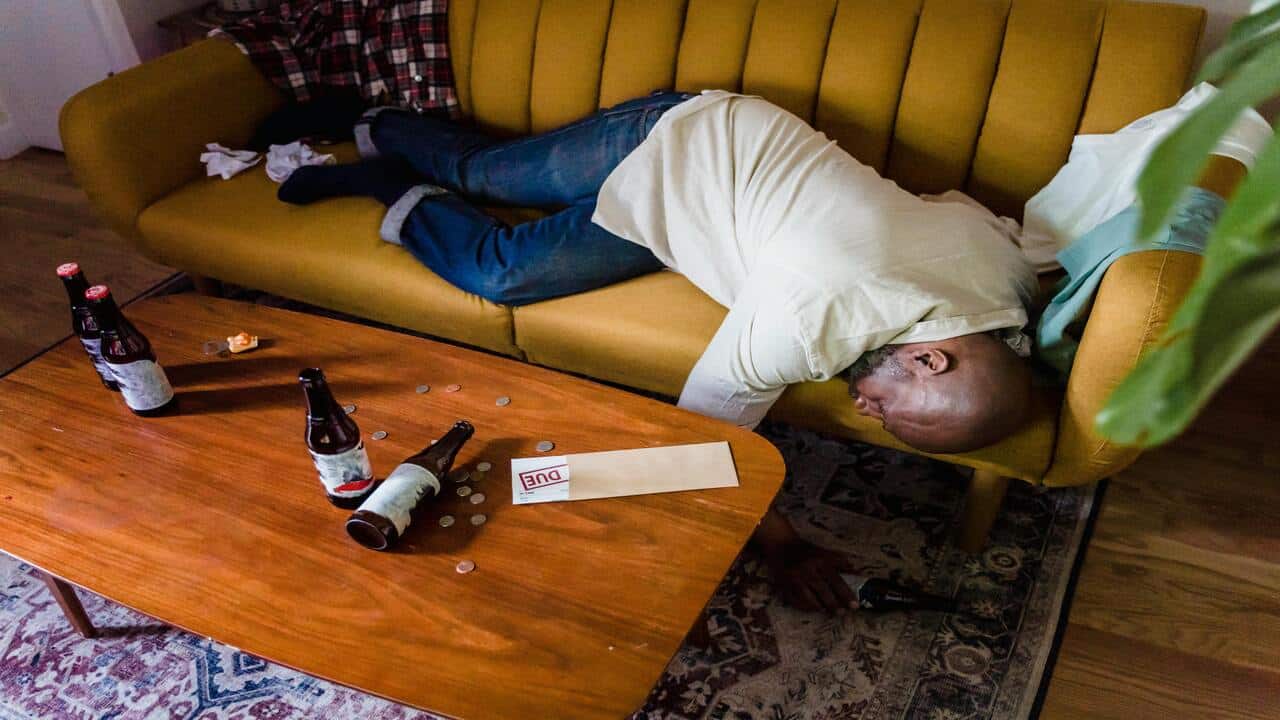
Physical attraction and respect are closely connected. When someone stops caring about their hygiene, grooming, or general presentation, it often signals a deeper lack of self-respect. That shift doesn’t go unnoticed in a relationship. You don’t need designer clothes or a model’s physique, but basic effort matters—clean clothes, good hygiene, and taking care of your health. When a man values his own well-being, it subtly communicates confidence and discipline. Showing that you take pride in how you present yourself can reignite attraction and reinforce the idea that you value yourself.
Constantly Seeking Validation

Confidence is attractive, while constant reassurance-seeking can slowly drain respect. When a man repeatedly asks if he’s good enough, attractive enough, or doing things right, it places emotional pressure on his partner to constantly boost his self-esteem. Over time, this dynamic can feel more like parenting than partnership. Confidence doesn’t mean pretending you never have doubts—it means handling those doubts internally instead of outsourcing them. Building competence in different areas of life naturally strengthens confidence, which makes reassurance less necessary.
Speaking Disrespectfully to Others

How a man treats waiters, coworkers, strangers, or family members says a lot about his character. If someone regularly speaks harshly, insults people, or behaves arrogantly toward those around him, it reflects poorly on his values. Many women pay close attention to these interactions because they reveal how a partner might eventually treat them. Respect is earned through consistency in behavior across all situations. Showing kindness, patience, and humility toward others demonstrates emotional intelligence and strong character—qualities that deepen admiration over time.
Avoiding Difficult Conversations

Some people try to maintain peace in a relationship by avoiding serious discussions, but this strategy usually backfires. When important issues—finances, boundaries, goals, or emotional needs—are constantly brushed aside, problems quietly grow larger. A partner who refuses to engage in meaningful conversations can seem disengaged or indifferent. Respect increases when someone is willing to confront uncomfortable topics directly and calmly. Honest conversations may feel awkward in the moment, but they build trust and demonstrate that you care enough to address real issues.
Letting Others Disrespect the Relationship

Another subtle way respect erodes is when a man allows friends, coworkers, or even family members to undermine the relationship. Whether it’s tolerating flirtatious behavior, laughing off disrespectful jokes about your partner, or failing to defend them when necessary, these moments send a powerful signal. A partner wants to feel protected emotionally and socially. Standing up for the relationship—even in small ways—demonstrates loyalty and commitment. Clear boundaries with others often strengthen respect inside the relationship itself.
Financial Irresponsibility
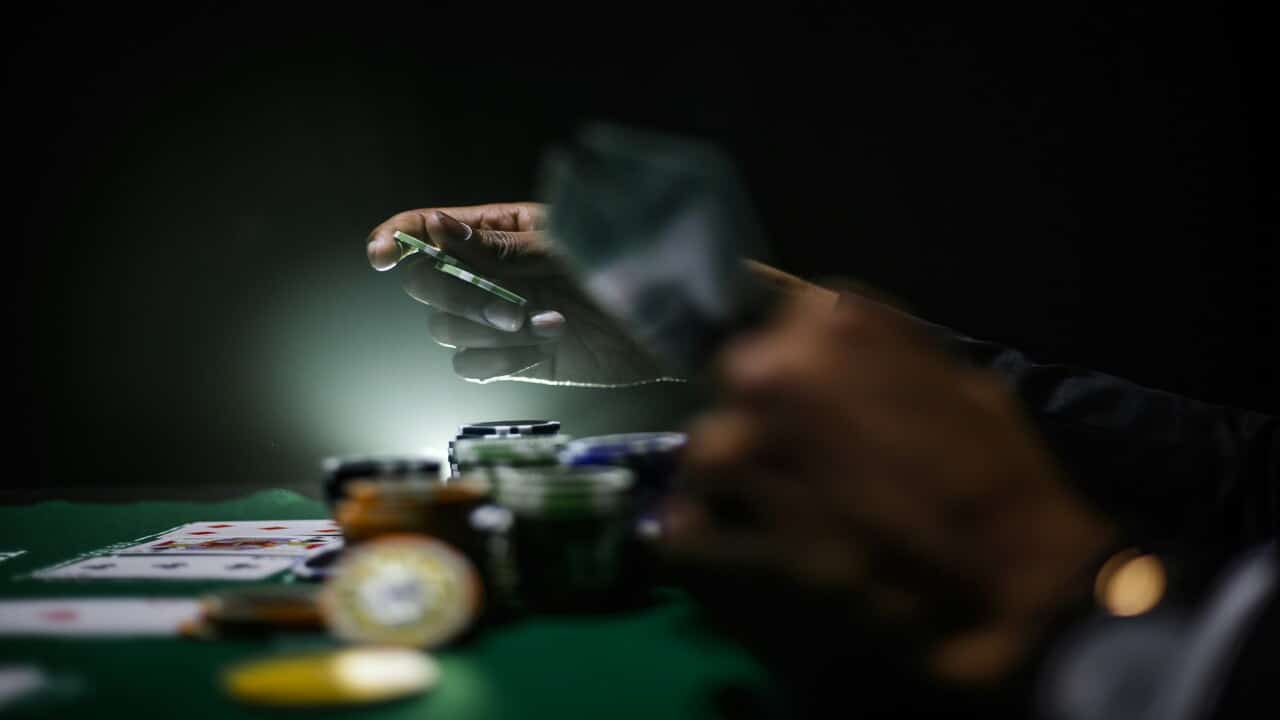
Money issues are one of the most common sources of relationship tension. When someone consistently overspends, ignores bills, or avoids planning for the future, it can create anxiety and instability. Financial responsibility isn’t about being wealthy—it’s about being thoughtful with resources. Budgeting, saving, and planning demonstrate maturity and long-term thinking. A partner who shows discipline with money communicates reliability and security, two qualities that naturally build respect in a relationship.
Being Passive in the Relationship

Relationships thrive when both partners actively contribute to their growth. When a man becomes passive—letting his partner make all the decisions, plan everything, and carry emotional responsibility—it can create imbalance. Leadership doesn’t mean control; it simply means showing initiative. Planning dates, addressing issues early, and contributing ideas signal that you’re invested in the relationship. Respect grows when both people feel like equal participants rather than one person doing all the work.
Losing Curiosity About Your Partner

Over time, some people stop asking questions or showing interest in their partner’s thoughts, goals, and feelings. This can create the impression that the relationship is being taken for granted. Respect fades when someone feels unseen or unappreciated. Continuing to show curiosity—asking about their day, their ambitions, or their opinions—keeps emotional intimacy alive. Small acts of attention signal that you value the person, not just the comfort of having them around.
Making Jokes at Her Expense

Humor can strengthen relationships, but jokes that consistently target your partner can slowly chip away at respect. Teasing that seems harmless to you might feel humiliating or dismissive to her, especially in front of others. Over time, these comments create emotional distance and resentment. A simple rule helps avoid this trap: never use humor to undermine your partner’s dignity. The best kind of humor in relationships builds connection instead of embarrassment.
Refusing to Grow or Improve

Everyone has flaws, but respect diminishes when someone refuses to work on them. Whether it’s poor communication, unhealthy habits, or recurring conflicts, ignoring feedback from a partner can feel dismissive. Growth doesn’t require instant transformation—it simply requires effort. When a man shows willingness to learn, read, reflect, or seek advice, it signals maturity and humility. The act of trying to improve often matters more than immediate success.
Being Inconsistent With Affection

Affection that appears only when it’s convenient can create confusion and insecurity. If warmth and attention come and go unpredictably, a partner may start to question the sincerity behind those gestures. Consistency builds emotional safety. Small, regular expressions of appreciation—compliments, thoughtful messages, physical affection—show that care isn’t conditional. When affection becomes a steady presence rather than a rare event, respect and closeness naturally deepen.
Taking the Relationship for Granted

Perhaps the most common reason respect fades is simple complacency. When someone stops putting effort into the relationship because they assume their partner will always be there, appreciation begins to disappear. Relationships require ongoing attention, just like careers or friendships. Regularly expressing gratitude, planning shared experiences, and acknowledging your partner’s contributions keeps the connection alive. Respect thrives when both people feel valued rather than taken for granted.








Ask Me Anything