
Good health is often thought of as not being sick. But many changes in the body and mind happen slowly and are easy to miss. Stress usually builds little by little and can show up as poor sleep, low energy, or feeling tense most days. Over time, these signs can start to feel normal, even though they affect daily life. Men may see them as part of work, getting older, or everyday responsibilities, while partners or family often notice the changes sooner. In the slides ahead, you’ll learn how stress affects men’s bodies, why these small signs matter, and how they can impact long-term health. Noticing stress early can help prevent more serious problems later.
Ongoing Muscle Tension
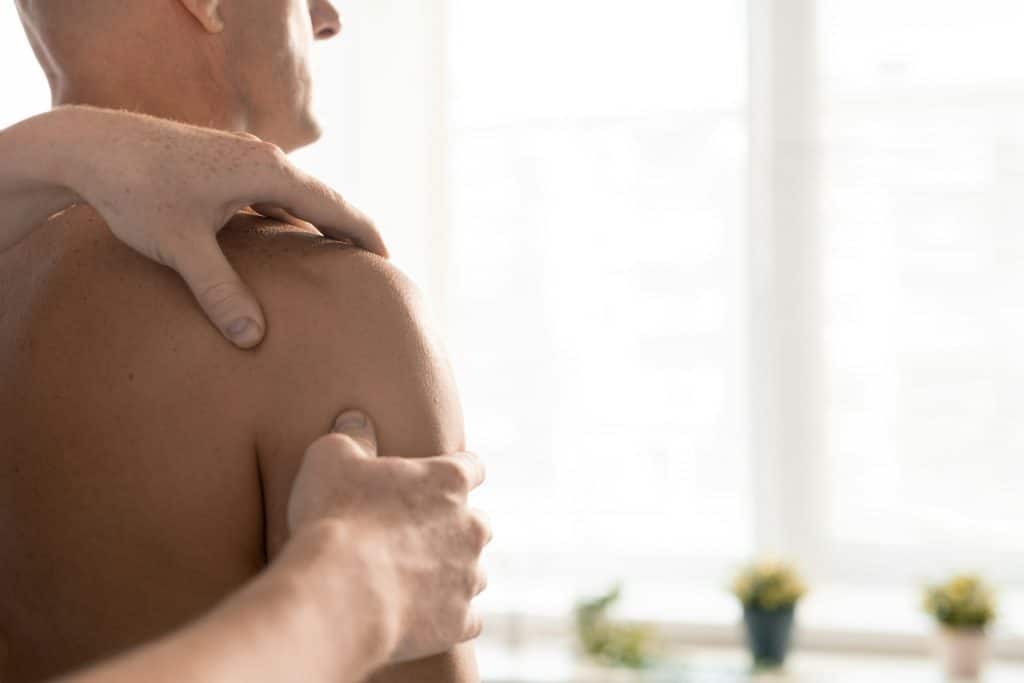
Stress can make muscles stay tight for a long time. This often affects the neck, shoulders, and lower back. Many men think this stiffness comes from work or poor posture. When muscles do not relax, the discomfort can start to feel normal. Over time, tight muscles can make movement harder and increase tiredness. Muscle tension is a common sign of stress.
Frequent Headaches
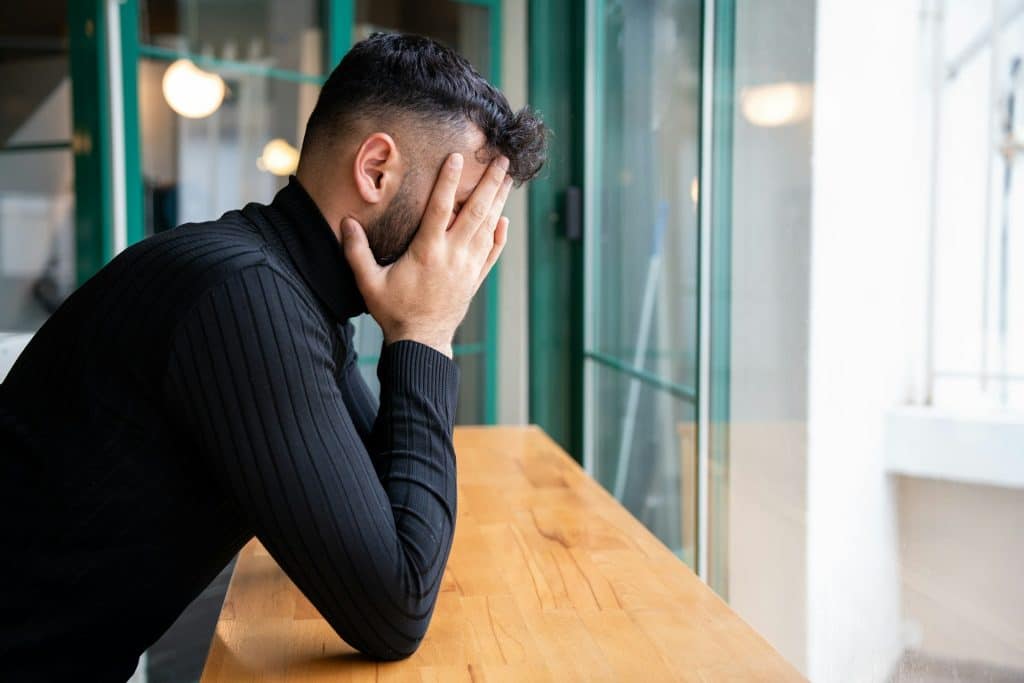
Headaches often happen during stressful times. They may come after long workdays or busy weeks. Many men see headaches as minor and expect them to pass. When headaches happen often, they can affect focus and energy. Frequent headaches are often a sign of ongoing stress.
Changes in Sleep Quality
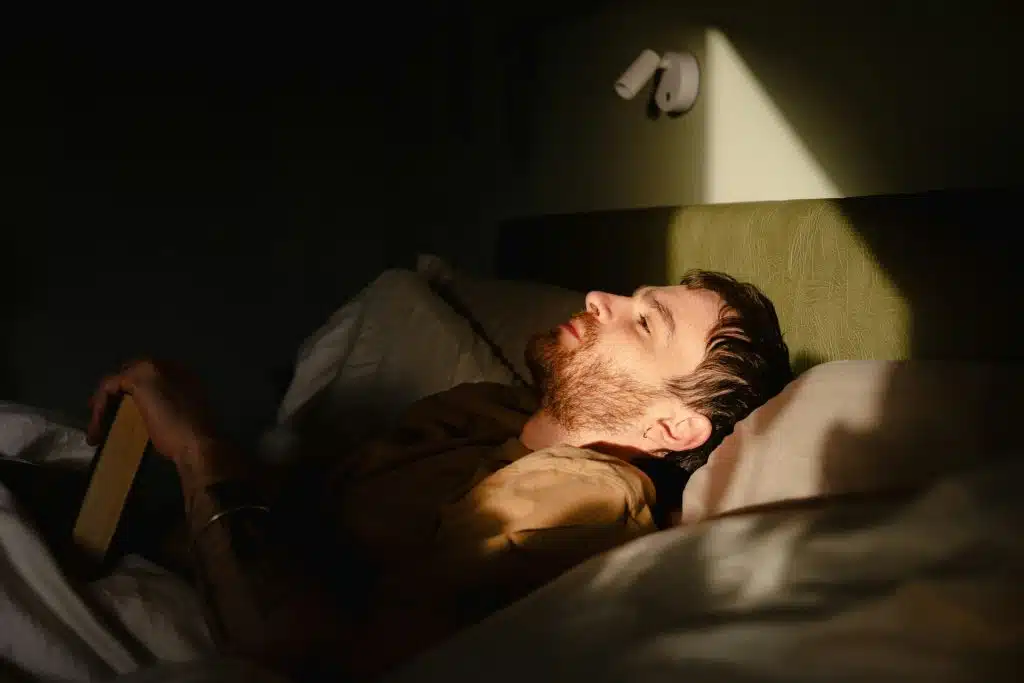
Stress can make sleep difficult. You might have trouble falling asleep or wake up too early. Many men think this is just because of work or a busy schedule. Over time, poor sleep can affect mood, focus, and energy. Sleep problems can be a sign of stress and can also make stress worse.
Digestive Discomfort

Stress can upset the stomach. It may cause bloating, stomach pain, or changes in appetite. Many men think it is just something they ate. When these problems happen often, stress may be the reason. Ongoing stomach issues can affect energy and focus. These changes are common signs of stress.
Low Energy Throughout the Day
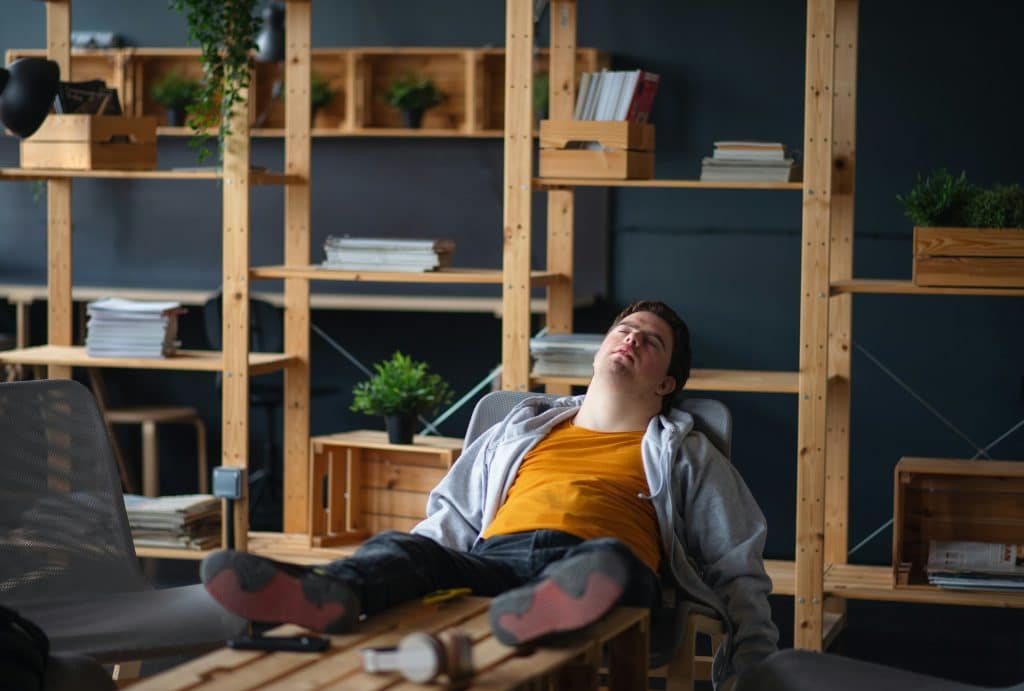
Feeling tired most of the day can be a sign of stress. Even after rest or sleep, energy may still feel low. Many men blame this on work, age, or being busy. When tiredness lasts every day, simple tasks can start to feel harder. Stress can slowly drain the body’s energy. Long-term fatigue usually builds up over time.
Shallow or Fast Breathing
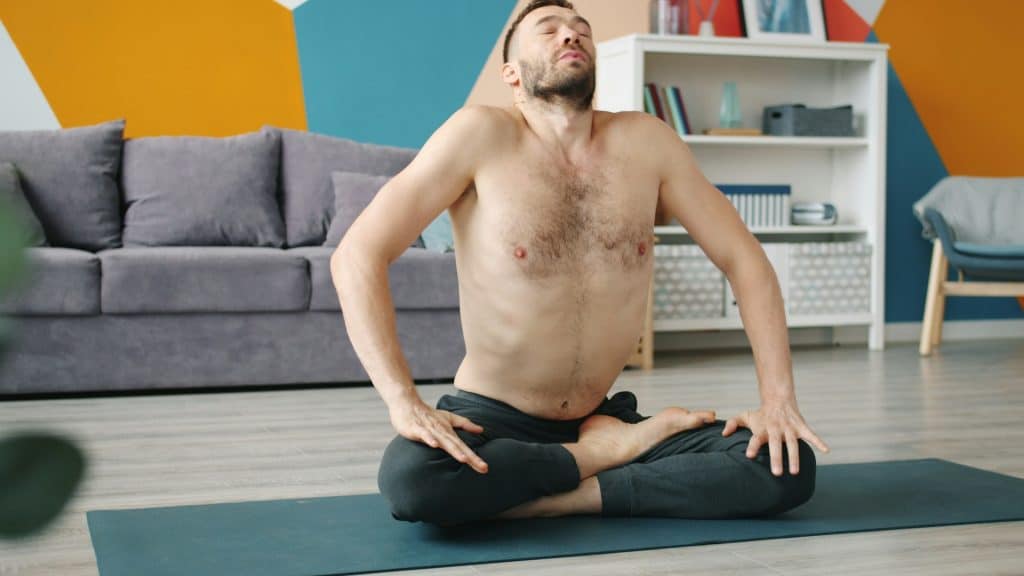
Stress can change the way a person breathes. Breathing may become faster or more shallow without being noticed. Many men do not pay attention to these changes. Over time, this can add to body tension and discomfort. Poor breathing can also make tiredness worse. Changes in breathing are a common sign of ongoing stress.
Increased Irritability
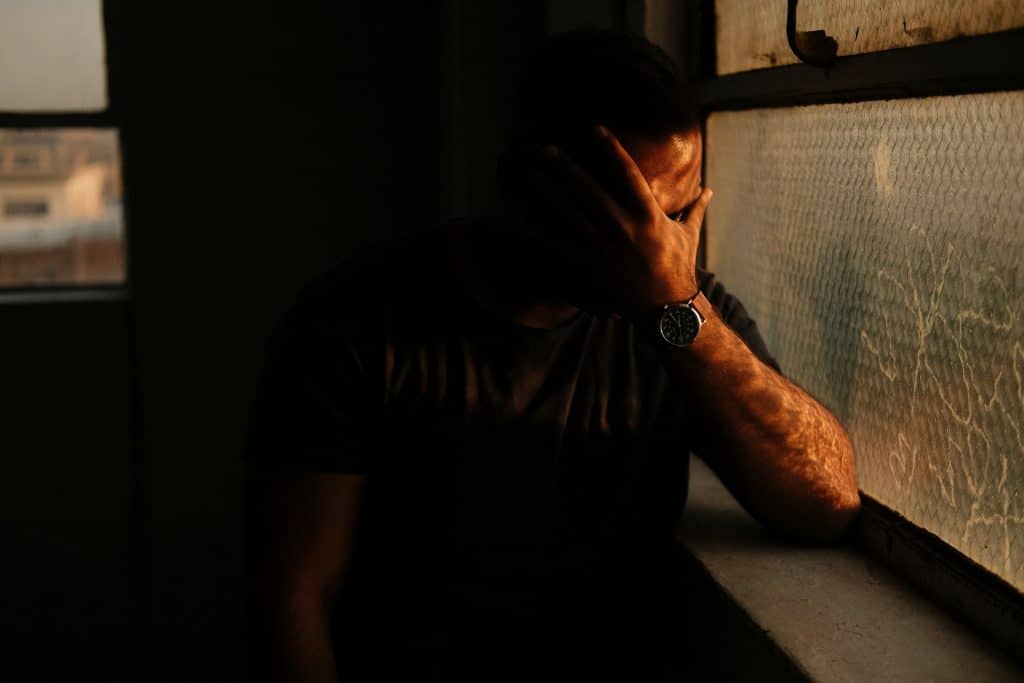
Stress can change how emotions are handled. Small problems may cause stronger frustration or short tempers. Many men see this as normal pressure from work or life. Over time, increased irritability can affect relationships at home and at work. Emotional changes often show up before physical ones. Irritability is a common sign of stress overload.
Difficulty Concentrating
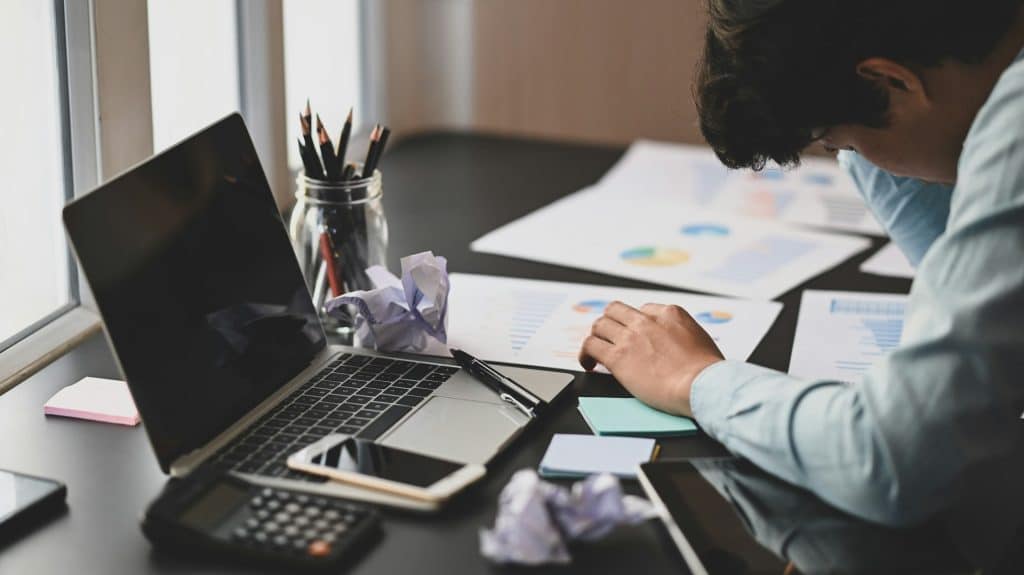
Stress can make it hard to focus or think clearly. Tasks that used to feel easy may start to take more time and effort. Many men blame this on distractions or a heavy workload. When trouble concentrating lasts, work and daily tasks can suffer. Mental strain often builds slowly and quietly. Poor focus is a common sign of stress.
Jaw Clenching or Teeth Grinding
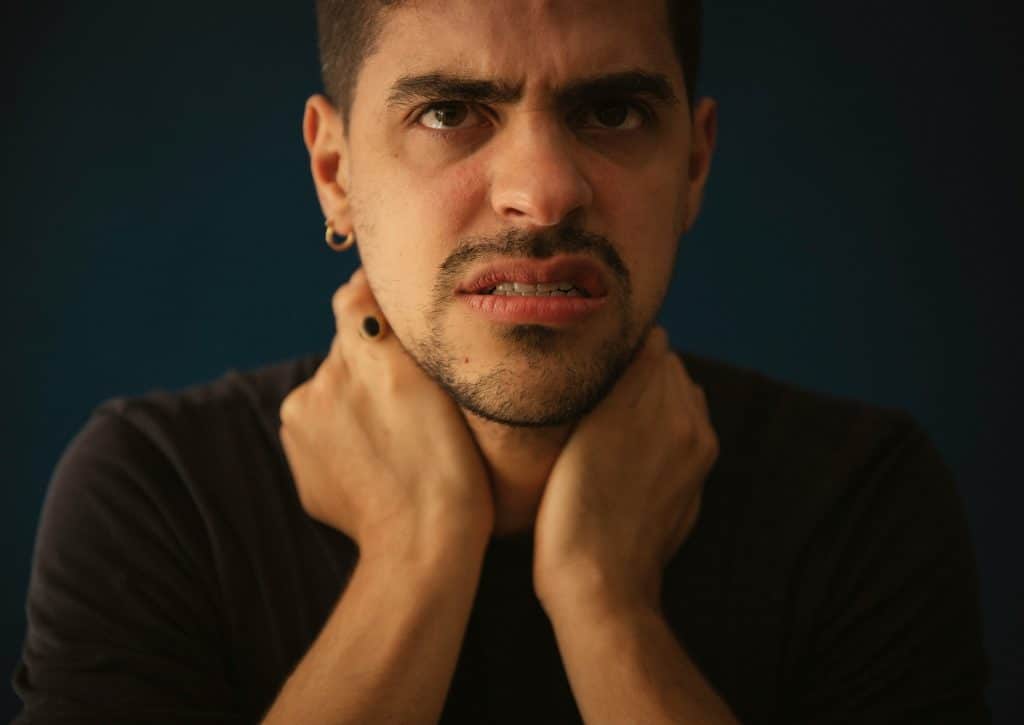
Stress can cause jaw clenching or teeth grinding. This may happen during the day or while sleeping. Many men do not notice it until they feel jaw pain or headaches. Ongoing jaw tension can cause facial discomfort. This habit often forms without awareness. It is a common way stress shows up in the body.
Changes in Appetite

Stress can change how much a person eats. Some men may lose their appetite, while others may eat more than usual. These changes can feel like part of a daily routine. Over time, shifts in eating can affect weight and energy. Appetite changes are often linked to stress.
Increased Reliance on Caffeine

Many men use caffeine to get through tired or stressful days. Extra coffee or energy drinks can slowly become a daily habit. Caffeine may help for a short time, but it can hide deeper exhaustion. Over time, more caffeine may be needed to feel alert. Increased caffeine use is often a sign of ongoing stress.
Lower Physical Endurance
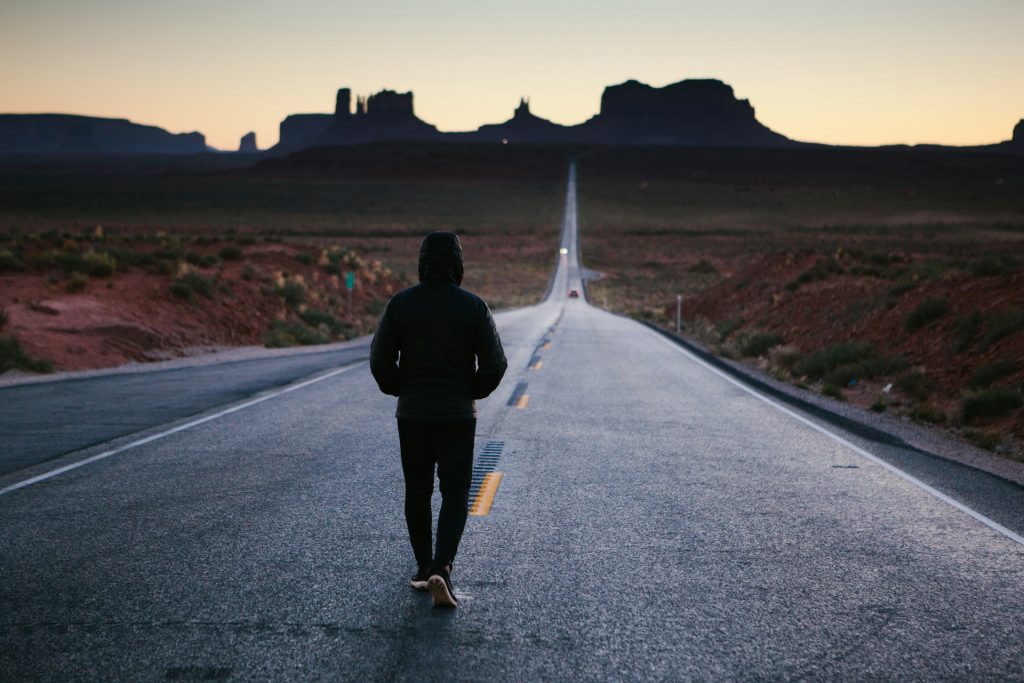
Stress can lower physical stamina over time. Activities that once felt easy may start to feel more tiring. Many men reduce activity instead of noticing the change. Lower endurance can affect work, exercise, and daily tasks. This change often happens slowly. Reduced stamina is a common sign of stress.
Chest Tightness Without Illness
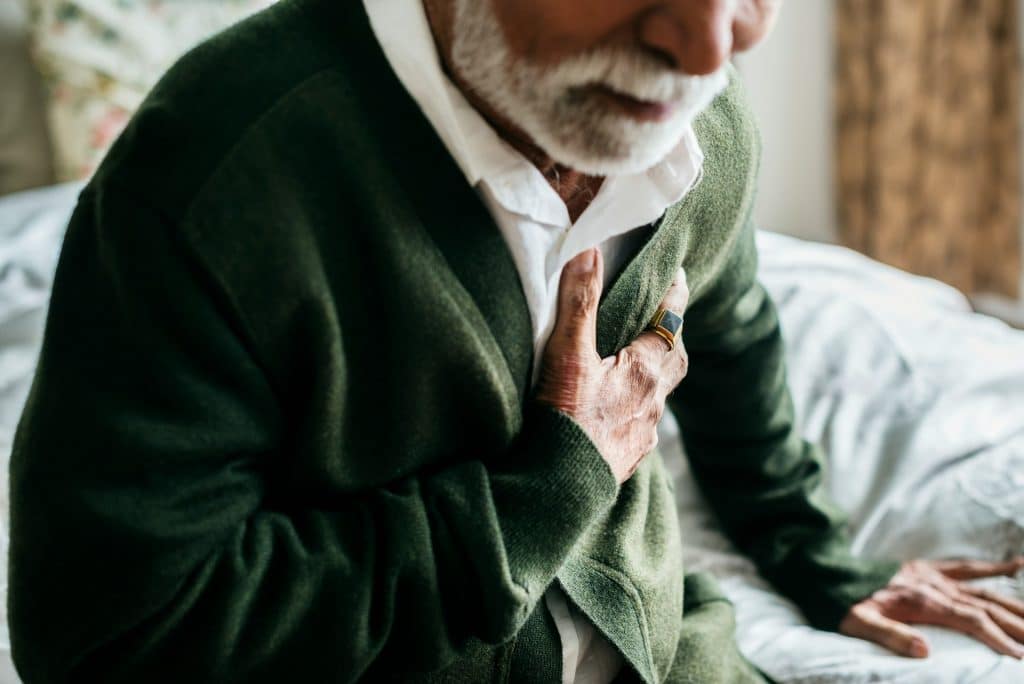
Stress can cause a feeling of tightness in the chest. It may come and go and not seem serious at first. Many men ignore it if tests show no illness. Even so, repeated tightness can be uncomfortable and worrying. Stress is often felt in the chest. This is a sign worth paying attention to.
Changes in Posture
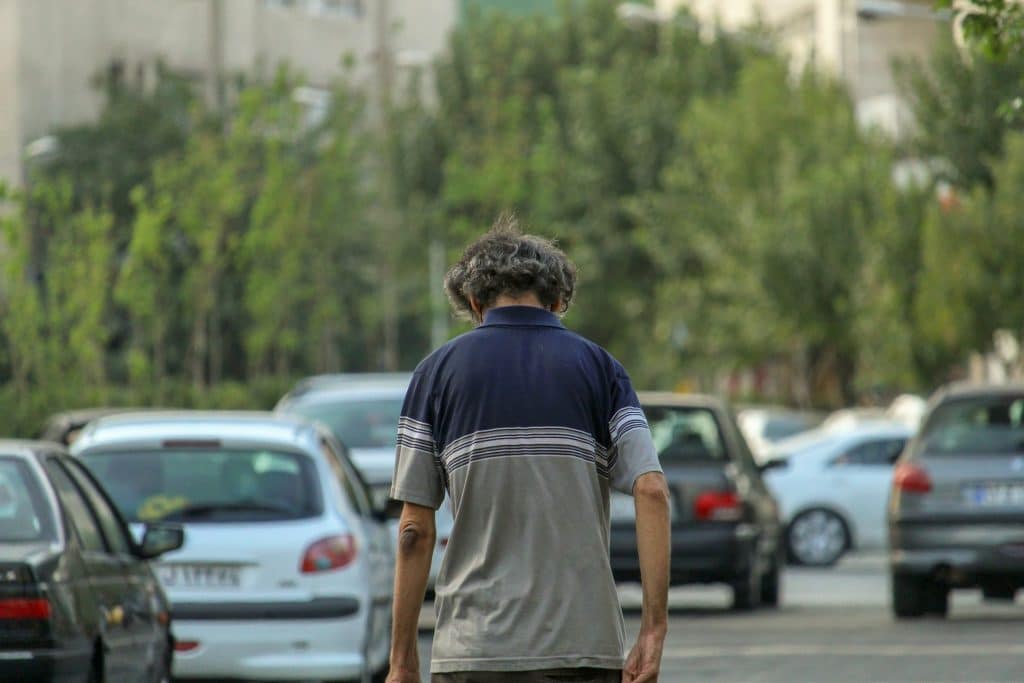
Stress can slowly affect how the body is held. Shoulders may hunch forward, or the head may lean down more often. Many men do not notice these changes as they happen. Poor posture can add to muscle pain and tiredness. Over time, posture can show ongoing stress in the body.
Increased Body Aches
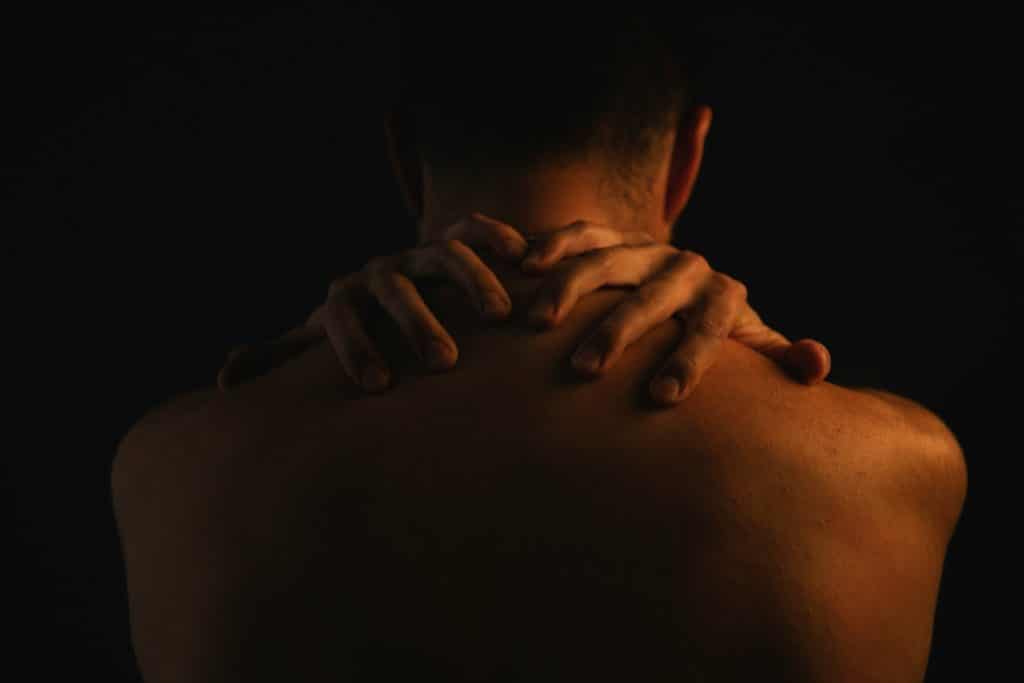
Stress can lead to more body aches over time. Muscles and joints may feel sore even without injury. Many men think this is just normal wear and tear. When stress lasts, it can add to pain and discomfort. Ongoing aches are a common sign of stress.
Emotional Withdrawal
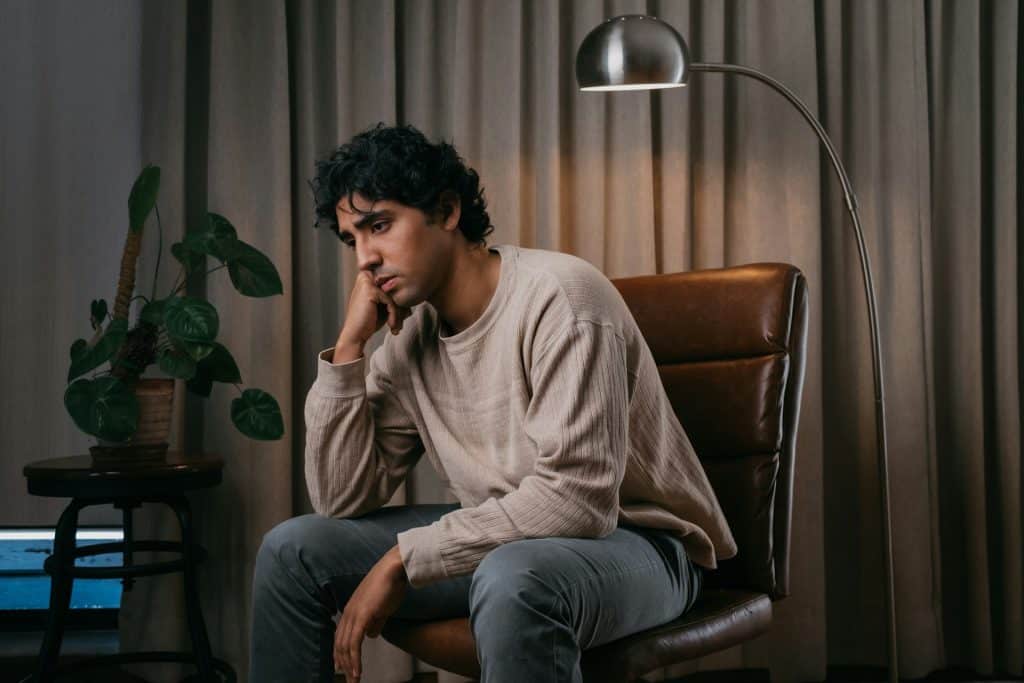
Stress can make men pull away from other people. They may talk less or avoid spending time with others. This is often explained as being busy or tired. Over time, being less social can affect emotional health. Friends or family may notice the change first. Social withdrawal is a common sign of stress.
Changes in Skin Appearance
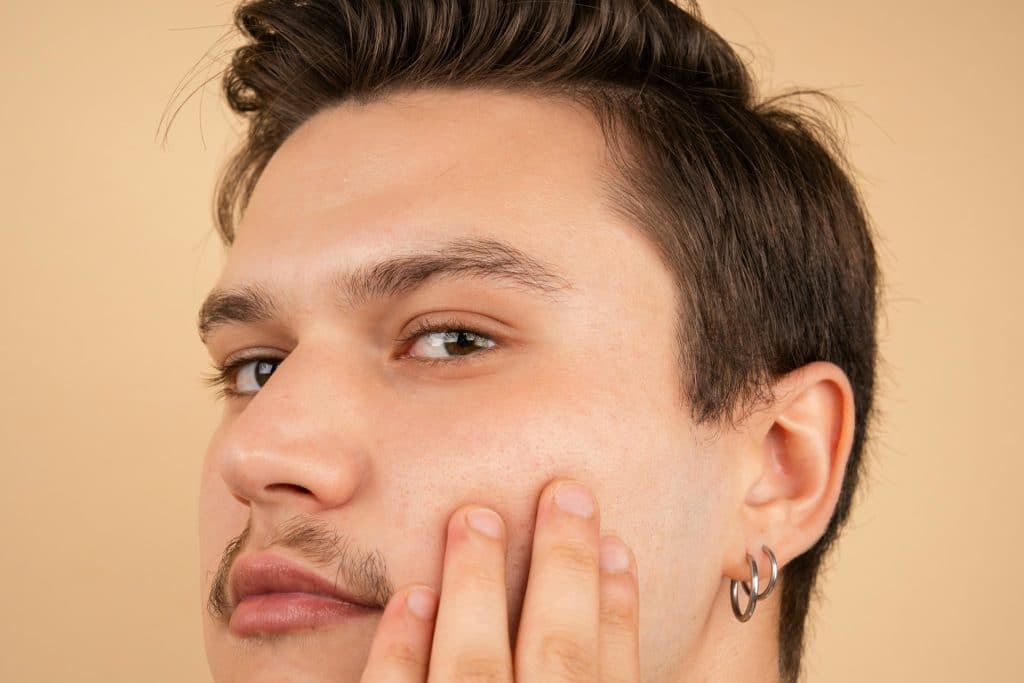
Stress can change the way skin looks. It may appear dull, irritated, or have more breakouts. Many men see these changes as small or unimportant. The skin often reflects what is happening inside the body. Ongoing stress can show on the outside. Changes in appearance can be a sign of deeper strain.
Restlessness and Trouble Relaxing
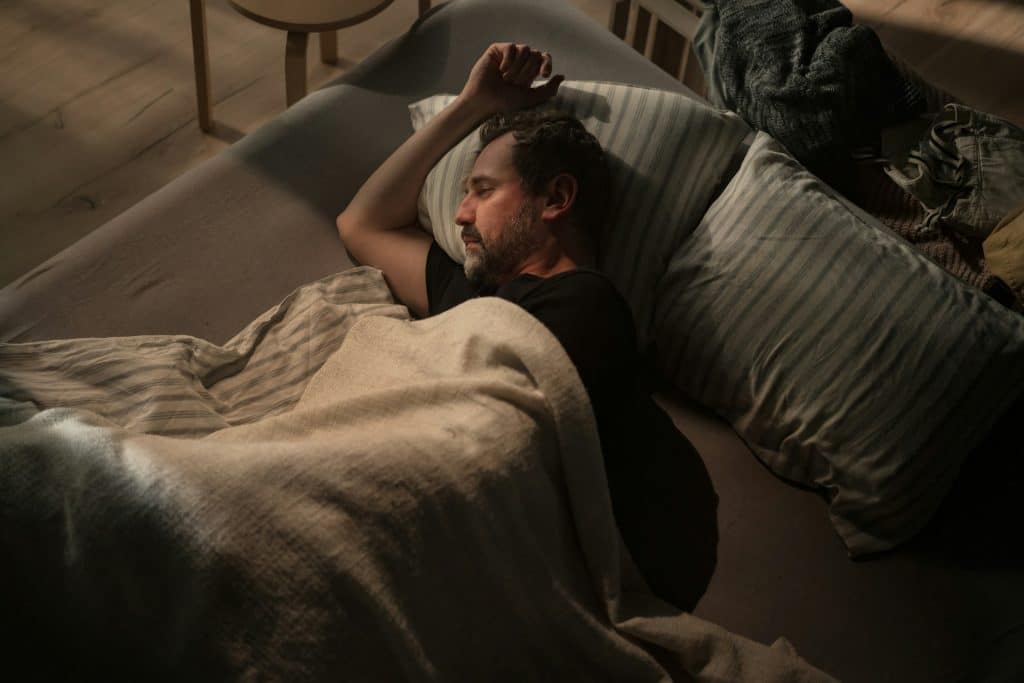
Stress can make it hard to relax. Sitting still may feel uncomfortable. Many men stay busy instead of slowing down. Over time, this can lead to more exhaustion. Feeling restless often hides built-up tension. Trouble relaxing is a common sign of stress.
Partners Notice Changes First
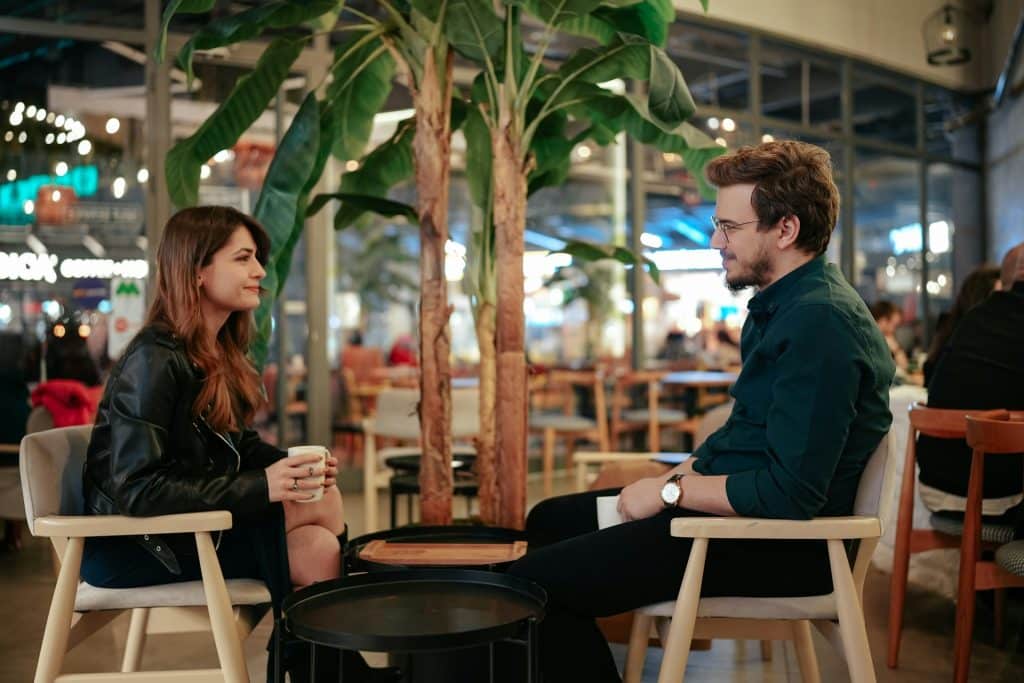
Stress effects are not always noticed by the person feeling them. Partners or family may see changes in mood or energy first. Men may brush off these comments. An outside view can show patterns that are easy to miss. Loved ones often notice slow changes over time. Their awareness can help point out early signs of stress.
Awareness Supports Long Term Health
When stress stays for a long time, it can start to feel normal. Men may adjust their routines instead of asking why they feel uncomfortable. Slowly, stress becomes part of everyday life and is easy to ignore. This can delay action and make problems harder to fix later. Noticing small body and mood changes early helps reveal stress patterns. Early awareness helps men notice stress before it gets worse. Small changes can be handled early with rest, routine changes, or support. This keeps stress from turning into bigger health or emotional problems over time.








Ask Me Anything