
Long-term physical health is often shaped by repeated, everyday behaviors rather than isolated actions. Regular gym habits follow this pattern, as small and consistent movement can gradually affect physical capacity over time. Instead of leading to quick or dramatic change, steady activity tends to influence strength, mobility, metabolic health, and energy levels in subtle and lasting ways. People with prior training experience or higher baseline fitness may notice these effects sooner, while others see slower and more gradual progress. The sections that follow explain how regular gym participation supports physical health beyond appearance, with attention to resilience, function, and aging. The overall focus is on awareness and prevention, highlighting how long-term health develops through consistent patterns rather than short-term results
Small Patterns Shape Physical Health Overtime
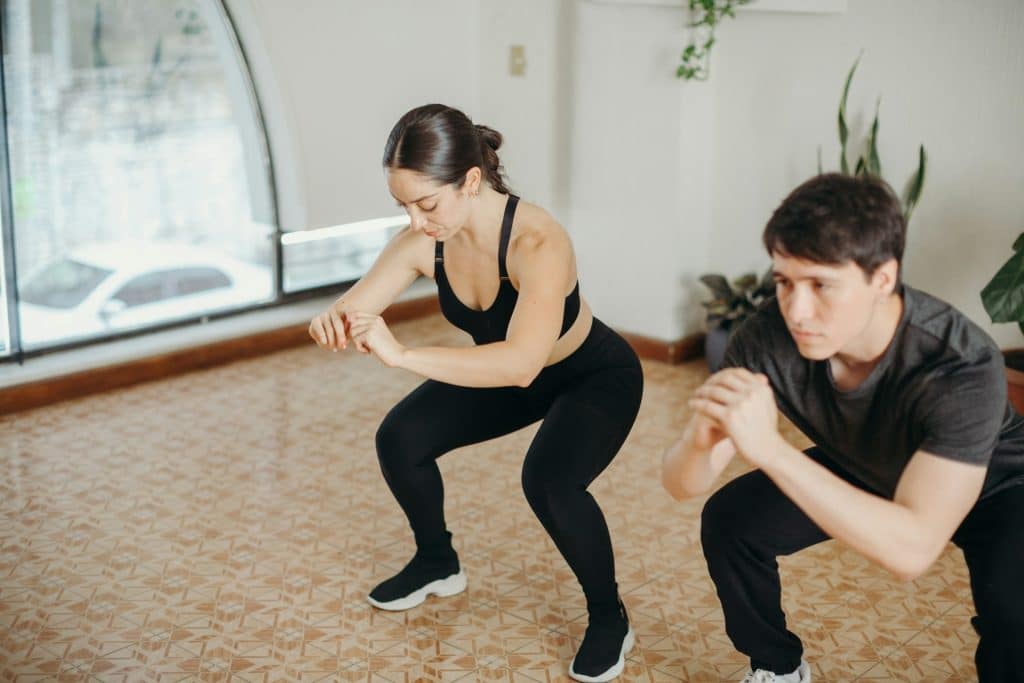
Health outcomes are often shaped by small behaviors repeated over long periods. Regular gym attendance usually works through this same gradual pattern rather than through short-term change. When movement is consistent, the body adapts over time in ways that extend beyond appearance. These adaptations may include strength maintenance, joint tolerance, and steadier energy levels. Some age groups or previously active individuals tend to notice these effects earlier, while others experience slower, more gradual change.
Physical Activity as a Long-Term Health Factor

Regular gym habits tend to act as an ongoing input rather than a one-time effort. Strength training and structured movement often influence how the body handles everyday physical demands. Over time, muscles, connective tissue, and bones usually adapt to repeated use in ways that support protection and stability. These changes may help with balance, posture, and efficiency during daily tasks. The effects are typically gradual and become clearer when observed over months or years. This longer time frame helps explain why consistent activity often has a greater impact than short periods of intensity.
Muscle Strength and Functional Capacity

Muscle strength is closely connected to everyday functional capacity. Regular resistance training can help maintain the ability to lift, carry, and stabilize the body during routine activities. This type of capacity often becomes more important with age, as natural muscle loss tends to increase over time. People who maintain consistent gym habits may experience a slower decline in strength. The outcome is often smoother and easier movement rather than noticeable changes in appearance. Functional strength is therefore a practical result of long-term, consistent training patterns.
Joint Support and Movement Tolerance

Joints depend on surrounding muscles and connective tissue for support. Consistent and well-structured gym activity can improve movement tolerance by strengthening these areas. Over time, this support may lead to smoother motion and less stiffness. The changes usually happen gradually as the body adapts to repeated use. People with prior movement experience often notice these effects earlier than beginners. Joint support is commonly the result of steady participation rather than targeted or specialized training.
Bone Density and Structural Stability

Weight-bearing exercise is often linked to bone health. Regular exposure to resistance and impact can encourage the body to maintain or increase bone density. This effect becomes more important over time, as bone mass naturally declines with age. Consistent gym habits may help slow this process and support structural resilience. These benefits usually build gradually and are not immediately visible. Over the years, stronger bone structure can influence injury risk and overall physical stability.
Metabolic Health and Energy Regulation

Physical training affects how the body uses and manages energy. Regular gym activity can support metabolism by helping muscles use energy more efficiently. These changes usually happen slowly and may not be noticed right away. Over time, better metabolic function can influence daily energy levels and stamina. People with a history of physical activity may notice these changes sooner. This connection shows how consistent movement can affect the body beyond strength or appearance.
Cardiovascular Support Through Strength and Movement

Cardiovascular health is often linked to aerobic exercise, but strength training can also play a role. Regular gym routines that raise the heart rate can support how efficiently blood circulates. Over time, this may help heart function during both activity and rest. These changes usually develop through repeated exposure rather than single workouts. Consistent participation tends to be more important than occasional effort. As a result, cardiovascular support often develops as a secondary effect of ongoing movement habits.
Mobility and Range of Motion Across Time

Mobility describes how well joints move through their full range. Regular gym activity that includes different types of movement can help maintain this ability. Over time, preserved mobility may reduce stiffness that often develops with inactivity. People who start being active earlier in adulthood may keep mobility for longer periods. Even so, gradual improvements can still happen at later stages of life. Mobility benefits usually come from steady, balanced movement rather than extreme training.
Postural Strength and Daily Alignment

Posture is affected by muscle balance and endurance. Regular gym habits can strengthen the muscles that help maintain alignment while sitting and standing. Over time, this support may reduce extra strain on other parts of the body. The changes are usually subtle and noticed during daily activities rather than formal testing. People with mostly sedentary work routines may notice these effects sooner. Better alignment often develops as a secondary result of consistent training.
Fatigue Resistance and Everyday Stamina

Regular physical training can affect how the body handles fatigue. As muscles and body systems adapt, activities that once felt tiring may begin to require less effort. This change usually happens gradually, often over several months. Improved stamina can support longer periods of activity without strong feelings of tiredness. People with consistent exercise routines may notice this shift before seeing visible physical changes. Resistance to fatigue reflects internal adaptation rather than outward appearance.
Recovery Capacity and Physical Resilience

Recovery describes how efficiently the body returns to its usual state after physical effort. Consistent gym participation can improve this ability by gradually conditioning muscles and connective tissue. Over time, recovery periods may become shorter and muscle soreness may feel more predictable. This process does not remove fatigue but can make it easier to manage. People with longer training histories often notice these improvements sooner. Stronger recovery capacity supports continued physical activity over many years.
Movement Confidence and Stability

Repeated exposure to structured movement can affect physical confidence. As coordination and strength develop, stability during movement often improves. This added stability may reduce uncertainty during everyday activities such as climbing stairs or carrying items. The change usually happens gradually and may not be consciously noticed. Older adults may recognize these effects more clearly because of comparison with earlier limitations. Increased stability often appears as an indirect result of consistent practice.
Aging and Maintenance of Physical Capacity

Aging is often linked to gradual declines in strength and mobility. Regular gym habits may help slow these changes by supporting physical capacity over time. The focus is usually on maintaining ability rather than improving performance. People who continue consistent routines into later years often keep a higher level of basic function. These differences tend to become clearer when viewed across long periods. Maintenance is therefore a key outcome of sustained physical activity.
Injury Risk Patterns Over Time

Injury risk is shaped by factors such as strength balance, coordination, and tissue tolerance. Consistent training can support these areas when activity is varied and gradually increased. Over time, this may lower the likelihood of some strain-related injuries. The connection is not exact but reflects common patterns seen in active groups. People with previous injuries may notice protective effects earlier. Injury risk patterns often change gradually with long-term consistency.
Energy Levels Beyond the Gym

The effects of physical training often extend beyond time spent exercising. Regular gym habits can influence how energized or tired a person feels throughout the day. These changes may show up as more steady energy rather than sharp highs and lows. Over time, everyday tasks may feel easier to manage. Some groups, such as people moving from inactivity to regular movement, may notice this sooner. Energy regulation reflects the wider impact of consistent physical activity.
Adaptation Speed Across Different Populations

Not everyone experiences physical changes at the same pace. Younger adults or people with athletic backgrounds often adapt more quickly. Others may notice slower but steady progress over several months. These differences usually reflect starting capacity and prior experience rather than effort alone. Recognizing this variation helps place expectations in context. Over the long term, consistent patterns tend to matter more than early speed.
Sustainability as a Health Factor

Sustainability plays an important role in long-term health outcomes. Gym habits that are maintained over time tend to produce more lasting benefits than brief periods of high intensity. This sustainability often depends on routine, access, and physical tolerance. Over time, steady participation supports gradual adaptation. The emphasis shifts from quick change to ongoing maintenance. As a result, long-term health outcomes are closely linked to consistency and continuity.
Measuring Progress Beyond Appearance

Physical health changes are not always easy to see. Strength maintenance, mobility, and energy regulation often improve without clear visual signs. Over time, these internal changes may have a greater effect on daily function. People who focus on physical ability rather than appearance may notice progress in different ways. This view aligns more closely with health-based evaluation than visual comparison. As a result, progress is often understood in broader and more practical terms.
Long-Term Consistency and Health Trajectories

When viewed over many years, consistent gym habits can influence overall health trajectories. Small adaptations that build over time may shape how the body responds to aging and physical stress. These trajectories are not fixed and can change with ongoing behavior. People who maintain regular activity often reach later life with different physical baselines. This pattern highlights the importance of repetition across time. The focus remains on prevention rather than later correction.
Physical Health as an Ongoing Process

Long-term physical health is best viewed as an ongoing process. Regular gym habits tend to contribute through gradual, compounding effects rather than immediate change. These effects often include strength maintenance, mobility support, and metabolic stability. Different groups may notice benefits at different points, depending on age and prior activity. The broader takeaway is an increased awareness of how repeated movement influences health over time. Framing exercise this way places emphasis on prevention and long-term continuity.








Ask Me Anything