
Stress is commonly associated with emotional strain, yet its influence on physical health often begins long before visible symptoms appear. When stress becomes frequent or prolonged, the body undergoes subtle physiological changes designed to support short-term adaptation. These changes can quietly affect systems such as the nervous, immune, and cardiovascular systems without immediate warning signs.
Because the body is able to compensate for a period of time, early stress-related effects often go unnoticed. Over months or years, these silent shifts may contribute to more noticeable health concerns. The sections that follow examine how stress affects physical health beneath the surface and why its impact is often recognized later than expected.
The Hidden Nature of Stress

Stress is often viewed as a short-term emotional reaction, but its physical effects can begin well before noticeable symptoms appear. The body responds to stress right away through biological changes meant to handle immediate demands. When stress continues over time, these same responses can place strain on multiple systems. Many of these changes happen quietly, without obvious warning signs. This helps explain why ongoing stress is often linked to physical health issues that develop gradually.
What Happens in the Body During Stress

When stress occurs, the body activates the autonomic nervous system and releases stress hormones such as cortisol and adrenaline. These hormones prepare the body for rapid response by increasing heart rate and blood pressure. While useful in short bursts, prolonged activation disrupts normal bodily functions. Over time, systems meant to recover may remain in a heightened state. This prolonged imbalance can affect multiple organs simultaneously.
Stress and the Nervous System

Chronic stress keeps the nervous system in a constant state of alertness. This ongoing stimulation can interfere with the body’s ability to rest and repair itself. The parasympathetic nervous system, responsible for relaxation, becomes less effective. As a result, sleep quality and recovery processes may decline. These changes often occur before any diagnosable condition develops.
Hormonal Imbalances Begin Early

Stress alters hormonal balance well before physical symptoms are evident. Elevated cortisol levels can interfere with other hormones that regulate metabolism, growth, and reproduction. These disruptions may remain unnoticed in routine daily life. Over time, hormonal imbalance can influence energy levels and appetite regulation. Early changes are subtle but cumulative.
The Immune System Under Pressure

The immune system is particularly sensitive to prolonged stress. Stress hormones can suppress immune function, reducing the body’s ability to fight infections. This suppression may not cause immediate illness but can lower resilience over time. Increased inflammation is another early consequence. These immune changes often precede frequent illness or slower recovery.
Inflammation as a Silent Signal

Chronic stress is associated with low-grade inflammation throughout the body. Inflammation is a normal immune response, but persistent activation can be harmful. This process may quietly affect tissues and organs. Over time, inflammation is linked to conditions such as cardiovascular disease and metabolic disorders. The inflammatory response often begins long before symptoms become noticeable.
Stress and Cardiovascular Changes
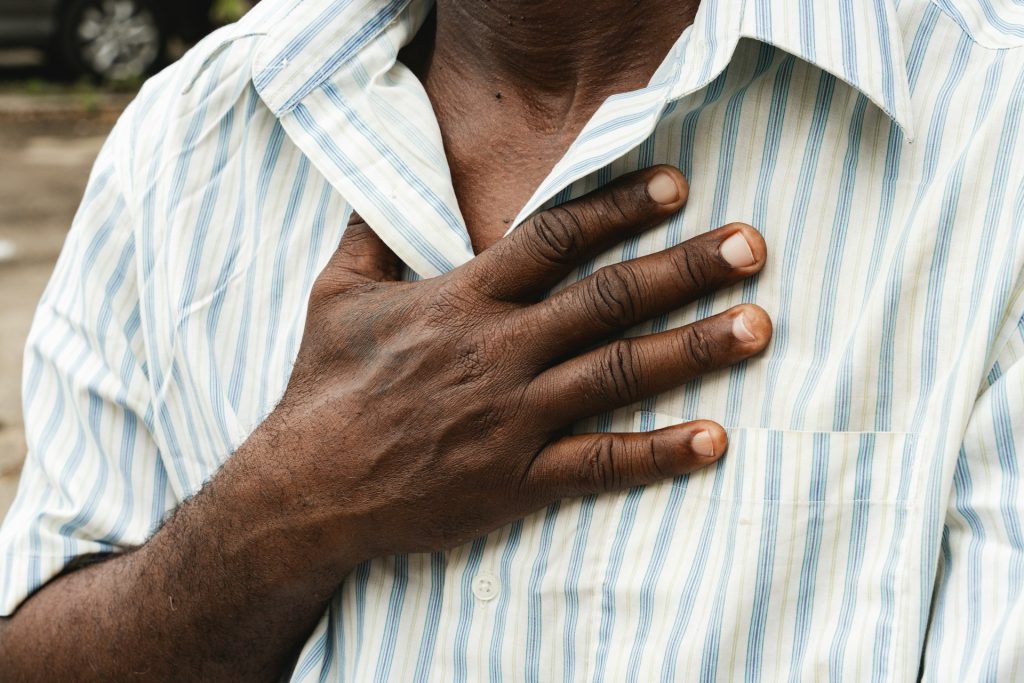
Even without symptoms, stress can influence cardiovascular function. Repeated stress responses increase heart rate and blood pressure intermittently. These fluctuations place strain on blood vessels over time. Structural changes in arteries may begin without pain or discomfort. Early cardiovascular effects often remain undetected during routine checkups.
Metabolic Effects of Chronic Stress

Stress affects how the body processes and stores energy. Elevated cortisol can influence blood sugar levels and insulin sensitivity. These changes may occur gradually and without immediate symptoms. Over time, metabolic imbalance can increase the risk of chronic conditions. Early metabolic shifts are often overlooked because they develop slowly.
Digestive System Responses

The digestive system is closely connected to stress regulation. Stress can alter gut motility, enzyme secretion, and nutrient absorption. These changes may not cause immediate discomfort but can affect digestive efficiency. The gut microbiome may also be altered under chronic stress. Such disruptions often appear before noticeable gastrointestinal symptoms.
Stress and Musculoskeletal Tension

Muscle tension is a common physical response to stress, even when pain is not yet present. Prolonged muscle contraction can reduce circulation and flexibility. This tension often accumulates gradually. Over time, it may contribute to stiffness or reduced range of motion. Early musculoskeletal effects are frequently dismissed as minor discomfort.
Impact on Sleep Regulation

Stress interferes with the body’s natural sleep-wake cycle. Elevated stress hormones can delay sleep onset and reduce deep sleep stages. These disruptions may initially appear as mild restlessness. Over time, inadequate sleep affects multiple body systems. Sleep-related changes often precede fatigue-related health complaints.
Stress and Brain Function

The brain is highly sensitive to prolonged stress exposure. Chronic stress can affect areas responsible for memory, attention, and emotional regulation. These changes may not be immediately obvious in daily functioning. Subtle cognitive shifts can accumulate over time. Early neurological effects often go unrecognized until performance declines.
Skin as an Early Indicator

The skin can reflect internal stress responses before other symptoms appear. Stress influences blood flow, inflammation, and immune responses in the skin. Changes may include dryness or altered healing without clear cause. These effects are often attributed to environmental factors. However, stress-related skin changes can be early physiological signals.
Stress and Respiratory Patterns

Stress alters breathing patterns, often leading to shallow or rapid respiration. These changes can reduce oxygen exchange efficiency. Over time, altered breathing may affect overall energy levels. Respiratory changes are usually subtle and easily overlooked. They can occur well before noticeable respiratory symptoms develop.
Early Effects on Reproductive Health

Stress can influence reproductive hormones and cycles in both men and women. These effects may not immediately disrupt fertility but can alter hormonal rhythms. Changes may include subtle irregularities or shifts in hormonal signaling. Such alterations often develop gradually. Early reproductive effects are frequently detected only through clinical evaluation.
Stress and Blood Sugar Regulation
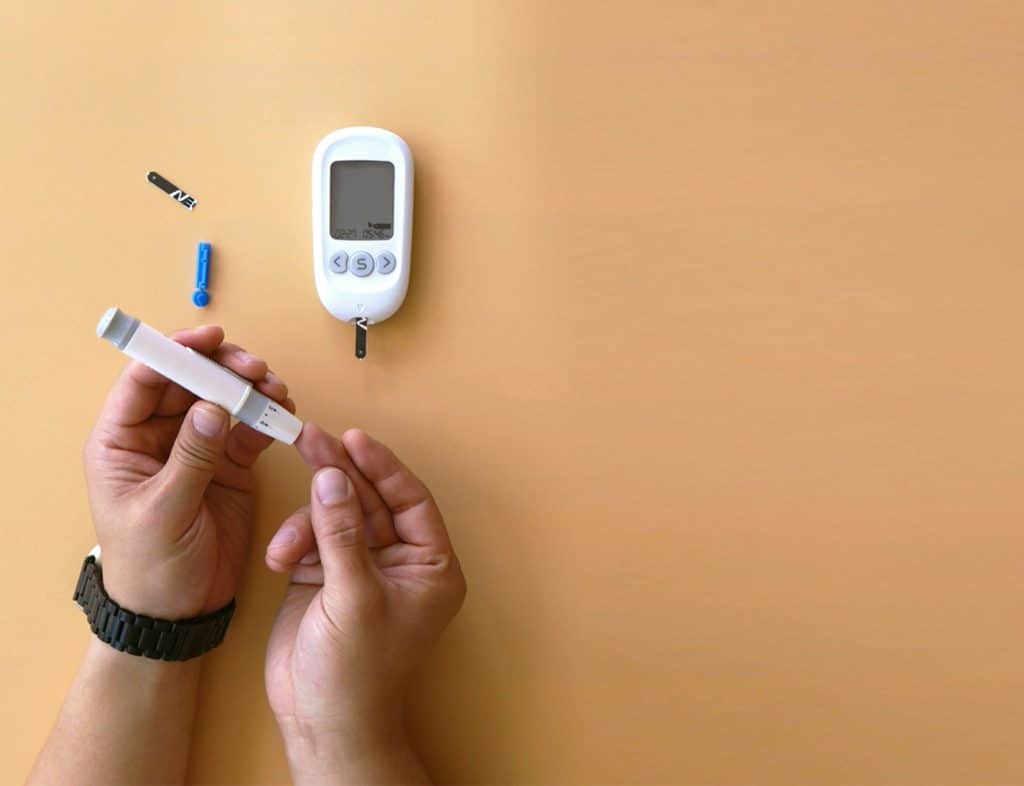
The stress response increases glucose availability in the bloodstream. When stress is chronic, this mechanism may become dysregulated. Blood sugar fluctuations can occur without noticeable symptoms. Over time, these fluctuations strain metabolic systems. Early changes often remain undetected without targeted testing.
The Role of Chronic Stress Exposure

The duration and frequency of stress exposure influence physical outcomes. Short-term stress typically resolves without lasting effects. Chronic stress, however, maintains physiological activation. This prolonged exposure increases cumulative strain on the body. Long-term health effects often originate from these early, repeated responses.
Why Symptoms Often Appear Late

The body has a strong capacity to compensate for internal imbalances. Early stress-related changes are often masked by adaptive mechanisms. Symptoms usually appear only after these systems are overwhelmed. This delay can make it difficult to link stress to physical illness. Understanding early processes helps explain this disconnect.
Individual Differences in Stress Response

Not everyone responds to stress in the same way. Genetics, environment, and lifestyle influence physiological reactions. Some individuals may experience early physical changes more quickly than others. These differences affect how and when symptoms emerge. Recognizing variability is essential for unbiased understanding.
Stress as a Long-Term Health Factor

Stress is increasingly recognized as a contributing factor to long-term physical health. Its effects often begin quietly, well before symptoms prompt attention. Early physiological changes can accumulate across multiple systems. Viewing stress as a biological process rather than solely an emotional experience provides broader insight. Awareness of early effects supports more informed approaches to health and prevention.








Ask Me Anything